This article contains affiliate links. We may earn a commission from qualifying purchases.
Some content on this site is AI-assisted and reviewed by our editorial team.
How to Choose a Dog Backpack: Sizing, Capacity, and Weight Limits Explained
Last updated: August 2026 | By GearHound
We earn a commission from qualifying purchases at no extra cost to you.
The first time I put a backpack on my dog, she stood frozen in the driveway like I had strapped a foreign object to her back — which, to be fair, I had. Ten minutes later she was trotting down the trail with her own water and treats, and I was carrying less weight than I had in years. That is the promise of a dog backpack: your dog goes from cargo to crew.
But done wrong, a dog backpack causes chafing, throws off their gait, and turns a good hike into a vet visit. The difference is all in the fit, the weight, and the capacity. Here is what I have learned about getting it right.
If you just want gear recommendations, skip to our best dog backpacks guide. But if you want to know how to fit one properly, keep reading.
Measure Your Dog Before You Buy Anything
The biggest mistake people make is guessing their dog’s size. Do not do this. Every brand sizes differently, and “medium” for one company is “large” for another. You need three measurements:
Girth — the chest circumference behind the front legs. This is the most important number. It is where the saddle straps secure the pack, and if it is off, the pack either restricts breathing or slides around. Wrap a soft tape measure around the widest part of the chest.
Back length — from the base of the neck to the base of the tail. A pack that is too long extends past the ribs and restricts hip movement. Too short and the weight does not distribute properly.
Neck girth — around the base of the neck where a collar sits. This affects the front strap fit. Too tight and it chokes; too loose and the pack slides forward every time your dog puts their head down to sniff something.
Write these numbers down. You will need them for every sizing chart you look at.
How Much Weight Can Your Dog Carry?
The 25 percent rule gets thrown around a lot — a dog can carry up to 25 percent of their body weight. That is a maximum for fit, conditioned dogs on short hikes, not a target. For most dogs, 10 to 15 percent is the sweet spot. Here is how that breaks down by size:
Large dogs (60-100 lbs): 10 to 15 percent is comfortable. A 75-pound Lab can carry 7 to 11 pounds — their food, water, a bowl, and a first aid kit. Large dogs are the best pack animals because they have the frame and muscle for it.
Medium dogs (30-60 lbs): Stick to 10 to 12 percent. A 45-pound border collie can handle 4 to 5 pounds. That covers food and water for a day hike. Medium dogs benefit from packs but tire faster under load than large dogs.
Small dogs (15-30 lbs): No more than 10 percent. A 20-pound terrier can carry 2 pounds — a small water bottle and some treats. It is a symbolic load, but it gives them a job.
Under 15 pounds: Do not put a weighted pack on a dog this small. An empty saddle bag for photos is fine. Carrying weight is not safe for toy breeds.
For backpacking trips, drop to 10 percent. For dogs new to packing, start with an empty pack and add weight over two weeks of training hikes.
Picking the Right Capacity
Capacity is measured in liters per side. A 3-liter-per-side pack gives your dog 6 liters total. Here is what that means in practice:
1-2 liters per side is day hike territory. Water bottle, poop bags, a bowl, treats. If your hikes are 2-6 miles, this is all you need.
3-4 liters per side is the sweet spot for overnight trips. Food, a water bladder, a bowl, first aid kit, and a light layer. A 75-pound dog carries this without strain.
5+ liters per side is for multi-day trips with large dogs. Enough for 2-3 days of food and gear. Only fit, conditioned dogs over 60 pounds should carry this much volume.
One thing people miss: capacity is not the same as weight limit. A pack might hold 5 liters, but if your dog weighs 60 pounds, you cannot fill it with 15 pounds of gear. Water is the heavy item — 1 liter weighs 2.2 pounds. Weigh what goes in the pack.
Features That Actually Matter
Once you know the size and capacity, here is what separates a good pack from a bad one:
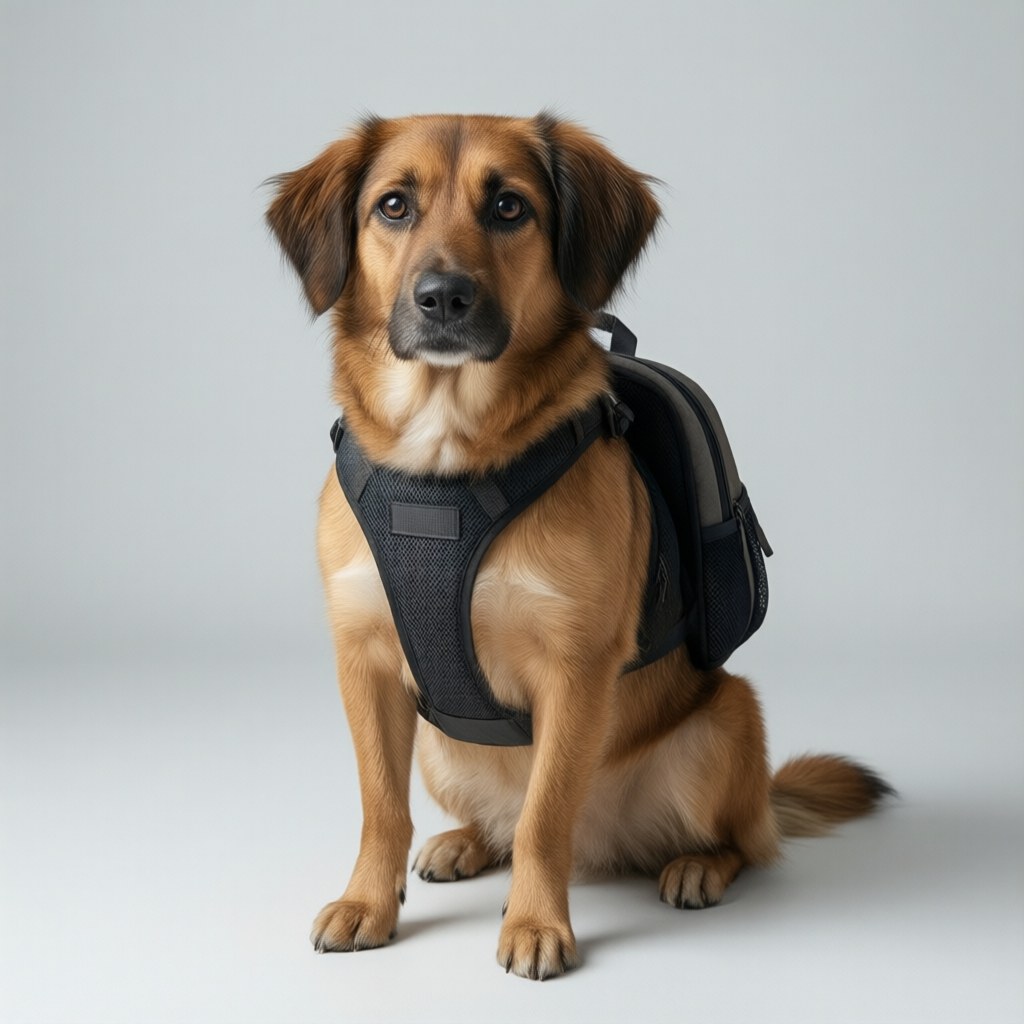
Saddle bag design is better than single-compartment packs. Two panniers connected by a spine panel distribute weight on both sides. Look for padding or mesh on the spine panel to prevent pressure on the spine.
Adjustable straps are essential. At minimum you need chest and belly straps. The best packs add a neck strap for stability. Padded straps distribute pressure without chafing. Avoid thin, unpadded webbing.
Water resistance matters on the trail. A pack that soaks through in a creek crossing adds weight and chafes. Look for water-resistant fabric with drain grommets.
Compression straps on the panniers keep the load from shifting. A shifting load is the most common cause of chafing and gait problems. Cinch down the sides so gear stays put.
A top handle is useful for lifting your dog over obstacles and for control at trail intersections. A D-ring for a leash is a bonus.
Reflective trim is a safety feature for early morning and evening hikes.
Fitting and Training
Even the right pack is useless if you do not fit it and train your dog properly. Here is the process I use:
Put the pack on empty. Tighten the chest strap until you can fit two fingers between the strap and the chest. Same for the belly strap. The pack should sit on the back without shifting when you push it side to side. If it slides, the straps are too loose or the pack is the wrong size.
Check for chafing points. Run your fingers under the straps and the spine panel, especially behind the elbows and at the chest. If you feel pressure, adjust or add padding.
Start with short walks around the block with the empty pack. Most dogs accept it within 10 minutes. If your dog refuses to move, take it off and try again later with treats.
Add weight gradually. Start at 5 percent of body weight, do a short hike, and watch how your dog moves. If the stride shortens or the stance widens, the pack is too heavy or unbalanced. Add more weight over two weeks until you reach your target.
Take the pack off at rest stops. Every 30-45 minutes, give your dog a 5-minute break without the pack. This prevents pressure sores and lets muscles recover.
Mistakes I See on the Trail
Overloading is the most common one. A 50-pound dog carrying 15 pounds is at 30 percent — way too much. Keep it at 10 percent for normal hiking.
Ignoring gait changes leads to injury. If your dog shortens their stride, widens their stance, or favors one side, the pack is too heavy, unbalanced, or does not fit. Stop and fix it.
Using a carrier backpack instead of a hiking pack is a category error. A carrier is for you to carry your dog. A hiking pack is for your dog to carry gear. If your dog is under 15 pounds, use a carrier. Over 30 pounds, use a hiking pack.
What I Recommend
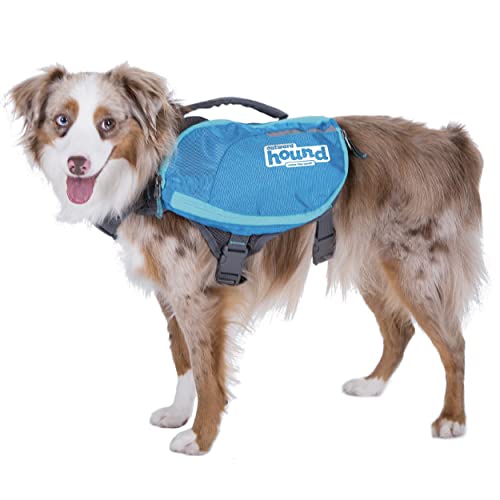
The Ruffwear Approach is the pack I recommend to most hikers. It fits well, the saddle bag design is solid, and it holds up to trail abuse. For a budget day-hike option, the Outward Hound DayPak does the job without breaking the bank.
For full reviews, see our best dog backpacks guide. And for other trail gear your dog needs, check our guides on dog raincoats and dog camping cots.
Measure your dog. Start light. Build up over time. Your dog will carry their share to the next campsite without complaint — and you will carry less weight, which is the whole point.
⛺ Get Your Free Camping with Your Dog Checklist
Join our newsletter and get this free printable plus weekly tips.
Price Check
Prices verified via our product tracker. Updated Sep 27.
| Amazon.com: Ruffwear, Front Range Day Pack, River Rock Gre | $79.99 | 4.7★ (531) |
| Amazon.com : Kyjen Outward Hound The Quick Release Dog Bac | $28.99 | 4.0★ (3,169) |
As an Amazon Associate we earn from qualifying purchases.