
This article contains affiliate links. We may earn a commission from qualifying purchases.
Some content on this site is AI-assisted and reviewed by our editorial team.
Why Your Dog Actually Needs a Crate (And How to Pick the Right One)
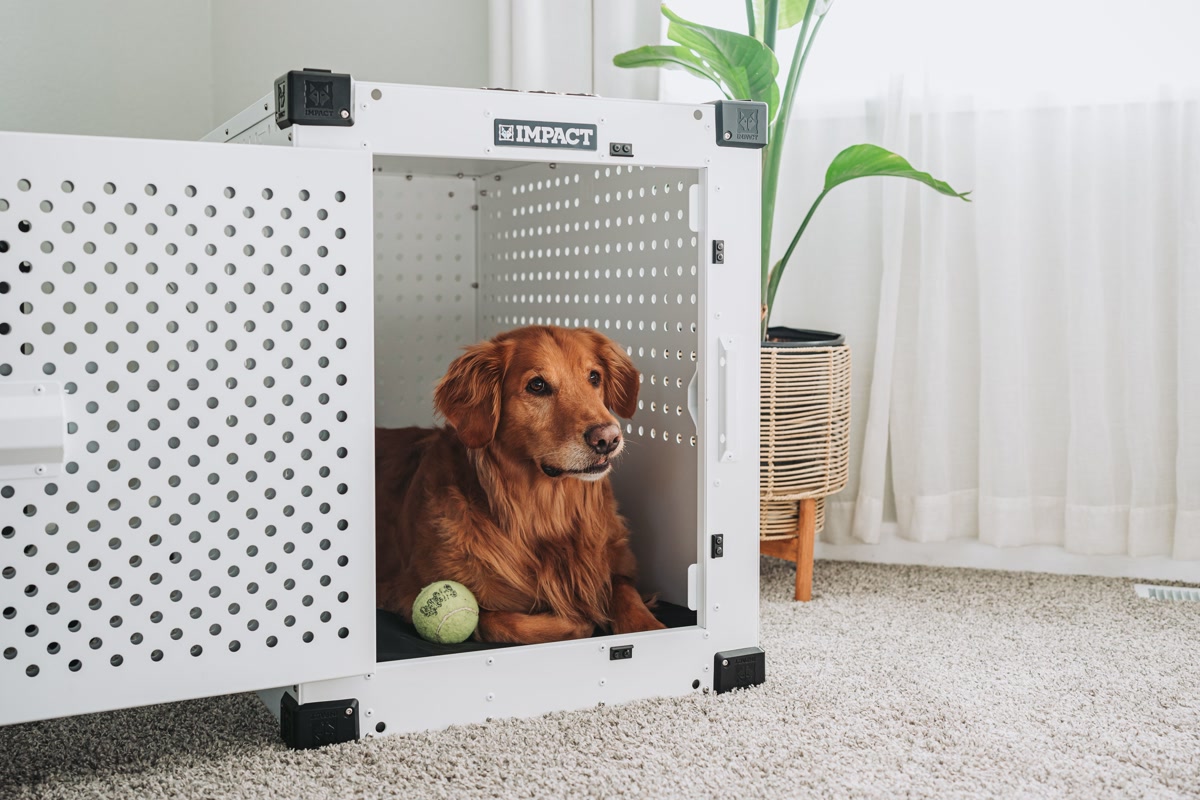
If you’re still thinking of crates as punishment, it’s time to flip that script. A good crate is your dog’s bedroom — a den they choose to retreat to when they want quiet, security, or just a nap away from the chaos of your house. Dogs are den animals by nature. The right crate taps into that instinct.
But here’s the thing: the wrong crate is worse than no crate at all. Too small and your dog can’t get comfortable. Too flimsy and an escape artist turns it into a puzzle toy. Too ugly and it becomes an eyesore you hide in the guest room instead of using daily.
We’ve tested, researched, and narrowed down the best dog crates of 2026 across every category — from budget wire crates that actually hold up, to furniture-style crates that blend into your living room, to heavy-duty fortresses for dogs who treat every enclosure as a challenge.
Quick Comparison: Best Dog Crates 2026
The Best Dog Crates, Reviewed
1. MidWest iCrate — Best Overall for Most Dogs

The MidWest iCrate has been the go-to recommendation for years, and the 2026 version keeps the crown for one simple reason: it nails the basics without overcomplicating things. The wire gauge is thick enough for most dogs, the fold-down design makes setup and storage trivial, and the included divider panel means you can size the crate for a growing puppy without buying a second one.
What makes it stand out:
- Single or double door configurations
- Divider panel included (huge for puppy training)
- Plastic pull-out tray for easy cleaning
- Folds flat in seconds — no tools needed
- Rubber feet to protect floors
The catch: For dogs over 90 pounds or determined escape artists, the wire gauge isn’t heavy enough. This is a containment crate, not a fortress.
Best for: Puppies, medium dogs, first-time crate owners who want reliable without overthinking it.
MidWest iCrate Single Door on Amazon
MidWest iCrate Double Door Starter Kit on Amazon
2. Frisco Fold & Carry — Best Budget Crate
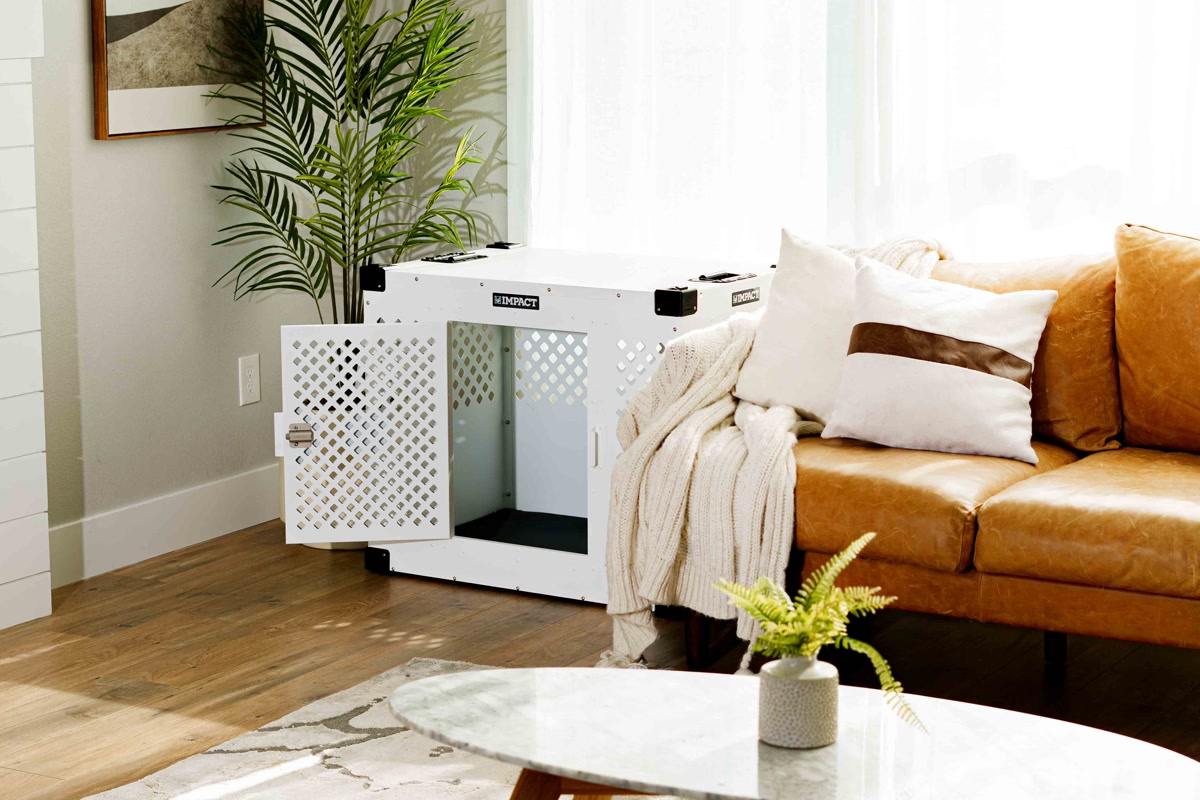
If the iCrate is the Honda Accord of dog crates, the Frisco Fold & Carry is the reliable used Civic — it does the job, costs less, and you won’t cry if it gets scratched. Frisco (Chewy’s house brand) makes a genuinely solid wire crate at a price that’s hard to beat.
What I like:
- Dual-door design on most sizes
- Folds flat for storage and transport
- Plastic pan included and removable
- Available in sizes up to 54″ for extra-large breeds
- Consistently the cheapest name-brand option
The catch: The wire is slightly thinner than the iCrate, so it’s more prone to bending if your dog is a chewer or leaner. The latch mechanism is functional but not as smooth as premium options.
Best for: Budget-conscious owners, temporary setups, dogs who don’t test their enclosures.
Frisco Fold & Carry Double Door Crate on Amazon
3. Impact Collapsible Crate — Best Heavy-Duty & Travel Crate
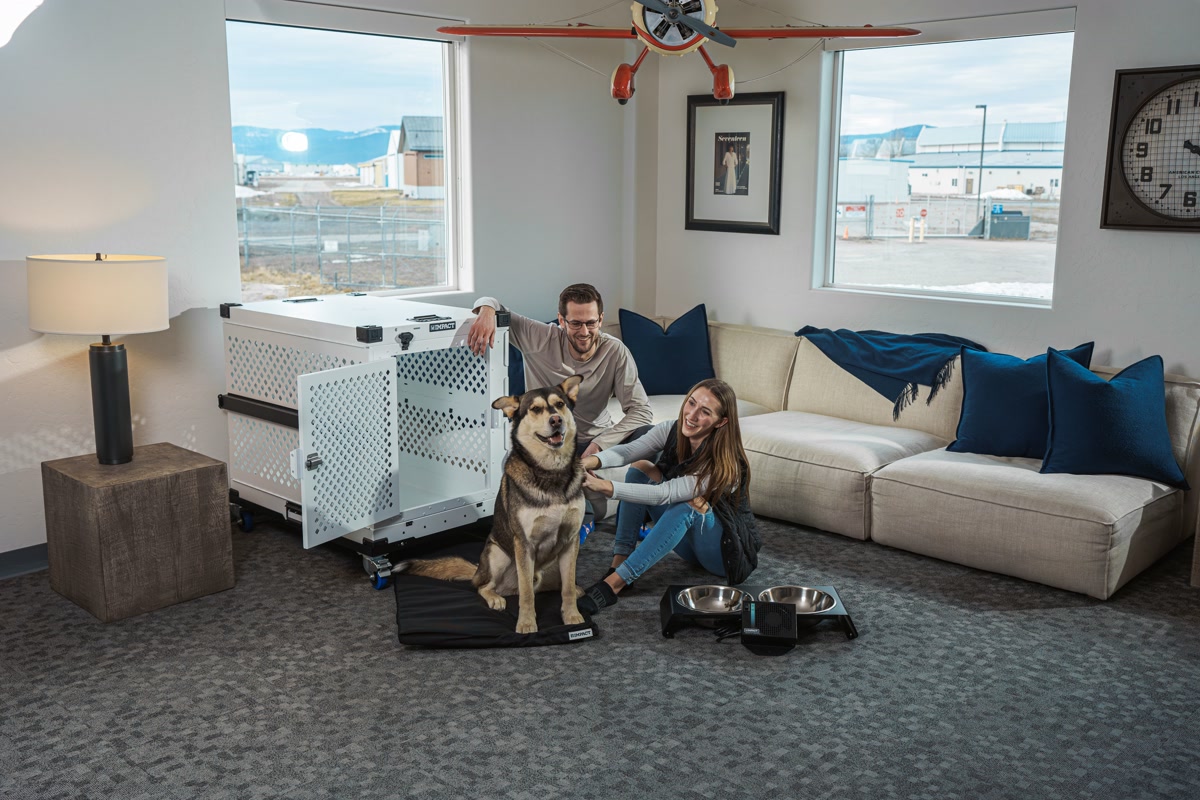
The Impact Collapsible is what you buy when your dog has destroyed three wire crates and you’re done playing games. Made from powder-coated aluminum with rivet-free construction, this crate is genuinely indestructible for 99% of dogs. It’s also one of the few heavy-duty crates that actually folds flat for storage — most competitors in this class are permanent installations.
What I like:
- Powder-coated aluminum — rust-proof and chew-proof
- Actually folds flat (most heavy-duty crates don’t)
- Positive-locking door latches
- Rubber feet protect floors
- 2-year warranty
The catch: At $250–$400, this is a serious investment. The weight (around 40–70 lbs depending on size) makes it less portable than wire crates. And if you don’t need heavy-duty, it’s overkill.
Best for: Escape artists, heavy chewers, anxious dogs who break out of standard crates, people who want a crate that outlasts the dog.
Impact Collapsible Dog Crate on Amazon
Impact High Anxiety Crate (XXL) on Amazon
4. EliteField Soft Crate — Best for Travel & Light Indoor Use
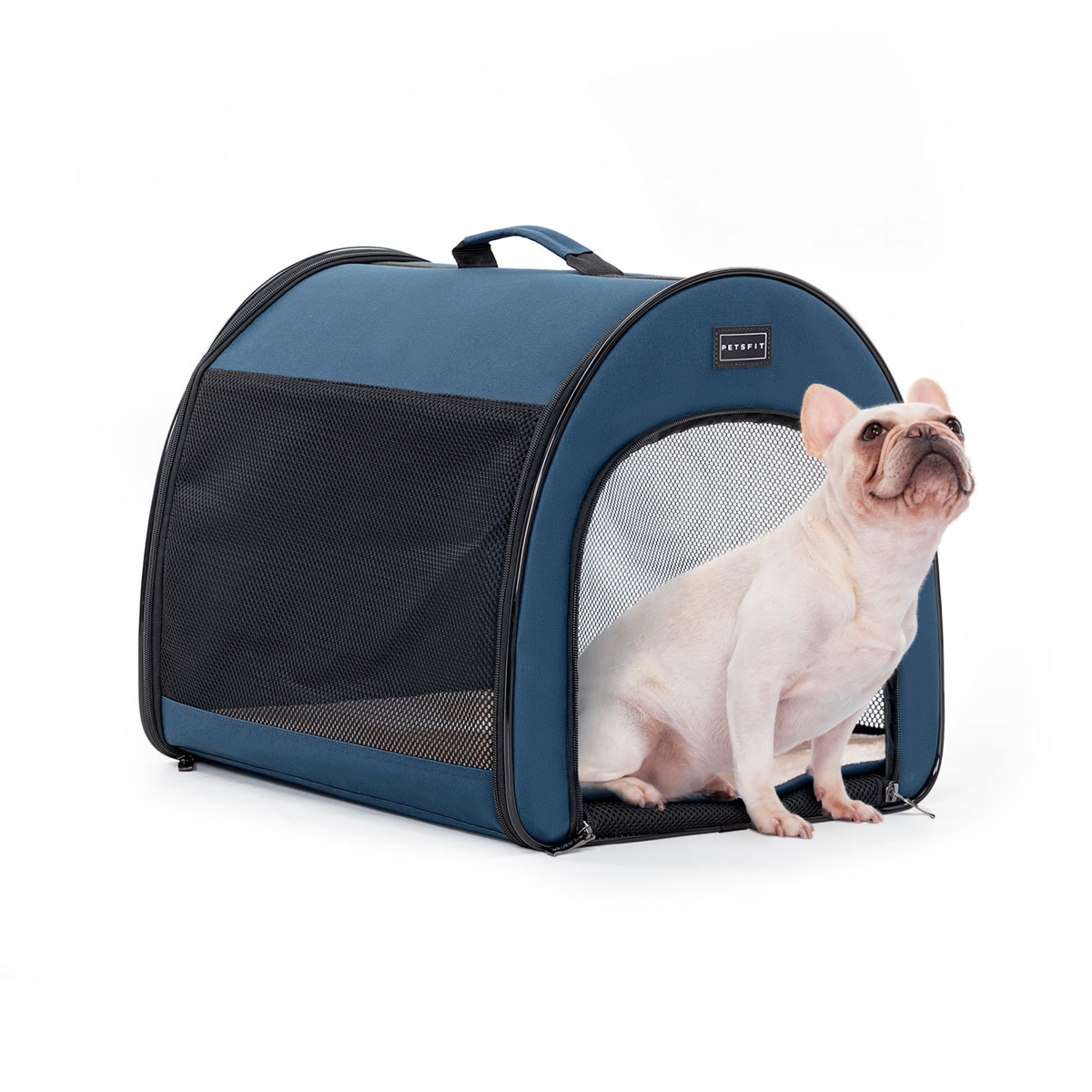
Soft crates are controversial in the dog world. Some people love them, some think they’re glorified tents. The EliteField earns its spot because it’s built tougher than most, with reinforced corners, a steel tube frame, and three access doors (four on larger sizes) that give you options for placement and airflow.
What I like:
- 3 or 4 doors for maximum access
- Mesh windows with roll-up shades for privacy
- Fleece bed included
- Carrying bag included
- Weighs under 10 lbs — genuinely portable
- 2-year warranty
The catch: No soft crate will hold a determined dog. If your dog scratches, chews, or pushes at the door, they’ll be out in under a minute. This is for dogs who are already crate-trained and just need a portable den.
Best for: Travel, camping, dog shows, vet visits, well-trained dogs who view crates as their space.
EliteField 3-Door Soft Dog Crate on Amazon
5. Richell End Table Crate — Best Furniture-Style Crate
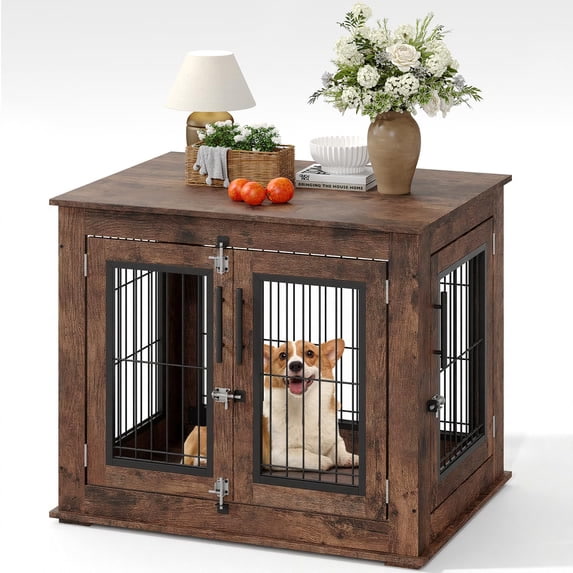
The Richell End Table Crate solves the biggest problem with crates: they’re ugly. This wooden enclosure looks like a piece of furniture because it is a piece of furniture. The slatted design provides airflow, the top works as a real end table, and the latch is actually secure (unlike many furniture crates that sacrifice function for form).
What I like:
- Real wood finish — actually looks good in a living room
- Functions as a genuine end table (holds lamps, books, drinks)
- Secure latch mechanism
- Available in multiple finishes to match your decor
- Removable wire door for open-den use
The catch: Limited size options — this only works for small and medium dogs. The wood surface can get scratched by determined chewers. And at $100–$200, it costs more than wire crates of the same size.
Best for: Small-to-medium dogs, apartment living, anyone who refuses to have an ugly crate in their living room.
Richell Wooden End Table Crate (Medium) on Amazon
6. Diggs Evolv — Best Modular Grow-With-Your-Pup Crate
The Diggs Evolv does something clever: it starts as a small crate and expands as your puppy grows. Instead of buying three crates for a growing dog, you buy one that adjusts. The snap-on ceiling panel converts between open-den mode and enclosed-crate mode, and the modular design means you can reconfigure the interior as needed.
What I like:
- Grows with your puppy — no need to replace as they grow
- Sleek, modern aesthetic that doesn’t scream “dog crate”
- Diamond-pattern mesh windows for ventilation
- Removable ceiling panel for den or open mode
- Compatible with Diggs Gro crate accessories
The catch: Only available in small and medium sizes. The plastic shell can feel less substantial than wire or aluminum. And the price ($150–$250) is high for a plastic crate.
Best for: Puppy owners who want one crate to last through the growth phase, design-conscious households.
Diggs Evolv Dog Crate on Amazon
How to Choose the Right Crate Size

Size is the single most important factor. Get it wrong and your dog won’t use the crate — or worse, they’ll hurt themselves trying.
The rule: Your dog should be able to stand up without hunching, turn around completely, and lie down stretched out. Measure from the nose to the base of the tail while standing, then add 2–4 inches. That’s your minimum crate length.
Weight guidelines by crate size:
- XS (18″–22″): Dogs up to 12 lbs (Chihuahua, Maltese, Pomeranian)
- S (24″): Dogs 12–25 lbs (Shih Tzu, French Bulldog, Boston Terrier)
- M (30″): Dogs 25–40 lbs (Beagle, Corgi, Cocker Spaniel)
- L (36″): Dogs 40–70 lbs (Border Collie, Australian Shepherd, Pit Bull)
- XL (42″): Dogs 70–90 lbs (Labrador, German Shepherd, Golden Retriever)
- XXL (48″+): Dogs 90+ lbs (Great Dane, Mastiff, Saint Bernard)
Puppy tip: Buy the crate size your dog will grow into, then use a divider panel to shrink the space. Puppies in too-large crates will eliminate in one corner and sleep in the other — the opposite of what you want.
Wire vs Soft vs Heavy-Duty: Which Crate Type?
Wire crates (MidWest iCrate, Frisco Fold & Carry) are the most versatile. Good airflow, fold flat, include dividers, and work for 80% of dogs. Start here unless you have a specific reason not to.
Soft crates (EliteField) are for travel and well-trained dogs only. Lightweight, portable, easy to set up — and completely useless against a dog who scratches, chews, or pushes. If your dog is crate-trained and calm, these are fantastic for camping, hotels, and road trips.
Heavy-duty crates (Impact Collapsible, Slivery) are for dogs who destroy things. Aluminum or thick-gauge steel, secure latches, and built to take punishment. If your dog has broken out of a wire crate — even once — skip the middle ground and go straight to heavy-duty.
Furniture crates (Richell, Diggs) are for the house-proud. They look great, function as real furniture, and keep your dog contained in style. Just know that they’re limited to small-to-medium dogs and aren’t portable.
Crate Training Tips That Actually Work
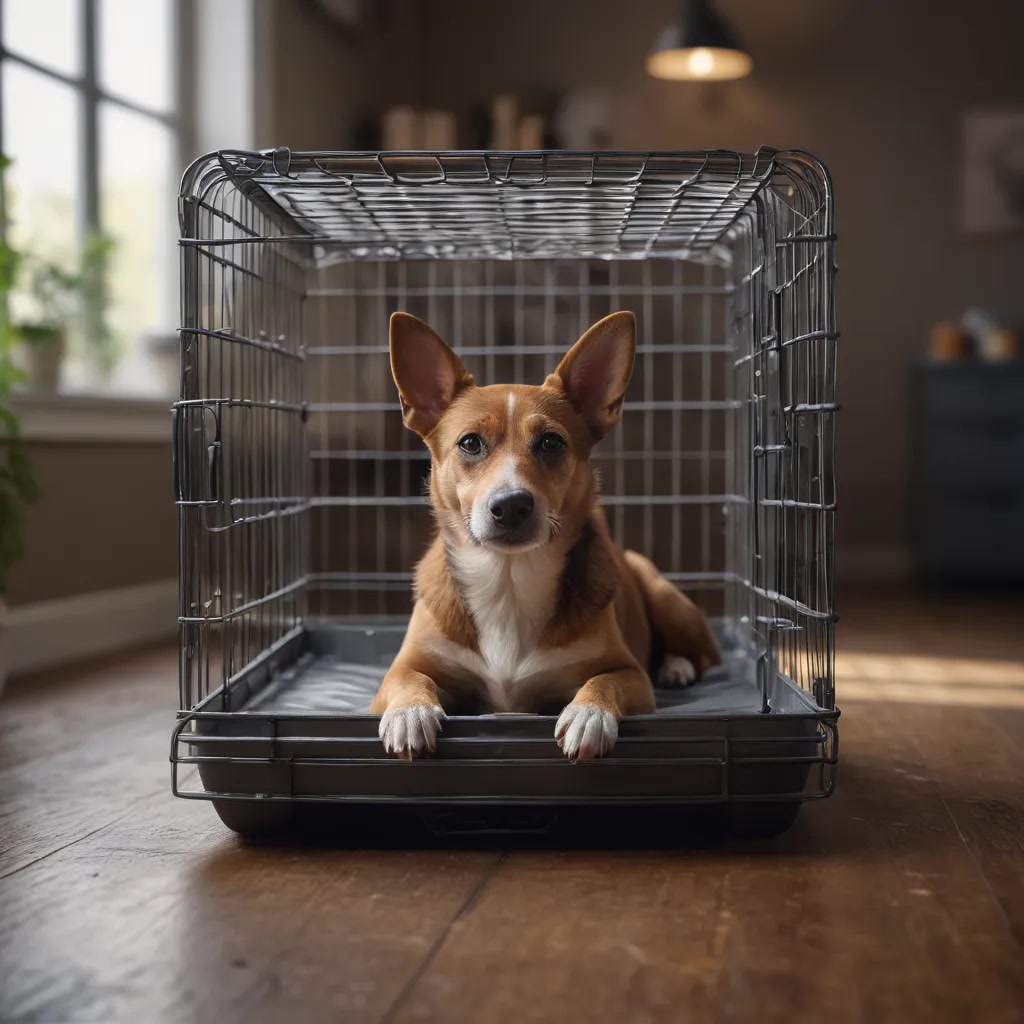
1. Never use the crate as punishment. The crate should be your dog’s safe space. If you banish them there for misbehaving, they’ll associate it with negative consequences and fight you every time.
2. Start with the door open. Toss treats, toys, and meals inside. Let your dog explore on their terms. Close the door for 30 seconds, then gradually increase. Rush this and you’ll create a dog who panics in the crate.
3. The right crate pad makes a huge difference. A bare metal floor is uncomfortable and cold. Line the crate with a washable pad — I like the FurHaven Reversible Crate Pad ) for the water-resistant top and non-slip bottom.
4. Cover the crate for anxious dogs. A crate cover creates a den-like environment that reduces visual stimulation. Most wire crates sell matching covers, or a cheap blanket works too.
5. Gradual alone time. Once your dog is comfortable in the crate, step out of the room for 30 seconds. Return before they whine. Build up to 5, 10, 30 minutes. This is where most people fail — they leave too soon, too long.
Common Crate Mistakes (And How to Avoid Them)
Mistake 1: Buying too small. A crate that’s too tight causes anxiety and prevents your dog from settling. Measure first, buy second.
Mistake 2: Skipping the divider for puppies. Too much space encourages elimination inside the crate. Use the divider to create a cozy space, then expand as your pup grows.
Mistake 3: Leaving a dog crated too long. Adult dogs can handle 4–6 hours. Puppies under 6 months should be crated no more than 2–3 hours at a time. If you work full-time, hire a midday dog walker or use a playpen instead.
Mistake 4: Choosing a soft crate for an untrained dog. Soft crates are for dogs who like their crate. If your dog isn’t crate-trained, start with wire. Always.
Mistake 5: Putting the crate in isolation. Dogs are social. Place the crate in the room where your family spends time. Being nearby reduces anxiety and helps your dog accept the crate faster.
Shop This Post
Every product mentioned in this guide, with direct Amazon links:
- MidWest iCrate Single Door (42″)
- MidWest iCrate Starter Kit (42″)
- Frisco Fold & Carry Double Door Crate
- Impact Collapsible Dog Crate (Aluminum)
- Impact High Anxiety Crate (XXL)
- EliteField 3-Door Soft Dog Crate
- Richell Wooden End Table Crate (Medium)
- Diggs Evolv Dog Crate
- FurHaven Reversible Crate Pad
Related Reading
- Best Dog Beds 2026: Orthopedic, Cooling, and Indestructible
- Best Dog Harnesses 2026: No-Pull, Comfort, and Everyday Picks
- Essential Dog Gear for Apartment Living
n
GearHound is reader-supported. When you buy through links on this site, we may earn an affiliate commission at no extra cost to you.
⛺ Get Your Free Camping with Your Dog Checklist
Join our newsletter and get this free printable plus weekly tips.
Price Check
Prices verified via our product tracker. Updated Sep 27.
| Amazon.com : Midwest 42-Inch Single Door iCrate, for Large | $97.99 | 4.7★ (110,860) |
| Amazon.com : MidWest Homes for Pets Double Door iCrate Sta | $137.59 | 4.8★ (13,719) |
| Amazon.com : Impact Collapsible Dog Crate - Heavy Duty Tra | $670.80 | 4.5★ (128) |
| Amazon.com : Impact High Anxiety Dog Crate - Escape Proof | $986.69 | 4.2★ |
| Amazon.com : EliteField 3-Door Soft Dog Crate with Bed & C | $79.99 | 4.5★ (13,114) |
| Amazon.com : Richell Wooden End Table Crate, Medium, Dark | $300.00 | 4.3★ (210) |
| Amazon.com : Diggs Evolv Modular Dog Crate for Dogs Up to | $299.00 | 4.2★ (214) |
| Amazon.com : Furhaven Water-Resistant Dog Bed for Medium/S | $5.00 | 4.0★ (1,731) |
As an Amazon Associate we earn from qualifying purchases.