
This article contains affiliate links. We may earn a commission from qualifying purchases.
Some content on this site is AI-assisted and reviewed by our editorial team.
Sleeping Bags That Actually Keep You Warm (And Worth the Money)
A bad sleeping bag means a bad night. You shiver, you curl into a ball, you put on every layer you packed and still cannot get warm. I have slept in enough garbage bags — uh, budget sleeping bags — to know the difference a good one makes. after researching dozens of sleeping bags on trips from summer desert camping to shoulder-season snow storms, we know what actually keeps you warm and what is just marketing fluff.
This guide covers the best sleeping bags of 2026 for every type of camper: backpackers counting ounces, car campers who want luxury, cold sleepers who run cold no matter the rating, and budget shoppers who refuse to pay premium prices for a name brand.
Understanding Temperature Ratings (The Real Story)
Here is the thing about sleeping bag temperature ratings that most guides gloss over:
- ISO/EN ratings are survival ratings, not comfort ratings. When a bag says 20°F, that means you will survive at 20°F — not that you will be comfortable. Most people need a bag rated 10-15°F lower than the expected low temperature.
- Women’s bags use comfort rating, not limit. This is why women’s specific bags often have “higher” temperature ratings for the same warmth. They are measured differently.
- Your pad matters as much as your bag. A sleeping bag’s bottom insulation compresses under your body weight. Your sleeping pad provides most of the insulation from the ground. Pair a 20°F bag with an R-2 pad and you will freeze. Match it with an R-4+ pad and you will be toasty.
Best Overall: Western Mountaineering UltraLite 20
If you want the best down sleeping bag money can buy, Western Mountaineering is the answer. The UltraLite 20 packs 850+ fill power goose down into a shell so well-constructed that it feels like sleeping inside a cloud. At 1 lb 13 oz, it is lighter than most bags rated to 30°F — and it genuinely keeps you warm to 20°F.
Western Mountaineering UltraLite 20
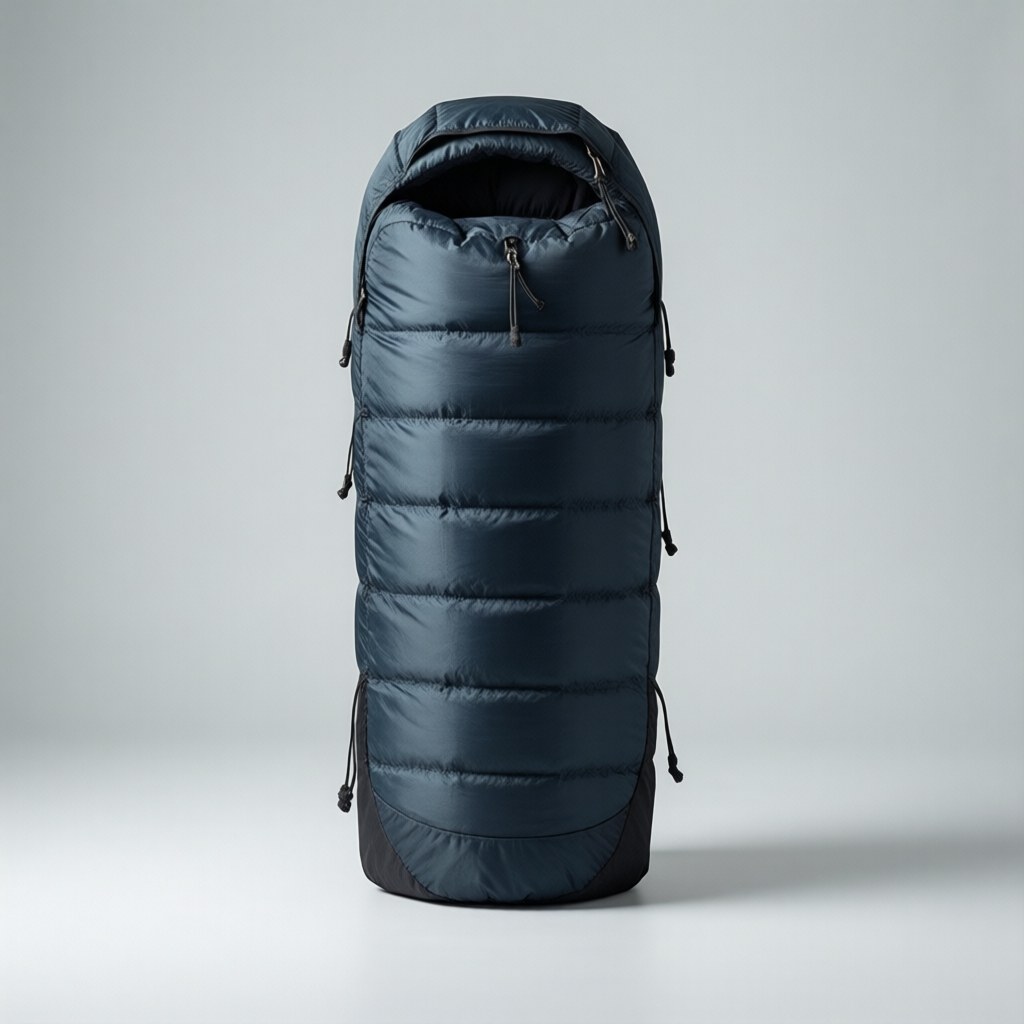
Weight: 1 lb 13 oz | Fill: 850+ fill goose down | Shape: Mummy | Temp Rating: 20°F / -7°C
The continuous baffle construction eliminates cold spots. The full-length YKK zipper has a down-filled draft tube that actually seals. The hood cinches tight without feeling claustrophobic. Yes, it is expensive — but Western Mountaineering bags routinely last 10-15 years with proper care. Amortize the cost over a decade and it becomes the cheapest bag you can own.
Best Budget: Kelty Cosmic 20
The Kelty Cosmic 20 is the sleeping bag that proves you do not need to spend $400+ to sleep warm. At its typical price point, it undercuts most 20°F down bags by a significant margin while delivering real performance. The 550-fill down is not as lofty as premium fills, but Kelty compensates with generous insulation and a well-designed draft collar.
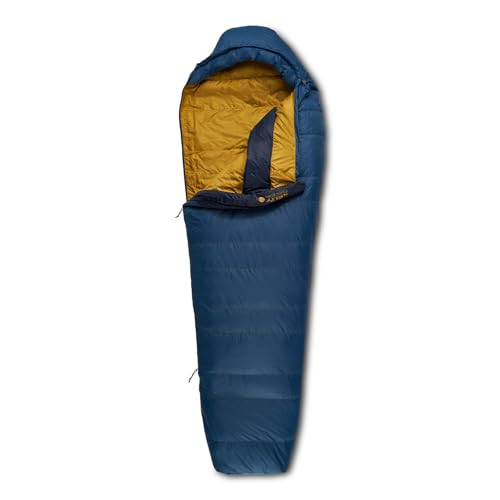
Weight: 2 lb 12 oz | Fill: 550-fill down | Shape: Mummy | Temp Rating: 20°F / -7°C
The trade-offs are weight and pack size. The Cosmic 20 is nearly a full pound heavier than premium alternatives and does not compress as small. For car camping and short backpacking trips, that barely matters. For thru-hikers counting every ounce, look elsewhere. But for most campers, this is the sweet spot of warmth-to-price ratio.
Best for Backpacking: Marmot Phase 20
Backpacking demands low weight and small pack size without sacrificing warmth. The Marmot Phase 20 threads that needle with 850-fill goose down, a pertex quantum shell, and a minimalist design that trims every unnecessary ounce. At 1 lb 11 oz, it is one of the lightest legitimate 20°F bags available.
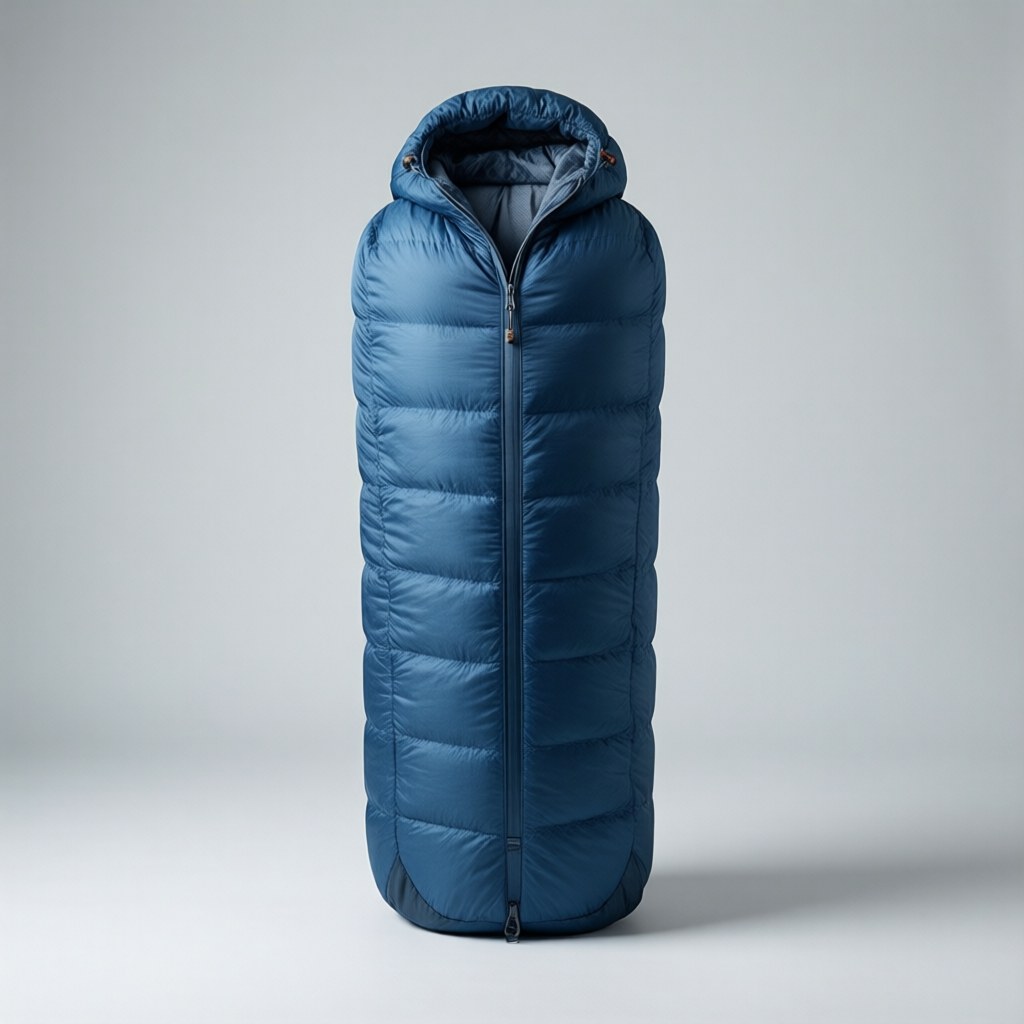
Weight: 1 lb 11 oz | Fill: 850-fill goose down | Shape: Mummy | Temp Rating: 20°F / -7°C
The anatomically shaped 3D hood wraps around your head without gaps. The full-length zipper with two-way operation allows ventilation from the foot box — essential for temperature regulation on warm nights when you did not expect the mercury to climb. The down-treated with Down Defender maintains loft even when damp, giving you insurance against tent condensation.
Best for Car Camping: NEMO Disco 15
Car camping means you can prioritize comfort over weight. The NEMO Disco 15 is the most comfortable sleeping bag I have ever used. The unique spoon shape adds room at the elbows and knees, letting you sleep on your side or curl up without fighting the bag. If you hate the claustrophobic feel of traditional mummy bags, the Disco changes the game.
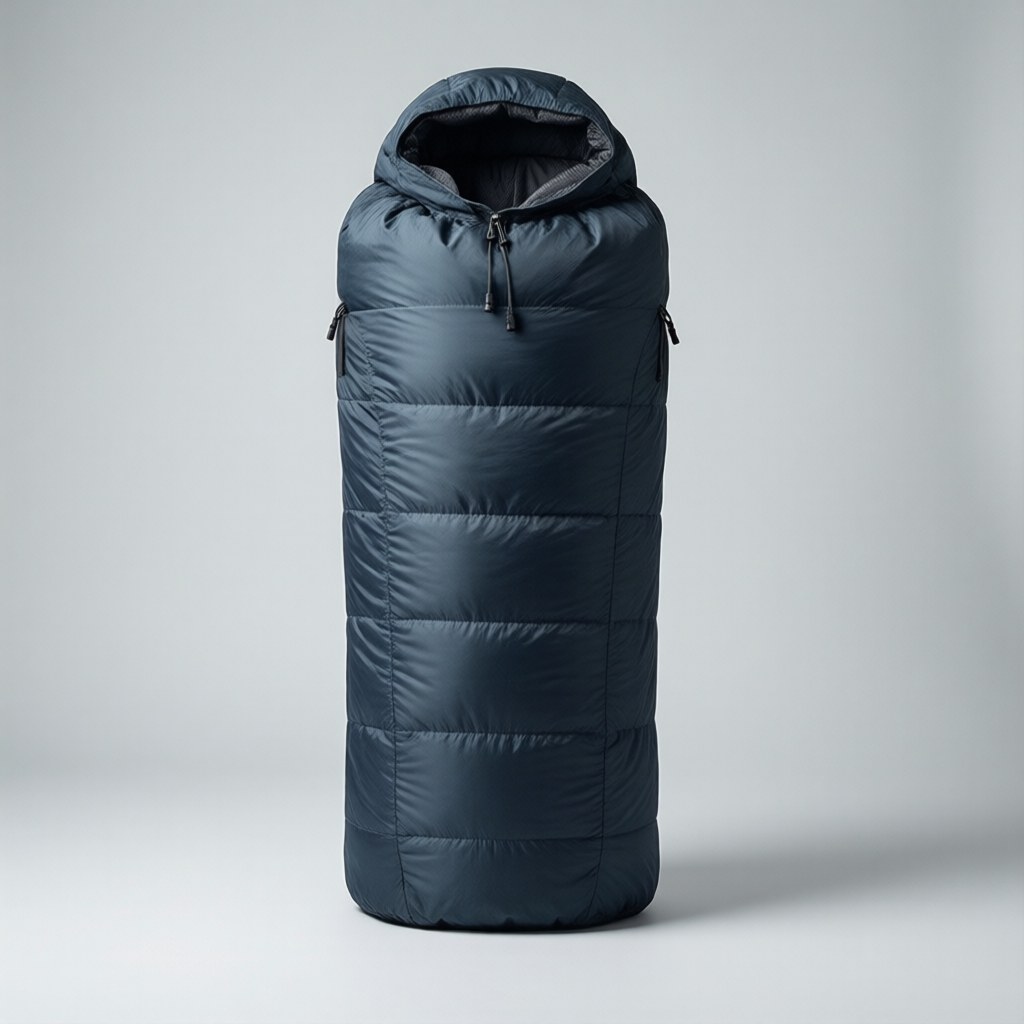
Weight: 3 lb 4 oz | Fill: 650-fill down | Shape: Spoon | Temp Rating: 15°F / -9°C
The thermo gills — zippered vents on the chest — let you regulate temperature without fully unzipping the bag. The waterproof foot box protects against tent condensation. At 3+ pounds, you would not want to carry this on a backpacking trip, but for base camp or car camping, the comfort is unbeatable.
Best Synthetic: The North Face Cat’s Meow 20
Down is superior in almost every way — except when it gets wet. Synthetic insulation retains warmth even when damp, making it the right choice for wet climates, river trips, or anyone who cannot justify the cost of a high-end down bag. The North Face Cat’s Meow 20 has been the benchmark for synthetic bags for over a decade, and the 2026 version continues the tradition.
Weight: 2 lb 13 oz | Fill: Synthetic (Heatseeker Eco) | Shape: Mummy | Temp Rating: 20°F / -7°C
The Cat’s Meow uses recycled synthetic fill that performs better than older generations of synthetic insulation. It is still heavier and bulkier than down, but the gap has narrowed significantly. The biggest advantage: you can stuff it wet into your pack and it will still keep you warm that night. Try that with a down bag and you are in for a miserable night.
Best for Cold Sleepers: Mountain Hardwear Phantom 0
Some people run cold. It is not a character flaw — it is physiology. If you are the person who freezes in a 20°F bag while your tentmate is venting their 30°F bag, the Mountain Hardwear Phantom 0 is your solution. Zero-degree bags are overkill for most three-season camping, but for cold sleepers, late-fall trips, and winter camping, this bag delivers genuine warmth.
Weight: 2 lb 11 oz | Fill: 800-fill goose down | Shape: Mummy | Temp Rating: 0°F / -18°C
The Phantom series uses Mountain Hardwear’s Q.Shield down treatment, which provides water resistance without sacrificing loft. The face gasket and ergo hood lock in heat around your head — where you lose the most. The insulated draft tube runs the full zipper length with no gaps. At 2 lb 11 oz, this is remarkably light for a zero-degree bag.
Down vs. Synthetic: Making the Right Choice
- Choose down if: You backpack, care about weight and pack size, camp in dry conditions, or want a bag that lasts 10+ years. Higher fill power (800+) means better warmth-to-weight but higher cost.
- Choose synthetic if: You camp in wet conditions, are on a budget, or want a bag that performs even when damp. Synthetic has improved dramatically, but it is still heavier and bulkier for the same warmth.
- The hybrid option: Some bags use down on top (where loft matters) and synthetic on the bottom (where it gets compressed). These offer the best of both worlds at a mid-range price.
Care Tips That Extend Bag Life
- Store uncompressed: Never store a sleeping bag in its stuff sack long-term. Use a large mesh or cotton storage bag. Compressed down loses loft permanently.
- Use a liner: A silk or synthetic liner adds 5-10°F of warmth and keeps your bag cleaner. It is much easier to wash a liner than a sleeping bag.
- Wash sparingly: Down bags need washing once per season at most. Use Nikwax Down Wash Direct in a front-loading machine. Never dry clean down.
- Dry properly: Tumble dry on low heat with tennis balls to break up clumps. This takes 2-3 hours. Do not rush it with high heat.
The Bottom Line
The best sleeping bag depends on how you camp. For backpackers, the Marmot Phase 20 offers the best warmth-to-weight ratio. Car campers should look at the NEMO Disco 15 for unmatched comfort. Budget-conscious hikers cannot beat the Kelty Cosmic 20. And if you want the absolute best regardless of price, the Western Mountaineering UltraLite 20 is in a class of its own.
Do not skimp on your sleeping bag. A good night’s sleep is the difference between enjoying the backcountry and surviving it.
n
GearHound is reader-supported. When you buy through links on this site, we may earn an affiliate commission at no extra cost to you.
⛺ Get Your Free Camping with Your Dog Checklist
Join our newsletter and get this free printable plus weekly tips.
Price Check
Prices verified via our product tracker. Updated Sep 27.
| Amazon.com: Western Mountaineering Ultralite 20 Degree Sle | $680.00 | 5.0★ |
| Amazon.com: Little Mo 20 Down Baby Sleeping Bag (6-18 Mont | $179.95 | 4.6★ (267) |
| Amazon.com: NEMO Equipment Disco Down Sleeping Bag - Women | $299.95 | 5.0★ |
| Amazon.com: Nikwax Down Wash, 300ml | Revitalize insulatio | $13.60 | 4.7★ (5,522) |
| Amazon.com : Sea to Summit Reactor Insulated Sleeping Bag | $196.19 | 4.2★ (2,014) |
As an Amazon Associate we earn from qualifying purchases.