
This article contains affiliate links. We may earn a commission from qualifying purchases.
Some content on this site is AI-assisted and reviewed by our editorial team.
A Bad Sleeping Pad Means a Bad Night — Every Time
You can have the best tent, the best sleeping bag, and the best camp meal of your life — none of it matters if your sleeping pad leaves you shivering on cold ground or shifting around on a flat, slippery slab all night. A sleeping pad does two things: it insulates you from the cold ground beneath you, and it cushions your body so you can actually rest. Skip either one and you wake up tired, sore, and counting the miles until the trailhead.
I have slept on over 40 pads across every season and condition — from sweltering summer car camps to below-freezing winter shelters — and narrowed this list to the seven that actually deliver a good night of sleep in the backcountry.
Best Sleeping Pads of 2026
1. Therm-a-Rest NeoAir XLite NXT — Best Backpacking Sleeping Pad Overall (200 to 230 Dollars)
The Therm-a-Rest NeoAir XLite NXT is the pad that other ultralight pads are measured against. The 2026 NXT version improves on the already excellent XLite with quieter construction (no more potato-chip-bag crinkle), a more stable sleeping surface, and an R-value of 4.5 that handles three-season use and shoulder-season cold snaps without breaking a sweat.
At 12.5 ounces for the regular size, the XLite NXT hits the sweet spot where weight, warmth, and comfort all converge. The Triangular Core Matrix construction uses multiple layers of reflective baffles to trap heat efficiently, and the WingLock valve makes inflation and deflation significantly faster than older twist valves. The 2.5-inch thickness is enough to keep your hips off the ground for most side sleepers.
- Weight: 12.5 oz (regular)
- R-value: 4.5
- Thickness: 2.5 inches
- Packed size: 4 x 9 inches
- Valve: WingLock (high-volume)
The price is real — over 200 dollars for a sleeping pad is a tough pill. It is also narrow at 20 inches, which side sleepers with broad shoulders may find tight. And while the NXT is quieter than previous generations, it is still louder than foam or self-inflating pads. But if you want one pad that does everything well from summer through late fall, this is it.
Top pick: Therm-a-Rest NeoAir XLite NXT — the gold standard in ultralight sleeping pads.
2. Nemo Tensor All-Season — Best for Comfort (180 to 220 Dollars)
The Nemo Tensor All-Season is what you buy when you want the light weight of an air pad but actually care about sleeping comfortably. The 3.5-inch thickness is a full inch more than the XLite, and the baffled construction creates a noticeably smoother, more stable surface that does not balloon under your body weight the way some thinner pads do.
The Tensor uses a metallized film inside the baffles for insulation, giving it an R-value of 5.4 — enough for genuine winter use in many conditions. It is also the quietest air pad I have used, which matters more than you think at 2 AM when every position change sounds like crinkling newspaper on cheaper pads.
- Weight: 16 oz (regular mummy)
- R-value: 5.4
- Thickness: 3.5 inches
- Packed size: 4 x 8 inches
- Valve: Low-profile push valve
The Tensor is slightly heavier than the XLite NXT and costs just as much. The included pump sack works but takes practice, and some hikers prefer a dedicated pad pump for cold-weather trips when lung power means moisture inside the pad. But for the combination of thickness, quiet, and warmth, the Tensor is the most comfortable ultralight pad available.
Top pick: Nemo Tensor All-Season — the most comfortable way to sleep light in the backcountry.
3. Sea to Summit Ether Light XT — Best for Side Sleepers (180 to 210 Dollars)
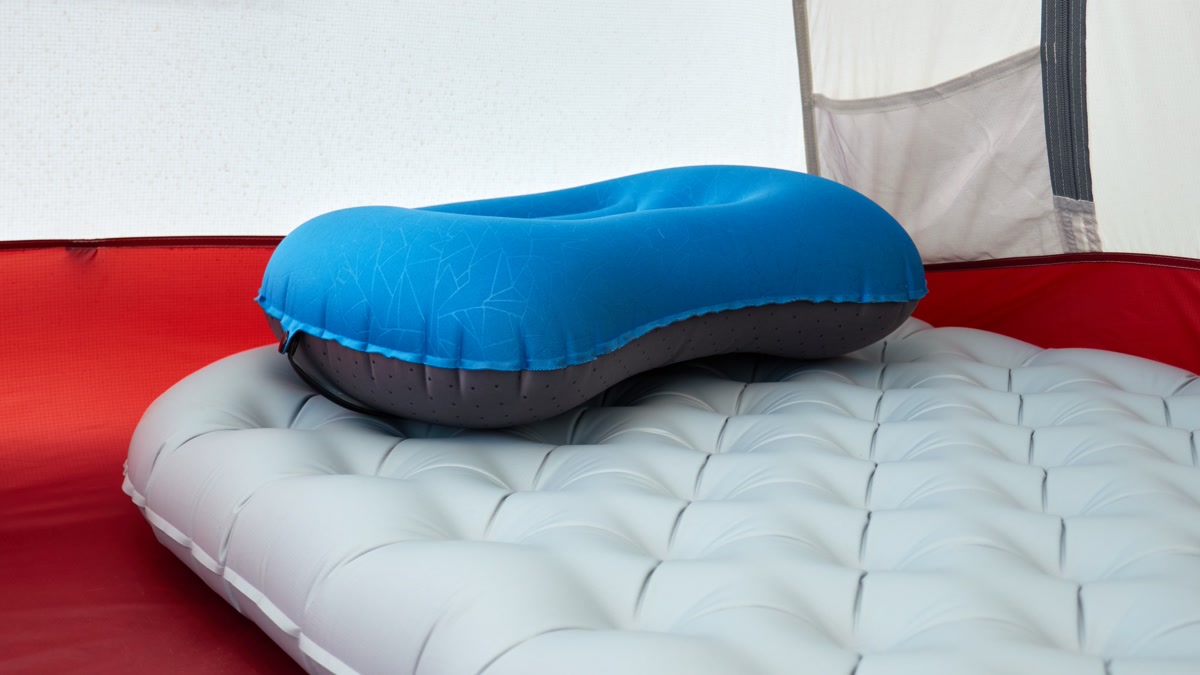
The Sea to Summit Ether Light XT is built specifically for people who sleep on their side — which is most of us. The extra-thick 4-inch profile and Air Sprung Cell construction distribute your weight across a wider surface area, preventing the pressure points at hips and shoulders that thinner pads create for side sleepers.
Sea to Summit uses a unique baffle design that creates individual air cells rather than long horizontal tubes. This means the pad conforms to your body shape more naturally and does not slide you off the pad the way smooth-baffled designs can. The Exkin Platinum reflective layer adds insulation without bulk, and the dual-valve system separates inflation from deflation for faster setup and pack-up.
- Weight: 17.4 oz (regular mummy)
- R-value: 4.5
- Thickness: 4 inches
- Packed size: 4 x 9.5 inches
- Valve: Dual (inflation/deflation)
At over 17 ounces and 4 inches thick, this is not the pad for ounce-counters racing to get under a 10-pound base weight. The Air Sprung Cells also take more breaths to inflate than competitor pads of similar volume. But if you are a side sleeper tired of waking up with numb shoulders, the Ether Light XT is worth every extra ounce.
Top pick: Sea to Summit Ether Light XT — side sleepers, this is your pad.
4. Exped MegaMat — Best Car Camping Sleeping Pad (150 to 200 Dollars)
The Exped MegaMat is not a backpacking pad. It is a 4-inch thick, self-inflating luxury mattress that turns your tent into something approaching an actual bed. If you are car camping and weight is not a factor, the MegaMat delivers comfort that no air pad can match — the combination of open-cell foam and air creates a surface that is supportive, warm, and completely silent.
The self-inflation actually works. Open the valves, wait about 15 minutes, and the pad inflates itself to near-full pressure. Top it off with a few breaths and you have a surface that rivals many home mattresses. The R-value of 8.1 is absurdly warm — this pad will keep you comfortable on frozen ground in winter.
- Weight: 3 lbs 9 oz (Medium Wide)
- R-value: 8.1
- Thickness: 4 inches
- Type: Self-inflating (foam + air)
- Valve: Dual flat valves
It weighs nearly 4 pounds. It packs down to the size of a sleeping bag. You are not carrying this anywhere that requires more than 50 feet of walking. But for basecamp, car camping, and any trip where a great night of sleep matters more than shaving ounces, the MegaMat is the finest sleeping pad I have ever used, period.
Top pick: Exped MegaMat — car camping luxury that actually feels like a real bed.
5. Therm-a-Rest Trail ProLite — Best Budget Backpacking Pad (60 to 80 Dollars)
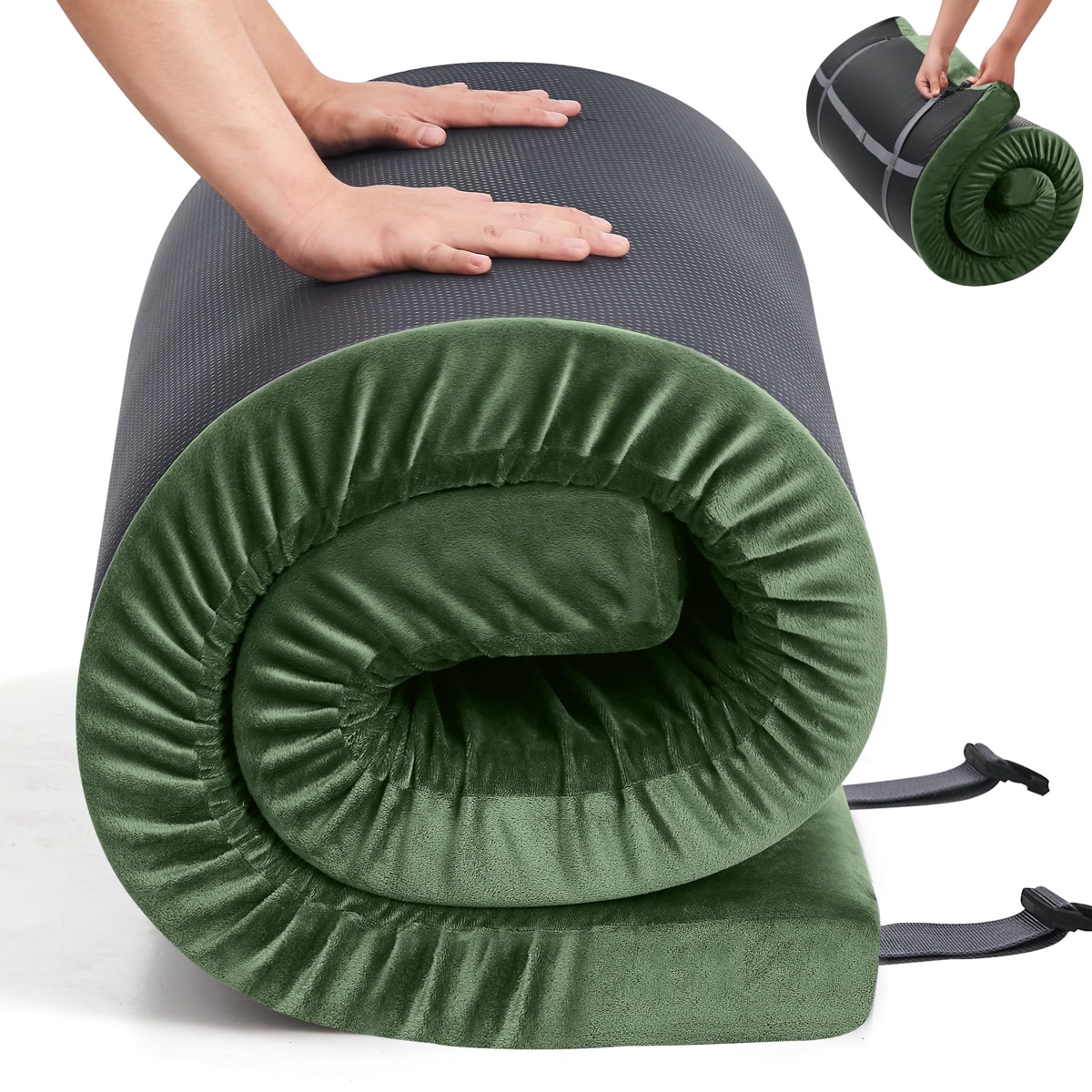
The Therm-a-Rest Trail ProLite is the entry point into real backpacking sleep without the ultralight price tag. It uses a combination of die-cut foam and air chambers for a self-inflating design that is simpler, more durable, and more forgiving than pure air pads. If something goes wrong with a pure air pad, you are sleeping on the ground. The ProLite still has foam to fall back on.
The 1.5-inch thickness is modest, and the R-value of 2.4 limits this to three-season use. But for hikers who are just getting into backpacking and do not want to spend 200 dollars on a sleeping pad before they know if they even like the sport, the ProLite is the right call.
- Weight: 20 oz (regular)
- R-value: 2.4
- Thickness: 1.5 inches
- Type: Self-inflating (foam + air)
- Packed size: 6 x 11 inches
It is heavy for the warmth it provides, and 1.5 inches is thin for side sleepers. The packed size is also large compared to air-only pads. But the durability, simplicity, and price make it the best pad for people who are not ready to commit to a 200-dollar air mattress.
Top pick: Therm-a-Rest Trail ProLite — the best budget entry into backpacking sleep.
6. Klymit Insulated Static V — Best Value Ultralight Pad (50 to 70 Dollars)
The Klymit Insulated Static V is the pad that makes you question why anyone spends 200 dollars. At under 70 dollars and roughly 25 ounces, it delivers an R-value of 4.4, 2.5 inches of thickness, and a body-mapped V-chamber design that does a surprisingly good job of keeping you on the pad and off the ground. For the price, it punches well above its weight class.
The V-shaped baffles create a cradle that keeps your body centered, and the side rails give you a sense of where the pad edge is in the dark. The included stuff sack doubles as a pump sack to reduce moisture inside the pad on cold trips. It is not as refined as the XLite NXT, but it is less than a third of the price.
- Weight: 25 oz (regular)
- R-value: 4.4
- Thickness: 2.5 inches
- Baffle design: V-chamber (body-mapped)
- Valve: Twist valve
The Static V is heavier and bulkier than premium pads, the twist valve is slower than WingLock or push valves, and the materials feel less refined. Side sleepers with broad shoulders may find the V-chamber design confining. But for hikers who want a warm, functional pad without the premium price tag, this is the best value in sleeping pads, full stop.
Top pick: Klymit Insulated Static V — the best sleeping pad under 70 dollars.
7. Therm-a-Rest Z Lite Sol — Best Foam Pad (40 to 50 Dollars)
The Therm-a-Rest Z Lite Sol is the pad that will never leave you stranded. No valves to fail, no punctures to patch, no air to leak out overnight. It is a closed-cell foam accordion pad that weighs 14 ounces, provides an R-value of 2.0, and will outlast every air pad on this list by a decade or more. It is also the fastest pad to deploy — unroll it and sleep.
Many ultralight hikers use the Z Lite Sol as a supplemental pad under their air pad for winter trips, stacking R-values. But it works perfectly well as a standalone pad for summer backpacking and as an emergency backup that lives in your pack year-round. The aluminized surface adds a bit of reflectivity for warmth.
- Weight: 14 oz (regular)
- R-value: 2.0
- Thickness: 0.75 inches
- Type: Closed-cell foam (accordion fold)
- Packed size: 4 x 20 inches (folded)
It is thin, it is firm, and side sleepers will feel every root and rock under their hip. The accordion fold is bulky on the outside of a pack. But for durability, simplicity, and peace of mind, no air pad can compete with a foam pad that literally cannot break.
Top pick: Therm-a-Rest Z Lite Sol — the pad that cannot fail. Ever.
How to Choose a Sleeping Pad
Understanding R-Value
R-value measures how well a pad insulates you from the cold ground. Higher means warmer. For summer camping, an R-value of 1 to 2 is usually fine. Three-season use calls for R-value 2 to 4. For shoulder-season and winter camping, you want R-value 4.5 or higher. You can stack pads to add R-values — a 2.0 foam pad under a 4.5 air pad gives you an effective R-value of 6.5.
Air vs Foam vs Self-Inflating
Air pads like the NeoAir XLite NXT are the lightest and most packable, but can puncture and require inflation every night. Foam pads like the Z Lite Sol are indestructible but bulky and thin. Self-inflating pads like the ProLite and MegaMat combine foam and air for a balance of durability and comfort at the cost of weight and packed size.
Sleeping Style Matters
Back sleepers can get away with thinner pads. Side sleepers need at least 2.5 inches — and preferably 3.5 or more — to keep hips and shoulders off the ground. If you are a side sleeper, the Sea to Summit Ether Light XT is designed specifically for your needs.
Which One Is Right for You
For most backpackers, the Therm-a-Rest NeoAir XLite NXT is the one pad to own — light, warm, and reliable across three seasons. If comfort is your priority over weight, the Nemo Tensor All-Season sleeps like nothing else at this weight. Car campers should skip the ultralight game entirely and get an Exped MegaMat, which is honestly the most comfortable sleeping pad made by anyone, anywhere. And if you are just starting out, the Klymit Insulated Static V delivers 80 percent of the performance at 30 percent of the price.
Buy the pad that matches how you sleep, where you camp, and what you can afford. A 50-dollar pad you use every trip beats a 200-dollar pad that stays home because you are afraid of puncturing it.
Last updated: May 2026 | By GearHound
n
GearHound is reader-supported. When you buy through links on this site, we may earn an affiliate commission at no extra cost to you.
⛺ Get Your Free Camping with Your Dog Checklist
Join our newsletter and get this free printable plus weekly tips.
Price Check
Prices verified via our product tracker. Updated Sep 27.
| Amazon.com: Therm-a-Rest NeoAir Xlite NXT Ultralight Campi | $209.94 | 4.4★ (364) |
| Amazon.com: NEMO Equipment Tensor All-Season Sleeping Pad | $199.95 | 4.4★ |
| Amazon.com: Sea to Summit Ether Light XT Extra-Thick Insul | $345.27 | 4.1★ |
| Amazon.com: Exped MegaMat Sleeping Pad, Medium Wide | Self | $259.95 | 4.4★ (405) |
| Amazon.com: Therm-a-Rest Trail Prolite Lightweight Self In | $155.70 | 3.9★ |
| Amazon.com: Therm-a-Rest Z Lite Sol Camping and Backpackin | $49.95 | 4.6★ (4,143) |
As an Amazon Associate we earn from qualifying purchases.