
This article contains affiliate links. We may earn a commission from qualifying purchases.
Some content on this site is AI-assisted and reviewed by our editorial team.
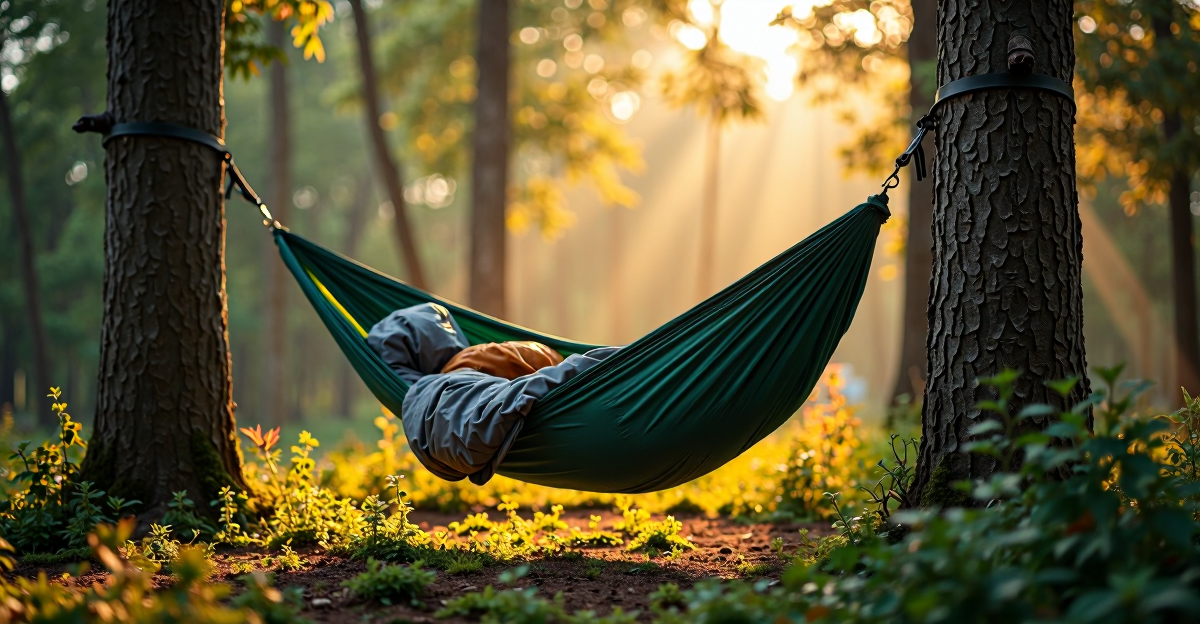
Why a Camping Hammock Beats a Tent on the Right Trip
There is nothing quite like falling asleep suspended between two trees, breeze moving through the mesh, stars overhead through the ridgeline. A good camping hammock is not just lighter than a tent — it changes the whole experience of sleeping outside. No rocks jabbing your back, no puddles forming under your pad, no condensation clinging to the inside of a fly at 3 AM.
But not every hammock is built for actual camping. The ones that are have bug nets, weight ratings that mean it, and suspension systems that hold up night after night. Here are the best camping hammocks worth your money in 2026.
The Best Camping Hammocks for 2026
1. ENO DoubleNest Hammock (55 to 70 Dollars)
The ENO DoubleNest (Compare prices on Amazon) is the hammock most people picture when they think of camping. It is built from 70-denier nylon taffeta with a 400-pound capacity, which means it handles two adults or one person who likes to spread out. The attached stuff sack keeps it compressed to roughly the size of a grapefruit.
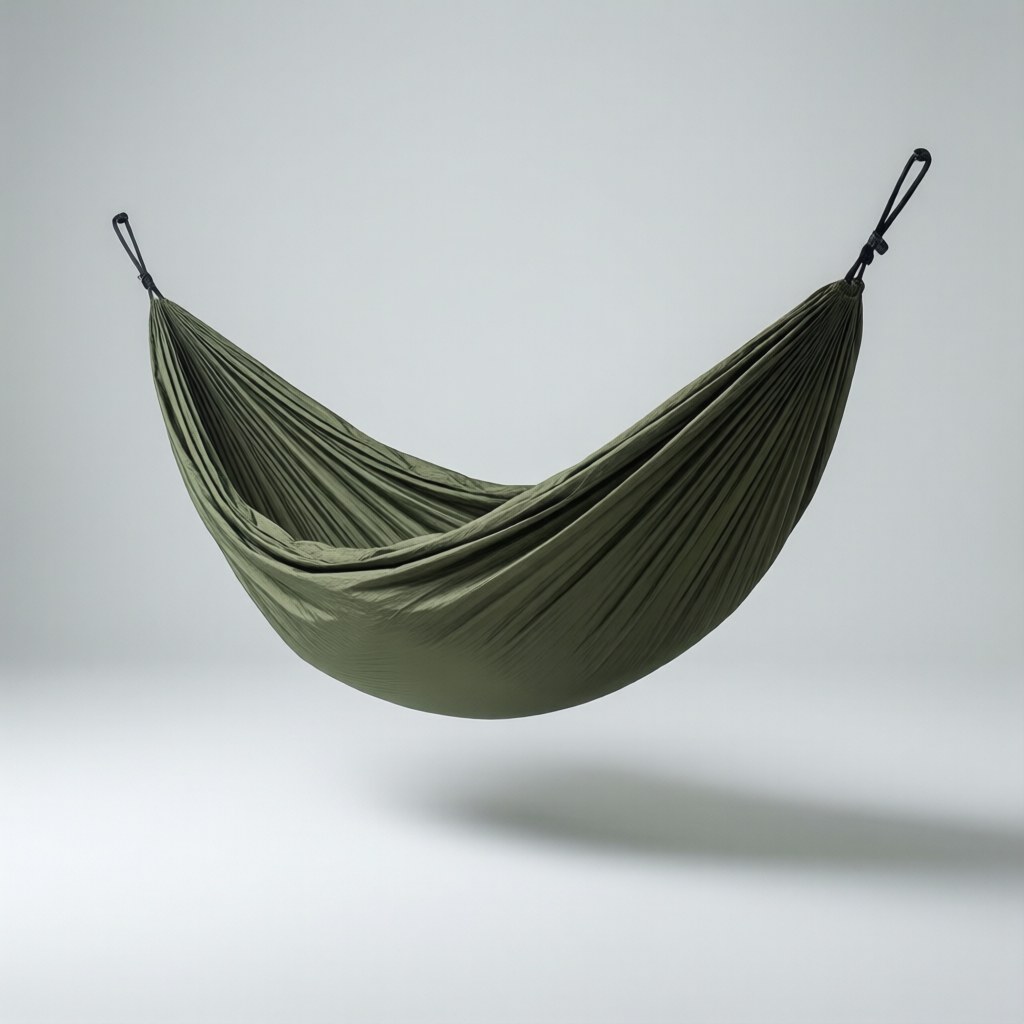
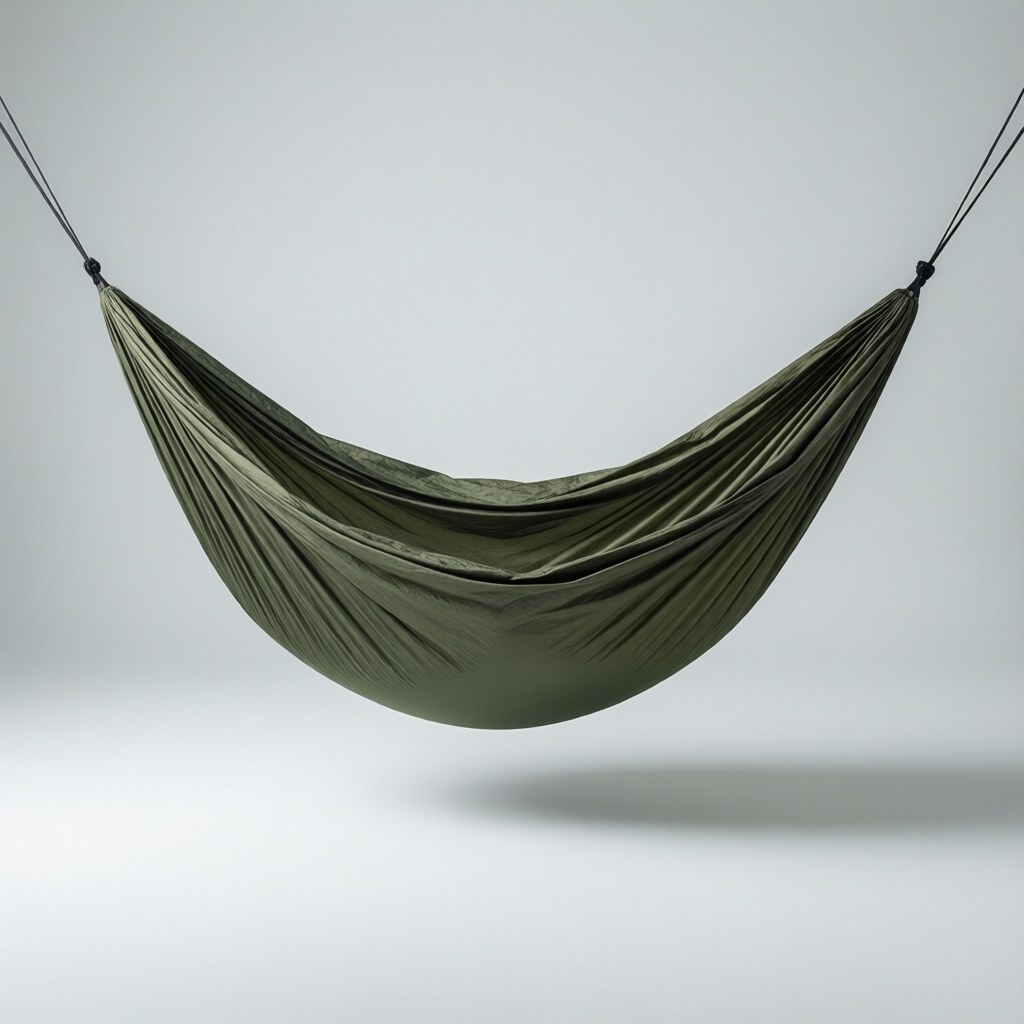
It does not come with a bug net or rain fly — you add those separately. That is either a feature or a hassle depending on how you look at it. If you camp in bug season, grab the ENO SingleNest (Compare prices on Amazon) with the Guardian bug net, or look at the all-in-one options below.
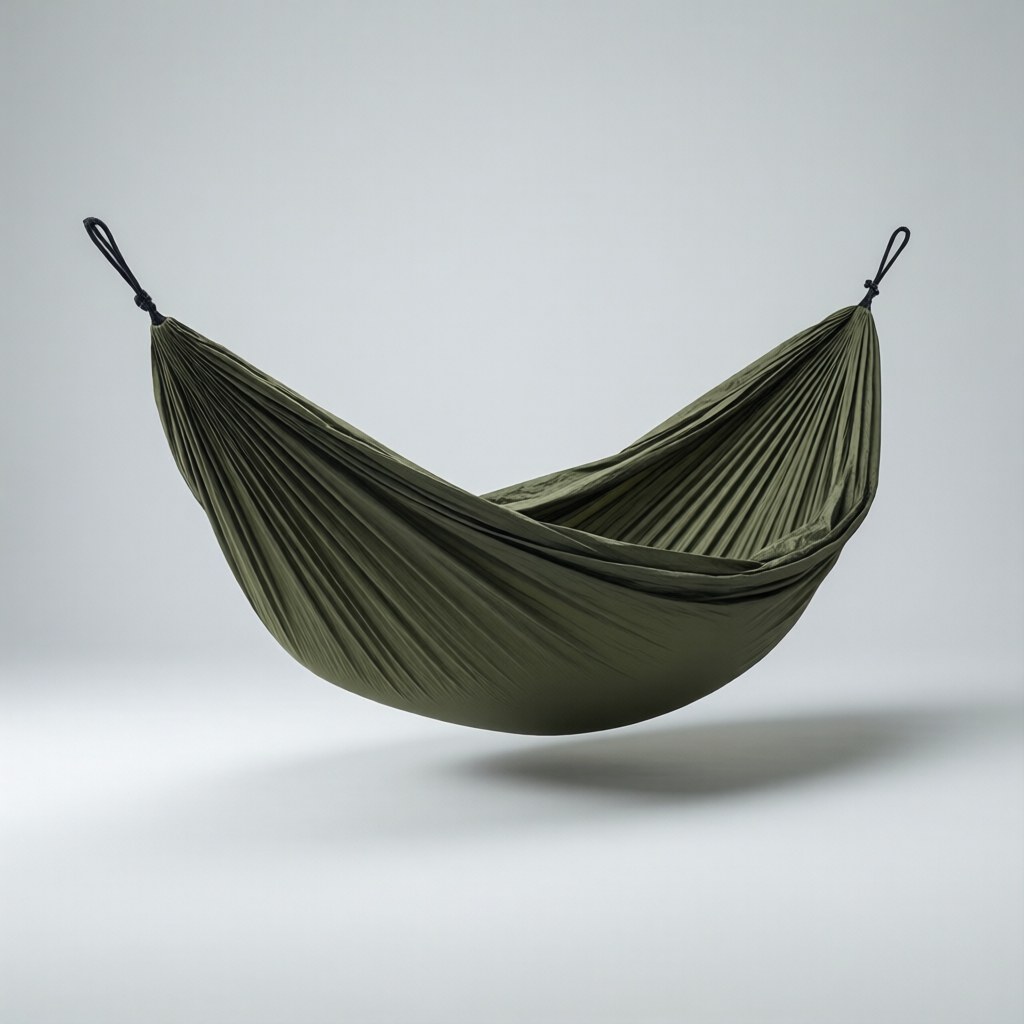
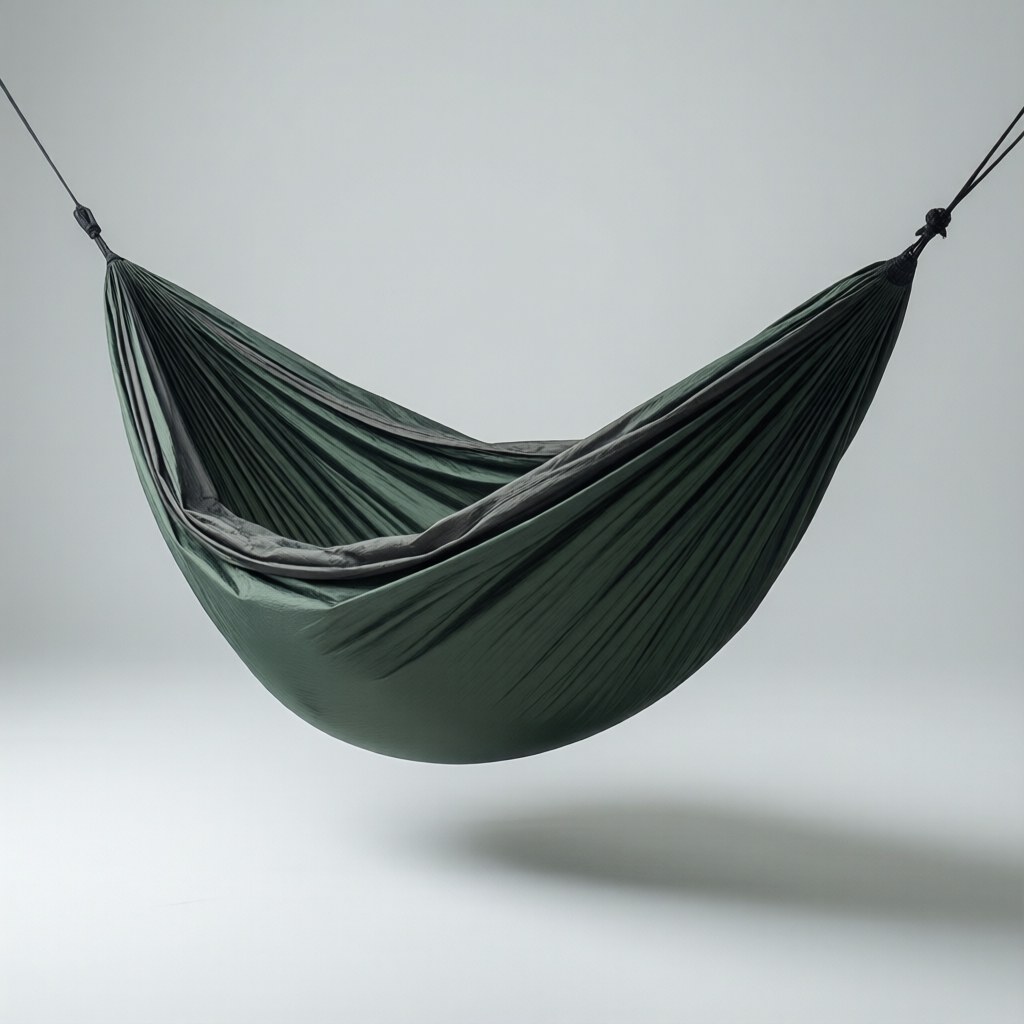
- Weight: 23 ounces (hammock only)
- Capacity: 400 pounds
- Material: 70D nylon taffeta
- Best for: Car camping, casual backpacking, warm-weather lounging
Top pick: ENO DoubleNest (Compare prices on Amazon) — the gateway hammock that actually holds up.
2. Hennessy Explorer Deluxe Classic (130 to 160 Dollars)
The Hennessy Explorer Deluxe Classic (Compare prices on Amazon) is a complete shelter system in one package — hammock, bug net, rain fly, and suspension lines all included. You pull it out of the sack, find two trees, and you are sleeping outside in under five minutes.
The asymmetric shape lets you sleep flat on the diagonal, which is a game-changer if you have only ever slept in a banana-shaped hammock and assumed your back was supposed to curve. The bottom entry means no zipper to fumble with in the dark — you push through the velcro closure and it seals behind you. It is weird at first, then you never want to go back.
- Weight: 51 ounces (full system)
- Capacity: 250 pounds (Deluxe XL: 300 pounds)
- Includes: Bug net, rain fly, suspension, stuff sack
- Best for: Solo backpacking, bug-heavy environments, all-in-one simplicity
Top pick: Hennessy Explorer Deluxe Classic (Compare prices on Amazon) — everything included, nothing to forget.
3. Grand Trunk TrunkTech Double (50 to 65 Dollars)
The Grand Trunk TrunkTech Double (Compare prices on Amazon) is the best value double hammock on the market. It uses the same 70D nylon taffeta as hammocks costing twice as much, holds 500 pounds, and packs down small enough for backpacking. The ripstop weave adds durability without adding weight.
Like the ENO, it is a bare hammock — no bug net, no fly. But at this price point, you can add the accessories you actually need instead of paying for ones you do not. If you want the TrunkTech Single (Compare prices on Amazon) for solo trips, it is even lighter at 13 ounces.
- Weight: 22 ounces (double), 13 ounces (single)
- Capacity: 500 pounds (double), 400 pounds (single)
- Material: 70D nylon taffete ripstop
- Best for: Budget-conscious campers, couples, anyone who wants to add their own accessories
Top pick: Grand Trunk TrunkTech Double (Compare prices on Amazon) — best bang for the buck in a camping hammock.
4. Lawson Blue Ridge Camping Hammock (150 to 180 Dollars)
The Lawson Blue Ridge Camping Hammock (Compare prices on Amazon) is the only hammock on this list that works as a tent, too. Spread the built-in aluminum poles and it becomes a freestanding shelter on the ground — no trees required. That makes it the right choice for trips where you might camp above treeline or on open ground.
The integrated bug net and rain fly mean it is ready for anything. The spreader bars keep the fabric flat, which eliminates the cocoon feeling some people hate. It is heavier than a pure hammock setup, but the versatility is hard to beat if your campsites vary.
- Weight: 62 ounces (full system with poles)
- Capacity: 275 pounds
- Includes: Bug net, rain fly, spreader bars, stuff sack
- Best for: Mixed terrain camping, above-treeline trips, ground-or-tree versatility
Top pick: Lawson Blue Ridge Camping Hammock (Compare prices on Amazon) — the do-anything shelter for unpredictable campsites.
5. Amazon Basics Double Hammock with Stand (45 to 60 Dollars)
Not everyone needs a backpacking hammock. If you are setting up in the backyard or taking it to a drive-in campsite, the Amazon Basics Double Hammock with Stand (Compare prices on Amazon) is hard to argue with. You get a double hammock and a steel stand for the price most companies charge for just the fabric.
The stand folds flat for storage and assembles without tools. The hammock itself is cotton-poly blend — not as weather-resistant as nylon, but comfortable for afternoon lounging. This is not the hammock for a 40-mile loop. It is the hammock for reading a book on a Saturday.
- Weight: 12 pounds (stand + hammock)
- Capacity: 450 pounds
- Material: Cotton-polyester blend
- Best for: Backyard lounging, car camping, gift giving
Top pick: Amazon Basics Double Hammock with Stand (Compare prices on Amazon) — cheapest way to start hammocking today.
What to Look for in a Camping Hammock
Weight capacity. Every hammock lists a weight limit. Add 50 pounds to your actual weight to account for movement and gear. A 400-pound rating is the sweet spot for most solo campers.
Bug net. If you camp anywhere with mosquitoes — and that is everywhere in summer — a built-in bug net saves you from a miserable night. Detachable nets work too, but integrated ones are faster to set up and harder to lose.
Rain protection. A rain fly or tarp is essential for any trip where weather is possible, which is every trip. Some hammocks include one; others require a separate purchase. Factor that into your real cost.
Suspension system. Tree straps (also called whoopie slings or daisy chains) are how you hang the thing. Good straps are 1 inch wide or wider to protect tree bark, and they adjust from 6 to 12 feet for varying tree spacing. Most quality hammocks include basic straps; aftermarket options are often better.
Packed size. For backpacking, every ounce matters. A bare hammock at 13-23 ounces is ideal. A full system at 50-62 ounces is fine if you would otherwise carry a tent at 40+ ounces anyway.
Hammock Camping Tips for Beginners
Sleep on the diagonal. Lying straight in a hammock curves your spine. Lying at an angle across the fabric flattens the surface and lets you sleep on your side or back without feeling like a banana.
Hang at 30 degrees. The suspension lines should form roughly a 30-degree angle with the ground. Too steep and the tension puts stress on the fabric and trees. Too flat and the hammock sags until your back touches the ground.
Use an underquilt. A sleeping pad works in a pinch, but cold air under the hammock compresses the pad and chills your back. An underquilt hangs beneath the hammock and stays lofted, which keeps you warm down to freezing temps.
Protect your trees. Use straps at least 1 inch wide. Thin cord or rope damages bark and can kill the tree over time. Leave the campsite better than you found it.
Practice before you go. Set up in your backyard or a local park at least once. Figuring out your hang in the dark, in the rain, on your first real trip is how people end up sleeping on the ground.
The Short Version
The ENO DoubleNest is the camping hammock most people should start with — proven, comfortable, and easy to find. If you want everything in one bag, the Hennessy Explorer is the most complete shelter you can carry. On a budget, the Grand Trunk TrunkTech gives you real quality without the markup. And if your campsites are unpredictable, the Lawson Blue Ridge works on the ground or in the air.
Pick the one that matches where you actually sleep, not where you wish you slept. That is how you end up with a hammock you use for years instead of one that collects dust in the gear closet.
Last updated: June 2026 | By GearHound
n
GearHound is reader-supported. When you buy through links on this site, we may earn an affiliate commission at no extra cost to you.
⛺ Get Your Free Camping with Your Dog Checklist
Join our newsletter and get this free printable plus weekly tips.
Price Check
Prices verified via our product tracker. Updated Sep 27.
| Amazon.com: ENO DoubleNest Hammock - Lightweight, Portable | $74.95 | 4.8★ (5,333) |
| Amazon.com: Bear Butt #1 Double Hammock, A Start Up Compan | $34.97 | 4.7★ (7,590) |
| Amazon.com: ENO SingleNest Hammock - Lightweight, 1 Person | $54.95 | 4.8★ (297) |
| Amazon.com: Hennessy Hammock - Explorer Deluxe Classic XL | $209.95 | 4.2★ (2,011) |
| Amazon.com : Original Pawleys Island Large Oatmeal DuraCor | $329.99 | 4.7★ (787) |
| Amazon.com: GRAND TRUNK Heavy Duty Camping Chair | Storm B | $69.99 | 4.5★ |
| Amazon.com : GRAND TRUNK Camping Hammock | 12 oz | Blue | | $29.99 | 4.2★ |
| Amazon.com: Lawson Hammock Blue Ridge Camping Hammock and | $339.00 | 4.1★ |
| Amazon.com: TIMBER RIDGE Hammock Camping Chair, Oversized | $5,000.00 | 4.5★ (391) |
| Amazon.com : Amazon Basics Double Hammock with 9-Foot Spac | $94.99 | 4.6★ (9,226) |
As an Amazon Associate we earn from qualifying purchases.