This article contains affiliate links. We may earn a commission from qualifying purchases.
Some content on this site is AI-assisted and reviewed by our editorial team.
Why Your Dog Needs a Backpack
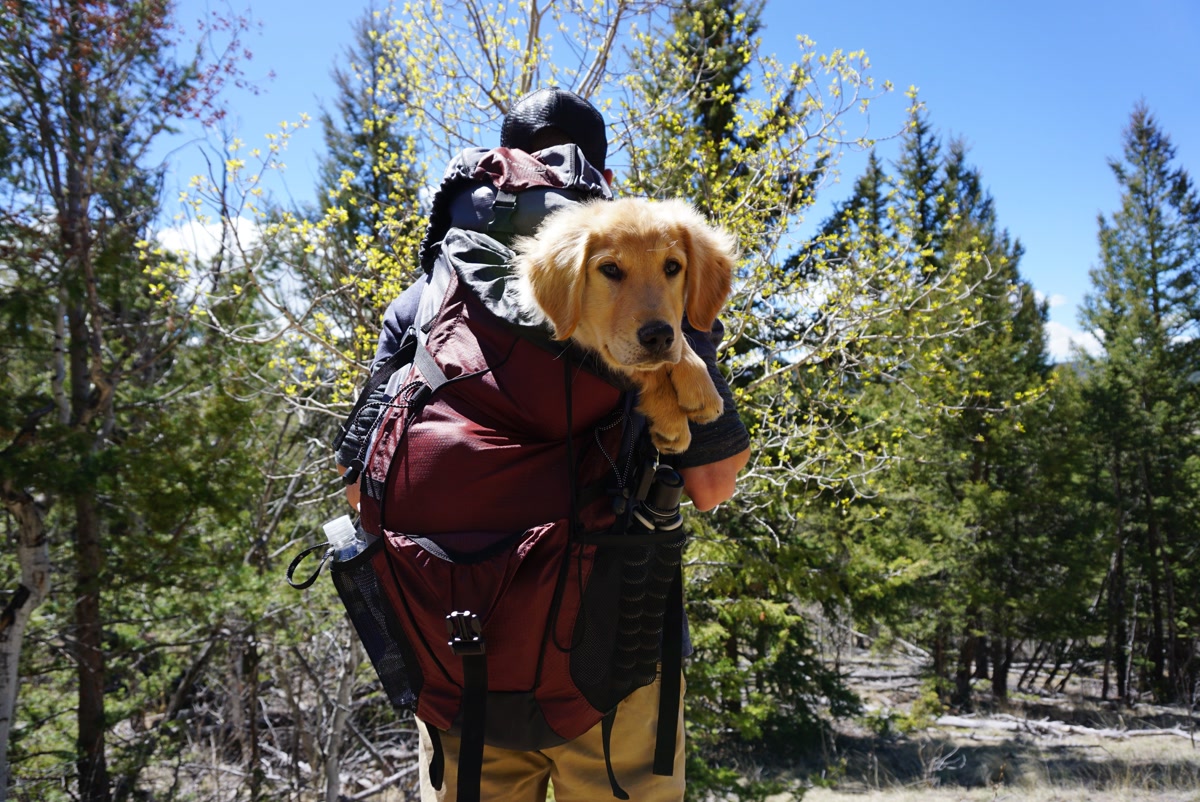
If you hike with your dog, a good dog backpack lets them carry their own gear: water, bowls, waste bags, treats, even a light first-aid kit. It gives your dog a job to do, which most working breeds genuinely enjoy, and it takes weight off your pack.
But a bad backpack chafes, shifts around, or puts too much weight on the wrong part of your dog’s body. I have used three different packs over the past few years and the difference between a good one and a bad one is night and day — the bad ones end up in the gear closet, never to be used again. Here are the six I would recommend, based on research, owner reviews, and my own experience with a few of them.
What to Look For in a Dog Backpack
Before getting into specific picks, here is what matters when choosing a dog pack:
- Fit and adjustability: The pack should contour to your dog’s body without pinching or rubbing. Look for multiple adjustment points (chest, belly, neck) and padded straps.
- Weight distribution: The best packs position weight over the dog’s shoulders, not on the spine. A well-balanced pack keeps your dog stable on uneven terrain.
- Durability: Trail conditions mean branches, rocks, and dirt. Look for reinforced fabric and sealed seams.
- Capacity: Most dogs can safely carry 10-25% of their body weight. Choose a pack with enough volume for your typical day hike or overnight trip without overloading.
- Visibility: Reflective trim and bright colors help you spot your dog at dusk and dawn.
1. Ruffwear Approach Pack — The One I Use
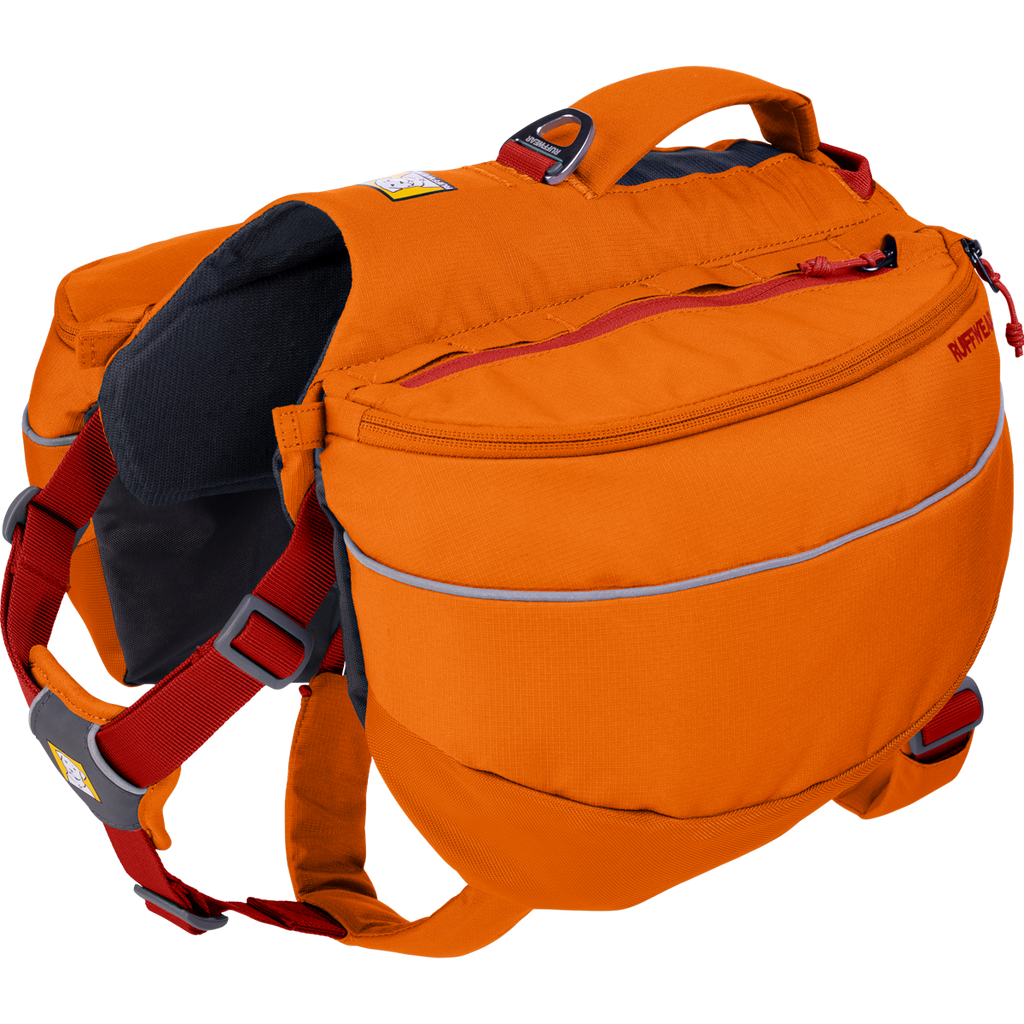
The Ruffwear Approach is the pack I use on my dog. It uses a saddlebag design that sits weight over the dog’s shoulders, with four-point attachment that keeps the pack stable even on technical terrain. The padded chest plate distributes pressure evenly, and the side panels are removable for packing into a backpack.
What sets it apart: The weight-forward design keeps your dog balanced. The pack does not shift side to side, which is the number one complaint with cheaper packs. The fabric is a tough 420-denier nylon with DWR treatment that sheds light rain and brush snags without tearing. After two seasons of regular use, mine has no tears and the straps are still solid.
Best for: Medium to large dogs (30-90 lbs) on day hikes and overnight trips.
Capacity: 11 liters total (5.5L per side) | Weight: 13 oz
Compare current prices on Amazon
2. Ruffwear Palisades Pack — For Multi-Day Trips
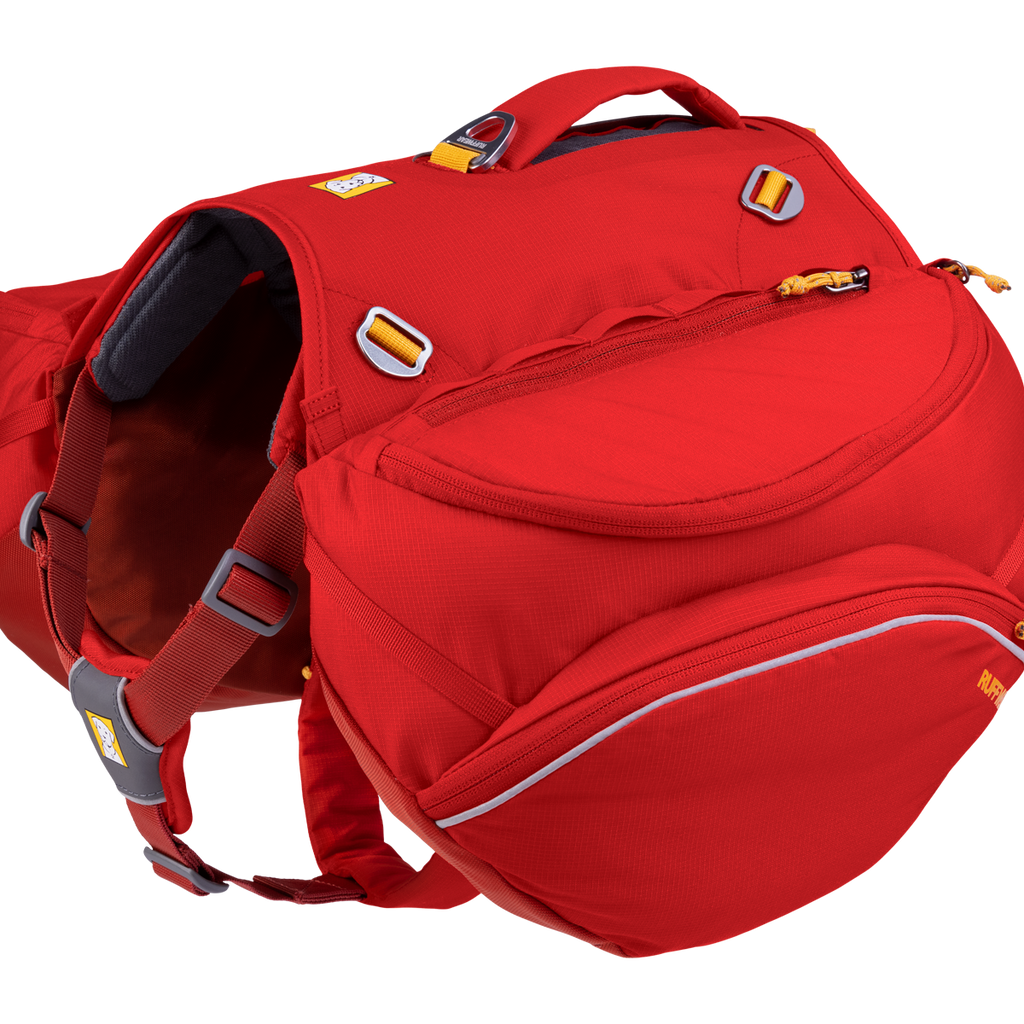
The Palisades is Ruffwear’s flagship multi-day pack. It has the same stable four-point harness system as the Approach but with larger capacity and removable saddlebags. The key feature: you can detach the panniers at camp so your dog can rest without the full pack on. That alone makes it worth the price for backpacking trips.
The aluminum hardware and reinforced stitching make this the most durable pack in this lineup. It is built for extended backcountry trips where your dog carries their own food and gear for multiple days.
Best for: Large dogs (50-100 lbs) on backpacking and multi-day trips.
Capacity: 24 liters total (12L per side) | Weight: 22 oz
See price and reviews on Amazon
3. Outward Hound DayPak — Budget Option
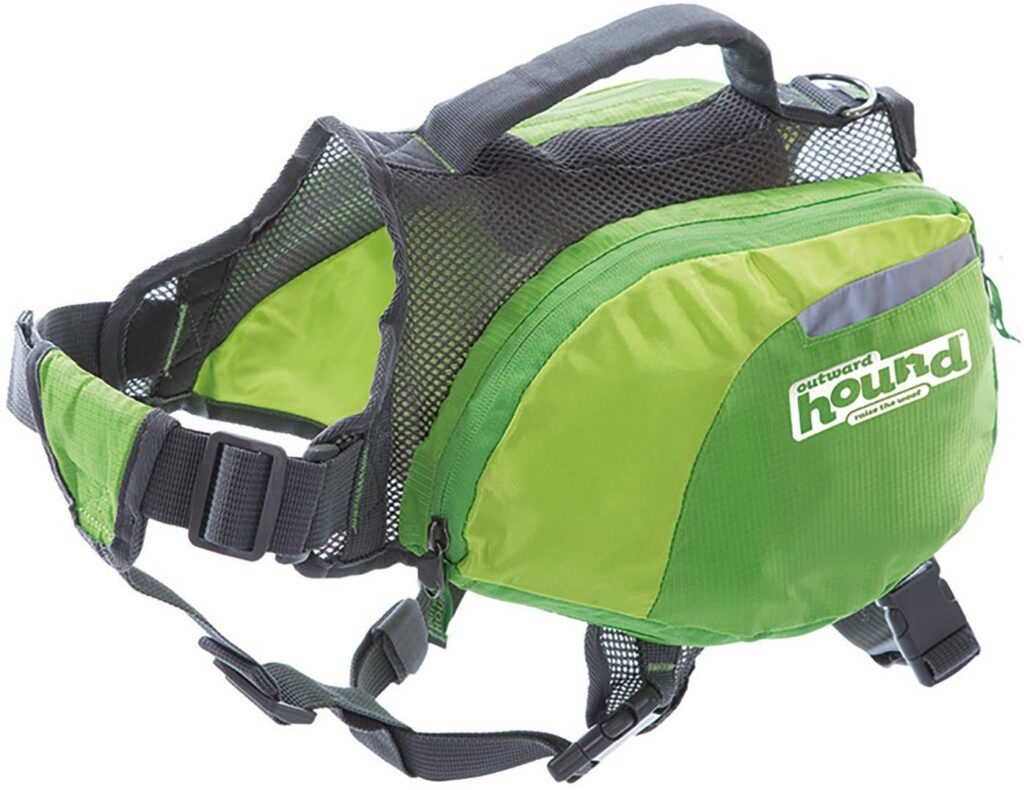
The Outward Hound DayPak is the most popular budget dog backpack, and for good reason. At roughly one-third the price of the Ruffwear Approach, it covers the basics: a lightweight saddlebag design with three adjustment points and breathable mesh side panels.
The tradeoff: the fabric is thinner, the straps are less padded, and the pack shifts more on uneven terrain. For casual day hikes on well-maintained trails, it is perfectly fine. For technical terrain or heavier loads, you will notice the difference. I started with one of these before upgrading to the Ruffwear — it is a good entry point if you are not sure your dog will tolerate wearing a pack.
Best for: Small to medium dogs (20-60 lbs) on easy to moderate day hikes.
Capacity: 6 liters total (3L per side) | Weight: 8 oz
Check the latest price on Amazon
4. Hurtta Trail Pack — For Cold Weather
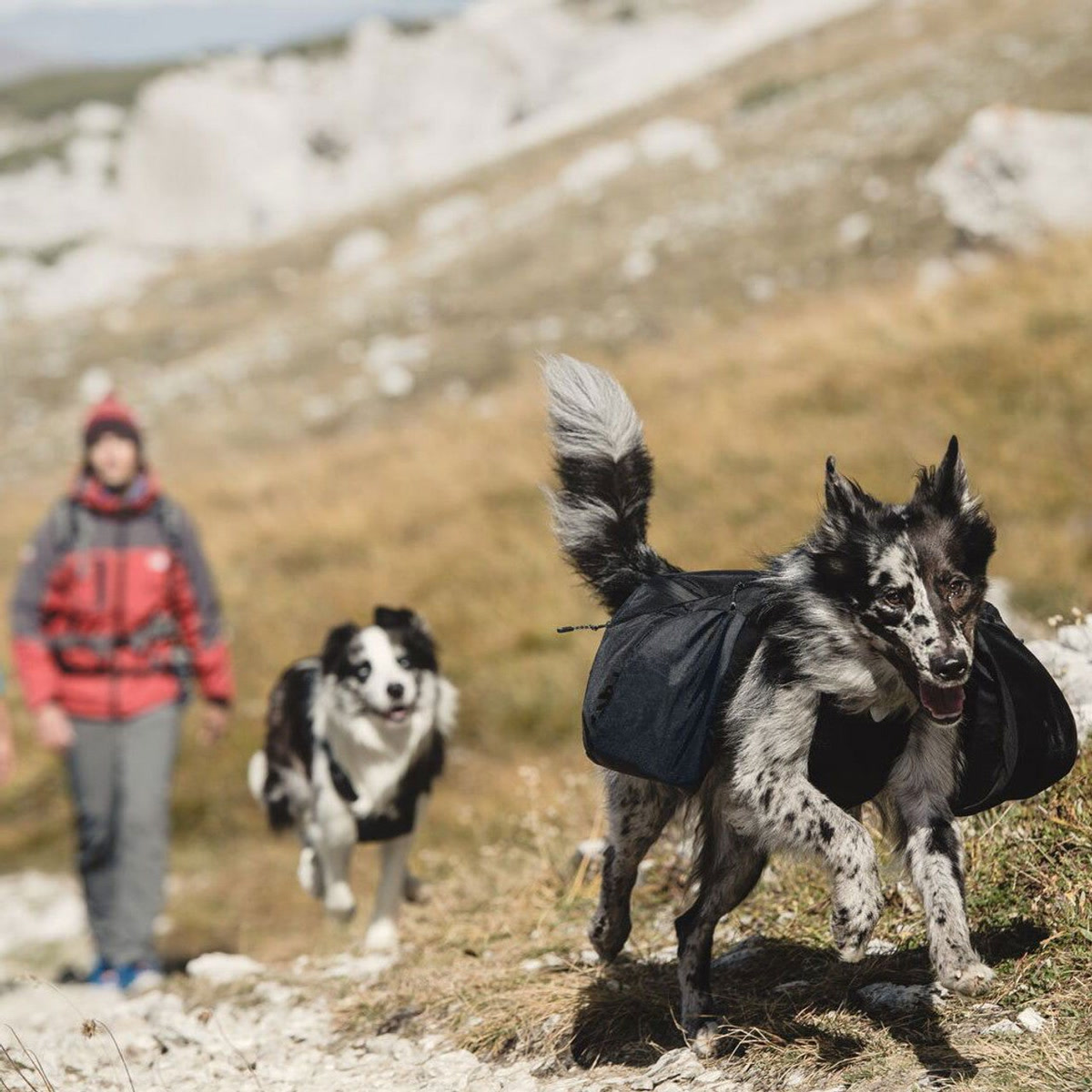
The Hurtta Trail Pack is built for Nordic conditions: Finnish design, heavy-duty materials, and weatherproofing that actually works. The 600-denier fabric is the thickest of any pack in this lineup, and the ergonomic fit is excellent for narrow-chested breeds like Greyhounds and Huskies.
The waist belt has a unique padded design that sits lower on the body, which some dogs find more comfortable than the chest-centered fit of the Ruffwear packs. The reflective print is highly visible in low light — a real plus for winter hikes when daylight is short.
Best for: Medium to large dogs (30-80 lbs) in cold or wet weather conditions.
Capacity: 6.5 liters total (3.25L per side) | Weight: 16 oz
5. Mountainsmith K9 Dog Pack — For Large Dogs
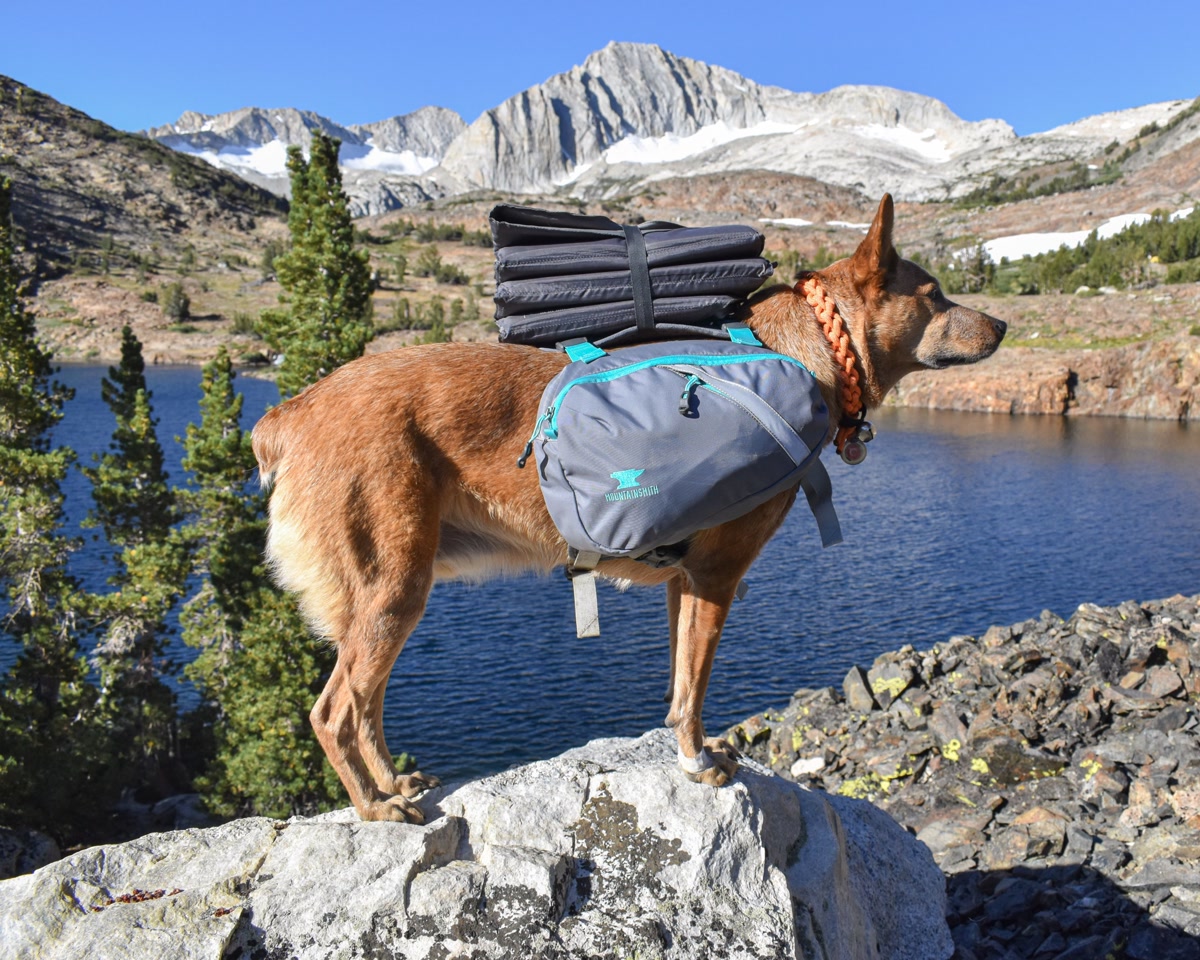
The Mountainsmith K9 is designed specifically for large breeds. The wider girth strap and extended chest plate accommodate deep-chested dogs like German Shepherds, Malamutes, and Labs better than most one-size-fits-all packs.
The pack uses a three-point harness (vs four-point on Ruffwear) which is slightly less stable but easier to put on. The side pockets are generously sized and have water bottle sleeves built in — a nice touch that other packs skip.
Best for: Large to extra-large dogs (60-120 lbs).
Capacity: 12 liters total (6L per side) | Weight: 18 oz
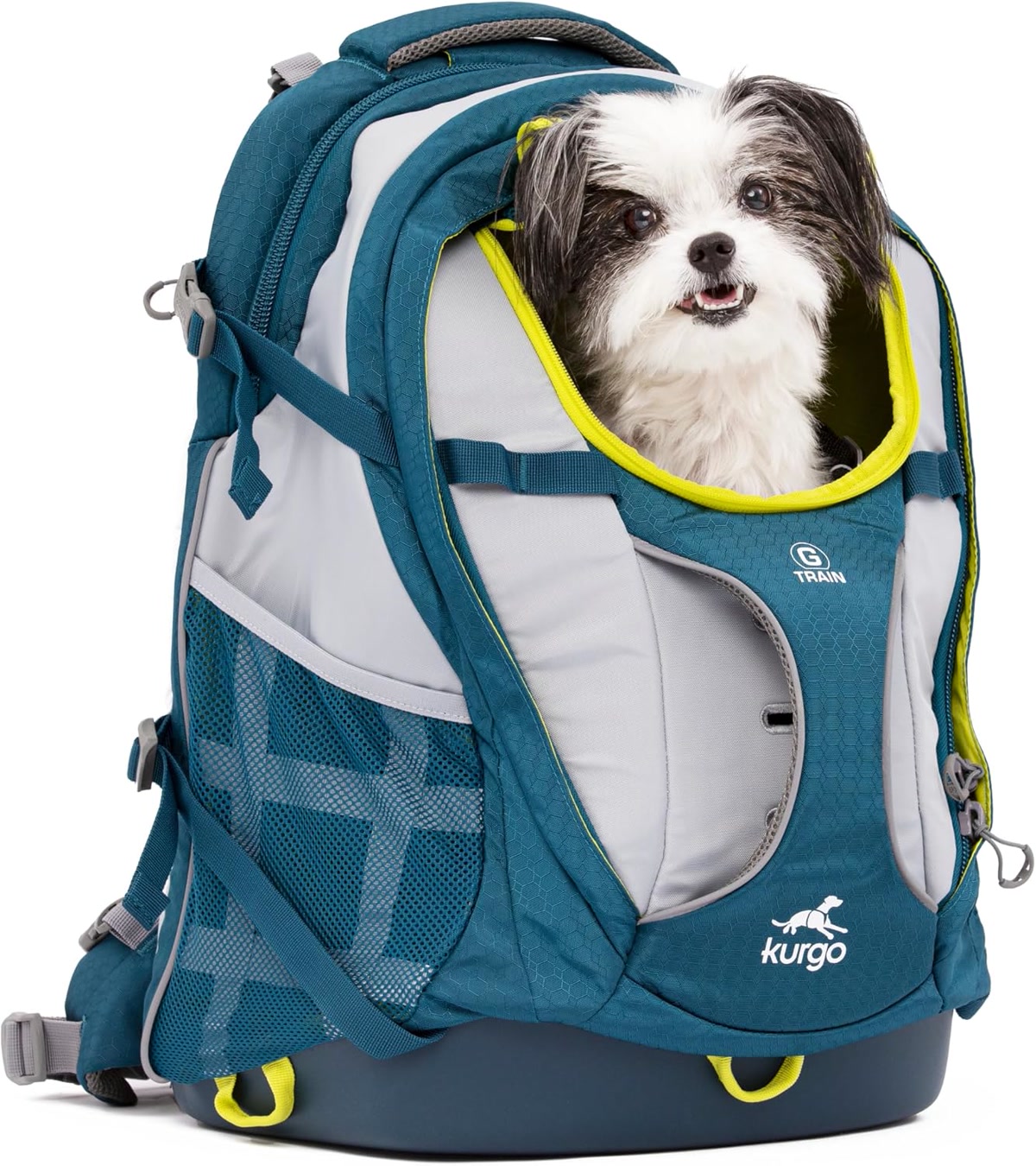
6. Kurgo Travel Hiking Backpack — For Small Dogs
Most dog backpacks are sized for medium-to-large dogs. The Kurgo is one of the few that genuinely works for small breeds and terriers. The narrower frame and shorter saddlebags fit smaller bodies without dragging on the ground or extending past the shoulders.
It includes a collapsible water bottle and a waste bag dispenser — thoughtful extras for short hikes. The chest plate is well-padded, and the side buckles are easy to adjust one-handed.
Best for: Small dogs (10-30 lbs).
Capacity: 4 liters total (2L per side) | Weight: 7 oz
How to Fit a Dog Backpack
Even the best pack is useless if it does not fit. Here is how to get it right:
- Measure your dog: Get girth (around the widest part of the chest behind the front legs) and length (base of neck to base of tail). Most manufacturers size by girth.
- Position the pack: The saddlebags should sit over the dog’s shoulders, not on the spine. The front edge of the pack should sit just behind the shoulder blades.
- Snug the straps: You should be able to fit two fingers between the strap and your dog’s body. Tighter restricts breathing; looser lets the pack shift.
- Check for chafing: After the first hike, check your dog’s chest, belly, and armpits for red spots. If you see rub marks, adjust the straps or try a different pack.
- Start light: Begin with 5% of body weight and work up to 10-15% over a few weeks. Never exceed 25%.
What I Recommend
The Ruffwear Approach Pack is the best overall dog backpack. It is stable, durable, and fits most dogs well — I know because I use one. For multi-day trips, the Ruffwear Palisades adds capacity and removable saddlebags that make camp life easier. On a budget, the Outward Hound DayPak covers the basics for a third of the price.
Whatever you choose, measure your dog before ordering and start with a light load. The first time I put a pack on my dog, she froze and refused to move. Five minutes of treats and encouragement later, she was walking like it was nothing. Most dogs adjust fast — but give them the chance to do it at their own pace.
For more trail dog gear, see our dog boots guide and our post-hike recovery guide.
GearHound is reader-supported. When you buy through links on this site, we may earn an affiliate commission at no extra cost to you.
⛺ Get Your Free Camping with Your Dog Checklist
Join our newsletter and get this free printable plus weekly tips.
Price Check
Prices verified via our product tracker. Updated Sep 27.
| Amazon.com: Ruffwear, Approach Pack Dog Backpack, Blue Dus | $59.99 | 4.6★ |
| Amazon.com: Ruffwear, Palisades Dog Backpack, Red Sumac, S | $127.49 | 4.6★ (102) |
| Amazon.com : Outward Hound DayPak Green Dog Saddleback Bac | $32.99 | 4.2★ (1,096) |
| Amazon.com: Mountainsmith K9 Dog Pack - Caribe Blue - Smal | $25.00 | 4.5★ |
| Amazon.com : Kurgo Rucksack Dog Carrier Backpack for Small | $122.99 | 4.2★ (519) |
As an Amazon Associate we earn from qualifying purchases.