This article contains affiliate links. We may earn a commission from qualifying purchases.
Some content on this site is AI-assisted and reviewed by our editorial team.
The First 12 Hours After a Hike Matter More Than the Hike Itself
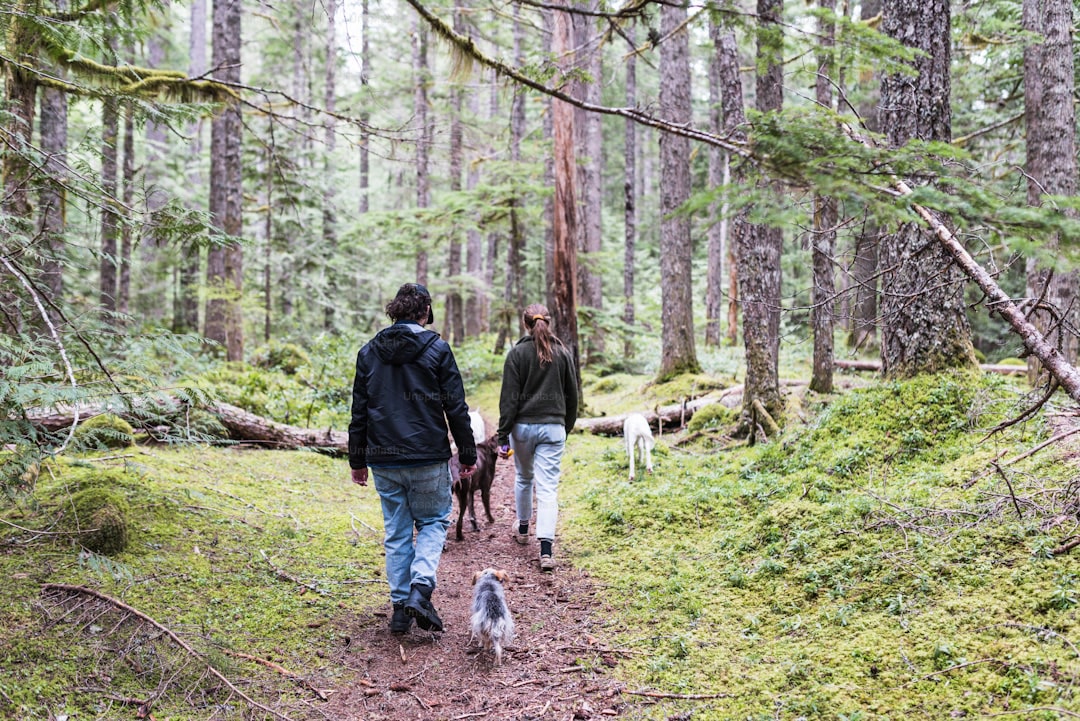
You just finished a long hike with your dog. They are tired, happy, and maybe a little sore. You drive home, put out a bowl of water, and let them crash on the couch. That is where most owners stop — and it is not enough.
I learned this the hard way. After a 7-mile hike last summer, my dog seemed fine at the trailhead — tired but happy. By the time we got home, she was limping on her left front paw. I had not checked her pads at the trailhead because she looked fine. Turns out she had a thorn embedded between her pads that I missed because I was in a hurry to get home. That thorn turned into a $200 vet bill and a week of bandaged walks.
The first 12 hours after a hike are when most trail injuries become visible, when dehydration catches up, and when minor issues become major ones. Here is what I do now, from the trailhead to the next morning.
At the Trailhead: The First 15 Minutes
Check paw pads before you load up. Look at all four pads. Cuts, abrasions, thorns, glass, rocks lodged between pads — rain and mud hide all of it. If you find a cut, clean it with water and apply paw balm. Deep cuts mean a vet visit, not a bandage and a hope.
Offer water, but not too much. Let your dog drink a cup or two at the trailhead. Do not let them gulp a full bowl. Rapid drinking after intense exercise causes vomiting, and in extreme cases, water intoxication. Small amounts every few minutes is better than one big drink.
Do a tick sweep. Run your hands over your dog’s ears, neck, belly, and armpits. Ticks take time to embed, so you can often catch them before they latch on. Put any you find in a sealed bag in case your vet needs to identify the species later.
The Drive Home
Keep the car comfortable, not cold. Your dog’s core temperature is elevated. Cranking the AC feels good to you but a sudden temperature drop can cause muscle cramping. Set the car to 70-72 degrees and let your dog cool down gradually.
No full meals in the car. A small treat is fine. A full meal after intense exercise causes vomiting. Wait until you are home and your dog has been calm for 30 minutes.
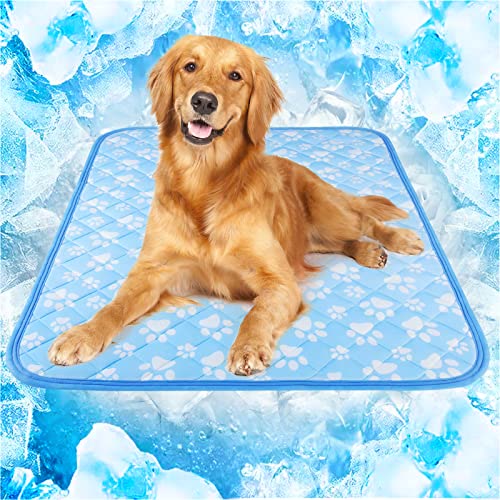
Use a cooling mat for thick-coated breeds. A self-cooling gel mat gives your dog a cool surface to lie on without the shock of AC. If you have a double-coated breed that holds heat, this makes a real difference on the drive home.
See cooling mat options on Amazon
At Home: The First Couple Hours
Do a full body check. Run your hands down each leg, feeling for swelling, heat, or tenderness. Check the joints — if your dog flinches when you touch a knee or shoulder, something is strained. Check ears for debris and redness. Look at the gums: they should be pink, not dark red or purple.
Rehydrate gradually. Offer water every 15-20 minutes. A dog needs roughly 1 ounce per pound of body weight to rehydrate after a moderate hike, but it should come over 2-3 hours, not in one big session.
Light meal after 30 minutes. Once your dog has been calm for half an hour, offer half their normal portion. If they keep it down for 30 minutes, give them the rest. If they vomit, wait an hour and try again with less food.
Wipe down. A damp towel gets mud and trail debris off the coat. You do not need a full bath after every hike, but rinse off mud and check for skin irritation from plants or insects.
That Evening: Watch for Delayed Symptoms
Some injuries do not show up right away. Lameness from a strained ligament can appear 4-6 hours after the hike, once inflammation sets in. Watch for:
- Limping or favoring one leg
- Reluctance to stand or walk
- Swelling around joints
- Panting that does not stop
- Refusing food beyond normal post-hike tiredness
If any of these show up and do not resolve by morning, call your vet.
Give them a warm, quiet spot. Your dog needs deep sleep to recover. A quiet area away from household activity with a comfortable bed. A sore dog may benefit from a heated bed or warm blanket — heat promotes blood flow to sore muscles. Do not put a heating pad directly on joints, though. It can increase inflammation.
Light jacket for thin-coated dogs. Post-exercise, thin-coated dogs lose body heat quickly, and shivering prevents deep sleep. A light jacket keeps them warm enough to rest properly.
See dog recovery jacket options on Amazon
Next Morning
Watch them walk. Are they moving stiffly? Is the gait even? A little morning stiffness is normal after a hard hike and usually works out within 30 minutes. If it lasts longer than an hour or your dog is still limping, it is a vet call.
Check paw pads again. Minor abrasions that were not visible at the trailhead can become apparent the next morning as the pad dries and cracks. Apply paw balm to dry or cracked areas.
Short, easy walk. A 10-minute stroll around the block helps work out stiffness. Do not take them on another hike or run. Give them 24-48 hours to fully recover.
Normal food and water. By morning, your dog should be eating and drinking normally. If they refuse food or water 12 hours after a hike, something is wrong.
When to Call the Vet Immediately
Do not wait and see if your dog shows any of these:
- Dark red or brown urine — sign of muscle breakdown
- Cannot stand or walk
- Continuous vomiting or diarrhea
- Pale or blue gums
- Body temperature above 104 degrees
- Lameness that gets worse over 24 hours instead of better
These are emergency symptoms. The cost of an urgent vet visit is always less than the cost of waiting too long.
What It Comes Down To
Check paws at the trailhead. Do a tick sweep. Offer water gradually — never let your dog gulp a full bowl after a hike. Wait 30 minutes before feeding. Do a full body check at home: legs, joints, ears, gums. Watch for delayed lameness that evening. By morning, your dog should be eating, drinking, and moving normally.
Recovery is part of the hike. Skip it and a good day on the trail turns into a vet bill the next morning. I learned that one the expensive way — do not make the same mistake.
For more on keeping your trail dog safe, check our dog first aid kit guide and our tick and flea prevention guide. A good dog camping cot also helps them recover comfortably on overnight trips.
GearHound is reader-supported. When you buy through links on this site, we may earn an affiliate commission at no extra cost to you.
⛺ Get Your Free Camping with Your Dog Checklist
Join our newsletter and get this free printable plus weekly tips.
Price Check
Prices verified via our product tracker. Updated Sep 27.
| Pet Supplies : Dog Bowl Pet Collapsible Bowls, 2 Pack for | $6.98 | 4.7★ (31,067) |
| Amazon.com : Outward Hound DayPak Green Dog Saddleback Bac | $32.99 | 4.2★ (1,096) |
As an Amazon Associate we earn from qualifying purchases.