
This article contains affiliate links. We may earn a commission from qualifying purchases.
Some content on this site is AI-assisted and reviewed by our editorial team.
Your Backpack Is the Most Important Piece of Gear You Own
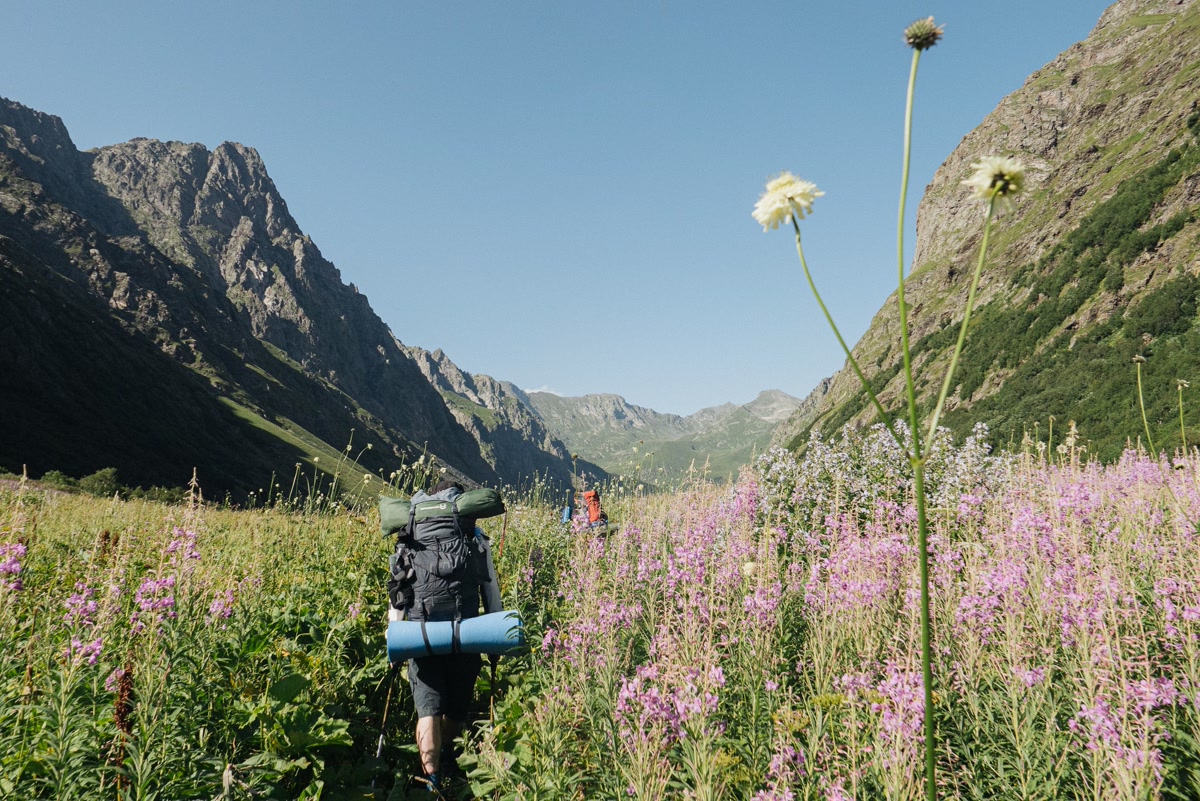
Boots wear out. Tents break. Jackets get replaced. But your backpack? That thing carries everything — every mile, every uphill, every river crossing. A bad pack turns a great hike into a sufferfest. A good one makes 30 pounds feel like 20.
I have hiked over 100,000 miles with backpacks across the PCT, AT, CDT, and dozens of shorter trails. I have used 220 backpacking packs and narrowed this list to the ones that actually hold up, carry comfortably, and do not make you regret your purchase at mile 12.
Whether you are a first-time backpacker looking for an affordable entry point or a thru-hiker who wants the lightest load possible, these are the best backpacking backpacks of 2026.
my picks: Best Backpacking Backpacks of 2026
1. Gregory Paragon 60 / Maven 58 — Best Backpacking Backpack Overall
Gregory Paragon 60 (Men’s) | Gregory Maven 58 (Women’s)
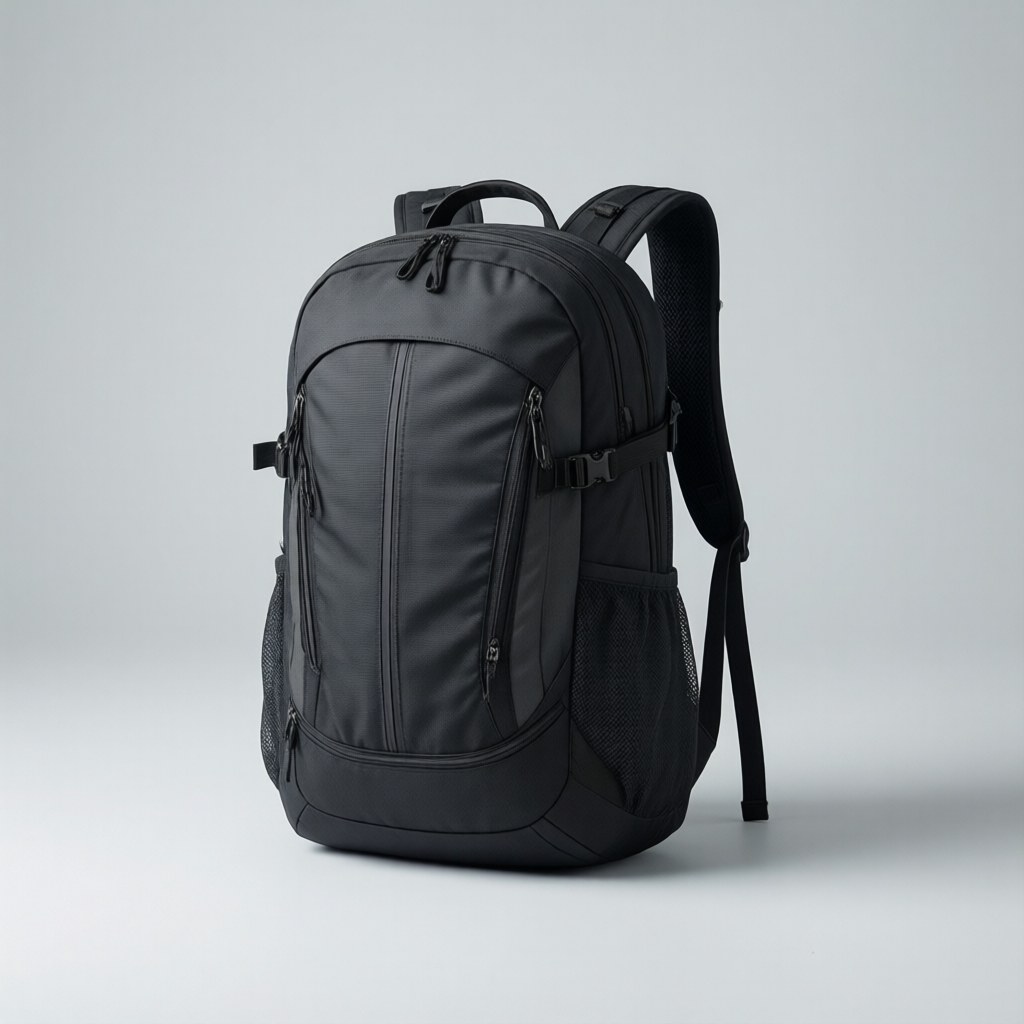
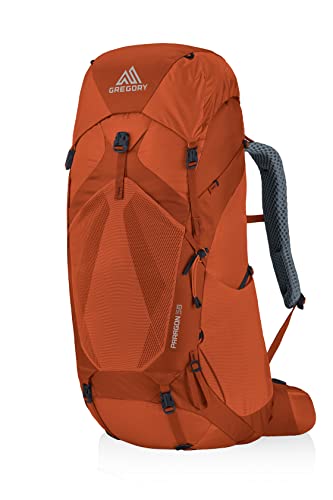
Price: $300 | Weight: 3 lb 8 oz | Volume: 60L/58L | Max Load: 50 lb
The Gregory Paragon 60 is the backpack I keep coming back to. It does not win any awards for being the lightest or the most feature-packed, but it is the most comfortable pack I have used at this price point, period. The mesh back panel and supportive hipbelt distribute weight so well that 35-pound loads feel manageable on day three.
The side zipper access is a game-changer — instead of unpacking everything from the top to reach something at the bottom, you unzip the side panel and grab it. The water bottle pockets are deep and reachable while walking. Compression straps, hipbelt pockets, and a floating top lid give you plenty of organization options.
Downsides? At 3.5 pounds, it is heavier than ultralight alternatives. The mesh back pocket has some durability concerns over thousands of miles. And only one water bottle pocket has a vertical opening for easy access. But these are minor gripes for a pack that nails comfort, price, and versatility.
2. REI Flash 55 — Best Budget Backpacking Pack
REI Flash 55 (Men’s) | REI Flash 55 (Women’s)
Price: $229 | Weight: 2 lb 13 oz | Volume: 55L | Max Load: 35 lb
At $229, the REI Flash 55 is the best value in backpacking packs. It is light (under 3 pounds), comfortable enough for weekend to weeklong trips, and versatile enough to handle most conditions. The roll-top closure and removable top lid let you dial in the volume, and the mesh back panel keeps your back from getting soaked in summer heat.
I like that REI includes a removable brain, hipbelt pockets, and side water bottle pockets — features that some “budget” packs skip. The suspension system is surprisingly supportive for the weight, handling 30-35 pound loads without feeling like a torture device.
The Flash 55 is not for heavy hauling. Above 35 pounds, the frame starts to flex and the hipbelt cannot transfer enough load to your hips. The roll-top closure is less convenient than a zippered lid for quick access. And the fabric, while adequate, is not as bomber as what you get on a Gregory or Osprey. But for most backpackers carrying reasonable loads, this is the smartest money you can spend on a pack.
3. ULA Circuit — Best for Thru-Hiking
Price: $300 | Weight: 24 oz | Volume: 48L | Max Load: 35 lb
If you are planning a thru-hike — PCT, AT, CDT, or any long trail — the ULA Circuit is the pack. It has become one of the most popular packs on the long-distance hiking community for good reason: at 24 ounces, it is absurdly light for a 48-liter pack that can carry 35 pounds comfortably.
The Circuit uses 400D Robic nylon that holds up to thousands of miles of abuse. The roll-top closure, removable aluminum stay, and huge front mesh pocket make it incredibly practical on trail. The hipbelt is removable and customizable, and ULA offers a range of torso sizes for a proper fit.
There is no frame sheet — just the aluminum stay — so loads above 30 pounds start to feel less comfortable. The roll-top takes more time to access than a zip-top lid. And you need to order directly from ULA, which means longer shipping times. But for the weight-to-capacity ratio, nothing else comes close at this price.
4. Gregory Baltoro 75 / Deva 70 — Best Load Hauler
Gregory Baltoro 75 (Men’s) | Gregory Deva 70 (Women’s)
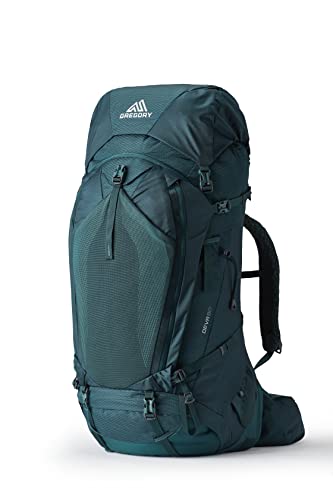
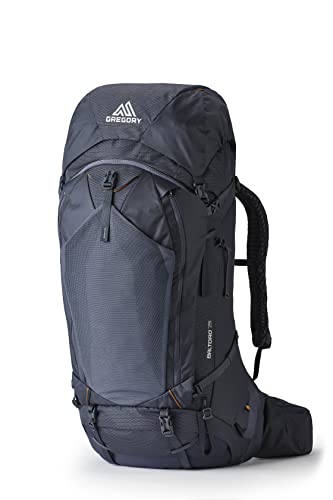
Price: $400 | Weight: 4 lb 12 oz | Volume: 75L/70L | Max Load: 60 lb
When you need to carry serious weight — basecamp setups, photography gear, winter expeditions, or just a lot of food for a long stretch — the Gregory Baltoro 75 is the pack that makes it bearable. The FreeFloat suspension system is the best in the business at transferring load to your hips, and 60 pounds feels… well, not great, but manageable, which is saying something.
The Baltoro has every feature you could want: a full front zipper for easy access, a dedicated sleeping bag compartment, hipbelt pockets that fit large phones, side water bottle pockets that are actually reachable, and enough compression straps to secure a load that shifts. The included rain cover is a nice touch.
At nearly 5 pounds, this is not a pack for light hikers. It is overkill for weekend trips with 25-pound loads. The FreeFloat suspension takes some getting used to — it moves with you more than most packs. And $400 is a lot for a pack. But if you regularly carry 40+ pounds, the Baltoro is worth every penny for the comfort alone.
5. Osprey Atmos AG 65 / Aura AG 65 — Best Features and Comfort
Osprey Atmos AG 65 (Men’s) | Osprey Aura AG 65 (Women’s)
Price: $370 | Weight: 4 lb 10 oz | Volume: 65L | Max Load: 45 lb
The Osprey Atmos AG 65 is the most comfortable backpacking pack I have ever worn, period. The Anti-Gravity suspension creates a floating mesh back panel that wraps around your body and provides incredible ventilation while still transferring load effectively. If you run hot or hike in humid climates, this pack will change your life.
Feature-wise, the Atmos AG is loaded: dual access (top and front panel), FlapJacket lid system, Stow-on-the-Go trekking pole attachment, integrated rain cover, removable sleeping bag divider, and hipbelt pockets that are generously sized. Osprey’s All Mighty Guarantee warranty covers any damage, ever, for free.
The trade-offs are weight (almost 5 pounds) and price ($370). The Anti-Gravity mesh is comfortable but less durable than solid back panels — I have seen it snag on branches. And the pack is overkill for sub-30-pound loads. But for comfort-focused backpackers who want the cushiest ride on the trail, the Atmos AG is unmatched.
6. Osprey Exos 58 / Eja 58 — Best Lightweight Ventilated Pack
Osprey Exos 58 (Men’s) | Osprey Eja 58 (Women’s)
Price: $285 | Weight: 2 lb 12 oz | Volume: 58L | Max Load: 35 lb
The Osprey Exos 58 is the lightweight pack for people who still want a real suspension system. At under 3 pounds, it delivers the kind of ventilation and load transfer you expect from Osprey without the weight penalty. The tensioned mesh back panel keeps air flowing, and the removable floating lid lets you strip weight when you want to go fast.
I like the Stow-on-the-Go trekking pole attachment (one of the best in the business), the FlapJacket closure system that works with or without the lid, and the hipbelt pockets that are the right size for snacks and your phone. At $285, it is competitively priced against the Flash 55 while offering better ventilation.
The Exos is not a load hauler. Above 30-35 pounds, the frame starts to flex and the hipbelt cannot keep up. The mesh back panel is less durable than solid alternatives. And the Exos has fewer organizational options than heavier packs. But for 3-season trips where your base weight is under 20 pounds, this is one of the best packs available.
7. Kelty Asher 55 / Nena 60 — Best Entry-Level Backpack
Kelty Asher 55 (Men’s) | Kelty Nena 60 (Women’s)
Price: $169 | Weight: 3 lb 12 oz | Volume: 55L/60L | Max Load: 35 lb
If you are new to backpacking and do not want to spend $300 before you know if you even like hiking, the Kelty Asher 55 is the answer. At $169, it is the cheapest pack on this list by a wide margin, but it does not feel cheap. The aluminum frame, padded hipbelt, and compression system are legitimate backpacking features, not afterthoughts.
The Asher has a front-loading sleeping bag compartment, side water bottle pockets, a top lid with pockets, and a rain cover included. The PerfectFIT suspension lets you adjust torso length without tools, which is rare at this price. It is straightforward, functional, and does not try to be fancy.
At 3.75 pounds, it is heavier than premium alternatives. The hipbelt padding is thinner than what you get on a Gregory or Osprey, so heavy loads will be less comfortable on long days. The fabric is 600D polyester — durable enough, but not as light or water-resistant as higher-end materials. For your first few seasons of backpacking, though, the Asher is all you need.
How to Choose a Backpacking Backpack
Volume: Match It to Your Trip Length
For weekend trips (1-3 nights), 45-55 liters is enough. For weeklong trips, look at 55-65 liters. For extended expeditions or winter camping, 65-80 liters gives you the space you need. Remember: a bigger pack does not mean a better pack — it just means you will fill it with stuff you probably do not need.
Torso Length: The Most Important Measurement
Backpack sizes are based on torso length, not height. Measure from your C7 vertebra (the bony bump at the base of your neck) to your iliac crest (the top of your hip bones). Most packs come in S/M and M/L sizes. Getting the right torso length is more important than any other feature — a pack that does not fit your torso will hurt no matter how much you spent on it.
Load Weight: Be Honest About How Much You Carry
If your typical load is 25-35 pounds, you can use a lightweight or frameless pack. If you regularly carry 40+ pounds (winter gear, photography equipment, food for 5+ days), you need a load hauler with a robust frame. Overloading a lightweight pack is the fastest way to an uncomfortable trip.
Access: Top vs. Front vs. Side Loading
Top-loading packs are lighter and simpler. Front-panel access lets you reach gear at the bottom without unpacking. Side zippers are a nice compromise. If you are organization-obsessed, front access is worth the weight penalty. If you like to keep things simple, top-loading is fine.
The Bottom Line
The Gregory Paragon 60 is the best backpacking pack for most people — comfortable, versatile, and priced fairly at $300. For budget-conscious hikers, the REI Flash 55 at $229 is unbeatable value. And for thru-hikers chasing ounces, the ULA Circuit delivers the best weight-to-capacity ratio on the market.
Buy the pack that fits your body and your load. Everything else is secondary.
Shop This Post
- Gregory Paragon 60 — Best Overall
- REI Flash 55 — Best Budget
- ULA Circuit — Best for Thru-Hiking
- Gregory Baltoro 75 — Best Load Hauler
- Osprey Atmos AG 65 — Best Features and Comfort
- Osprey Exos 58 — Best Lightweight Ventilated
- Kelty Asher 55 — Best Entry-Level
n
GearHound is reader-supported. When you buy through links on this site, we may earn an affiliate commission at no extra cost to you.
⛺ Get Your Free Camping with Your Dog Checklist
Join our newsletter and get this free printable plus weekly tips.
Price Check
Prices verified via our product tracker. Updated Sep 27.
| Amazon.com: Gregory Maven 58L Women's Backpacking Pack, Sm | $299.95 | 4.5★ (2,026) |
| Amazon.com: Gregory Deva 60L Women's Hiking/Backpacking Pa | $368.99 | 4.2★ (2,026) |
| Amazon.com: Osprey Atmos AG 65L Men's Backpacking Backpack | $369.95 | 4.7★ (421) |
| Amazon.com : Osprey Aura AG 65L Women's Backpacking Backpa | $333.69 | 4.6★ |
| Amazon.com : Osprey Exos 58L Men's Ultralight Backpacking | $285.00 | 4.6★ |
| Amazon.com : Osprey Eja 58L Women's Ultralight Backpacking | $280.68 | 4.2★ |
| Amazon.com : Kelty Asher 55 Liter Backpack, Men’s and Wome | $49.00 | 4.6★ (2,022) |
| Amazon.com: Kelty Nena 60L Women’s Lightweight Hiking Back | $179.95 | 4.6★ (2,026) |
As an Amazon Associate we earn from qualifying purchases.