This article contains affiliate links. We may earn a commission from qualifying purchases.
Some content on this site is AI-assisted and reviewed by our editorial team.
The Right Hiking Boots Save Your Trip (And Your Ankles)
Bad boots ruin good hikes. Blisters, rolled ankles, soaked feet after the first creek crossing — I have been there, and it sucks. After logging thousands of miles on trails from the Appalachian Mountains to the High Sierra, we know what actually separates hiking boots worth your money from the ones that fall apart by mile fifty.
This guide covers the best hiking boots of 2026 across every category: lightweight day hikers, heavy-duty backpacking boots, waterproof options that actually keep water out, and budget picks that do not feel like budget picks. Every recommendation comes from real trail time, not spec sheets.
What Actually Matters in a Hiking Boot
Before we get into the picks, let”s talk about what separates good boots from marketing fluff:
- Support vs. weight: Heavier boots give more ankle support but fatigue you faster. Lighter boots are nimble but punish you on rough terrain. Match the boot to your load and trail type.
- Waterproofing reality check: Waterproof membranes (Gore-Tex, etc.) keep water out — until they do not. Once water goes over the top of your boot, that same membrane traps water inside. For hot-weather day hikes, breathable non-waterproof boots often beat sweaty waterproof ones.
- Traction matters more than you think: Vibram soles dominate for a reason. Cheap rubber compounds slip on wet rock and lose grip on loose scree. Do not cheap out on the outsole.
- Break-in is non-negotiable: Even the best boots need 20-50 miles before they conform to your feet. Never take new boots on a multi-day trip. Ever.
Best Overall: Salomon X Ultra 4 GTX
The Salomon X Ultra 4 GTX is the boot I keep coming back to. It hits the sweet spot between lightweight agility and enough support for moderate backpacking loads. The Contagrip outsole grips on wet rock better than most, and the Gore-Tex membrane actually breathes — unlike cheaper waterproof liners that turn your boots into saunas.
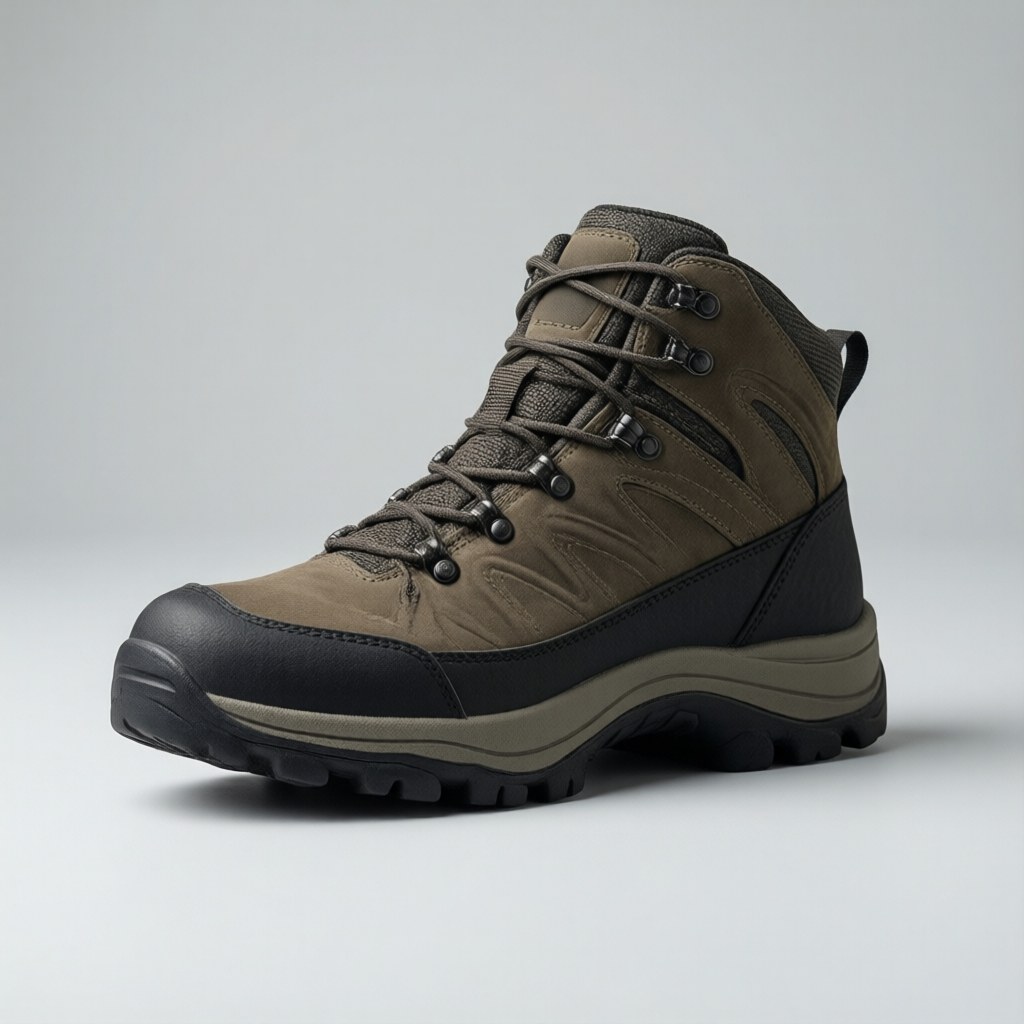
Weight: 1 lb 12 oz (men”s 9) | Drop: 11mm | Waterproof: Yes (Gore-Tex)
The chassis system borrows technology from Salomon”s trail running line, giving you a responsive feel without the wobble of a pure running shoe. Ankle collar padding is generous without restricting movement. The Quicklace system is divisive — some people love the convenience, others want traditional laces. We find it works well once you dial in the tension.
Best for Backpacking: Lowa Renegade GTX Mid
When you are carrying 40+ pounds on a multiday trip, you need a boot that will not let your feet fold. The Lowa Renegade GTX Mid has been the gold standard for backpacking boots for years, and the 2026 version keeps the crown. The Polyurethane MONOWRAP frame gives lateral stability that lighter boots simply cannot match.
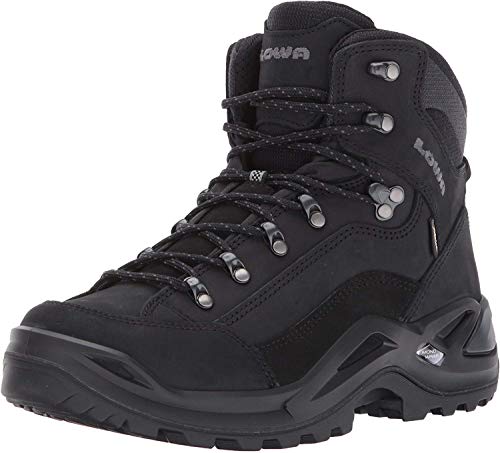
Weight: 2 lb 2 oz (men”s 9) | Drop: 9mm | Waterproof: Yes (Gore-Tex)
The Vibram Evo outsole is a proven performer on mixed terrain — rock, mud, loose gravel, wet roots. The leather upper develops character over time and, with proper care, lasts for years. Yes, they are heavier than the Salomons. That weight buys you stability that could save an ankle on a loaded descent.
Best Lightweight: Merrell Moab 3 Mid Waterproof
The Merrell Moab has earned its reputation as the boot people buy when they want something that works without overthinking it. The Moab 3 continues that tradition with incremental improvements: better cushioning in the midsole, a more protective toe cap, and an updated Vibram TC5+ outsole that grips noticeably better on wet surfaces than the previous version.
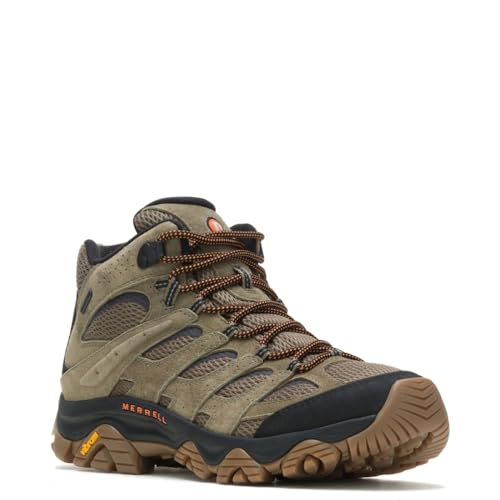
Weight: 2 lb 4 oz (men”s 9) | Drop: 10mm | Waterproof: Yes (M-Select Dry)
The Moab”s biggest strength is accessibility. It requires minimal break-in, comes in wide sizes, and the fit works for most foot shapes out of the box. It is not the lightest boot on this list, and it is not the most technical — but for day hikes and weekend backpacking trips, it gets the job done reliably. The price point makes it an easy recommendation for people just getting into hiking.
Best Waterproof: Columbia Peakfreak II Outdry
Most waterproof hiking boots use a waterproof sock liner inserted between the outer material and the lining. Columbia”s Outdry technology bonds the waterproof membrane directly to the outer shell, which means less material between your foot and the outside. The result: faster drying, better breathability, and less weight.
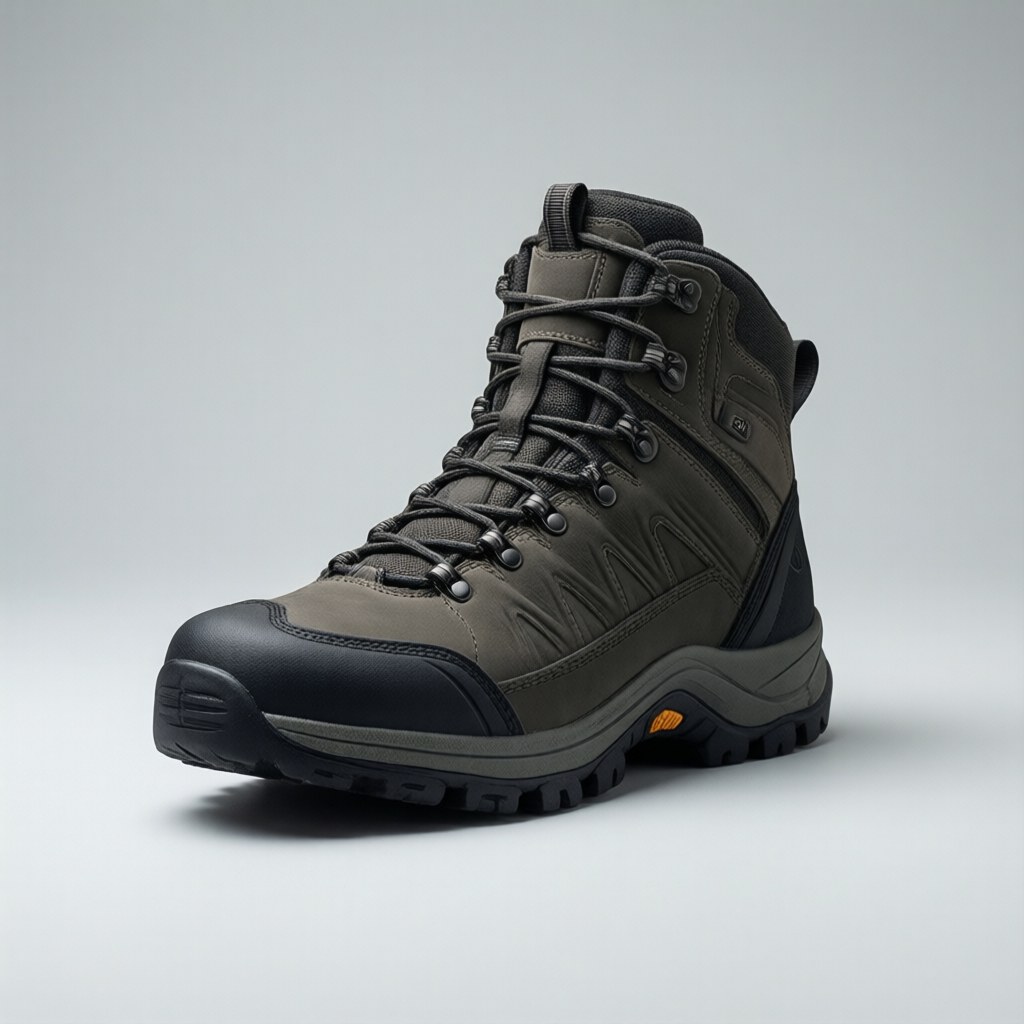
Weight: 1 lb 10 oz (men”s 9) | Drop: 8mm | Waterproof: Yes (Outdry)
The Navic Fit system wraps the midfoot without creating pressure points, and the Techlite+ midsole provides responsive cushioning that does not bottom out on long descents. This is one of the lightest waterproof mid-cut boots available, and it performs well above its weight class. If you hike in wet conditions regularly, the Outdry advantage is real.
Best Budget: Keen Targhee III Mid WP
Keen boots have a polarizing fit — wide in the toe box, generous throughout — but for people with wider feet, they are a godsend. The Targhee III Mid WP is the best budget hiking boot that does not feel like a compromise. The KEEN.DRY membrane is Keen”s proprietary waterproofing, and while it is not Gore-Tex, it performs respectably in moderate conditions.
Weight: 2 lb 5 oz (men”s 9) | Drop: 8mm | Waterproof: Yes (KEEN.DRY)
The Targhee”s biggest selling point is value. At its typical price point, you get a leather and mesh upper, a decent Vibram outsole, and a comfortable fit right out of the box. Durability is the trade-off — expect 300-500 miles before the sole starts showing significant wear, compared to 500-800+ for the Lowas or Salomons. For casual hikers, that is years of use.
Best for Technical Terrain: La Sportiva Ultra Raptor II Mid GTX
When the trail turns into scrambling, scree fields, or steep off-trail routes, you need a boot that can handle the unpredictable. The La Sportiva Ultra Raptor II Mid GTX is built for exactly that. The FriXion XT outsole uses two different rubber compounds — softer at the toe for grip on rock, harder at the heel for durability on abrasive terrain.
Search for La Sportiva Ultra Raptor II
Weight: 2 lb 1 oz (men”s 9) | Drop: 6mm | Waterproof: Yes (Gore-Tex Extended Comfort)
The lower drop (6mm) puts you closer to the ground for better stability on uneven surfaces. The EVA midsole with a shock-absorbing insert handles the impact of steep descents without jarring your knees. This is not a boot for flat trail walking — it shines when the terrain gets serious.
Best for Women: Salomon X Ultra 4 GTX Women”s
The women”s version of the X Ultra 4 is not just a downsized men”s boot. Salomon builds it on a women-specific last with a narrower heel, lower volume instep, and different flex profile. The result fits better for most women”s feet without compromising any of the performance that makes the X Ultra 4 our top overall pick.
Weight: 1 lb 8 oz (women”s 8) | Drop: 11mm | Waterproof: Yes (Gore-Tex)
Same Contagrip outsole, same Quicklace system, same chassis stability — just built for a different foot shape. If you have struggled with heel slip or pinched toes in “unisex” boots, the women-specific fit is worth seeking out.
How to Choose the Right Boot for You
- Day hiking on maintained trails: Go lightweight. The Merrell Moab 3 or Salomon X Ultra 4 are ideal. You do not need heavy backpacking boots for day trips.
- Backpacking with a loaded pack: Prioritize ankle support and durability. Lowa Renegade or La Sportiva Ultra Raptor II will protect your feet over long miles with heavy loads.
- Wet conditions are the norm: Columbia Peakfreak Outdry or any Gore-Tex option. Remember: waterproof boots trap moisture too. Carry gaiters for stream crossings.
- Wide feet: Keen Targhee III or go up half a size in any model. Do not suffer through narrow boots — foot problems compound fast on the trail.
Breaking In Your Boots: The Right Way
- Week 1: Wear them around the house for 30-60 minutes a day. If anything hurts, return them. Break-in does not fix a bad fit.
- Week 2: Short walks in your neighborhood — 1-2 miles on pavement and flat ground.
- Week 3: Short day hikes on easy trails. Pay attention to hot spots and address them with moleskin before they become blisters.
- Week 4: Full day hike with your typical pack weight. If your feet are happy, you are ready for real trails.
Skip the “wear them in the shower” trick. It speeds up stretching but can deform the boot structure, especially with leather models. Patience beats shortcuts here.
Care Tips That Actually Extend Boot Life
- Clean after every trip: Mud and grit degrade waterproof membranes and abrade stitching. A soft brush and lukewarm water is all you need.
- Dry properly: Never use direct heat (fire, radiator, hair dryer). Heat cracks leather and delaminates soles. Stuff with newspaper and let them air dry.
- Reproof annually: Nikwax or Grangers waterproofing treatment restores DWR coating. Do this once a year or whenever water stops beading on the surface.
- Resole before it is too late: Quality boots with Vibram soles can be resoled. If you wait until the midsole is exposed, you have gone too far.
The Bottom Line
The best hiking boot is the one that fits your foot, matches your terrain, and carries your load without destroying your feet. The Salomon X Ultra 4 GTX is the best all-around choice for most hikers. The Lowa Renegade GTX Mid is the one to beat for loaded backpacking. And the Merrell Moab 3 remains the best entry point for new hikers who just want something that works.
Spend the money on good boots. Your feet carry you everywhere — treat them right.
n
GearHound is reader-supported. When you buy through links on this site, we may earn an affiliate commission at no extra cost to you.
⛺ Get Your Free Camping with Your Dog Checklist
Join our newsletter and get this free printable plus weekly tips.
Price Check
Prices verified via our product tracker. Updated Sep 27.
| Amazon.com | Salomon X Ultra 4 Mid GTX Men's Hiking Shoes | $165.00 | 4.4★ (1,058) |
| Amazon.com | Merrell Men's Moab 3 Mid Waterproof Hiking Bo | $140.00 | 4.5★ (5,208) |
| Amazon.com | Columbia Men's Peakfreak II Outdry Leather Lo | $80.00 | 4.5★ |
| Amazon.com | KEEN Men's Pyrenees Mid Height Waterproof Hik | $180.00 | 3.9★ (2,407) |
As an Amazon Associate we earn from qualifying purchases.