This article contains affiliate links. We may earn a commission from qualifying purchases.
Some content on this site is AI-assisted and reviewed by our editorial team.
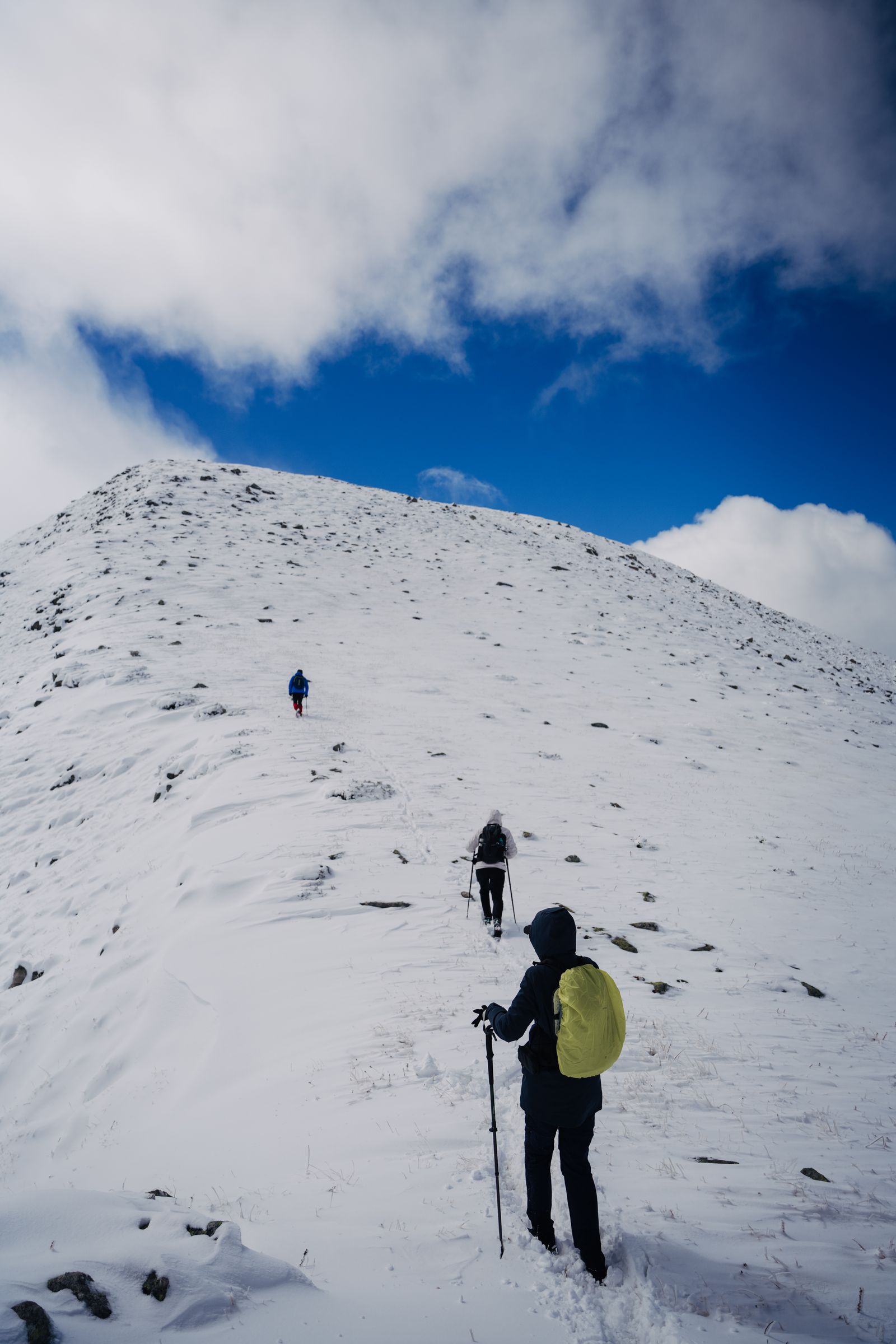
Somewhere past the middle of November, the light dies faster than your plan. You head out at 2 pm for a quick loop with a water bottle, the sun drops before 5, and one bad step on an icy root turns a mile from the truck into an unplanned night. Most day hikers carry no shelter at all. That is the exact hole an emergency bivvy fills: a few ounces of heat-reflective fabric that turn the coldest hour of your life into an uncomfortable wait instead of a headline.
I pulled the current Amazon listings, checked the live prices, and ranked the bivvies by packed size and how much heat they actually keep around you. Here is the shortlist.
SOL Escape Bivvy with Hood — The Reusable Breathable One
The SOL Escape Bivvy with Hood is the only one in this class you can use year after year. Its fabric reflects about 70 percent of body heat while still letting moisture escape, which is the difference between waking up damp and staying warm through the night. There is a real drawstring hood and a side zip, so it works like a sleeping bag, not a trash bag you fight. It is about $85 right now, which stings until you compare it to one ruined down bag you would have slept in otherwise.
My take: If you day-hike enough to justify one piece of kit that doubles as an emergency bag and a cold-weather liner, this is the one to buy, and its only real con is the price tag.
SOL Emergency Bivvy — The One-and-Done Backup
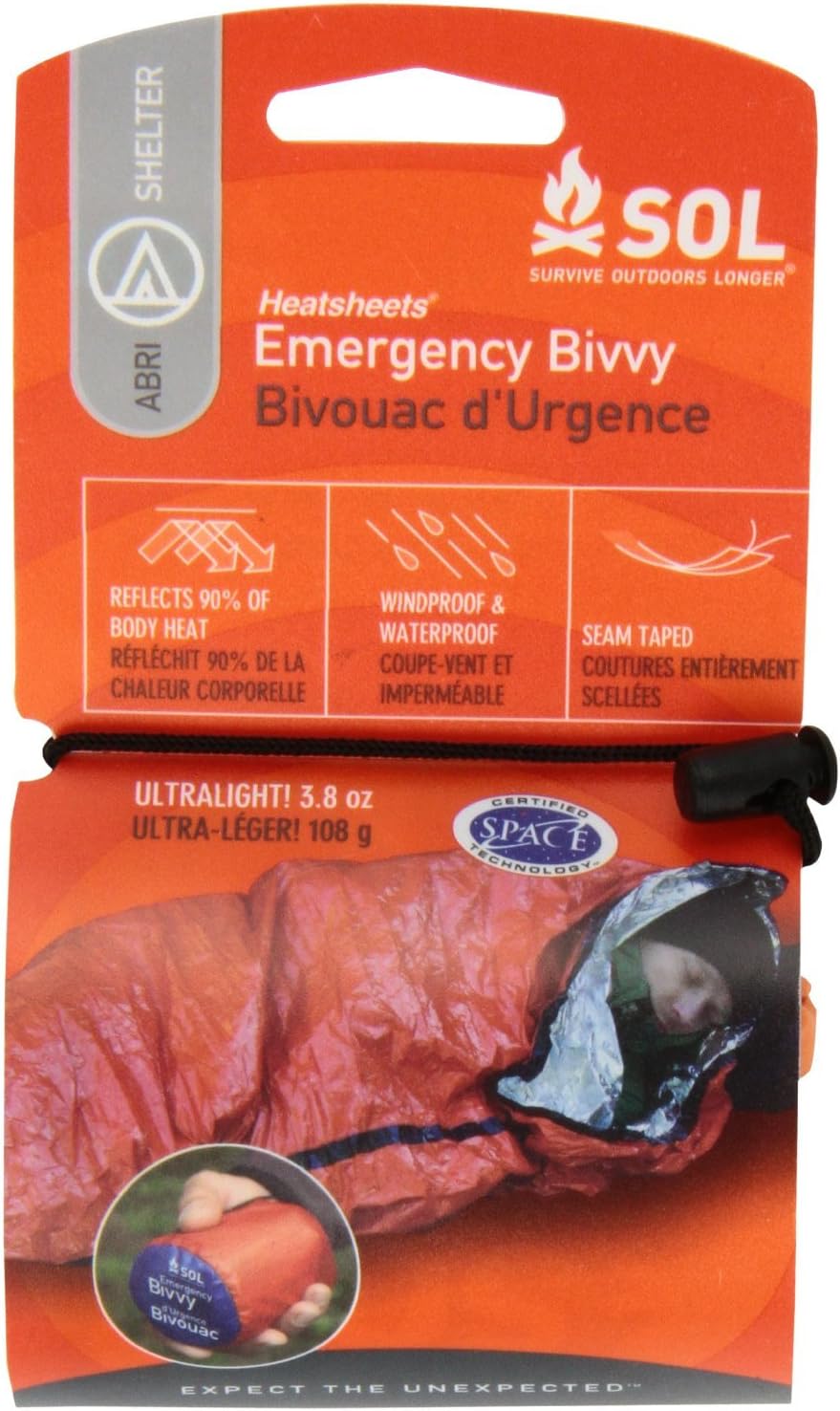
The SOL Emergency Bivvy is the foil-class original. It reflects about 90 percent of body heat, weighs 3.8 ounces, and stuffs smaller than a 12-ounce can, with a rescue whistle and tinder cord built into the drawstring. It lives in a hip pocket for years until the one night you need it. Live price is about $36 at the moment, higher than the old foil-bag expectation, but you are buying a name-brand envelope that actually seals instead of a clearance bag that splits. Honest cons: it is crinkly loud, the fabric is effectively single-trip, and there is no vent, so condensation is part of the deal.
My take: For a daypack that should never carry weight you will not miss, this is the correct insurance policy; just accept you will hear it rustling all night and replace it if it ever does its job.
Don’t Die in the Woods Emergency Bivvies (2-Pack) — The Share-One-Keep-One Pair
Two-person crews should carry two, and the cheapest honest way to do that is a Don’t Die in the Woods bivy 2-pack, which usually runs about $15 to $25 depending on the current pack. One rides in your pack, one in your partner’s, and neither of you ever has to share a mylar burrito. Honest con: thick mylar sacks tear on rocky ground and on thorny approaches, and a torn bivvy is a wind sock. Note: SOL’s breathable Escape Lite liner, the sleeping-bag trick, is currently unavailable on Amazon — check back rather than paying a marketplace markup.
My take: The pair costs less than most trailhead parking fees for a season of day hiking, but treat them as gentle-use envelopes, not bushwhacking armor.
Features That Actually Matter (And Ones That Don’t)
Packed size: If it is bigger than a water bottle, you will leave it behind — the whole point of the category. Heat reflection with breathability: 90 percent reflection in sealed foil sounds better than 70 percent in Escape fabric until hour two, when the 70-percent one is dry and the foil one has soaked your sleeve. The right answer depends on whether you can vent. A hood: You lose a huge share of heat through your head; a drawstring hood is worth more than any spec sheet. Loudness: Cosmetic until you try to sleep. Carabiners and branding: Do not pay for them.
The Value Math
Spend $25 to $36 on a foil envelope if the bivvy is a just-in-case line item; expect it to be replaceable. Spend about $85 on the Escape with Hood if you camp in shoulder seasons and want a liner that earns its spot all year. The wrong spend is $85 of foil you were going to tear out on night one, or $36 of breathable-expectation that never touches a sleeping bag. Cost per unplanned night survived is effectively zero on any of them.
How to Use One When the Light Is Gone
The envelope technique: sit on your pack to cut ground contact, step in feet-first like a sleeping bag, and pull the drawstring so only your face stays out. Vent it periodically rather than leaving it sealed — the breathable class survives damp far better than your bare sleeve does. Foil class gets treated the same but a little tighter: tape a torn seam the moment it happens, keep the fabric off thorns, and expect to re-pack it once and never fully. Keep the whistle in your hand instead of a pocket, and keep the phone warm, because a cold battery reads dead long before it is. That is the entire protocol — it fits on an index card, and it is why this category exists alongside the beacon-and-probe cluster.
Keep reading: pack the avalanche trio winter hikers keep skipping, and see which water tablets work when the filter freezes.
GearHound is reader-supported. As an Amazon Associate, I earn from qualifying purchases. That means if you buy through one of the links above, I get a small commission at no extra cost to you. I only recommend gear I’d actually carry into the field.
⛺ Get Your Free Camping with Your Dog Checklist
Join our newsletter and get this free printable plus weekly tips.
Frequently Asked Questions
Can you sleep through a night in an emergency bivvy?
Yes, with limits. A foil bivvy such as the SOL Emergency Bivvy keeps core heat in and wind out, so you survive the night, but it is crinkly, unventilated and best treated as a one-night tool. The breathable SOL Escape with Hood genuinely behaves like a thin sleeping bag and can double as a cold-weather liner on planned trips.
Bivvy sack versus emergency blanket: which actually keeps you warm?
A bivvy wins almost every time. An envelope traps a layer of warm air around your body and reflects radiant heat inward; a flat blanket unrolls itself in wind and loses heat through every open edge. The blanket-in-bag hybrids only work when you can actually seal the bag.
How small does an emergency bivvy pack down?
The foil class packs smaller than a 12-ounce soda can — the SOL Emergency Bivvy is 3.8 ounces — and hooded breathable bivvies run closer to a Nalgene bottle. If it is bigger than your water bottle, you will leave it behind, which is why packed size is the first spec that matters.
Do reflective bivvies really reflect 90 percent of body heat?
The reflectivity is real for radiant heat, but the number assumes a closed envelope against a base layer. Expect less once you add clothing, condensation and movement. Treat 90 percent as the ceiling, not the floor, and treat the hood as the feature worth paying for.
Liked this guide? Get the next one in your inbox — the camp packing checklist is free too.
✓ You're in — check your inbox.
No spam. Unsubscribe anytime. We never share your email.