
This article contains affiliate links. We may earn a commission from qualifying purchases.
Some content on this site is AI-assisted and reviewed by our editorial team.
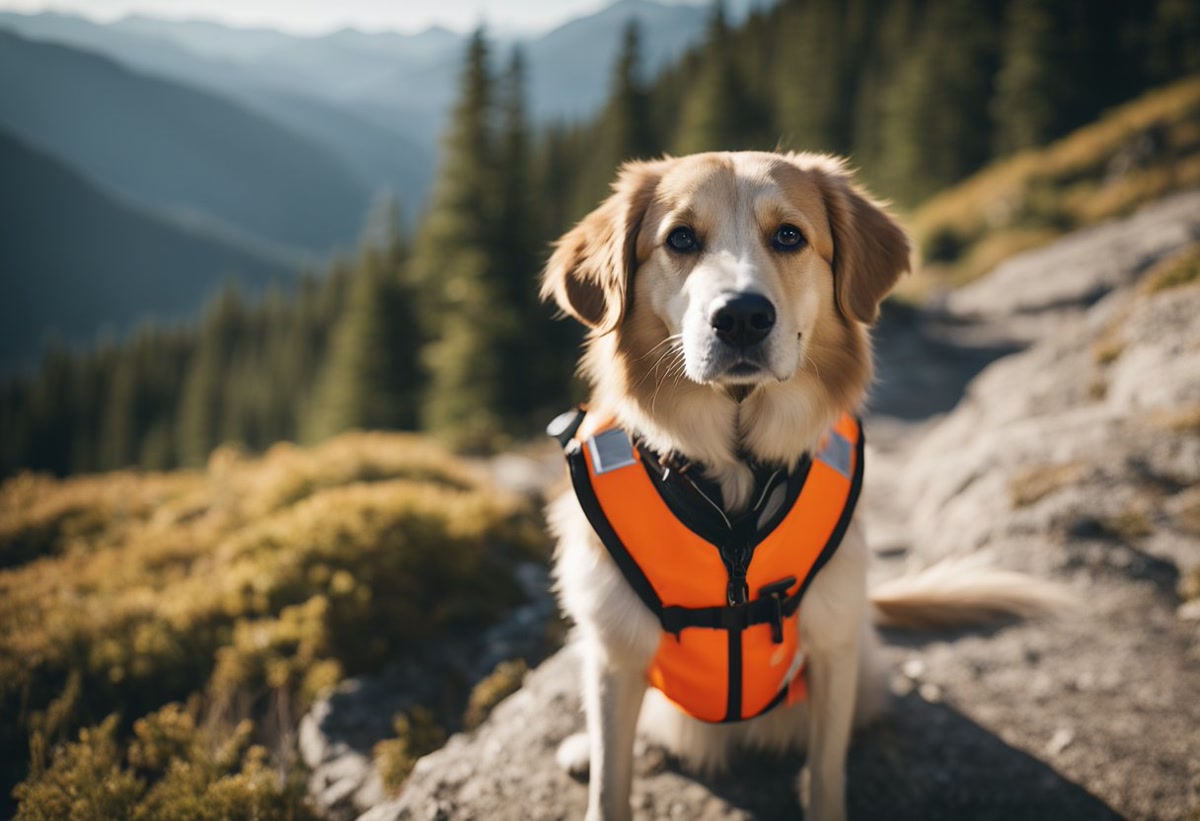
Why Most Dog Hiking Emergencies Are Preventable
Every year, search and rescue teams respond to calls that started with a simple day hike and ended with a dehydrated dog, a paw pad laceration, or a wildlife encounter gone wrong. The frustrating part? Nearly all of these incidents are preventable with basic preparation and the right gear.
I have logged over 500 miles of trail time with dogs across deserts, alpine forests, and coastal cliffs. Here is what I have learned about keeping your dog safe on the trail — the stuff they do not teach you in puppy class.
Before You Hit the Trail: The Pre-Hike Checklist
Five minutes of prep prevents most trail emergencies. Run through this list every time:
- Vaccines current? Rabies is non-negotiable — you never know what wildlife you will encounter.
- Trail allows dogs? Check trail regulations. Many national parks restrict dogs to paved areas or prohibit them entirely.
- Weather check? Ground temperatures above 120 degrees can burn paw pads. Air temperature above 75 degrees means you need cooling gear.
- Water packed? Plan 1 ounce of water per pound of dog per hour of hiking. A 50-pound dog needs 50 ounces per hour.
- First aid kit? A dedicated dog first aid kit takes 8 ounces of pack space and handles 90 percent of trail injuries.
Wildlife Encounters: What to Do
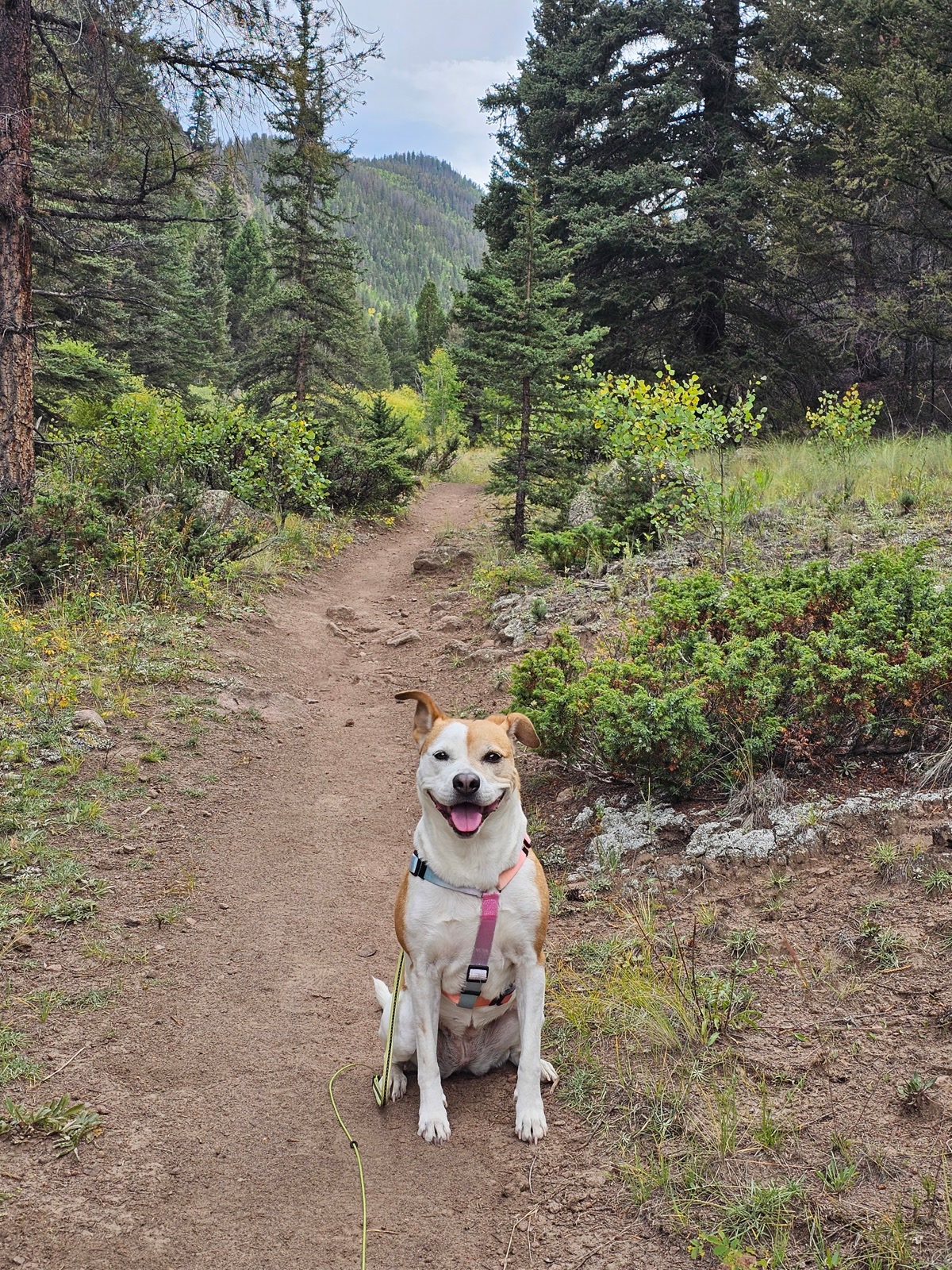
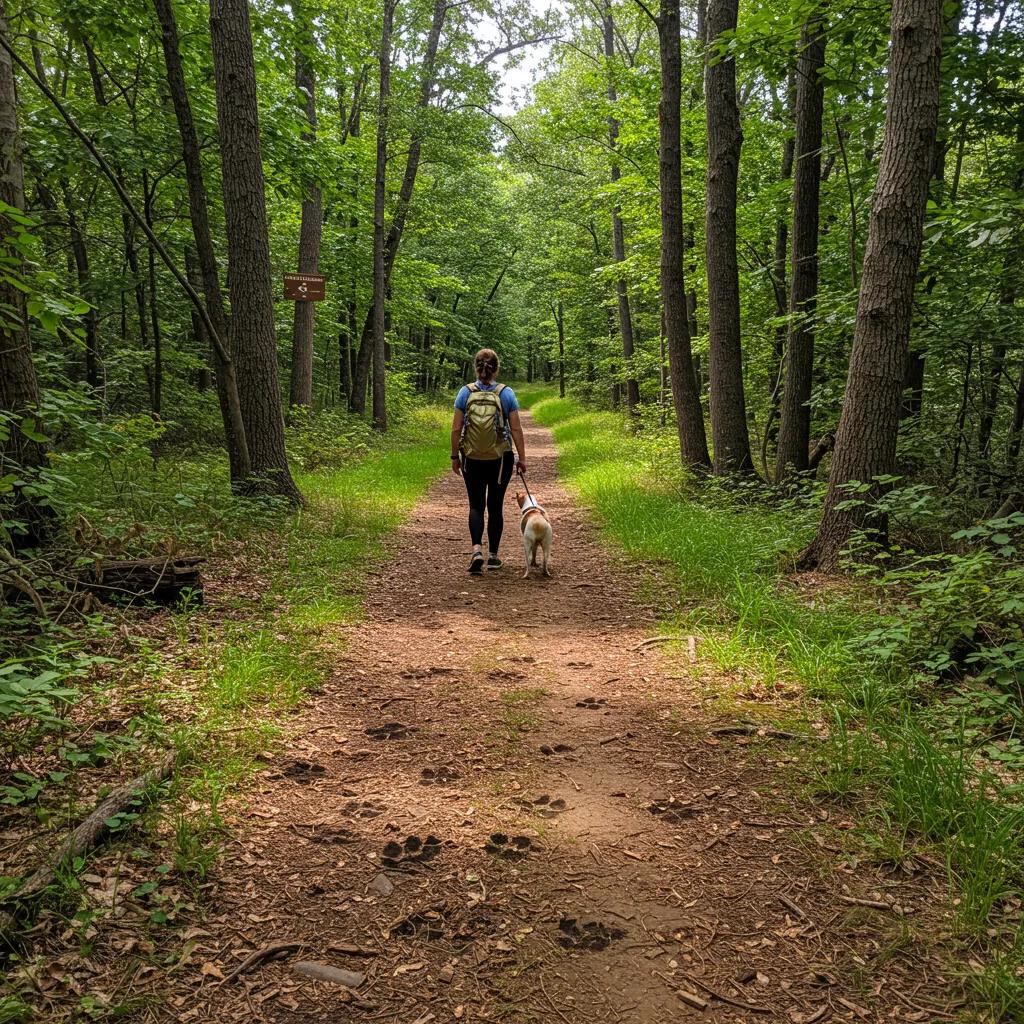
Wildlife is the most unpredictable risk on the trail. Here is how to handle the most common encounters:
Snakes: Rattlesnakes are active on trails from April through October in the western US. Keep your dog on leash in snake country — a leashed dog will not step on a snake, but an off-leash dog will investigate. If your dog is bitten, carry them to the car (do not let them walk — movement spreads venom faster) and go directly to an emergency vet. Snake aversion training is worth the 150-dollar cost if you hike regularly in rattlesnake country.
Bears: Black bears will usually avoid dogs, but a dog that chases a bear can lead it back to you. Keep your dog leashed in bear country. If you encounter a bear, recall your dog, keep them close, and back away slowly. Bear spray works on aggressive dogs too — carry it on your belt, not in your pack.
Coyotes and cougars: Coyotes will lure small dogs away from their owners. Cougars see dogs as prey. Keep small dogs leashed and close in predator territory. Do not let your dog investigate brush piles or dense cover where predators may bed down.
Porcupines: A face full of quills means a 500-dollar vet bill and a very painful dog. Quills must be removed under sedation — do not try it yourself. Keep your dog leashed in porcupine habitat, especially at dawn and dusk.
Heat and Dehydration: The Silent Killer
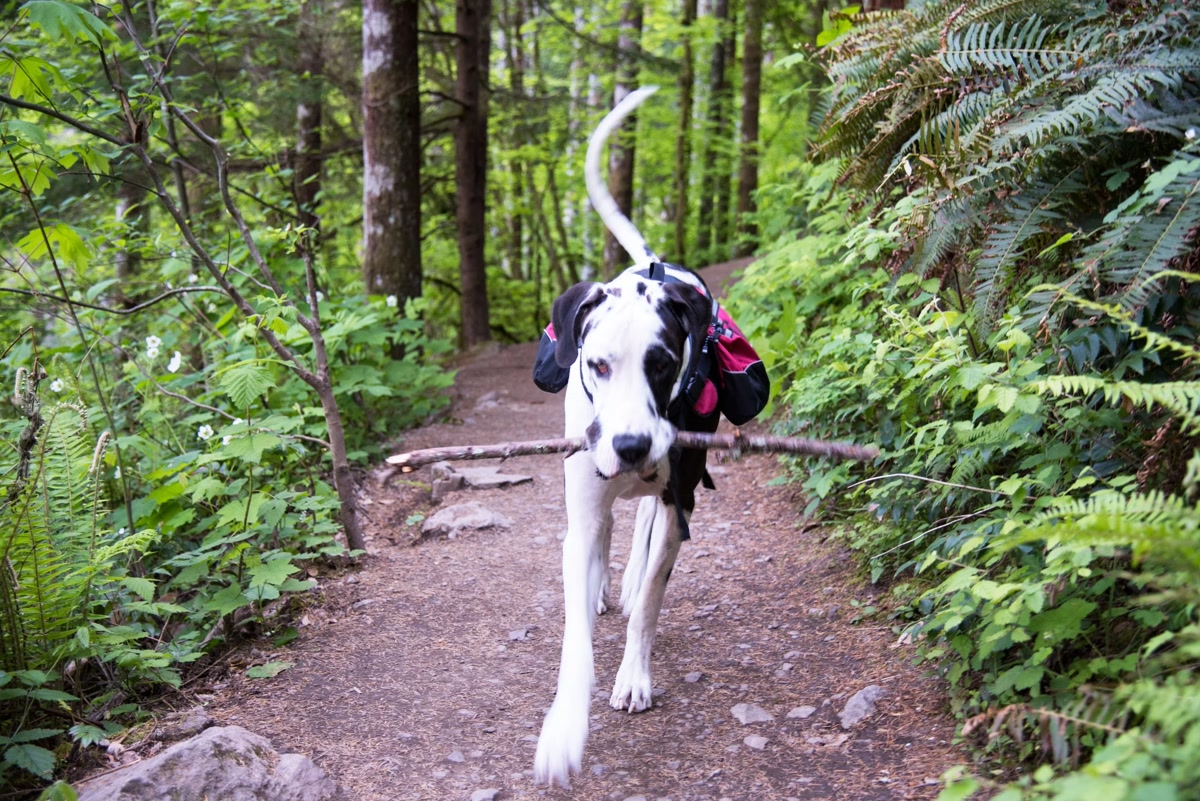
Heat is the most common cause of dog hiking emergencies. Dogs do not sweat — they cool through panting, which is far less efficient. A dog can develop heat exhaustion in 75-degree weather if they are working hard on a trail with no shade.
Warning signs:
- Heavy panting with tongue hanging far out — your dog is working hard to cool down
- Drooling, wobbly legs, or vomiting — heat exhaustion, stop immediately
- Collapse, bright red gums — heat stroke, medical emergency
If your dog shows signs of heat exhaustion, get them into shade, soak them with water (not ice — rapid cooling causes shock), and head back to the car. A cooling vest prevents this entirely — soak it at the trailhead and your dog stays 8-12 degrees cooler on the trail.
Always carry a collapsible water bowl. Dogs cannot drink from a bottle — they need a bowl to lap from.
Paw Protection: When the Ground Burns
Ground temperature is 30-40 degrees hotter than air temperature in direct sun. A 90-degree day means 120-degree pavement. That burns your dog’s paw pads within 60 seconds of contact.
Test the ground with the back of your hand pressed flat for 7 seconds. If you cannot hold it, your dog cannot walk on it. For hot trails, use dog boots or stick to shaded trails and early morning hikes.
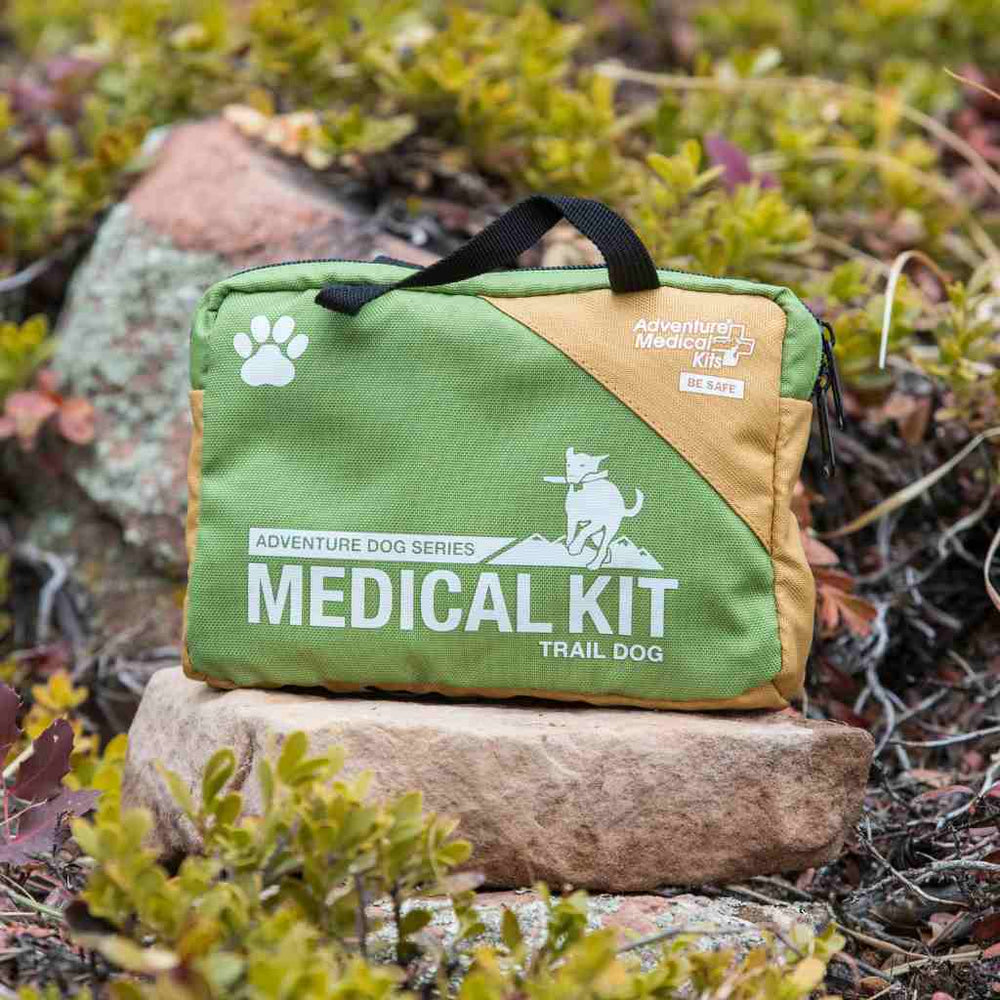
The Trail Dog First Aid Kit: 12 Essentials
A dedicated dog first aid kit handles most trail injuries. Here is what to carry:
- Dog first aid kit (pre-made, 8 oz)
- Tweezers for tick removal
- Bandaging material for paw cuts
- Antiseptic wipes
- Electrolyte powder for dehydration
- Blunt-tip scissors
- Vet wrap (self-adhesive)
- Hemostatic gauze for serious bleeding
- Dog-safe antihistamine (ask your vet for dose)
- Emergency blanket for shock
- Tick remover tool
- Spare leash
The pre-made Adventure Medical Trail Dog Kit includes most of these items in a waterproof pouch. Add the extras to round it out.
Emergency Action Plan
If something goes wrong on the trail, you need a plan before you need it. Before every hike:
- Save the nearest emergency vet number in your phone (not just your regular vet)
- Know your exact trail location — download offline maps so you can direct rescuers
- Carry your dog’s vaccination records (photo on your phone is fine)
- Know your dog’s normal resting heart rate (60-140 bpm depending on size) so you can recognize abnormal
- Have a carry plan: small dogs can be carried in a pack, large dogs need a makeshift stretcher (two trekking poles and a jacket)
If your dog is injured on the trail, do not let them walk if they can avoid it. Walking on a leg injury makes it worse. Carry small dogs in your pack. For large dogs, use a dog backpack as a support sling under their belly.
The Bottom Line
Most trail emergencies are preventable. Carry a first aid kit, a collapsible bowl, and a cooling vest for hot weather. Keep your dog leashed in wildlife country. Know the signs of heat exhaustion. Save the nearest emergency vet number before you hit the trail. Five minutes of preparation prevents 90 percent of the things that can go wrong.
See also: Best Dog Rain Coats 2026: Waterproof Gear That Keeps Your Dog Dry on the Trail, Best Backpacking Water Filters 2026: How to Get Safe Water on the Trail, Best Dog First Aid Kits 2026: Pre-Made Kits and DIY Build Lists for Trail Dogs.
GearHound is reader-supported. When you buy through links on this site, we may earn an affiliate commission at no extra cost to you.
⛺ Get Your Free Camping with Your Dog Checklist
Join our newsletter and get this free printable plus weekly tips.
Price Check
Prices verified via our product tracker. Updated Sep 27.
| Amazon.com : Ruffwear, Swamp Cooler Dog Harness, Lightweig | $59.99 | 4.4★ (406) |
| Pet Supplies : Dog Bowl Pet Collapsible Bowls, 2 Pack for | $6.98 | 4.7★ (31,067) |
| Amazon.com : Dog First Aid Kit - Vet-Approved Emergency Ki | $19.95 | 4.7★ (229) |
| Amazon.com: Ruffwear, Approach Pack Dog Backpack, Blue Dus | $59.99 | 4.6★ |
As an Amazon Associate we earn from qualifying purchases.