This article contains affiliate links. We may earn a commission from qualifying purchases.
Some content on this site is AI-assisted and reviewed by our editorial team.
Three Days in the Same Shirt, and Nobody Knew
There’s a specific moment on a cold-weather trip where base layers stop being gear-nerd talk and start being the whole game: day two of a three-day hunt or a late-October backpacking loop, when your synthetic base layer has been sweated in, rained on, and dried by body heat twice, and the smell arrives in camp before you do. Merino wool doesn’t have that moment. It insulates when damp, it doesn’t hold odor, and it’s the difference between packing one shirt for a weekend or three.
The problem is the price spread: $70 to $125 for what looks like a long-sleeve t-shirt. The honest truth underneath the marketing is that fit and fabric weight matter more than the brand name — a 200-weight crew that actually fits next-to-skin beats a 250-weight that hangs loose, and 100-percent merino runs fragile under pack straps no matter whose logo is on the chest. I pulled the three merino crews most hikers actually end up choosing between, checked tonight’s real prices, and here’s what actually separates them.

One warning up front: pure merino is not a buy-it-for-a-decade fabric. It’s a buy-it-for-three-to-five-seasons fabric that rewards gentle washing and punishes Velcro. Buy accordingly.
Icebreaker Merino 200 Oasis Long Sleeve Crewe — The Benchmark Fit
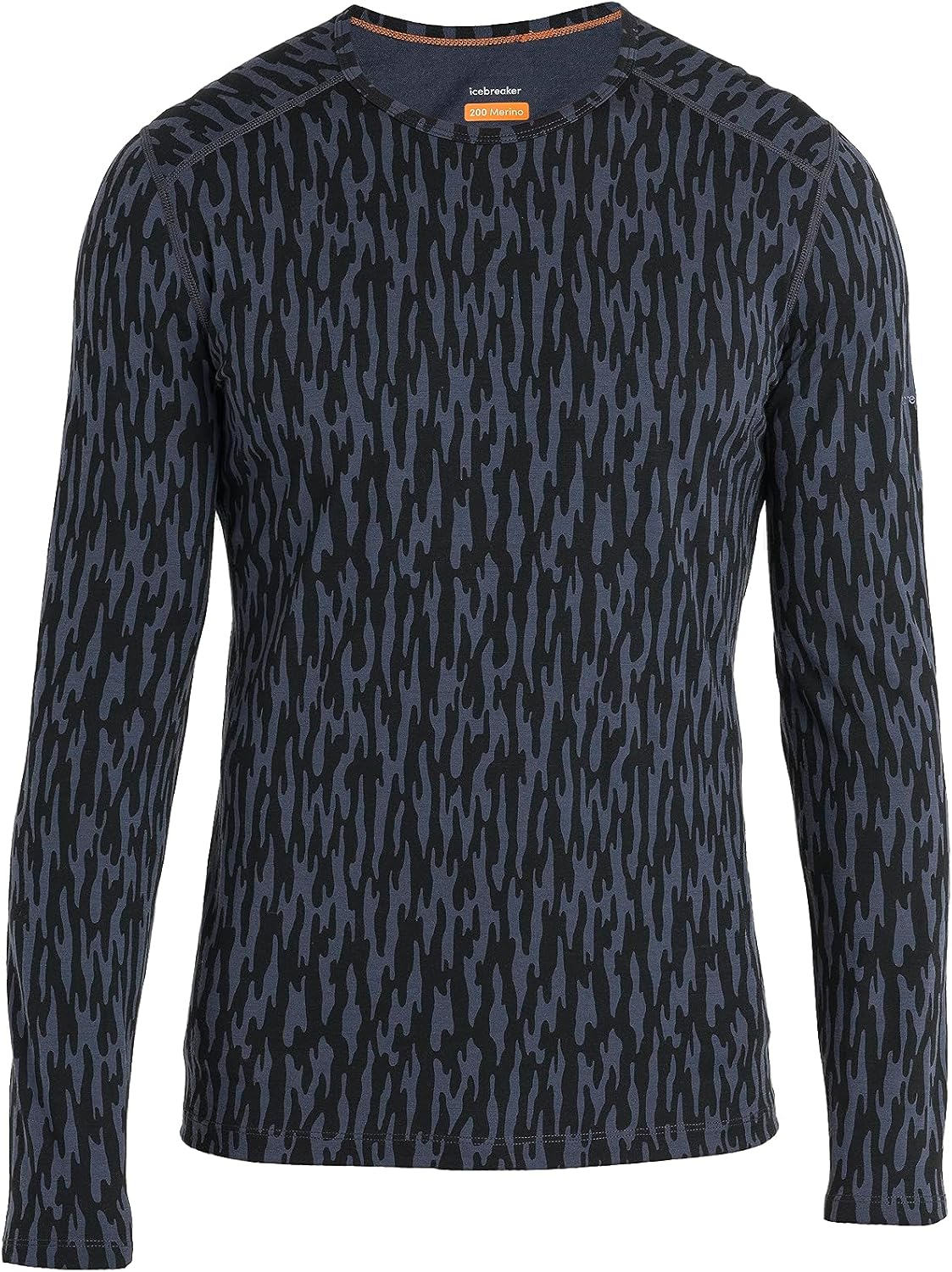
The Icebreaker 200 Oasis is the top every review site measures the rest against, and the reason is fit: flatlock seams that don’t sit under pack straps, a body length that stays tucked, and a collar that doesn’t bag out. The 200-weight knit is the all-arounder — warm under a shell in November, not stifling on a 40-degree climb. Tonight it’s about $73 in the Glacial Flow colorway, well under the $110 list these have carried the last few seasons. The honest con: pure merino at this weight pills under pack straps faster than the marketing admits — expect fuzz on the shoulders by season two if you hike with a loaded pack weekly.
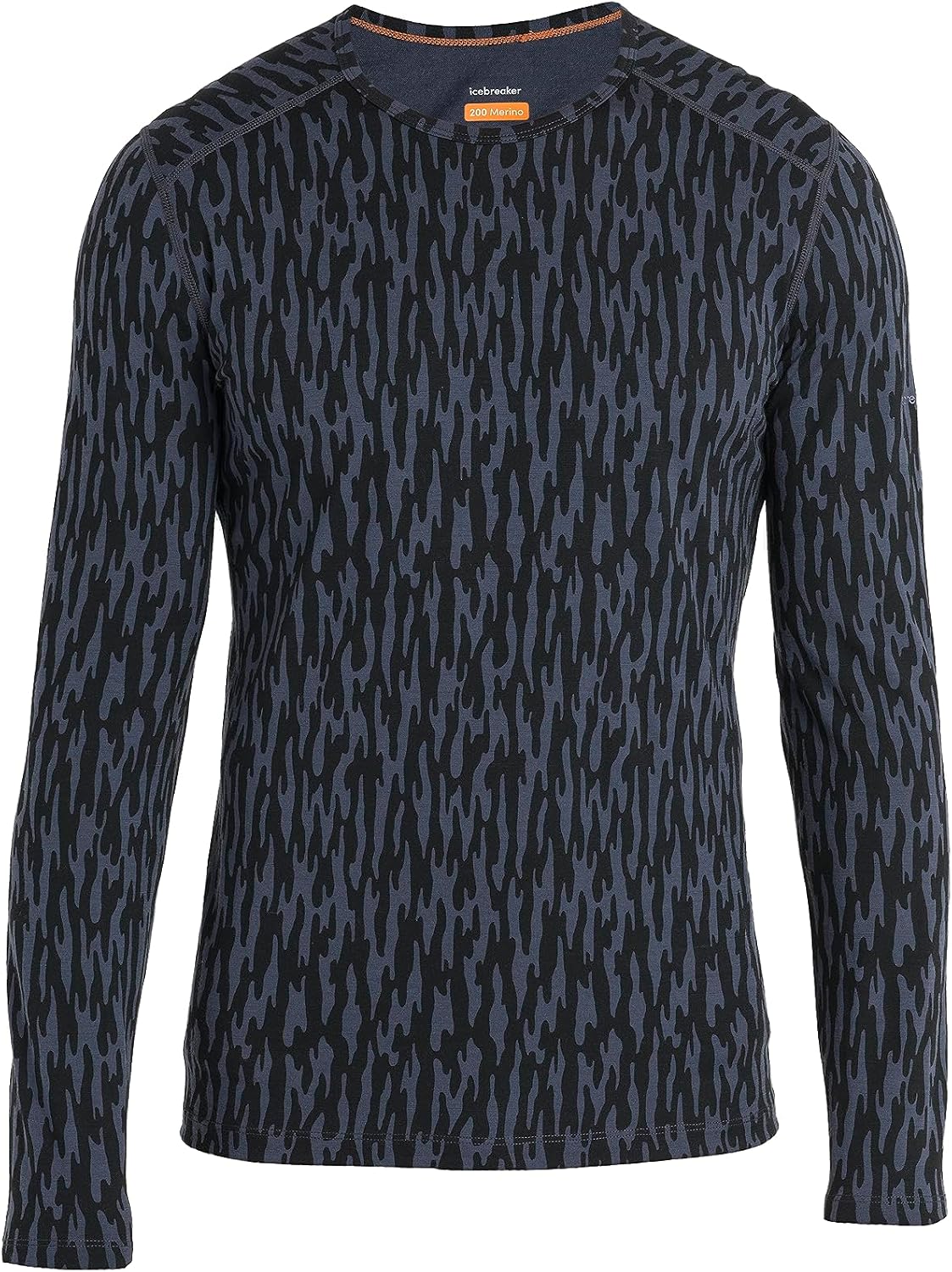
My take: the best-fitting midweight in merino, and tonight’s price is the best I’ve seen on it — if it fits your budget, stop comparison-shopping.
Minus33 Chocorua Midweight Crew — The Overlooked Workhorse
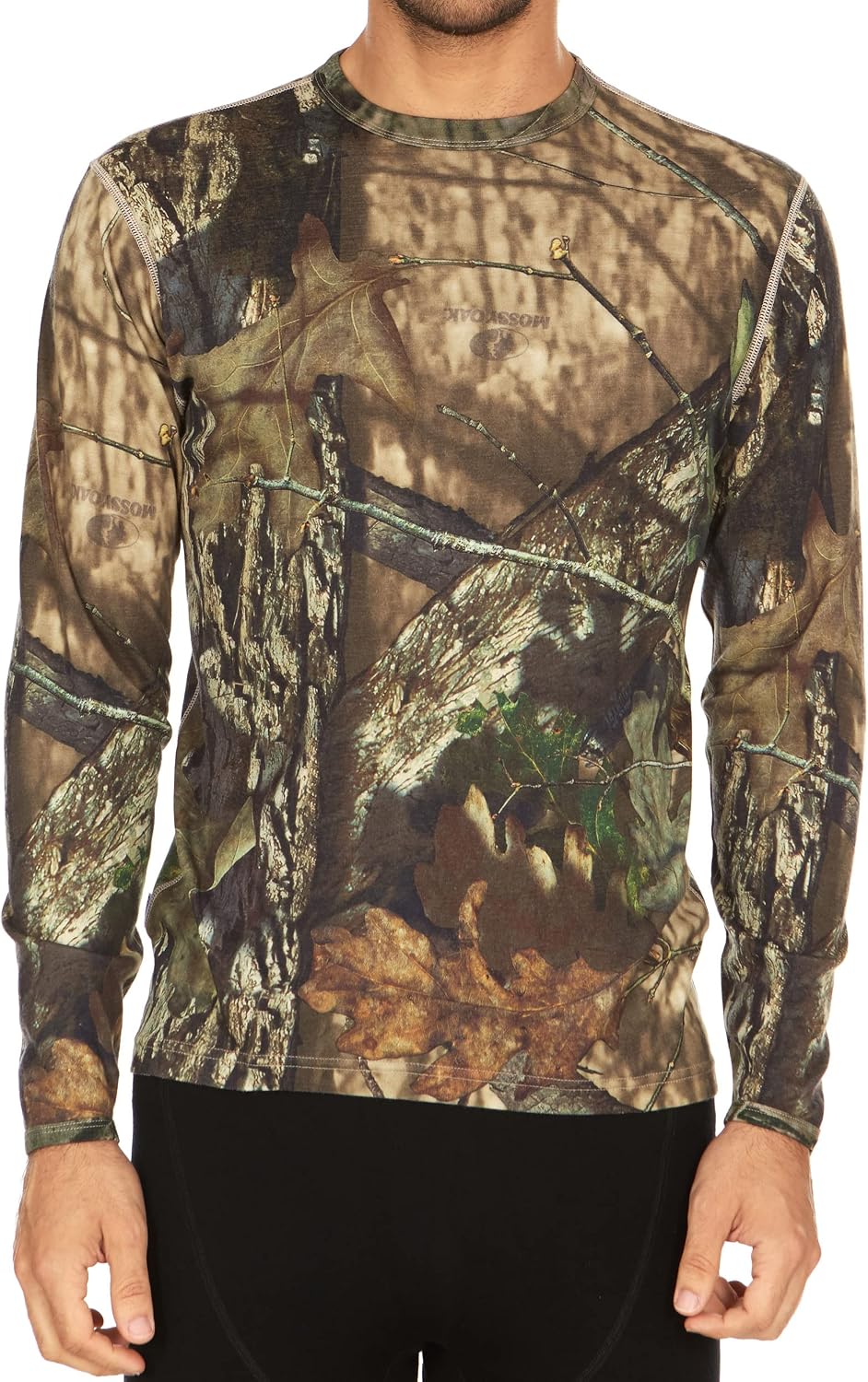
The Minus33 Chocorua is the pick nobody’s heard of who owns one swears by: full-grade 100-percent American-processed merino at about $100 tonight, with a midweight knit that sits right between Icebreaker’s 200 and 260 classes. New Hampshire-made, no fancy seam mapping, just a properly cut crew that does the job. Two honest cons: the fit runs generous — size down if you want it next-to-skin the way a base layer is supposed to work — and the color selection reads like a hunting catalog, all earth tones and blaze. Note tonight’s price honestly: it’s not the 40-percent-undercut deal it was in past seasons; at $99.99 it’s the same shelf as the big brands, so buy it for the fit and the wool grade, not for a bargain.
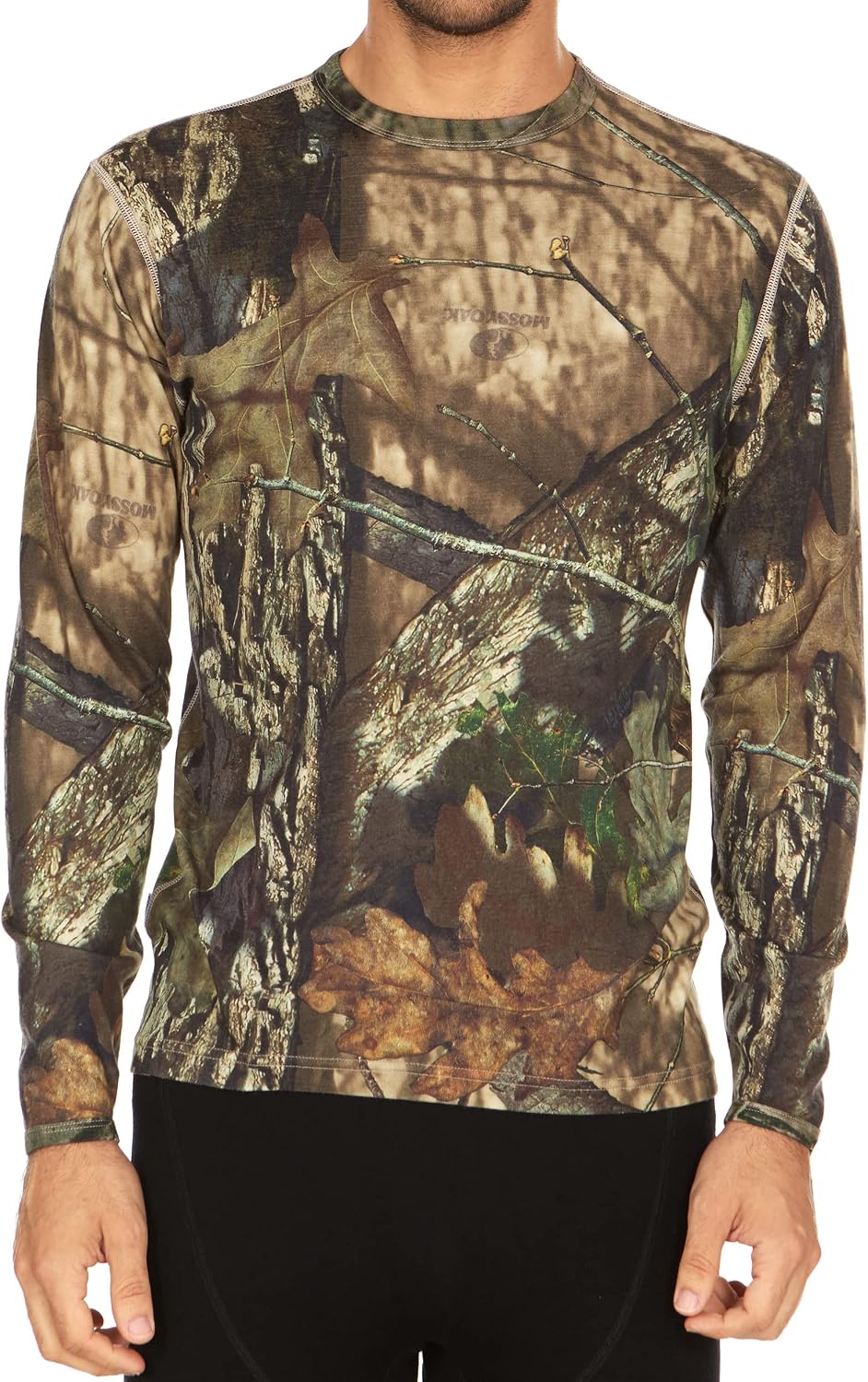
My take: the equal of the famous crews for durability and warmth — but check the fit chart and size down, because generous-cut merino is a midlayer, not a base layer.
Smartwool Classic Thermal Merino Crew — The Deep-Cold Heavyweight
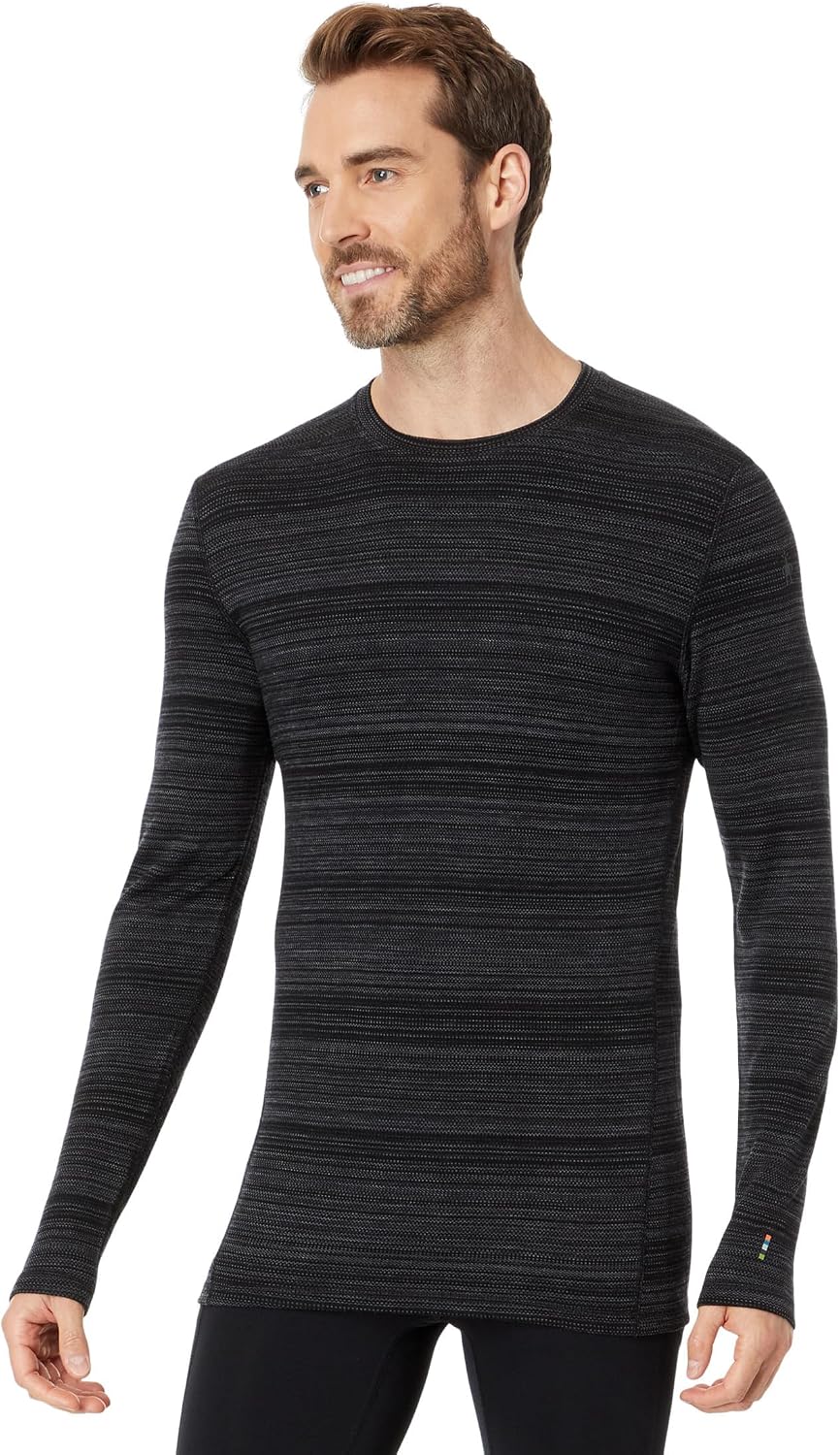
The Smartwool Classic Thermal crew is the 250gsm interlock-knit answer to genuinely cold days: sitting in a treestand at dawn, snowshoeing at 15°F, ice fishing, or winter camping where you’ll stop moving for hours at a stretch. It’s plush enough to wear as a sweater around camp. Tonight it’s about $100, currently below its $115 list — a genuine deal window. The honest cons: heavyweight merino overdresses fast — wear it on a high-output climb and you’ll be the sweatiest hiker on the trail — and the interlock knit, while tougher than most, still snags on branch tips. It’s a sitting-and-late-season piece, not an all-season one.
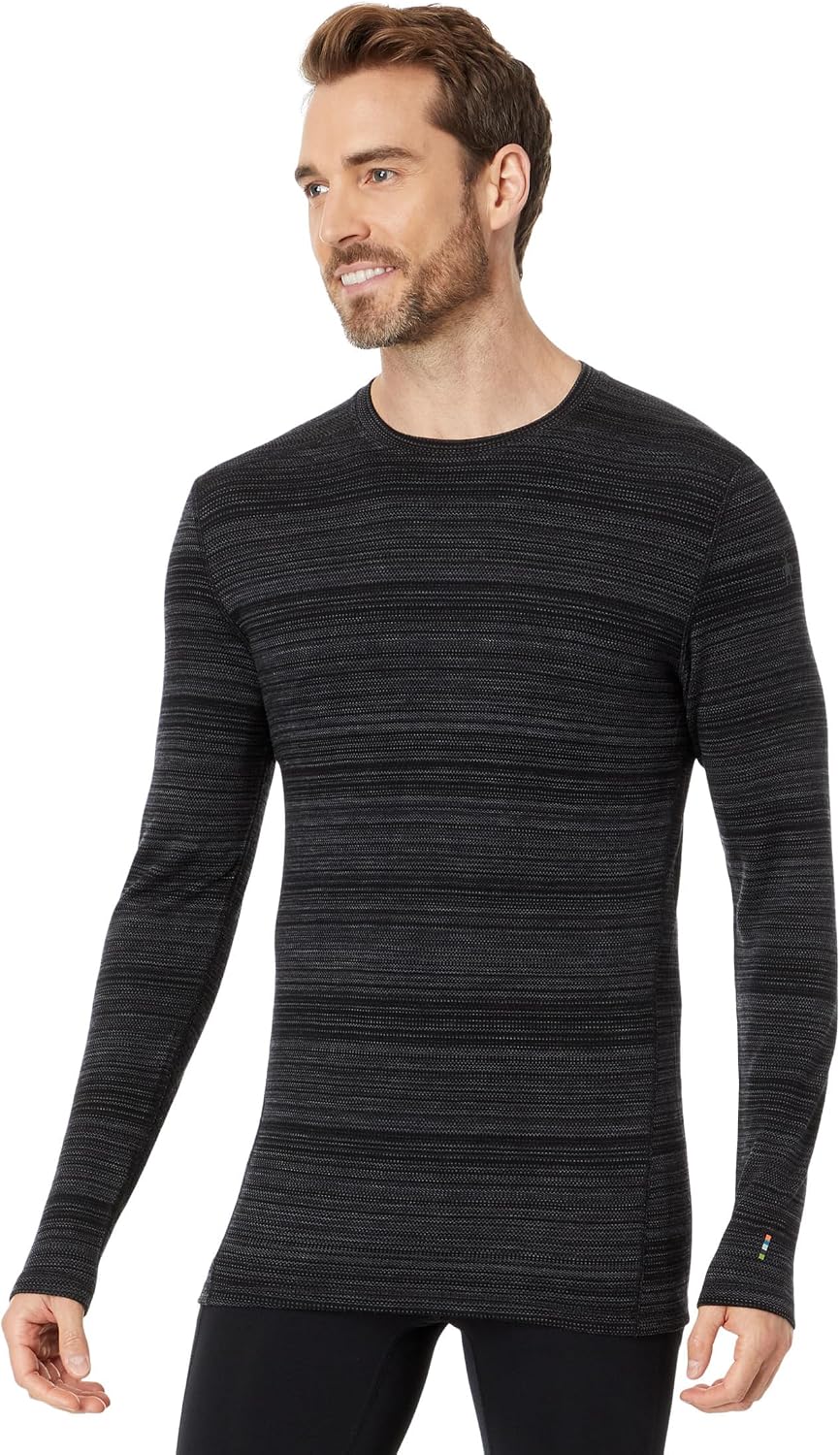
My take: if your cold-weather trips are stop-and-sit rather than move-all-day, this is the warmest single layer you can put next to skin — buy it for January, not October.
The Durability Question Nobody Answers Honestly
The category’s open secret is that pure 100-percent merino — all three shirts above — is fragile by gear standards. Every brand knows it, which is why the industry’s real fix is nylon-core blends: merino fiber spun around a nylon filament, trading a little softness for a lot of lifespan. Ridge Merino’s Aspect crew (about $90, sold brand-direct) is the best-known of these, and it’s the pick for brushy hunters and pack-strap grinders — just note it’s sold through Ridge’s own site rather than Amazon, so I’m not linking it here. The blends give up maybe ten percent of the pure-wool softness at the wrist and gain double the seasons of wear. If you shred base layers, that’s the trade to make.

Before you buy: merino sells out in popular sizes by late November — start a free 30-day Prime trial here — free two-day shipping, and you can cancel anytime.
Features That Actually Matter (And Ones That Don’t)
Fabric weight is your temperature dial. 200-weight for October-through-December movement, 250-weight for sitting cold and January. Owning one of each covers more conditions than owning two of the same.
Next-to-skin fit is the whole point. A loose merino shirt is a midlayer with a midlayer’s warmth. If it doesn’t hug, size down — especially Minus33.
Flatlock seams or nothing. Raised seams under a 30-pound pack’s shoulder straps is the most common one-star review on every merino top in existence. All three picks above have them.
Odor resistance is real, but not magic. Three days: genuinely fine. A week: you’ll know, and so will camp. Air it out nightly and it goes the distance.
Thumb loops and droptails sound gimmicky until a cold morning. Droptail keeps the shirt tucked when you bend; thumb loops keep sleeves anchored under gloves. Cheap features worth having.
What to Spend Where
- One shirt, whole winter (moving): Icebreaker 200 Oasis at tonight’s ~$73 — the do-everything pick.
- Cold sitter: Smartwool Classic Thermal at ~$100 while it’s under list.
- Fit-first value: Minus33 Chocorua at ~$100, sized down one.
- Brush-and-straps abuse: a nylon-core blend (Ridge Merino direct, ~$90) — accept the softer-is-purer tradeoff and double the lifespan.
Keep reading: the snowshoe guide for when those trails fill in and the hand warmers that still feel hot on hour five round out the cold-weather kit.
GearHound is reader-supported. As an Amazon Associate, I earn from qualifying purchases. That means if you buy through one of the links above, I get a small commission at no extra cost to you. I only recommend gear I’d actually carry into the field.
Related guides
- When to Buy Gear: The Complete Deal Calendar for 2026
- Dog First Aid Kit Essentials: What to Pack for Hikes and Road Trips
- Summer Dog Safety on the Trail: Heat, Hydration, and When to Turn Around
- Best Dog Backpacks for Hiking 2026: 5 Packs That Let Your Dog Carry Their Share
- How to Pack a Backpack for Hiking With Your Dog: A Complete Guide
⛺ Get Your Free Camping with Your Dog Checklist
Join our newsletter and get this free printable plus weekly tips.
Frequently Asked Questions
Is merino wool actually better than synthetic base layers?
For odor and damp-warmth, yes — the guide's three-day test: merino insulates when damp and doesn't hold odor, which is the difference between packing one shirt for a weekend or three. The synthetic moment — day-two smell arriving before you do — is the whole case for merino in one anecdote.
Which merino base layer is best for cold weather?
By weight and use — the guide's picks: the Icebreaker Merino 200 Oasis as the benchmark midweight fit, the Minus33 Chocorua as the overlooked workhorse, and the Smartwool Classic Thermal for deep-cold heavyweight duty. The weight number matches the temperature, not the brand story.
How durable is merino wool compared to synthetic?
Less durable, honestly — the guide's durability section tackles the question nobody answers straight: merino wears faster than synthetic, which is why fit and care matter, and the midweight picks balance longevity against the ultralight fragility. The honest trade is comfort and odor control in exchange for careful ownership.
Liked this guide? Get the next one in your inbox — the camp packing checklist is free too.
✓ You're in — check your inbox.
No spam. Unsubscribe anytime. We never share your email.
Prices move fast. Start your Amazon trip from our Shop & Support page and your purchases support GearHound at no extra cost to you.
Price Check
Prices verified via our product tracker. Updated Oct 31.
As an Amazon Associate we earn from qualifying purchases.