
This article contains affiliate links. We may earn a commission from qualifying purchases.
Some content on this site is AI-assisted and reviewed by our editorial team.
Dog Sleeping Bags for Camping: Keeping Your Dog Warm at Night
Last updated: June 2026 | By GearHound
I learned about dog sleeping bags the hard way. On a late-season trip in the Smokies, temperatures dropped into the low 30s overnight. My husky-mix was fine — she barely noticed the cold. But my buddy’s beagle was shivering by midnight, and we ended up zipping him into a spare jacket and piling extra clothes around him. It worked, barely. But it was a long, miserable night for everyone involved.
The truth is, not every dog handles cold nights the way your husky does. Breed, coat type, age, body fat, and size all determine whether your dog sleeps soundly or wakes you up whining at 2 AM. And while a sleeping pad insulates your dog from the cold ground, it does not trap body heat the way a sleeping bag does. For shoulder-season and winter camping, a dedicated dog sleeping bag or an insulated sleep system makes the difference between a restful night and a miserable one.
Why Dogs Need Sleeping Bags
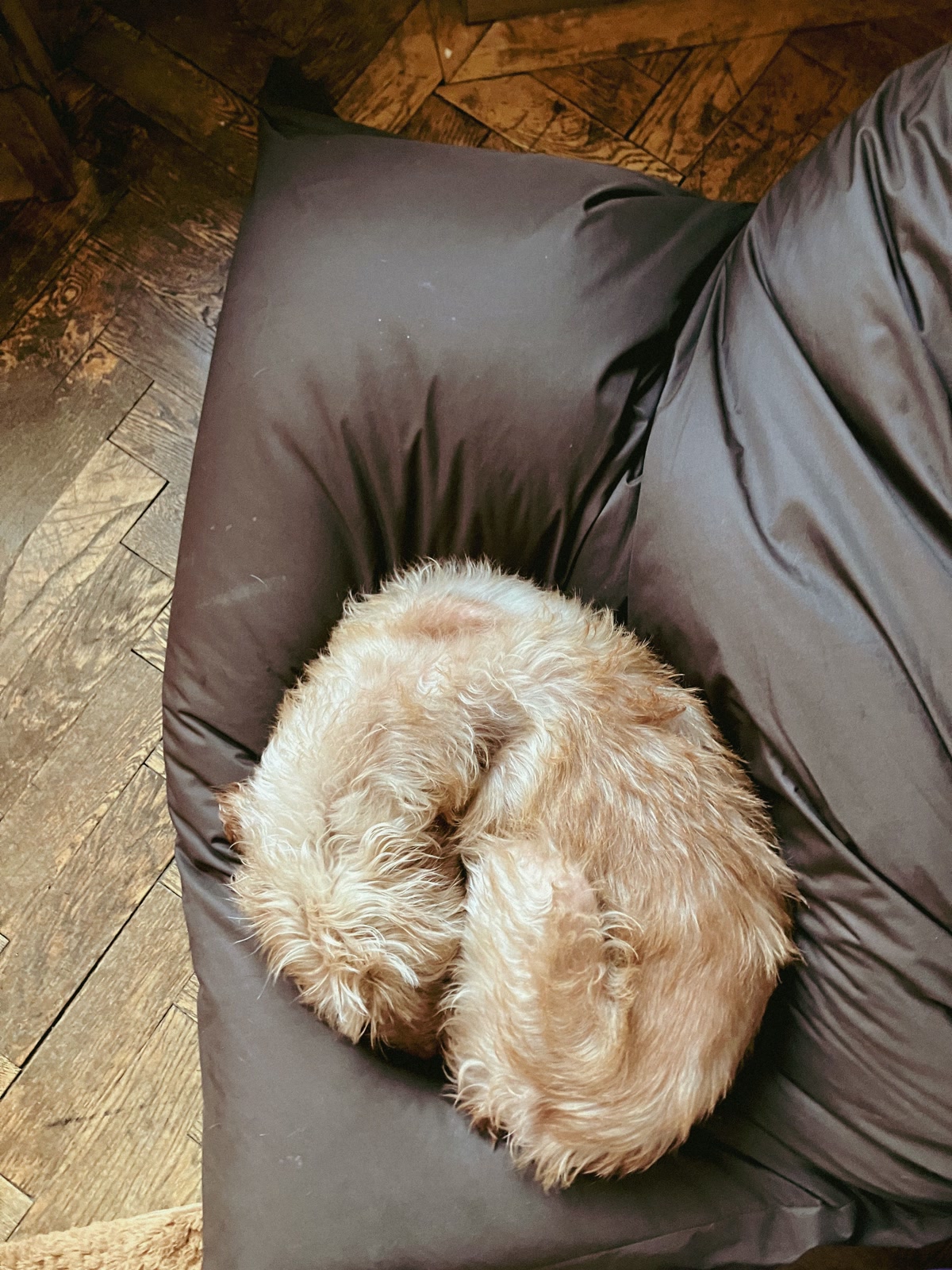
Dogs generate body heat, but they lose it faster than humans at the same temperature. They do not have the benefit of a mummy bag wrapping them in insulation, and most dogs sleep curled up — which helps conserve heat but is not enough when temperatures drop below their comfort threshold.
Breed Considerations
Not every dog needs a sleeping bag. Here is the breakdown:
- Cold-weather breeds (huskies, malamutes, Bernese mountain dogs, Newfoundlands) are comfortable down to 20 degrees or lower. They often prefer sleeping on a cool surface. A sleeping bag can actually cause overheating.
- Double-coated breeds (German shepherds, golden retrievers, Labs) handle temperatures down to about 35-40 degrees comfortably. Below that, they benefit from added insulation.
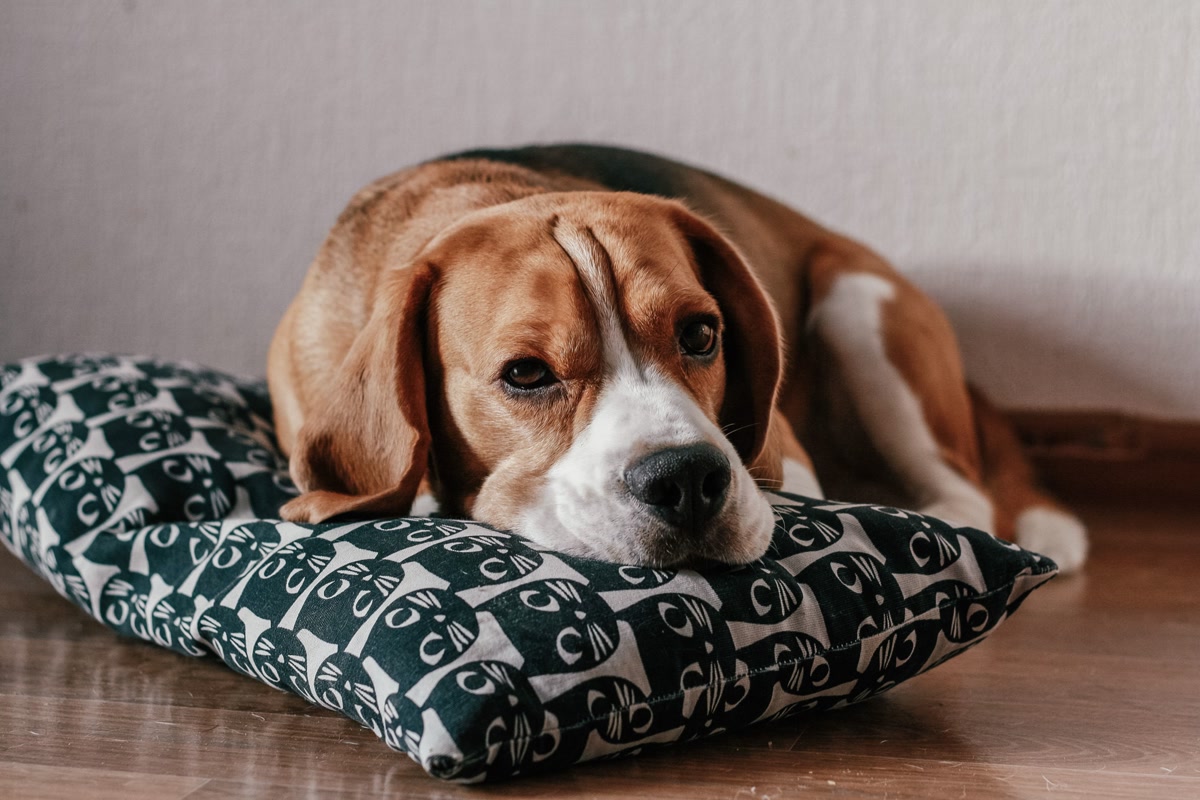
- Short-coated breeds (beagles, boxers, pointers, pit bulls) start getting cold around 45-50 degrees. They are the prime candidates for a dog sleeping bag.
- Small and toy breeds (chihuahuas, dachshunds, Yorkies) lose heat rapidly due to their high surface-area-to-volume ratio. They need insulation below 50 degrees, no exceptions.
- Senior dogs and puppies of any breed struggle with temperature regulation. Older dogs have slower metabolism and thinner coats. Puppies have not developed full coat density. Both need extra warmth below 55 degrees.
As a general rule: if you are cold, your short-coated or small dog is colder. If you are comfortable, your double-coated working breed is probably fine.
Temperature Thresholds
The 45-degree mark is where most dog owners should start paying attention. Below 45 degrees, short-coated and small breeds need some form of additional insulation. Below 35 degrees, most dogs except the cold-weather specialists benefit from a sleeping bag or insulated wrap. Below 20 degrees, every dog needs serious insulation — and you should be questioning whether it is safe to camp <a href="https://gear-hound.com/dog-camping-<a href="https://gear-hound.com/Best-dog-grooming-tools-for-active-dogs-7-essentials-for-post-trail-cleanup/”>Essentials-checklist/”>with Your dog at all.
Wind chill matters too. A tent blocks wind, but a drafty shelter or an open bivy setup drops the effective temperature significantly. Ground temperature is another factor — a sleeping pad with good R-value is actually more important than a sleeping bag, because the ground pulls heat away faster than cold air does.
Types of Dog Sleeping Bags and Sleep Systems
There is no single “dog sleeping bag” category the way there is for humans. What exists is a range of options that serve the same purpose — trapping your dog’s body heat and insulating them from cold air and cold ground.
Self-Heating Dog Pads
Self-heating pads use a reflective material (usually mylar-based) that reflects your dog’s body heat back to them. They do not generate heat on their own — they are passive insulators. The Mora Pets Self-Warming Pet Pad is the most common option in this category. It is lightweight, folds flat, and works well as a standalone pad in mild conditions (45 degrees and up) or as a liner inside a dog sleeping bag for colder nights.
Pros: lightweight, no power needed, folds flat, affordable. Cons: limited warmth on its own, not enough below 40 degrees for most dogs, can tear if your dog is a digger or chewer.
Insulated Dog Sleeping Bags
These are the closest thing to a human sleeping bag designed for dogs. They typically use synthetic insulation (polyester fill) inside a nylon or polyester shell, with an opening for your dog’s head. Some are rectangular, some are contoured to match a dog’s curled sleeping position. The Fida Insulated Dog Sleeping Bag is a solid example — it rolls up for transport, has a water-resistant shell, and provides enough insulation for temperatures down to about 30 degrees when paired with a decent pad underneath.
Pros: purpose-built for dogs, good warmth-to-weight ratio, rolls compact. Cons: dogs may resist being zipped in, limited size range, synthetic insulation loses loft over time.
Sleeping Bag Liners and Wraps
If you do not want a dedicated dog sleeping bag, a fleece or insulated liner works as a lighter alternative. These are essentially thin blankets designed to wrap around your dog or line the inside of their existing bed. The Furhaven Self-Warming Dog Blanket uses a similar reflective technology to self-heating pads but in a larger, more flexible format. You can drape it over your dog, tuck it around them, or use it as a liner inside a dog bed roll.
Pros: versatile, works with existing gear, easy to wash. Cons: less structured, can slip off a restless dog, not as warm as a full sleeping bag.
Closed-Cell Foam Pads
A closed-cell foam pad is not a sleeping bag, but it is the most important piece of your dog’s sleep system. Closed-cell foam does not absorb water, provides excellent ground insulation, and is nearly indestructible. The Therm-a-Rest Z Lite Sol is the standard — an accordion-fold foam pad with an R-value around 2.0 that works as a standalone pad for mild nights or a base layer beneath a sleeping bag for cold weather. Cut it to your dog’s size and it weighs almost nothing.
Pros: indestructible, does not absorb moisture, doubles as a sit pad, affordable. Cons: bulky when folded, not enough alone below 35 degrees, rigid shape is less comfortable than inflatable pads.
Using Your Own Sleeping Bag vs a Dedicated Dog Bag
One of the most common questions I get: can you just let your dog sleep in your sleeping bag? The short answer is yes, but with caveats.
Sleeping with your dog inside your bag works for small dogs in mild conditions. A 15-pound terrier tucked into the footbox of your 20-degree bag adds maybe 5 degrees of warmth to your system. The problem is space. A medium or large dog takes up most of a mummy bag, leaving you cramped and shifting the bag’s insulation away from your body, which actually makes you colder. And a restless dog will unzip or break the zipper track on a good bag.
The better approach for most trips: give your dog their own sleep system. A self-heating pad or lightweight dog sleeping bag costs less than a decent human bag, keeps your dog warm without compromising your own insulation, and means your sleeping bag is not covered in mud and fur by morning.
If you do sleep with your dog in your bag, unzip it partially rather than stuffing them inside. Drape the bag over them like a quilt and let them find their own comfortable position. This keeps the bag functional for you and gives your dog the option to move if they get too warm.
How to Choose the Right Dog Sleeping Bag
Size and Fit
Measure your dog from nose to base of tail while they are curled in their natural sleeping position. A dog sleeping bag should be long enough to cover them fully with a few inches of margin. Width matters too — your dog should be able to turn over inside without fighting the walls. Most dog sleeping bags come in small, medium, and large. If your dog is between sizes, size up. A bag that is too tight will not insulate properly because the insulation gets compressed.
Weight and Packability
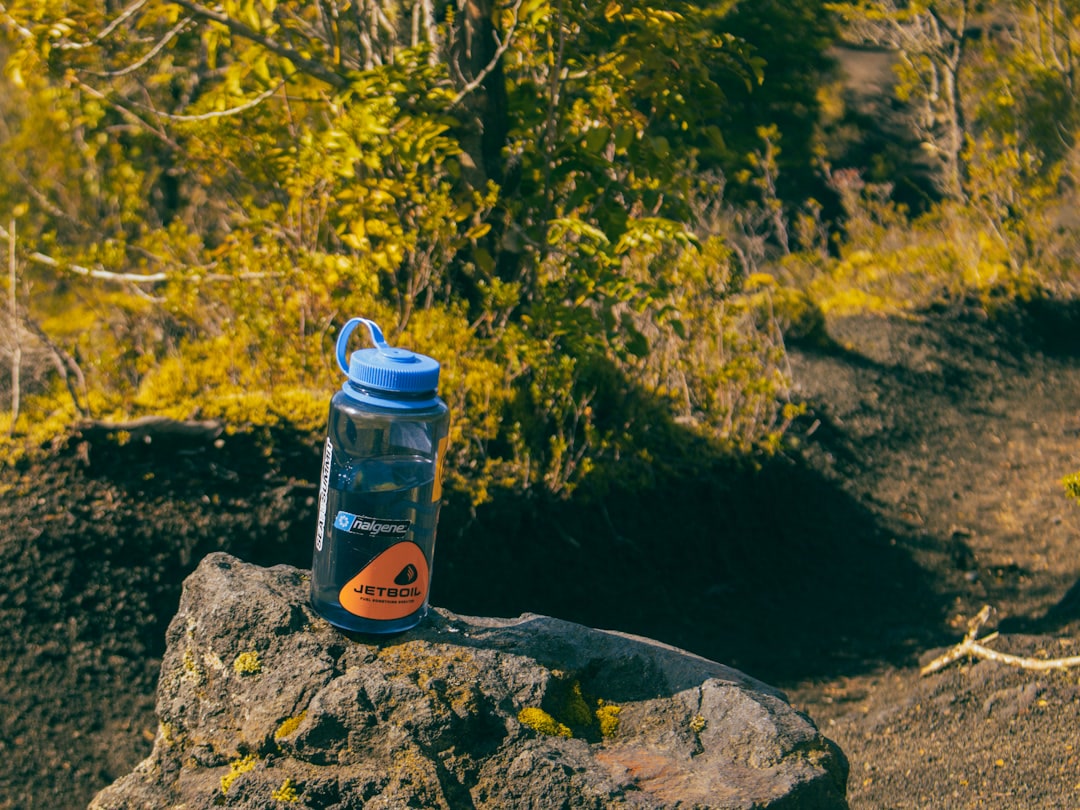
If you are backpacking, every ounce matters. A self-heating pad weighs 4-8 ounces and packs flat. An insulated dog sleeping bag runs 12-20 ounces and compresses to roughly the size of a Nalgene. For car camping, weight does not matter — get the thickest, warmest option you can find.
Temperature Rating
Dog sleeping bags rarely come with temperature ratings the way human bags do. This is frustrating, but you can estimate: a self-heating pad alone adds roughly 5-10 degrees of comfort. An insulated dog sleeping bag adds 15-25 degrees, depending on fill weight. Pair a sleeping bag with a closed-cell foam pad underneath and you get the full benefit of both ground insulation and trapped body heat.
Durability
Dogs are harder on gear than humans. They dig, they chew, they drag things across rocks. Look for a water-resistant shell (at least 50D nylon), reinforced seams, and a zipper that can handle some abuse. If your dog is a chewer, skip anything with thin mylar reflective layers — they will shred it in one night.
DIY Options for Budget-Conscious Campers
You do not need to buy a dedicated product. Some of the best dog sleep systems I have seen were assembled from gear the owner already had.
The Foam Pad and Fleece Combo
Cut a closed-cell foam pad to your dog’s size. Layer a fleece blanket on top. The foam handles ground insulation, the fleece traps body heat. Total cost: 15-25 dollars if you need to buy both, or zero if you have an old foam pad and a spare fleece. This setup works well down to about 35-40 degrees for most breeds.
The Down Jacket Wrap
For a quick cold-weather fix, lay your puffy jacket flat and place your dog on top, then fold the jacket around them. It is not elegant, but a good down jacket has more insulation per ounce than most dog sleeping bags. I have done this with my 800-fill jacket on a 25-degree night and my beagle slept soundly until morning.
The Emergency Blanket Sandwich
A mylar emergency blanket costs about a dollar. Place one under your dog’s pad (reflective side up) and another loosely draped over them. It is loud, it is not comfortable, and it will not survive more than a trip or two. But it reflects body heat effectively and works in a pinch for temperatures into the low 30s.
Care and Cleaning
Dog sleeping bags get dirty. Mud, fur, drool, and the occasional trail smell will work their way into the insulation. Most synthetic dog sleeping bags are machine washable — use cold water on a gentle cycle and let it air dry. Do not use fabric softener, which can damage the DWR coating on the shell.
For self-heating pads with reflective layers, hand washing is safer. The reflective material can delaminate in a washing machine, especially with hot water. Wipe it down with a damp cloth and mild soap, then air dry.
Between trips, store your dog’s sleeping bag uncompressed. Synthetic insulation loses loft over time regardless, but keeping it stuffed in a compression sack accelerates the process. Hang it loose or store it flat.
Training Your Dog to Use a Sleeping Bag
Some dogs take to a sleeping bag immediately. Others treat it as a suspicious object that must be barked at before approaching. Here is how to bridge that gap.
Start at home. Lay the sleeping bag out on the living room floor and let your dog investigate it on their own terms. Do not force them onto it. Put a treat on the bag. Let them get the treat and leave. Repeat over a few days until they are comfortable walking across it.
Add a familiar scent. Put a shirt or blanket that smells like you inside the bag. Dogs are comforted by familiar scents, and this helps them associate the bag with safety rather than novelty.
Practice at camp first. On your first trip with the bag, set it up inside the tent early. Let your dog find it on their own. If they climb in, great. If not, gently guide them onto it and reward calm behavior. Do not zip them in on the first night — let them get used to the feel of the material first.
Be patient with zippers. The sound and feel of a zipper is the most common reason dogs panic inside a sleeping bag. Zip it halfway for the first few nights, and only zip fully if your dog is calm and settled. If your dog panics, unzip immediately and go back to the half-zip stage.
Safety Considerations
Overheating
Dogs cannot unzip themselves. If your dog is in a sleeping bag and the temperature rises unexpectedly — or if they are a cold-weather breed that did not need the bag in the first place — they can overheat quickly. Signs of overheating include excessive panting, restlessness, and trying to climb out. Always leave the bag partially unzipped unless temperatures genuinely require full closure, and check on your dog if they go quiet — silence can mean they are too warm and too lethargic to signal distress.
Chew Hazards
Zippers, cord locks, and reflective material are all chew targets. If your dog chews through a sleeping bag shell and ingests synthetic fill or mylar, it can cause gastrointestinal blockage. Inspect the bag before each trip and remove any loose cords or broken zipper pulls. If your dog is a known chewer, skip the sleeping bag and use a closed-cell foam pad with a heavy fleece blanket — fewer parts to destroy and swallow.
Ventilation
Never seal a dog inside a sleeping bag with no airflow. Always leave a head opening and at least a partial side vent. This is especially important for flat-faced breeds (pugs, bulldogs, French bulldogs) that already have compromised breathing. A brachycephalic dog in a sealed sleeping bag is a serious overheating and respiratory risk.
Ground Insulation First
A sleeping bag without ground insulation underneath is a waste. The ground pulls heat away faster than cold air, and no amount of trapped body heat matters if your dog is lying on a cold, uninsulated surface. Always pair a sleeping bag with a pad — closed-cell foam, self-inflating, or inflatable with a decent R-value.
Recommended Setup for Most Dog Campers
If you are building a dog sleep system from scratch, here is what I recommend based on season:
Summer (above 55 degrees): A self-heating pad on top of any sleeping pad. That is it. Most dogs are comfortable without additional insulation at these temperatures.
Shoulder season (35-55 degrees): A closed-cell foam pad (like the Therm-a-Rest Z Lite Sol) underneath, with an insulated dog sleeping bag on top. This combo handles most breeds comfortably down to freezing.
Cold weather (20-35 degrees): The same foam pad and sleeping bag, plus a thermal blanket or liner wrapped inside the bag. For short-coated breeds, add a dog jacket as well. At these temperatures, consider whether your dog should be in the tent with you for shared body heat.
The Bottom Line
A dog sleeping bag is not a gimmick — it is practical gear for camping in temperatures below 45 degrees with any dog that is not a cold-weather breed. The combination of a ground pad (to block ground heat loss) and a sleeping bag or wrap (to trap body heat) is what keeps your dog warm through the night. Neither piece works well alone.
Start simple. A self-heating pad and a fleece blanket handle most shoulder-season trips for under 30 dollars. If you camp in real cold — below freezing — invest in a dedicated insulated dog sleeping bag and pair it with a closed-cell foam pad. Your dog does not need the most expensive option on the market. They need insulation that fits them, stays in place, and does not trap them when they want to move. Get that right and you both sleep through the night.
See also: Best Camping Stoves 2026: 7 Stoves That Actually Cook Like Your Kitchen at Home, Best Dog Camping Cots 2026: Elevated Beds That Keep Your Dog Off Cold Ground.
GearHound is reader-supported. When you buy through links on this site, we may earn an affiliate commission at no extra cost to you.
⛺ Get Your Free Camping with Your Dog Checklist
Join our newsletter and get this free printable plus weekly tips.
Price Check
Prices verified via our product tracker. Updated Sep 27.
| Amazon.com : Mora Pets Self Warming Cat Bed Self Heating P | $27.99 | 4.6★ (344) |
| Amazon.com : Furhaven Waterproof & Self-Warming Throw Blan | $13.22 | 4.4★ (456) |
| Amazon.com: Therm-a-Rest Z Lite Sol Camping and Backpackin | $59.95 | 4.6★ (4,143) |
As an Amazon Associate we earn from qualifying purchases.