
This article contains affiliate links. We may earn a commission from qualifying purchases.
Some content on this site is AI-assisted and reviewed by our editorial team.
Is Your Puppy Ready for the Trail?
Taking your puppy on their first hike is a milestone moment — the kind of memory that makes you reach for your phone camera a dozen times. But before you lace up your boots and clip on a leash, there are some practical things to sort out. Puppies aren’t small adult dogs. Their bones, joints, immune systems, and attention spans are still developing, and a trail that feels like a casual warmup to you can be a marathon for a four-month-old golden retriever.
This guide walks through everything you need to know before, during, and after that first hike — from vaccination timing and trail selection to gear, pacing, and post-trail care. Think of it as a checklist from someone who’s learned the hard way so you don’t have to.
Age and Health Readiness
The Vaccination Question
This is the first thing every puppy owner asks: when is it actually safe to take my puppy on a trail? The short answer is — after their core vaccination series is complete, which typically happens around 16 weeks of age. Puppies receive DHPP vaccines (distemper, hepatitis, parvovirus, parainfluenza) in a series starting at 6 to 8 weeks, with boosters every 3 to 4 weeks until about 16 weeks. The rabies vaccine usually comes at the final puppy visit. Two weeks after that last round, your puppy’s immunity is solid enough for public trails.
Before that window, you can do short walks on paved surfaces in your neighborhood where disease exposure is lower, but trails where wildlife, unknown dogs, and standing water exist are off limits. Parvovirus in particular can survive in soil for months, and a puppy who hasn’t completed their vaccine series is vulnerable.
Growth Plates and Joint Health
Vaccinations aren’t the only factor. Your puppy’s growth plates — the cartilage zones at the ends of long bones — don’t fully close until 12 to 18 months, depending on breed size. Larger breeds take longer. High-impact activity on hard or uneven surfaces before growth plates close can cause stress injuries that lead to joint problems later in life.
A common rule of thumb from veterinarians: about five minutes of structured walking per month of age, per session. So a four-month-old puppy should cap individual walks around 20 minutes. For a first hike, that means picking a trail with a short loop option and being ready to turn around early.
When to Get the All-Clear
Schedule a vet checkup before your first trail day. Mention that you’re planning to start hiking so your vet can confirm your puppy is physically ready, discuss parasite Prevention (more on that later), and make sure vaccinations are on track. This is also a good time to ask about breed-specific concerns — brachycephalic breeds like pugs and French bulldogs need extra attention to breathing and heat, for example.
Choosing the Right Trail
Your puppy’s first hike should feel like a slightly longer walk, not an expedition. Here’s what to look for:
Short Distance
Pick a trail under two miles total. Even if your puppy has energy to spare, a shorter trail lets you focus on how they’re handling the new environment — footing, distractions, other hikers and dogs — without pushing their physical limits. There’s no prize for distance on the first outing.
Flat and Even Terrain
Elevation gain is hard on growing joints. Look for trails with minimal elevation change — under 100 feet is ideal for a first hike. Avoid rocky scrambles, root-filled single-track, and anything that requires jumping or climbing. A wide, well-maintained dirt path is perfect.
Shade and Water Access
Puppies overheat faster than adult dogs because they can’t regulate body temperature as efficiently. A shaded trail near a creek or lake gives you natural cooling options and makes rest breaks more pleasant. Check trail descriptions on AllTrails or your local parks website for shade coverage notes.
Low Traffic is Better
A trail packed with mountain bikers, off-leash dogs, and crowds will overwhelm most puppies on their first outing. Look for quieter trails on weekday mornings or less popular park loops. The goal is positive exposure, not a stress test.
Essential Gear for Your Puppy’s First Hike
You don’t need to buy everything at once, but a few key items will make the hike safer and more comfortable for both of you.
A Proper Harness
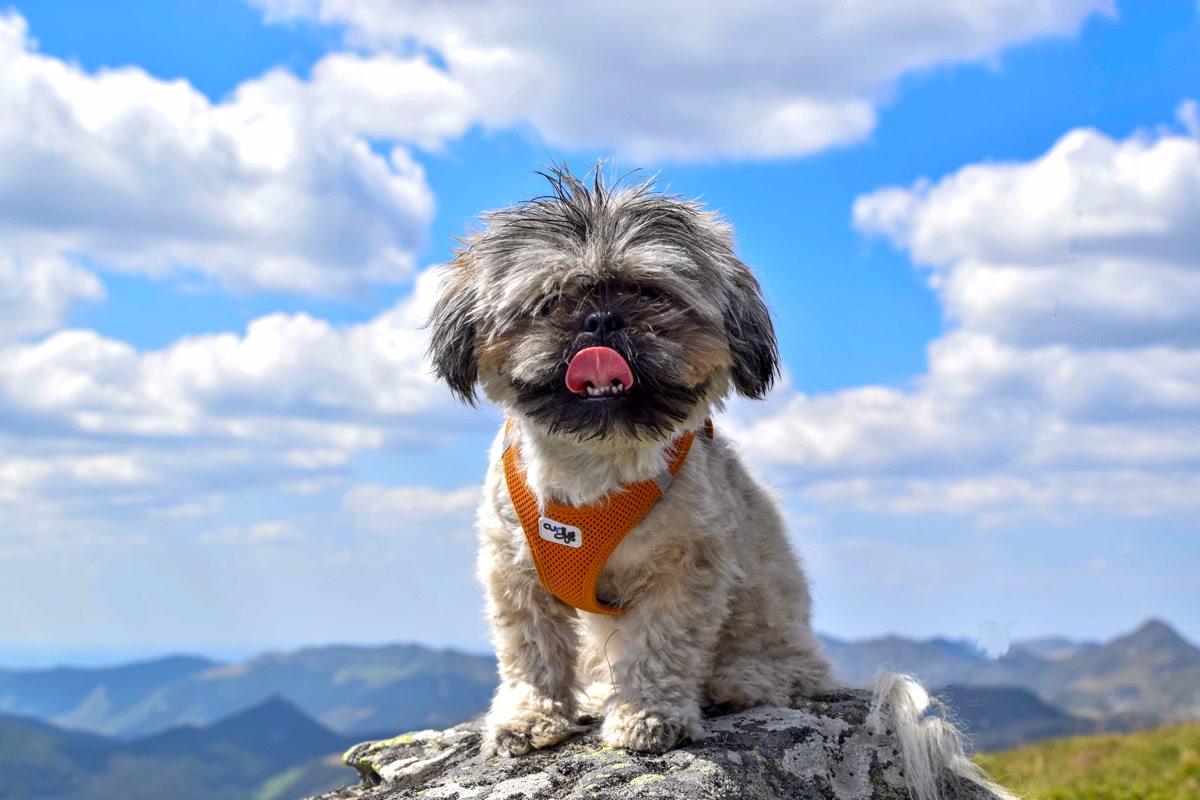
A well-fitted harness gives you better control than a collar and distributes pressure across your puppy’s chest rather than their neck. Look for one with a front clip to discourage pulling and reflective stitching for visibility. The Rabbitgoo No-Pull Dog Harness is a solid choice with adjustable straps and dual leash attachment points that work well for growing puppies.
Collapsible Water Bowl
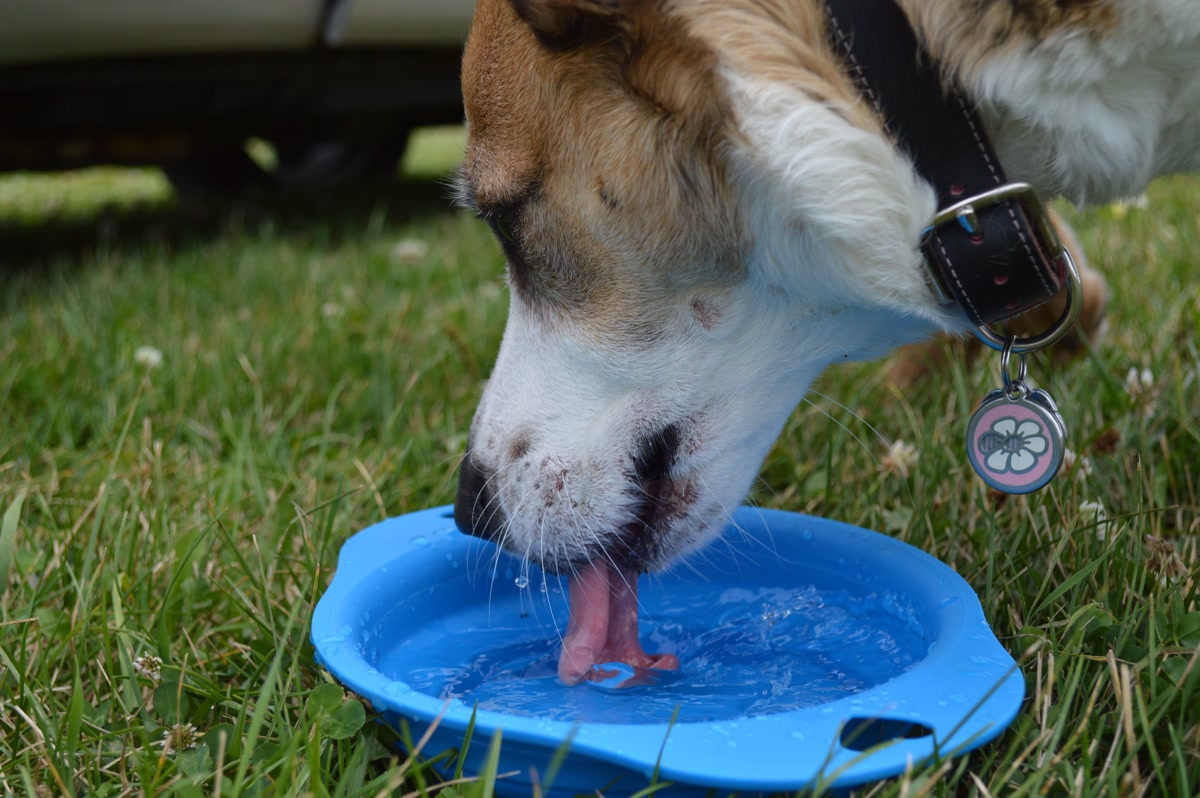
Do not let your puppy drink from puddles, streams, or trail-side standing water. Giardia, leptospirosis, and other waterborne nasties are real risks. Bring plenty of fresh water and a bowl that packs flat. A collapsible silicone dog bowl clips to your pack and weighs almost nothing. Offer water every 15 to 20 minutes, especially in warm weather.
Paw Protection
For most first hikes on soft dirt trails, boots aren’t necessary. But if you’re dealing with hot pavement at the trailhead, rough gravel, or areas with abrasive rock, a set of QUMY dog boots will protect tender paw pads. Introduce boots at home first — most puppies need a few short indoor sessions before they’ll walk normally in them.
Poop Bags and a Holder
Trail etiquette is simple: pack out what your dog packs in. Bring more bags than you think you’ll need. A leash-mounted waste bag holder keeps them accessible so you’re not fumbling through your pack When Your puppy squats mid-trail.
Treats for Training and Recall
Bring high-value treats — small, soft pieces your puppy goes crazy for. The trail is full of distractions, and treats are your best tool for rewarding check-ins, reinforcing loose-leash walking, and calling your puppy’s attention away from that squirrel or interesting smell.
First Aid Kit
A basic dog first aid kit should live in your pack on every hike. For puppies, the essentials are tweezers for splinters or foxtails, bandaging material, antiseptic wipes, and a tick remover. Speaking of which:
Tick Removal Tool
Ticks are a year-round reality on most trails. A TickCheck tick remover kit takes seconds to use and removes the entire tick, head included, which reduces infection risk. Check your puppy over thoroughly after every hike — behind ears, between toes, under the collar, and in armpits.
ID Tag and Current Microchip
Make sure your puppy’s collar has a legible ID tag with your current phone number, and that their microchip registration is up to date. Trails mean new smells, new stimuli, and occasionally startled bolting. A hands-free leash like the Tuff Mutt hands-free leash keeps you tethered even when you need both hands for navigating terrain or taking photos.
Trail Etiquette: Setting Good Habits Early
The way your puppy learns to behave on trail now will stick with them for life. Start with the basics:
Yield to Other Trail Users
Standard trail etiquette says hikers yield to equestrians, and everyone yields to livestock. Dog hikers step to the side of the trail, keep their dog on a short leash, and wait for other hikers to pass. This is especially important for puppies who are still learning not to jump on strangers.
Leash Rules Are Not Suggestions
Even if your puppy has perfect recall in your backyard, trail distractions change everything. Keep them leashed unless you’re in a designated off-leash area. An off-leash puppy chasing a deer or spooked turkey is a dangerous situation for the puppy, the wildlife, and you.
Manage Greetings With Other Dogs
Not every dog on the trail wants to meet your puppy, and not every owner wants their dog approached. Always ask before allowing your puppy to interact with another dog. A simple “is your dog friendly?” goes a long way. If the answer is no, that’s fine — step aside and keep moving.
Pacing and Rest Breaks
Your puppy will probably seem like they have boundless energy for the first quarter mile. That enthusiasm is deceptive. Puppies will run themselves into exhaustion if you let them, and you won’t always see the signs until it’s too late.
Watch for Fatigue Signs
Slowing pace, lagging behind, sitting down unprovoked, panting that doesn’t slow after a rest, or suddenly lying down in the shade — these all mean your puppy needs a break, or the hike is over. Respect it. Turning around early on day one builds a positive association with hiking. Pushing through fatigue builds reluctance.
Plan Rest Stops Every 15 Minutes
Find a shady spot, offer water, let your puppy sniff around on a long leash for a few minutes. These breaks are also training opportunities — practice sits, reward calm behavior around trail noise, and let your puppy process the new environment at their pace.
The Five-Minute Rule
Remember the guideline: five minutes of walking per month of age per session. A five-month-old puppy can handle about 25 minutes of actual walking before you should be heading back. You can extend this gradually over weeks, but the first hike is not the time to test limits.
Temperature and Ground Surface Safety
Heat Is the Biggest Risk
Dogs don’t sweat — they cool themselves through panting, which is far less efficient than human sweating. Puppies are even worse at thermoregulation. Hike in the early morning, especially in summer. If the temperature is above 75 degrees, consider rescheduling or choosing a fully shaded, creekside trail.
Test the Ground
Before starting out, press the back of your hand against the trail surface for seven seconds. If it’s too hot for your hand, it’s too hot for puppy paw pads. Gravel and rock retain heat longer than dirt. Rock surfaces in direct sun can cause burns even when the air temperature feels moderate.
Cold Weather Counts Too
Short-coated breeds and small puppies can get dangerously cold faster than you’d expect. If you’re hiking in temperatures below 40 degrees, watch for shivering, reluctance to keep moving, or lifting paws alternately. A lightweight dog jacket and shorter hikes make cold-weather outings workable.
Wildlife and Plant Hazards
Know Your Local Risks
Every region has its own hazards. In the Northeast, tick-borne Lyme disease is the big one. In the Southwest, rattlesnakes are a real concern during warm months. In the Pacific Northwest, foxtails — those barbed grass awns that burrow into skin, ears, and noses — are a year-round problem. Research what’s active in your area before you go.
Keep Your Puppy Close
Leashing your puppy isn’t just about trail etiquette — it’s about keeping them away from things that can hurt them. Snakes, porcupines, skunks, and toxic plants like poison ivy or poison oak don’t mean anything to a curious puppy. Stay on the trail and keep sniffing limited to the immediate path.
Blue-Green Algae
If your trail passes a pond or still water with a greenish film on the surface, keep your puppy well away. Blue-green algae (cyanobacteria) produces toxins that can be fatal to dogs even in small amounts. This is another reason to bring your own fresh water and not let your puppy drink from natural water sources.

Post-Hike Care
The Full-Body Check
Once you’re back at the car or home, do a thorough inspection. Run your hands over your puppy’s entire body, checking for ticks, burrs, thorns, or cuts. Look between every toe, inside ears, under the collar, and around the mouth. Ticks can be tiny — nymph-stage ticks are the size of a poppy seed.
Paw Pad Inspection
Check each paw pad for cracks, abrasions, or stuck debris. If you notice redness or your puppy is licking their paws excessively, a foot bath with cool water and gentle soap will soothe irritation.
Water and Rest
Offer water immediately after the hike. Your puppy will likely be ready for a long nap — let them. Monitor their appetite and energy that evening. Lethargy, limping, or reluctance to put weight on a limb the next day warrants a vet visit.
Update Your Trail Log
Note how long you hiked, what trail you used, how your puppy handled it, and anything you’d do differently. This helps you plan the next outing and builds a picture of your puppy’s stamina as they grow. Each hike teaches you something about what works for your dog.
The Bottom Line
Your puppy’s first hike should feel manageable, safe, and fun — for both of you. Pick a short, flat, shaded trail. Bring the right gear: a harness, water and bowl, poop bags, treats, a basic first aid kit, and a tick remover. Keep the pace slow, stop often, and watch for fatigue signs. Keep them leashed, yield to other trail users, and don’t let them drink from standing water.
Every puppy is different. Some will take to the trail like they were born for it. Others need a few outings before they relax. Either way, starting short and positive builds a hiking buddy who’ll be ready for bigger adventures by the time they’re fully grown — and that’s worth the patience.
GearHound is reader-supported. When you buy through links on this site, we may earn an affiliate commission at no extra cost to you.
⛺ Get Your Free Camping with Your Dog Checklist
Join our newsletter and get this free printable plus weekly tips.
Price Check
Prices verified via our product tracker. Updated Sep 27.
| Amazon.com : rabbitgoo Dog Harness, No Pull for Large Dogs | $20.98 | 4.5★ (184,924) |
| Pet Supplies : Dog Bowl Pet Collapsible Bowls, 2 Pack for | $6.98 | 4.7★ (31,067) |
| Amazon.com : QUMY Dog Shoes Small Size Dogs, Dog Snow Boot | $22.99 | 3.7★ (11,171) |
| Amazon.com : Dog First Aid Kit - Vet-Approved Emergency Ki | $34.95 | 4.8★ (667) |
| Amazon.com : TickCheck Premium Tick Remover Kit - Stainles | $12.95 | 4.7★ (6,434) |
| Amazon.com : Tuff Mutt Waist Hands Free Dog Leash for Walk | $27.97 | 4.6★ (5,386) |
As an Amazon Associate we earn from qualifying purchases.