This article contains affiliate links. We may earn a commission from qualifying purchases.
Some content on this site is AI-assisted and reviewed by our editorial team.
Best Dog Grooming Tools for Active Dogs: 7 Essentials for Post-Trail Cleanup
Last updated: July 2026 | By GearHound
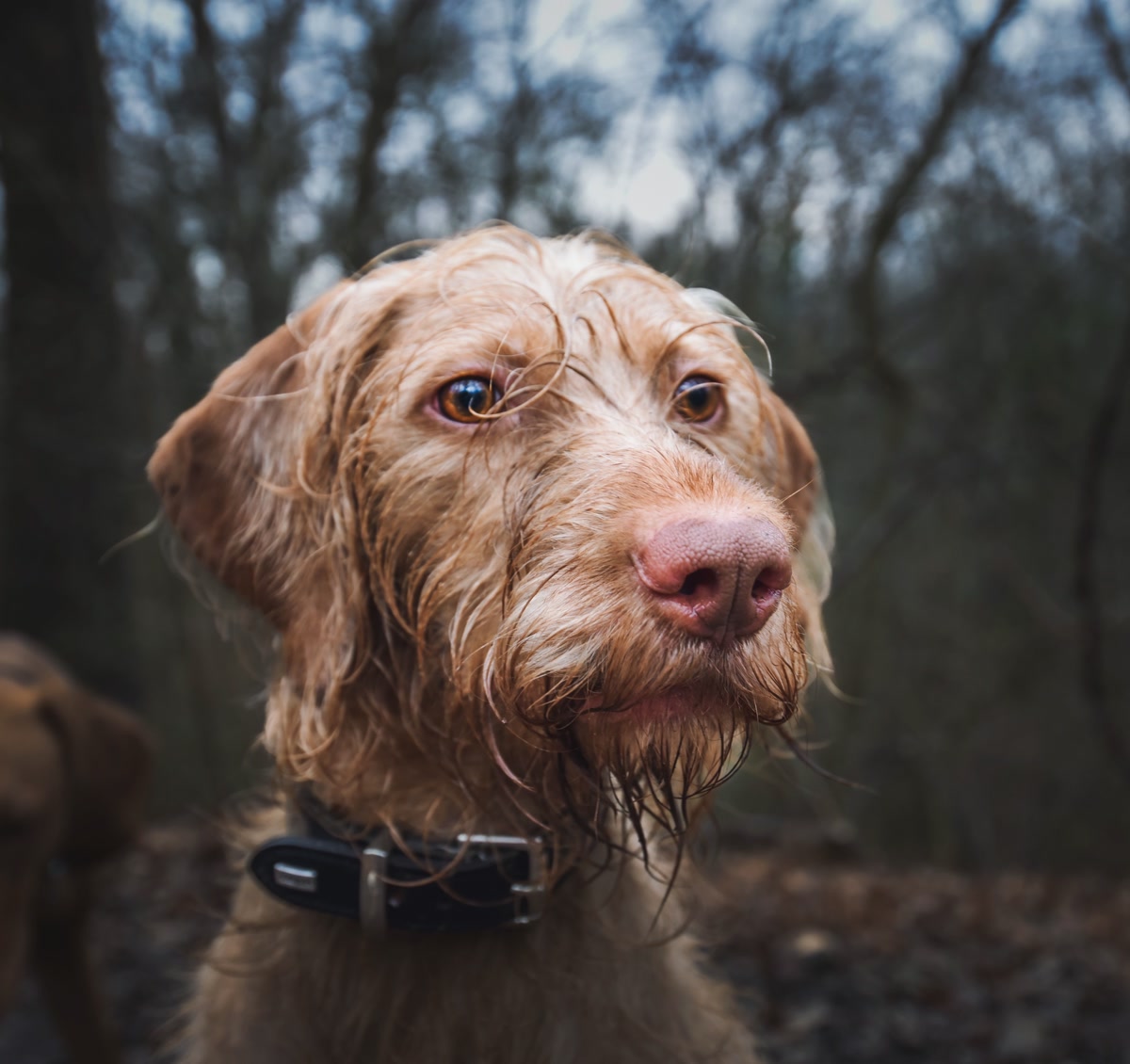
If you are hiking, camping, or hitting the trail with your dog regularly, you already know the downside: they come back filthy. Mud, burrs, trail dust, sap, and whatever that mystery puddle was all end up on your dog’s coat and in your truck. Professional grooming every few weeks is not practical for most active dog owners, and it gets expensive fast at 50 to 100 dollars or more per visit.
The good news is that post-trail cleanup and routine grooming at home are completely doable with the right tools. You do not need a grooming salon. You need seven key items that handle shedding, brushing, bathing, nail care, ear cleaning, and touch-up trims. With these on hand, you can turn post-hike cleanup into a quick, efficient routine that keeps your dog comfortable and your house marginally cleaner.
Home grooming also lets you catch problems early. When you are the one running your hands over your dog after every hike, you notice lumps, hot spots, ticks, and skin issues before they become vet visits. For more on why those first hours after a trail matter, see this guide to post-hike recovery for dogs the first 12 hours matter most.
The Seven Essentials: What You Actually Need
Not every grooming tool on the pet store shelf is worth buying, but these seven form a solid foundation for active dogs. Let us break down what each one does and why it earned a spot.
1. FURminator Undercoat deShedding Tool
FURminator Undercoat deShedding Tool
If you have a double-coated breed, think Huskies, Golden Retrievers, German Shepherds, or any dog that leaves tumbleweeds of fur around your house, the FURminator is a game-changer. It reaches through the topcoat to grab loose undercoat hair without cutting or damaging the guard hairs.
The key is using it correctly: brush in the direction of hair growth, apply light pressure, and do not overdo it. One or two sessions a week during shedding season is plenty. Going too hard can cause brush burn and skin irritation. Make sure you buy the right size (small, medium, or large) and coat type (short or long hair) for your dog.
For dogs that shed heavily after a long hike or camping trip, this single tool can reduce loose hair by up to 90 percent when used regularly. That means less trail fur on your couch, your sleeping bag, and floating around your tent.
2. Hertzko Self-Cleaning Slicker Brush
Hertzko Self-Cleaning Slicker Brush
The Hertzko is the go-to daily brush for short to medium coats and light-to-moderate shedding. The bent wire pins gently detangle and remove loose fur, and the self-cleaning mechanism is one of those features you did not know you needed until you are trying to pick hair out of a regular brush for five minutes. Push the button, the bristles retract, and the fur falls off.
This brush works best for everyday maintenance between FURminator sessions. If your dog picked up burrs, twigs, or trail debris on a hike, the Hertzko makes quick work of pulling that stuff out without tugging. For dogs with thick curly coats like Doodles or Poodles, consider a professional-grade slicker instead, but for the average trail dog, the Hertzko delivers.
3. Wahl Deluxe Pro Series Cordless Clipper Kit
Wahl Deluxe Pro Series Cordless Clipper Kit
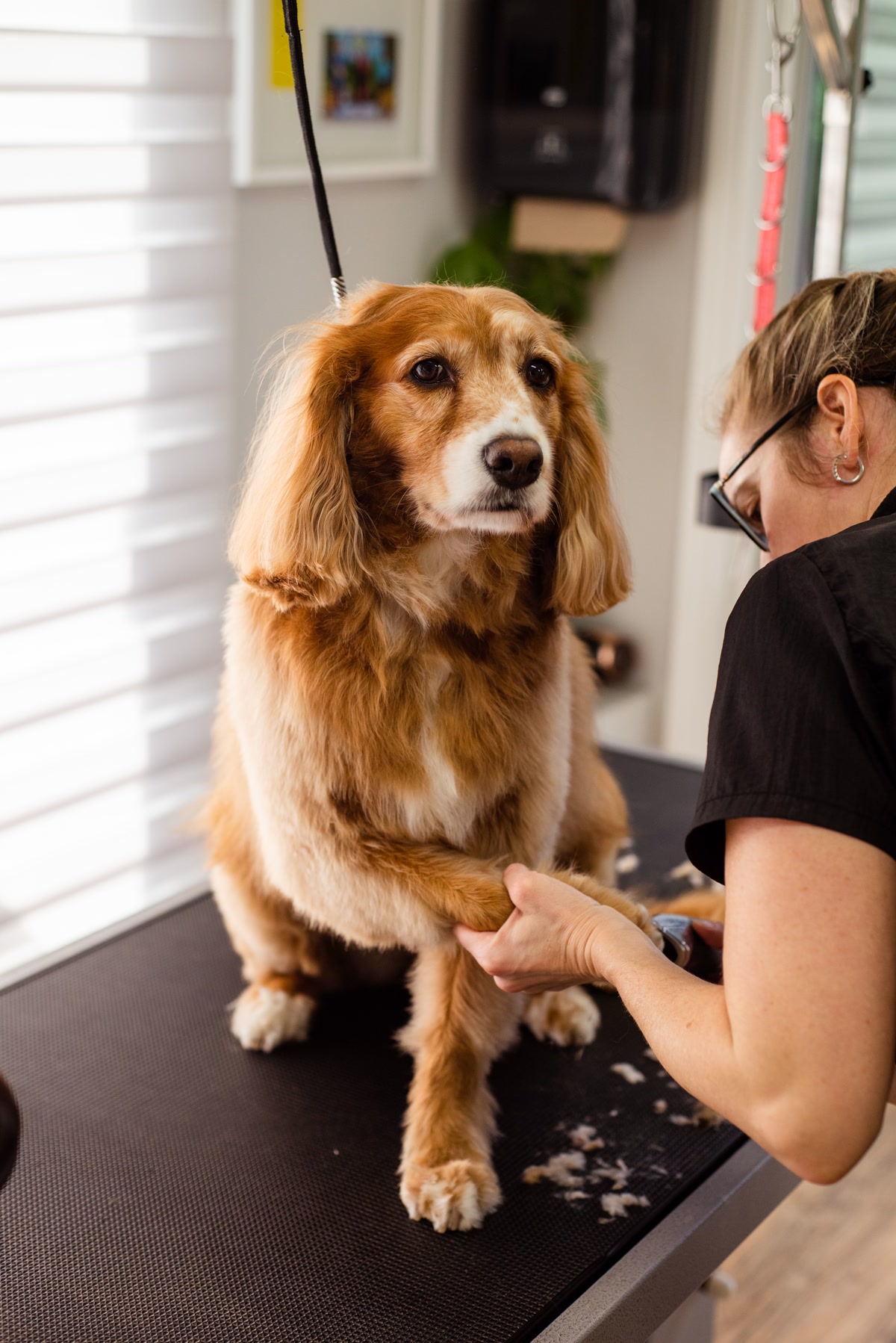
For active dogs, keeping fur trimmed around the paws, sanitary areas, and ears prevents debris buildup and reduces the stuff your dog brings back from the trail. The Wahl Deluxe Pro Series is a cordless lithium ion clipper kit designed for home dog grooming, with a heavy-duty motor, self-sharpening blades, and a two-hour run time on a single charge.
The cordless design means you can use it outside, at a campsite, or in your garage without hunting for an outlet. The kit includes guide combs for different lengths, so you can do everything from a sanitary trim to a full body clip if needed. For dogs that get hot on summer hikes, trimming the belly and paw fur helps with thermoregulation. Pair this with a dog cooling vest for the full summer heat management setup.
If you have been paying a groomer for touch-up trims between full grooms, this kit pays for itself within a couple of months.
4. Bodhi Dog Oatmeal Shampoo and Conditioner
Bodhi Dog Oatmeal Shampoo and Conditioner
Not all dog shampoos are created equal, and using human shampoo on your dog is a hard no. The pH is completely wrong and will strip their skin of natural oils, leading to dryness, flaking, and irritation. Bodhi Dog Oatmeal Shampoo and Conditioner is a hypoallergenic formula made with organic ingredients that soothes dry, itchy skin while providing a deep clean.
For trail dogs, this is the shampoo you want. It deodorizes effectively without harsh chemicals, which matters when your dog decided to roll in something unmentionable on the trail. The oatmeal and aloe formula is gentle enough for regular use and safe for dogs with sensitive skin or allergies. It is made in the USA and vet-approved.
Pro tip: Always bathe your dog after brushing, not before. Brushing wet tangled fur turns minor tangles into major mats. Brush first, then bathe, then brush again once completely dry.
5. Safari Professional Nail Trimmer
Safari Professional Nail Trimmer
Nail trimming is the task most dog owners dread, and understandably so. One bad experience with the quick and suddenly your dog is hiding under the table every time they see the clippers. The Safari Professional Nail Trimmer makes the job less intimidating because it is actually well-designed.
The spring-loaded mechanism means you do not have to squeeze hard. A gentle press does the job, giving you more control. The non-slip grip is a real feature, not marketing. When your dog is wiggling and your palms are sweaty, you do not want the clippers sliding around. The stainless steel blades stay sharp through many trims, and the safety guard helps prevent over-cutting.
Long nails are not just a cosmetic issue. They change how your dog’s foot hits the ground, which can cause joint strain over time. This is especially important for hiking dogs whose feet take a beating on rocky terrain. For more on paw health, see this guide to dog paw care on the trail.
6. Ear Cleaning Solution
Ear cleaning is the grooming step most owners skip, and it is the one that causes the most vet visits. Dogs that swim, hike through brush, or camp in humid environments are prone to ear infections. Moisture gets trapped in the ear canal, bacteria and yeast multiply, and before you know it your dog is shaking their head and scratching constantly.
A simple ear cleaning solution used weekly makes a huge difference. Apply a few drops, massage the base of the ear, and let your dog shake out the excess. Wipe the visible part of the ear with a cotton ball. That is it. This takes about two minutes per ear and can save you hundreds in vet bills.
If your dog has floppy ears or swims frequently, ear cleaning is non-negotiable. Add it to your post-trail routine alongside paw checks and brushing.
7. Dog-Safe Wipes for Quick Cleanups
Not every trail day requires a full bath. Sometimes your dog just needs their paws wiped, their face cleaned, or a quick wipe-down before getting into the tent or truck. Dog-safe wipes are the unsung hero of post-trail cleanup.
Look for wipes that are fragrance-free, alcohol-free, and pH balanced for dogs. Keep a pack in your daypack and another in your vehicle. When you get back to the trailhead, wipe down your dog’s paws, belly, and face before they get into the car. This simple step cuts down massively on the dirt that makes it into your interior and saves you from needing a full bath every single time.

Essential Versus Nice-to-Have: What Do You Actually Need?
Here is the honest breakdown for active dog owners:
Essential (start here):
- A brush appropriate for your dog’s coat type (Hertzko for most, FURminator for heavy shedders)
- Nail trimmers (Safari Professional)
- Dog shampoo (Bodhi Dog Oatmeal)
- Ear cleaning solution
- Dog-safe wipes for post-trail paw and face cleanup
Nice-to-have (add as needed):
- Clippers for touch-up trims (Wahl Deluxe Pro Series) essential for long-haired breeds
- Deshedding tool (essential if you have a heavy shedder, otherwise optional)
- Grooming scissors for precise touch-ups between trims
- A grooming table or non-slip mat (your back will thank you)
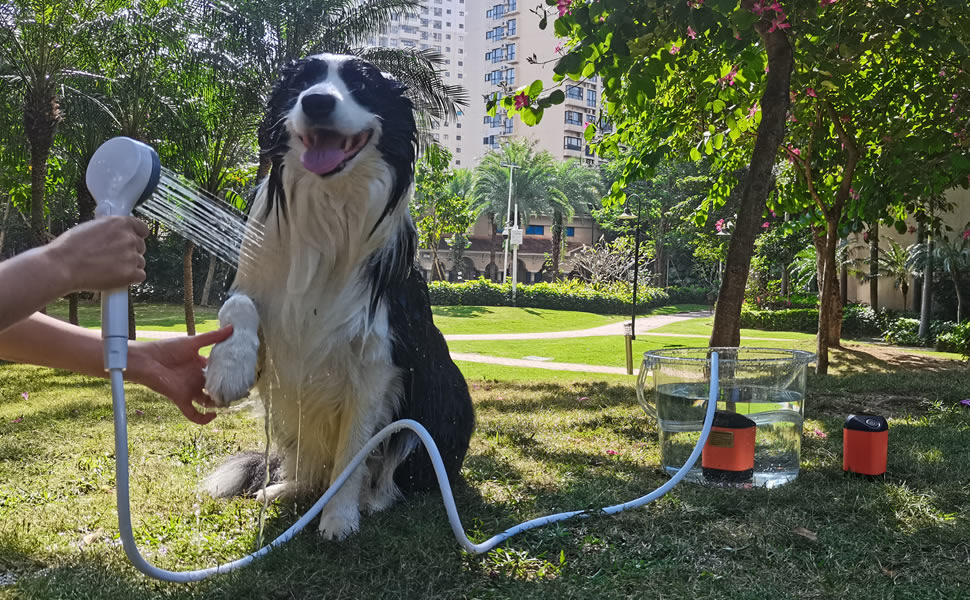
- Portable dog shower for campsite bathing
If you are just starting out, grab the Hertzko brush, Safari nail trimmers, Bodhi Dog shampoo, ear cleaner, and a pack of dog-safe wipes. That covers daily brushing, nail care, baths, ear health, and quick trailhead cleanups. Add the FURminator if shedding is out of control, and the Wahl clippers if your dog needs regular trimming. For a full checklist of what to bring on trail adventures, see our dog camping essentials checklist.
Breed-Specific Grooming Needs on the Trail
Not all dogs are created equal when it comes to grooming, and the trail adds extra challenges:
Double-coated breeds (Huskies, Shepherds, Retrievers): Deshedding tool is essential. Brush 2 to 3 times per week, daily during blowout season. Never shave a double-coated dog. Their coat regulates temperature in both heat and cold.
Curly and wiry coats (Poodles, Doodles, Terriers): Line brushing with a quality slicker brush is non-negotiable. Daily brushing prevents mats, which form fast when the coat picks up trail debris. These breeds need professional clipping every 4 to 6 weeks, but daily brushing keeps them manageable between visits.
Short coats (Boxers, Pit Bulls, Beagles): A slicker brush or bristle brush is plenty. These dogs are low-maintenance on grooming, but do not skip the nail trims and ear checks. Wipes handle most post-trail cleanup.
Long silky coats (Shih Tzus, Yorkies, Maltese): Daily brushing with a pin brush or slicker, plus regular trimming around the eyes and sanitary areas. Tangles form fast in this coat type, especially after brushy trails.
Wrinkly breeds (Bulldogs, Pugs): Face folds need daily wiping with dog-safe wipes. Ears and skin folds trap moisture and bacteria, which is amplified by trail sweat and humidity. A good shampoo routine is critical.
How Often Should You Groom an Active Dog?
This depends on your dog’s breed, coat, and activity level, but here is a general framework for hiking and camping dogs:
- Brushing: 2 to 3 times per week minimum for most breeds. Daily for long, curly, or double-coated dogs. After every trail outing for any dog that picked up debris.
- Nail trimming: Every 2 to 4 weeks. If you hear clicking on hard floors, they are too long. Trail wear can help file nails naturally, but do not rely on it.
- Bathing: Every 4 to 8 weeks for routine baths, plus an extra bath after especially muddy or smelly trail days. Over-bathing dries out skin.
- Ear cleaning: Weekly for flop-eared dogs, especially after swimming. Every 2 weeks for upright ears.
- Paw wiping: After every single hike or outdoor adventure. Non-negotiable.
- Teeth brushing: Ideally daily, but even 2 to 3 times per week makes a big difference. Dental disease is expensive.
The best approach is to build a routine and stick to it. Dogs thrive on consistency, and regular handling makes future grooming sessions easier. Your post-trail routine should become as automatic as unpacking your gear.
Nail Trimming Tips for Nervous Dogs
Nail trims are the most anxiety-inducing part of grooming for many dogs and their humans. Here is how to make it better:
1. Desensitize first, trim later. Leave the clippers near your dog’s resting spot for a few days. Let them sniff and investigate. Touch their paws during cuddle time, not right before trimming. Build the association: paws touched equals good things happen.
2. Use high-value treats. We are talking the good stuff. Cheese, hot dogs, freeze-dried liver. One tiny treat per nail if you have to. The goal is clippers equal amazing snacks.
3. Take one nail at a time. If your dog gets upset after one nail, that is fine. Do one nail, give a treat, end on a positive note. Come back tomorrow. Five good single-nail sessions beat one traumatic five-nail session every time.
4. Know where the quick is. On light nails, you can see the pink quick. On dark nails, trim small amounts and look for the dark circle in the center of the nail. That means you are getting close. When in doubt, trim less.
5. Have styptic powder ready. If you do hit the quick, it happens, do not panic. Styptic powder stops the bleeding fast. Cornstarch works in a pinch.
6. Try a dremel. Some dogs handle a grinding tool much better than clippers. It is slower but less likely to cause a sudden pinch. You can gradually file the nails down over several short sessions.
If your dog is truly terrified, do not force it. Ask your vet about happy visits where they just get treats at the clinic, or find a groomer who specializes in anxious dogs. There is no shame in getting help.
The Short Version
Post-trail grooming does not have to be a chore, and you do not need a garage full of equipment to do it well. The seven essentials covered here cover every situation an active dog owner will face: the FURminator and Hertzko for shedding and brushing, the Wahl clipper kit for trims, Bodhi Dog shampoo for baths, Safari nail trimmers for claw care, ear cleaning solution for ear health, and dog-safe wipes for quick trailhead cleanups.
These are the same quality tools that professional groomers reach for, and they will make your post-hike grooming sessions shorter, easier, and more effective. Your dog does not need a spa day after every trail. They need regular, gentle care from someone they trust. That is you. Grab the right tools, go slow, make it positive, and both of you will be happier for it.
GearHound is reader-supported. When you buy through links on this site, we may earn an affiliate commission at no extra cost to you.
⛺ Get Your Free Camping with Your Dog Checklist
Join our newsletter and get this free printable plus weekly tips.