

This article contains affiliate links. We may earn a commission from qualifying purchases.
Some content on this site is AI-assisted and reviewed by our editorial team.
Why Your Water Bottle Is the Most Important Gear You Own
You can skimp on a lot of camping gear, but your water bottle is not one of them. Dehydration sneaks up on you faster than you think, especially at altitude or in dry climates. The wrong bottle leaks in your pack, freezes on cold mornings, or turns your water into warm plastic soup. The right one keeps your water cold, survives drops on rock, and fits your hand and your pack.
I have used the top water bottles for hiking, from ultralight collapsible flasks to insulated tanks that keep water cold for 24 hours. Whether you are day hiking local trails or backpacking through the backcountry, here are the best hiking water bottles of 2026.

What Matters in a Hiking Water Bottle
Not all bottles are created equal. Here is what to consider:
- Insulation: Vacuum-insulated bottles keep water cold for 24+ hours and hot for 12+. Single-wall bottles are lighter but offer no temperature control.
- Weight: Insulated bottles weigh more. Ultralight hikers often prefer single-wall or collapsible options.
- Capacity: 32 ounces is the sweet spot for most day hikes. Backpackers often carry two bottles or a hydration bladder plus a bottle.
- Mouth width: Wide mouths are easy to fill and clean but splash when you drink. Narrow mouths drink cleaner but are harder to fill from streams.
- Durability: Stainless steel survives drops. Plastic is lighter but cracks over time. Collapsible bottles sacrifice durability for packability.
The Best Hiking Water Bottles of 2026
1. Hydro Flask Wide Mouth 32oz (40 to 50 Dollars)
The Hydro Flask Wide Mouth is the hiking water bottle against which all others are measured. The double-wall vacuum insulation keeps water cold for 24 hours and hot for 12. The wide mouth makes it easy to add ice, fill from a stream, or drop in purification tablets. The powder-coated exterior provides grip even when wet.
At 15 ounces empty, it is not light. And the wide mouth can splash on the trail if you are not careful. But the Flex Straw Cap fixes the splash issue and lets you drink one-handed while walking. If you want one bottle that does everything well, this is it.
- Capacity: 32 fluid ounces
- Weight: 15 ounces (empty)
- Insulation: Double-wall vacuum
- Material: 18/8 stainless steel with powder coat
Top pick: Hydro Flask Wide Mouth 32oz — the gold standard for insulated hiking bottles.
2. Nalgene Wide Mouth 32oz (12 to 18 Dollars)
The Nalgene Wide Mouth is the classic. It has been on trails since before most of us were born, and for good reason. It is virtually indestructible, holds 32 ounces, and costs less than a camp meal. The wide mouth accepts any water filter and makes cleaning easy. It is BPA-free, dishwasher-safe, and weighs just 6 ounces empty.
No insulation means your water hits ambient temperature fast. In summer, that means warm water. In winter, that means frozen water. But for the price and durability, the Nalgene is the best value hiking bottle on the market. Many backpackers carry two of these and call it done.
- Capacity: 32 fluid ounces
- Weight: 6.25 ounces (empty)
- Insulation: None (single wall)
- Material: Tritan plastic, BPA-free
Top pick: Nalgene Wide Mouth 32oz — cheap, tough, and proven on every trail in America.
3. YETI Rambler 36oz with Chug Cap (35 to 45 Dollars)
The YETI Rambler is built like a tank. The 18/8 stainless steel with double-wall vacuum insulation keeps drinks cold for hours, even in direct sun. The Chug Cap provides a smooth, controlled flow that is perfect for hiking. No sipping, no splashing, just tilt and drink.
At 1.5 pounds empty, it is heavy. And the 36-ounce size does not fit in most backpack side pockets. But if you want a bottle that takes a beating on rocky trails and still performs years later, the Rambler delivers. It is the bottle you buy once and keep forever.
- Capacity: 36 fluid ounces
- Weight: 1 pound 8 ounces (empty)
- Insulation: Double-wall vacuum
- Material: 18/8 stainless steel, Duracoat finish
Top pick: YETI Rambler 36oz — the most durable insulated bottle for rough trails.
4. HydraPak Flux 1L (18 to 22 Dollars)
The HydraPak Flux is the answer for hikers who want to save space. This collapsible bottle rolls down to the size of a fist when empty and holds a full liter when full. The self-seating cap means no fumbling with threads on the trail. The flexible TPU body is surprisingly durable and freeze-resistant.
It will not keep your water cold, and drinking from a soft bottle takes practice. But at 2.4 ounces empty, the weight savings are massive. For backpackers counting every ounce, the Flux is a no-brainer. Fill it at camp, roll it up in your pack, and forget it is there until you need it.
- Capacity: 1 liter (34 fluid ounces)
- Weight: 2.4 ounces (empty)
- Insulation: None (collapsible)
- Material: TPU with spill-proof cap
Top pick: HydraPak Flux 1L — ultralight and packable for serious backpacking.
5. Takeya Actives Insulated 24oz (30 to 35 Dollars)
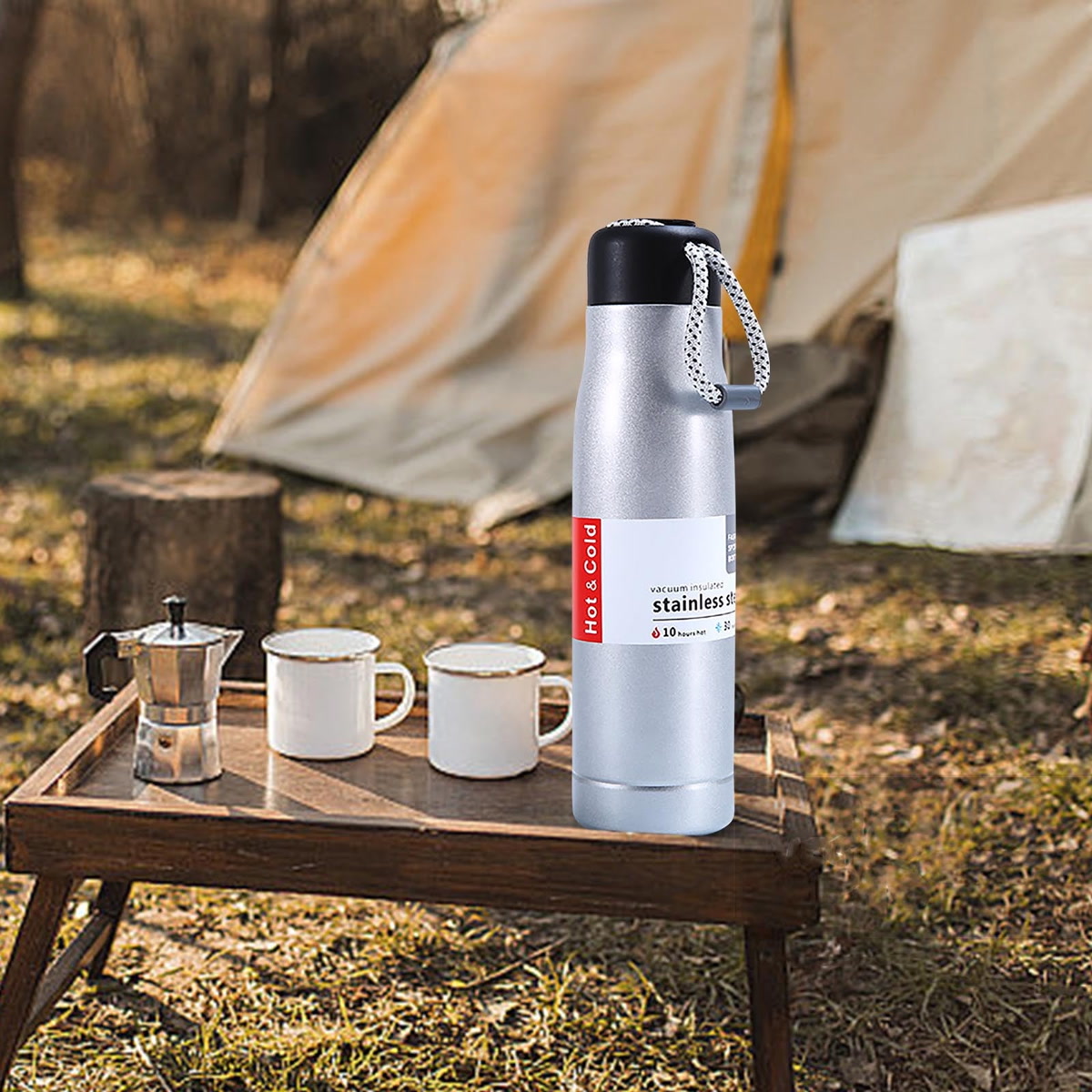
The Takeya Actives delivers Hydro Flask-level insulation at a lower price. The double-wall vacuum keeps water cold for 24 hours. The spout lid provides a smooth drinking experience, and the wide mouth makes filling easy. The silicone bumper on the base protects against drops and prevents dents on hard surfaces.
The 24-ounce size is smaller than ideal for long hikes, but it fits standard cup holders and pack pockets better than larger bottles. If you want insulated performance without paying Hydro Flask or YETI prices, the Takeya is the smart choice.
- Capacity: 24 fluid ounces
- Weight: 14 ounces (empty)
- Insulation: Double-wall vacuum
- Material: Stainless steel with silicone base bumper
Top pick: Takeya Actives Insulated 24oz — premium insulation at a fair price.
6. LifeStraw Go Series 22oz (40 to 50 Dollars)
The LifeStraw Go is a water bottle with a built-in filter. That changes everything for backcountry hiking. Fill it from any freshwater source, squeeze or sip through the filter, and drink safe water. The two-stage filter removes bacteria, parasites, microplastics, and reduces lead and chemicals. No pumping, no waiting, no iodine tablets.
The filter does add weight and the flow rate is slower than an open bottle. At 22 ounces, the capacity is modest. But if you hike near streams and lakes and want to carry less water weight, the LifeStraw Go is a game-changer. It is the one bottle that replaces both your bottle and your water purification system.
- Capacity: 22 fluid ounces
- Weight: 9.5 ounces (empty with filter)
- Insulation: None (single wall with integrated filter)
- Material: BPA-free Tritan with LifeStraw membrane microfilter
Top pick: LifeStraw Go Series 22oz — the bottle that purifies as you drink.
7. Owala FreeSip Vacuum Insulated 32oz (30 to 35 Dollars)
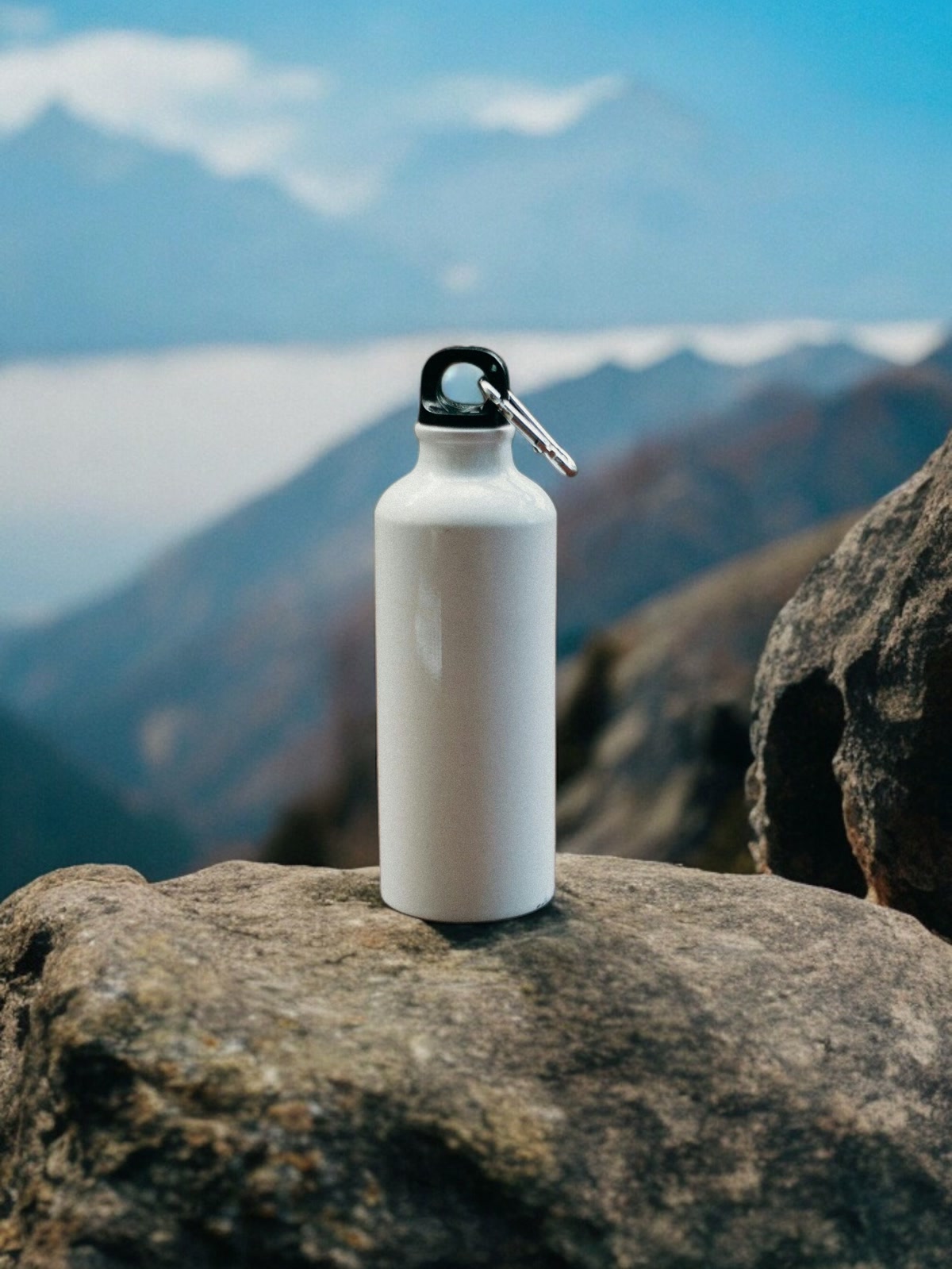
The Owala FreeSip is the bottle for people who hate choosing between a straw and a chug. The dual-lid design lets you sip through the built-in straw or flip the cap and chug. The vacuum insulation keeps water cold for up to 24 hours, and the carry loop doubles as a lock to prevent accidental openings in your pack.
The shape is wider than most bottles, which makes it stable on flat surfaces but a tight fit in some pack pockets. And the dual-lid mechanism has more moving parts that need cleaning. But for everyday hiking where versatility matters, the FreeSip is a clever design that works.
- Capacity: 32 fluid ounces
- Weight: 14.4 ounces (empty)
- Insulation: Double-wall vacuum
- Material: Stainless steel with FreeSip dual-lid
Top pick: Owala FreeSip Vacuum Insulated 32oz — sip or chug, your call.
How Much Water Do You Actually Need?
The standard rule is half a liter per hour of moderate hiking in moderate temperatures. That goes up to a full liter per hour in hot weather, at high altitude, or on steep terrain. For a 4-hour day hike in normal conditions, carry at least 2 liters. For backpacking, plan around 2 to 4 liters per day depending on water source availability.
The smart approach is to carry a filter bottle like the LifeStraw Go plus an insulated bottle for camp. Drink from streams through the filter during the day, and enjoy cold water from your Hydro Flask or YETI at night. Check out our first aid guide for recognizing dehydration symptoms early.
Bottle Care Tips
Wash your bottle regularly, especially insulated ones. Bacteria grow in the lid threads and mouthpiece. Use a bottle brush for deep cleaning. Air dry with the cap off between trips. For stainless steel bottles, a mix of vinegar and baking soda removes odors. Replace plastic bottles every few years as they develop micro-scratches that harbor bacteria.
Never put insulated bottles in the freezer. The expanding ice can damage the vacuum seal. Instead, pre-chill with ice water before your hike. And always test your bottle for leaks before putting it inside your pack. Nothing ruins a hike like wet gear.
The Bottom Line
For most hikers, the Hydro Flask Wide Mouth 32oz is the best all-around choice. It keeps water cold, survives daily use, and works on any trail. Budget hikers should grab the Nalgene Wide Mouth. Backpackers counting ounces need the HydraPak Flux. And anyone hiking near water sources should consider the LifeStraw Go. Whatever you choose, carry enough water and drink before you are thirsty. Dehydration is the fastest way to ruin a good hike.
Last updated: May 2026 | By GearHound
n
GearHound is reader-supported. When you buy through links on this site, we may earn an affiliate commission at no extra cost to you.
⛺ Get Your Free Camping with Your Dog Checklist
Join our newsletter and get this free printable plus weekly tips.
Price Check
Prices verified via our product tracker. Updated Sep 27.
| Amazon.com : Hydro Flask Water Bottle - Insulated Stainles | $29.95 | 4.7★ (30,929) |
| Amazon.com: YETI Rambler 36 oz Bottle, Vacuum Insulated, S | $50.00 | 4.8★ (22,650) |
| Amazon.com : HydraPak Flux Collapsible Backpacking Water B | $29.00 | 4.2★ (1,799) |
| Amazon.com: Takeya Actives Insulated Stainless Water Bottl | $34.99 | 4.8★ (30,149) |
| Amazon.com : LifeStraw Go Series – BPA-Free Water Filter B | $49.95 | 4.3★ (3,663) |
| Amazon.com: Owala FreeSip Stainless Steel Water Bottle 32 | $34.99 | 4.6★ (139,608) |
As an Amazon Associate we earn from qualifying purchases.