This article contains affiliate links. We may earn a commission from qualifying purchases.
Some content on this site is AI-assisted and reviewed by our editorial team.

Why June Is the Worst Month for Ticks on Your Dog
If you hike with your dog, June through August is peak tick season in most of the United States. Ticks climb to the tips of tall grasses and wait for a warm body to brush past — and your dog, moving through the brush at nose height, is the perfect target. Lyme disease, ehrlichiosis, and anaplasmosis are all transmitted by ticks common on hiking trails, and cases spike in mid-summer.
The good news: with the right prevention protocol and a post-hike checking routine, you can keep your dog safe without avoiding the trails. Here’s what actually works.
Prevention: What Actually Works in 2026
Oral Preventives (Veterinarian-Recommended)
Oral chewables are the gold standard for tick prevention. They work systemically — when a tick bites your dog, the medication in the blood kills the tick before disease transmission can occur. No topical residue, no wash-off in water, no concern about skin absorption.
The three most effective options:
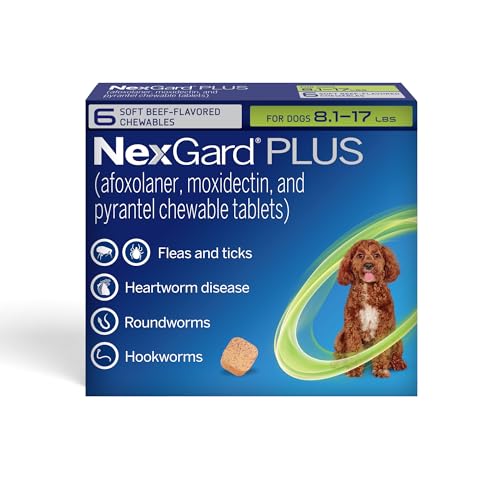
- NexGard Plus — kills ticks, fleas, and prevents heartworm. Monthly chew. Most popular among vets we’ve spoken with.
- Bravecto — 12-week protection per dose. Fewer doses to remember, but if your dog vomits the chew, you lose three months of protection.
- Simparica Trio — kills ticks, fleas, prevents heartworm, and treats roundworms and hookworms. Monthly.
These require a prescription, which means a vet visit. Don’t skip this — your vet needs to confirm your dog is heartworm-negative before prescribing heartworm prevention, and the wrong dose for your dog’s weight can be ineffective or dangerous.
Get NexGard Plus on Amazon (with prescription)
Get Bravecto Chews on Amazon (with prescription)
Topical Treatments (Over-the-Counter)
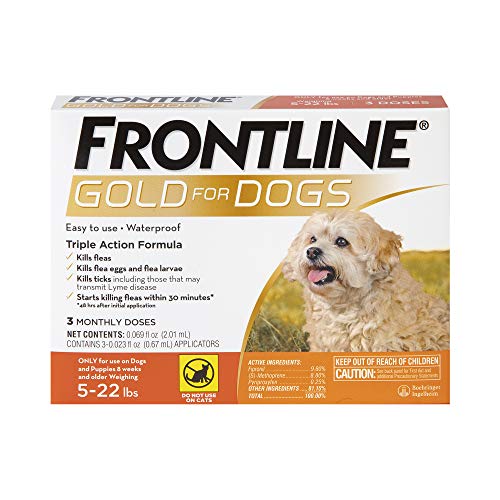
Topicals like Frontline Gold and K9 Advantix II are available without a prescription. They apply to the skin between the shoulder blades and spread across the body through the oils in your dog’s skin. They’re less expensive than orals, but have downsides: they wash off with frequent swimming, they leave a greasy spot for 24 hours, and some dogs have skin reactions.
For dogs that swim frequently on the trail (and most hiking dogs do), topicals need reapplication more often than the label suggests — typically every 3 weeks instead of 4.
Tick Collars
Seresto collars provide 8 months of tick and flea protection. They’re convenient — put it on and forget it. The active ingredient releases slowly from the collar onto your dog’s skin oils. Downsides: they don’t prevent heartworm, and some dogs develop contact dermatitis at the collar site. Also, they’re less effective for dogs that swim frequently.
Get Seresto Tick Collar on Amazon
The Post-Hike Tick Check Protocol
No preventive is 100 percent effective. A thorough tick check after every hike catches the stragglers. Here’s the routine:
- Check the ears first — ticks love the warm, thin skin inside and around the ears. Flip the ear flap and look carefully.
- Run your fingers through the fur — feel for small bumps. Ticks feel like a tiny pebble embedded in the skin.
- Check the “armpits” — the area where the front legs meet the chest is a tick favorite. Also check the groin and between the toes.
- Check the face — around the eyes, under the chin, and inside the lips. Ticks will find any thin-skinned area.
- Brush against the grain — use a fine-tooth flea comb to catch small ticks you might miss with your fingers.
Do this check within 2 hours of leaving the trail. Most tick-borne diseases require the tick to be attached for 24-48 hours before transmission occurs. Finding and removing ticks early is the best prevention.
How to Remove a Tick Properly
Forget the old myths. Do not use a lit match, petroleum jelly, nail polish, or rubbing alcohol. These methods can cause the tick to regurgitate into the bite wound — increasing disease transmission risk.
- Use fine-tip tweezers or a tick removal tool
- Grasp the tick as close to the skin as possible
- Pull straight up with steady, even pressure
- Clean the bite area with antiseptic
- Dispose of the tick by putting it in alcohol or flushing it
- Wash your hands
If the head breaks off in the skin, don’t panic — treat it like a splinter. Clean the area and let it heal. Your dog’s immune system will break down the remaining mouthparts within a few days.
Get TickCheck Tick Remover Tool on Amazon
Signs of Tick-Borne Illness
Even with prevention, watch for symptoms for 2-4 weeks after hiking in tick country:
- Lyme disease: fever, lethargy, swollen joints, limping that shifts between legs
- Ehrlichiosis: fever, weight loss, bruising on gums, nosebleeds
- Anaplasmosis: fever, joint pain, vomiting, diarrhea
- Rocky Mountain Spotted Fever: high fever, joint pain, loss of appetite, swollen lymph nodes
If your dog shows any of these symptoms after hiking in tick areas, call your vet and mention the exposure. A simple blood test can detect most tick-borne diseases, and early treatment with doxycycline is highly effective.
Trail Tips for Reducing Tick Exposure
- Stay on the trail — ticks wait in tall grass and brush at trail edges
- Keep your dog on leash in heavy brush areas
- Hike in the early morning — ticks are less active before the ground warms up
- Consider a light-colored trail bandana for your dog — ticks show up against light fabric, making them easier to spot
- Use a vet-approved tick spray for extra protection on high-risk trails
Shop This Post
- NexGard Plus (prescription required)
- Bravecto Chews (prescription required)
- Frontline Gold Topical
- TickCheck Tick Remover Tool
n
n
Frequently Asked Questions
n
What is Tick and Flea Prevention for Trail Dogs What Actually Works?
n
Tick and Flea Prevention for Trail Dogs What Actually Works covers essential information for Dog Gear Lists, Dog Safety. This guide explains what you need to know, with practical tips and recommendations.
n
n
How do I choose the right tick and flea prevention for trail dogs ?
n
Consider your specific needs, budget, and use case. This article breaks down the key factors to help you make an informed decision.
n
n
Is tick and flea prevention for trail dogs what actua worth it?
n
Yes — when chosen carefully. This guide focuses on getting the best value without overspending. We highlight options that deliver quality at a reasonable price point.
n
n
What It Comes Down To
n{“@context”: “https://schema.org”, “@type”: “FAQPage”, “mainEntity”: [{“@type”: “Question”, “name”: “What is Tick and Flea Prevention for Trail Dogs What Actually Works?”, “acceptedAnswer”: {“@type”: “Answer”, “text”: “Tick and Flea Prevention for Trail Dogs What Actually Works covers essential information for Dog Gear Lists, Dog Safety. This guide explains what you need to know, with practical tips and recommendations.”}}, {“@type”: “Question”, “name”: “How do I choose the right tick and flea prevention for trail dogs ?”, “acceptedAnswer”: {“@type”: “Answer”, “text”: “Consider your specific needs, budget, and use case. This article breaks down the key factors to help you make an informed decision.”}}, {“@type”: “Question”, “name”: “Is tick and flea prevention for trail dogs what actua worth it?”, “acceptedAnswer”: {“@type”: “Answer”, “text”: “Yes u2014 when chosen carefully. This guide focuses on getting the best value without overspending. We highlight options that deliver quality at a reasonable price point.”}}]}n
GearHound is reader-supported. When you buy through links on this site, we may earn an affiliate commission at no extra cost to you.
⛺ Get Your Free Camping with Your Dog Checklist
Join our newsletter and get this free printable plus weekly tips.
Price Check
Prices verified via our product tracker. Updated Sep 27.
| BRAVECTO Chew for Dogs, Flea & Tick, 1 Chew, 12 Week Suppl | $84.99 | 4.8★ (207) |
| Amazon.com : TickCheck Premium Tick Remover Kit - Stainles | $12.95 | 4.7★ (6,434) |
As an Amazon Associate we earn from qualifying purchases.