This article contains affiliate links. We may earn a commission from qualifying purchases.
Some content on this site is AI-assisted and reviewed by our editorial team.
Best Fire Starters for Camping 2026: 6 Ways to Get a Flame Going When It Matters
By GearHound
There is a specific kind of frustration that comes with sitting in the dark next to a pile of damp kindling, flicking a lighter that keeps dying in the wind, while your camping partner sits in the tent waiting for the fire that was supposed to be going 20 minutes ago. I have been there. The mistake is not bringing the wrong gear — it is bringing only one way to start a fire.
A Bic lighter is fine until it gets wet. Matches are fine until the box is crushed. A ferro rod is fine until you realize you forgot to bring good tinder. The answer is not picking the single best fire starter. It is carrying two methods that complement each other and actually knowing how to use them. Here are the six I recommend after years of campfire experiments — some successful, some embarrassing.
What Actually Matters in a Fire Starter
Before getting into specific products, here is what separates a good fire starter from a gimmick:
- Burn time. A fire starter that burns for 30 seconds is useless if your kindling is damp. You need something that burns long enough to dry out the tinder and get it catching.
- Waterproofness. If it does not work wet, it is not a camping fire starter. It is a fireplace fire starter. Different thing.
- Wind resistance. A flame that dies in a 10 mph breeze will die on every camping trip you take.
- Weight and packability. For backpacking, a 2-ounce ferro rod beats a 10-ounce box of starters every time. For car camping, weight does not matter.
With that in mind, here are the six fire starters I carry, grouped by the job they do best.
The One I Always Carry: Ferro Rod
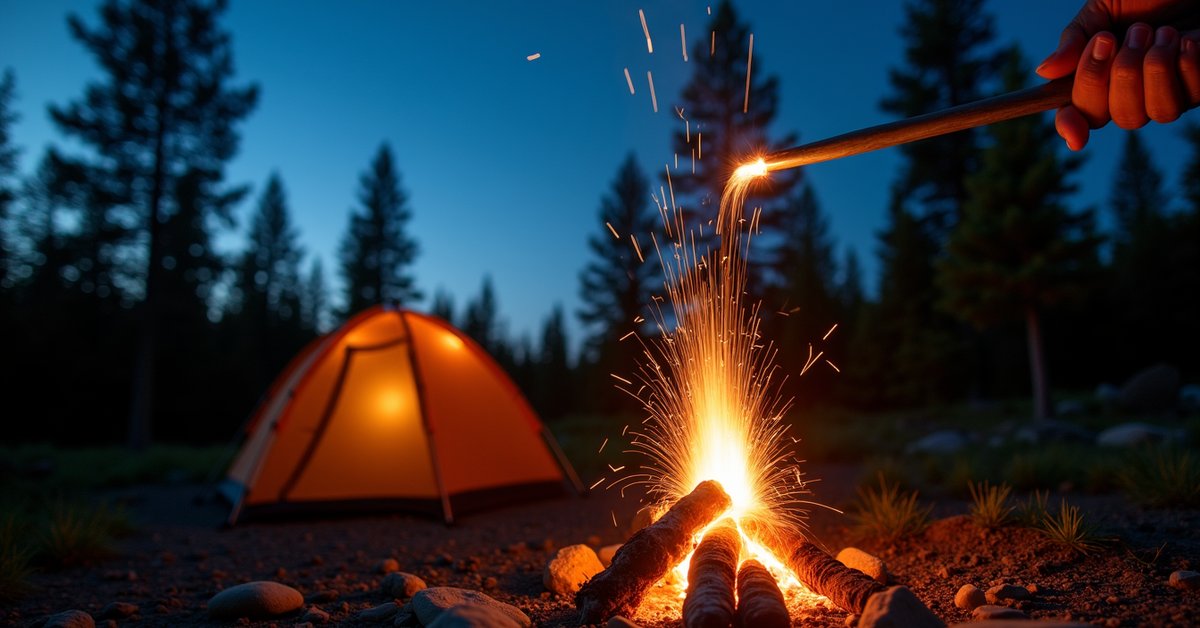
A ferrocerium rod is the most reliable fire starter you can carry. No fuel to run out, no moving parts to break, no expiration date. Scrape it with a steel striker and it throws 5,000-degree sparks that light even slightly damp tinder. I have carried the same ferro rod for three years and it still has most of its material left.
The trick with ferro rods is that the cheap ones are fine, but the thick ones are better. A 1/2-inch thick rod lasts thousands of strikes and gives you a bigger, hotter shower of sparks. The thin ones that come on cheap keychain survival tools wear out fast and are frustrating to use.
See the Black Beard Ferro Rod on Amazon
The downside: a ferro rod does not actually start a fire. It starts a spark. You still need tinder — dry grass, birch bark, cotton balls soaked in petroleum jelly, or commercial tinder like fatwood shavings. If you carry a ferro rod, carry tinder too.
The Easiest Option: Fire Starter Plugs
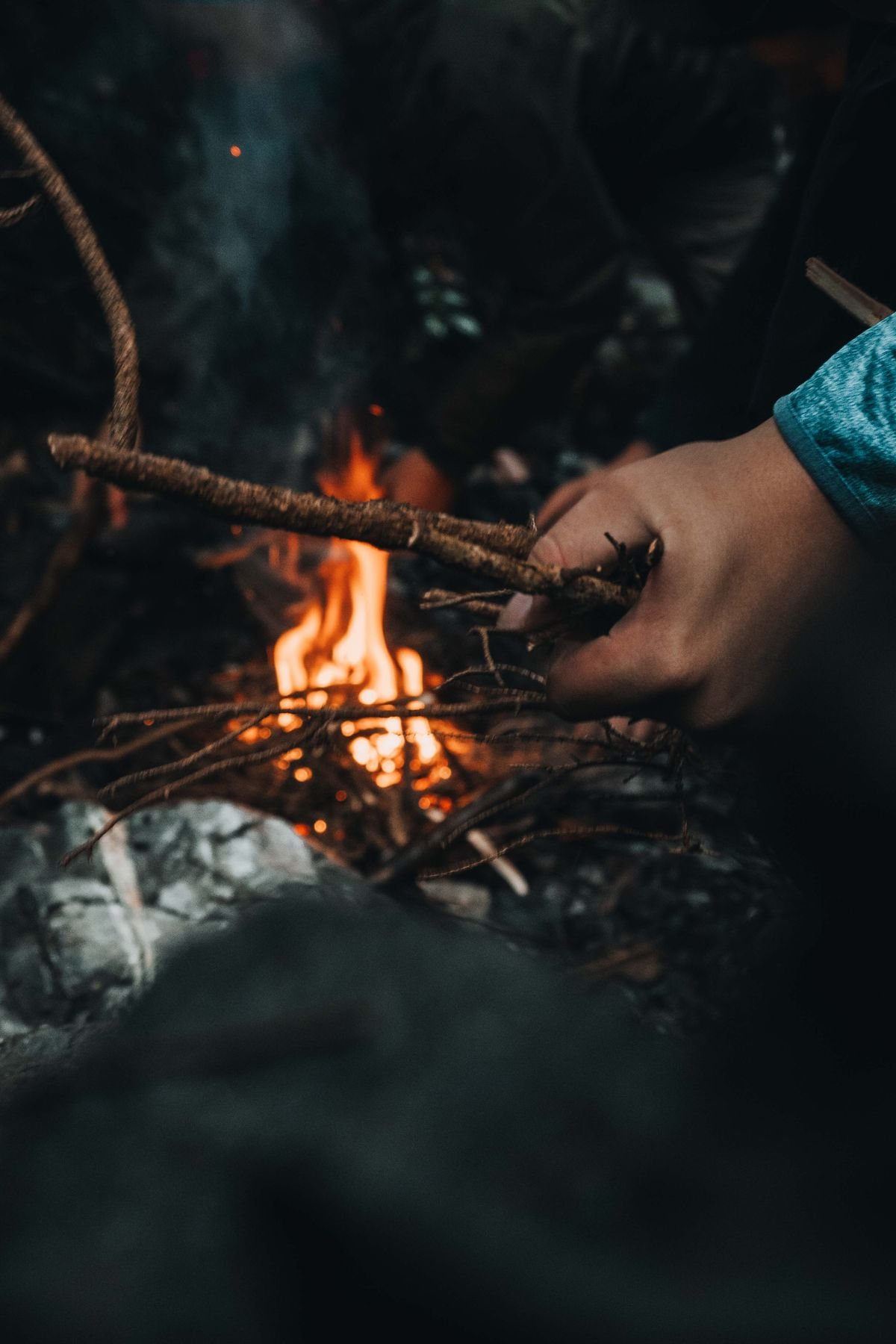
If you want fire starting to be foolproof, buy commercial fire starter plugs. These are small nuggets of wax, fiber, and accelerant that light with a single match and burn for 5-10 minutes. You place one under your kindling, light it, and walk away. They work wet, they work windy, and they do not require any skill.
I keep a pack of these in my car camping kit for trips where I just want a fire without thinking about it. They are not the lightest option for backpacking, but for car camping and base camps, they are hard to beat.
See Black Beard Fire Plugs on Amazon
One thing I do not like: they smell like chemicals when they burn. If you are the type who likes the smell of a wood fire, these will annoy you. The smell fades once the wood catches, but those first few minutes are not pleasant.
The Natural Option: Fatwood
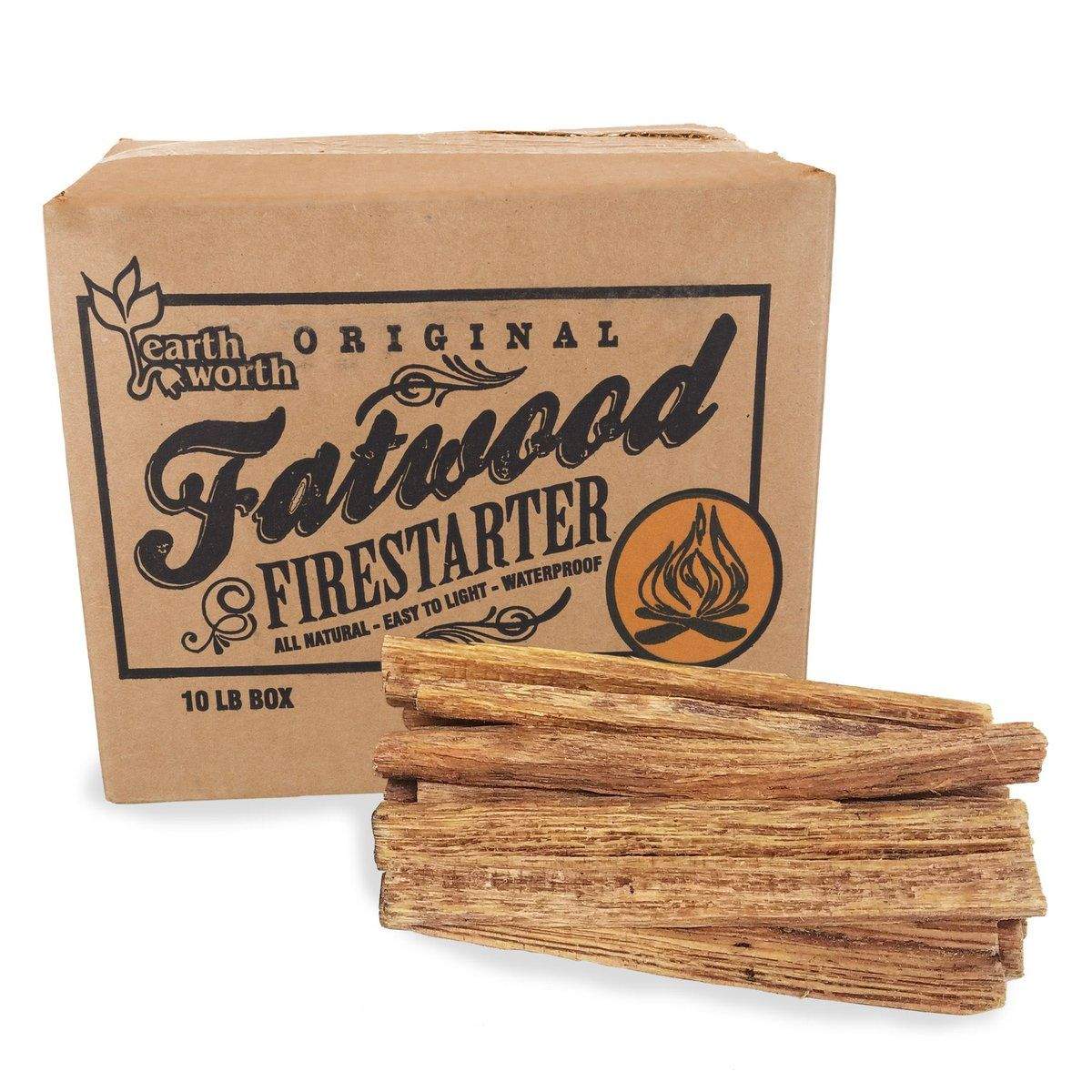
Fatwood is pine wood that is naturally saturated with resin. It lights easily, burns hot, and smells like pine. It is the only fire starter on this list that is both effective and pleasant to use. Break off a few sticks, shave them into thin curls with your knife, and light the curls with a match or lighter. The resin burns long enough to dry slightly damp kindling.
A 10-pound box of fatwood lasts an entire camping season. I keep a handful of sticks in a ziplock bag in my pack for every trip. It weighs almost nothing and it has never failed me.
See Betterwood Fatwood on Amazon
The downside: fatwood is not truly waterproof. If the sticks get soaked, you need to shave the wet outer layer off to reach dry resin underneath. It is water-resistant, not waterproof. For true wet-weather fire starting, pair it with a ferro rod and dry tinder in a waterproof bag.
The Backup: Waterproof Matches
Matches are not my primary fire starter, but I always carry a waterproof tube of them as a backup. They weigh nothing, they cost almost nothing, and they work when your lighter is out of fuel and your ferro rod striker is somewhere at the bottom of a creek.
Waterproof matches are not all equal. The good ones light on the striker pad even after being submerged, and they burn for 10-15 seconds even in wind. The cheap ones are barely better than kitchen matches.
See Black Beard Waterproof Matches on Amazon
Keep them in a waterproof tube, not the cardboard box they come in. And carry at least two striker pads — they wear out faster than the matches do.
The All-in-One: Fire Starter Kit
If you want one purchase that covers multiple methods, a fire starter kit gives you a ferro rod, tinder, and often a striker and kindling in a single compact package. These are popular gifts for new campers and they make sense if you are building a kit from scratch.
See the Black Beard Captain’s Loot Kit on Amazon
The upside: everything is in one place. The downside: you are paying for convenience, not quality. The ferro rod in a kit is usually thinner and shorter than a standalone rod. The tinder is usually a small amount. If you already have a ferro rod and fatwood, you do not need a kit. If you are starting from zero, a kit is a reasonable place to begin.
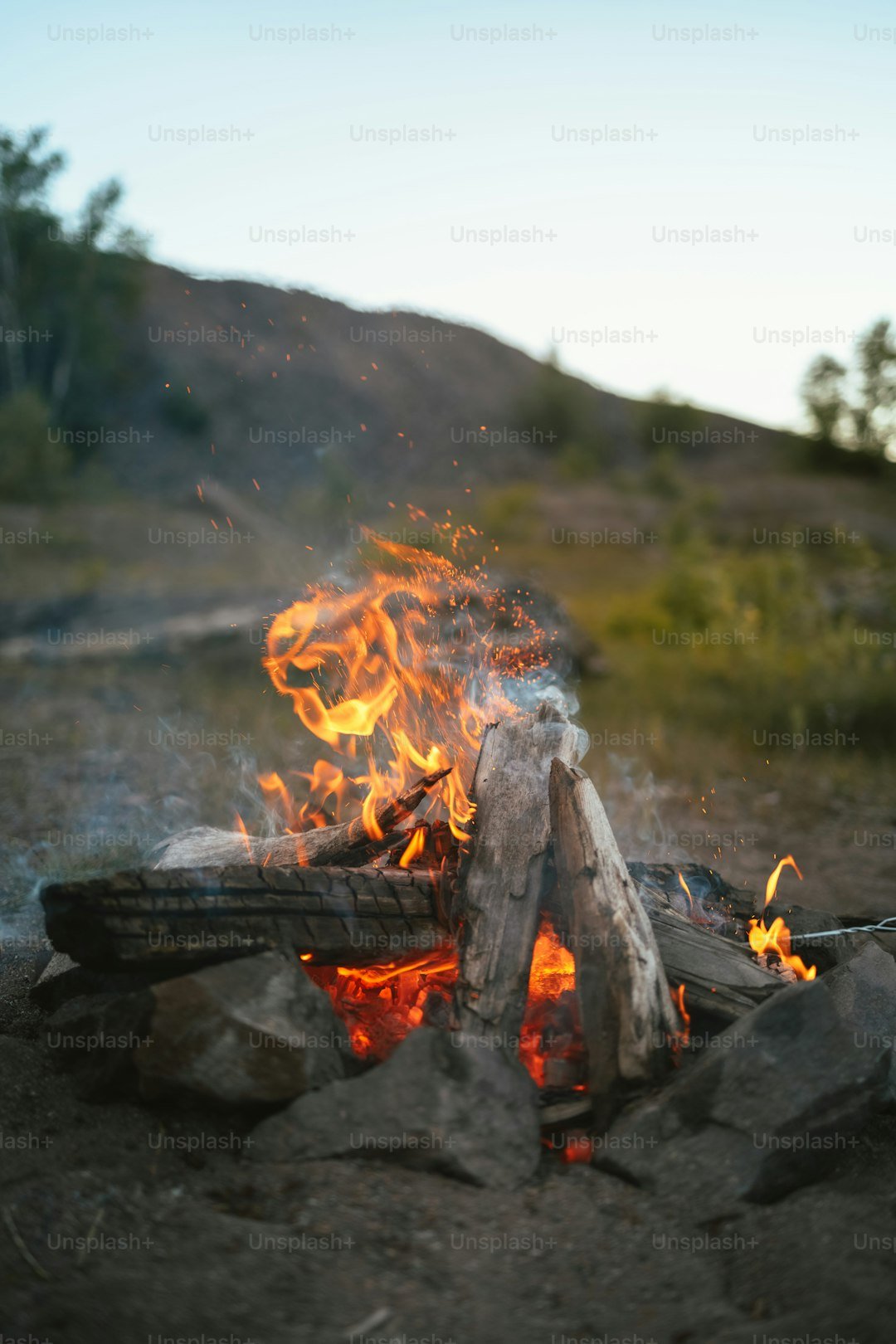
The Free Option: DIY Fire Starters
You do not need to buy anything. The best DIY fire starter I have used is also the simplest: dryer lint packed into a cardboard egg carton, covered in melted candle wax. Each cup burns for 8-10 minutes, lights with a single match, and costs approximately nothing.
Cotton balls coated in petroleum jelly are the ultralight backpacker’s version. Stuff 10 of them into a film canister or ziplock bag and you have enough fire starter for a week-long trip. They weigh almost nothing and they burn for 2-3 minutes each.
The downside of DIY is that you have to actually do it. If you are the type who packs the night before a trip, commercial fire starters are worth the money. If you enjoy prep, DIY is the way to go.
How I Actually Start a Campfire
My setup for a typical weekend trip: a ferro rod and striker in my pack’s hip belt pocket, a ziplock of fatwood sticks and cotton-ball tinder in the main compartment, and a tube of waterproof matches in my first aid kit. That is three methods, all waterproof, weighing under 4 ounces total.
The process:
- Arrange tinder (dry grass, birch bark, or cotton balls) in a loose pile in the fire ring
- Shave a fatwood stick into curls and place them on top of the tinder
- Stack pencil-thin kindling around it in a teepee shape, leaving gaps for airflow
- Strike the ferro rod to throw sparks into the tinder, or use a match to light the fatwood shavings directly
- Once the kindling catches, add larger pieces gradually. Do not smother it.
If everything is wet, I use the fire starter plugs instead of fatwood. They burn longer and hotter, which matters more when the kindling is damp.
What I Recommend
For most campers: buy a ferro rod and a box of fatwood. That combination costs under $30, weighs a few ounces, and will start fires in almost any condition. Add a tube of waterproof matches as a backup and you are set.
For car campers who want easy: fire starter plugs. They remove the skill from fire starting, which is fine if you just want a fire without making it a project.
For backpackers: ferro rod plus cotton balls in petroleum jelly. Lightest option, most reliable, no expiration date.
The worst fire starter is the one you forgot to bring. Carry two methods, keep them dry, and practice with both before you actually need them. A campfire should be the best part of your trip, not the most frustrating.
For more camping skills, see our guides to camping stoves and bear canisters for food storage. Or check out our full camp gear guides.
GearHound is reader-supported. When you buy through links on this site, we may earn an affiliate commission at no extra cost to you.
⛺ Get Your Free Camping with Your Dog Checklist
Join our newsletter and get this free printable plus weekly tips.
Price Check
Prices verified via our product tracker. Updated Sep 27.
| Amazon.com: Black Beard Ferro Rod Fire Starter |Extra Larg | $27.50 | 4.8★ |
| Amazon.com: Black Beard Fire Plugs (50 Plugs) | 100% Weath | $17.95 | 4.7★ (1,171) |
| Amazon.com: Black Beard Fire Weatherproof Matches | 20 Mat | $14.99 | 4.7★ (2,025) |
As an Amazon Associate we earn from qualifying purchases.