This article contains affiliate links. We may earn a commission from qualifying purchases.
Some content on this site is AI-assisted and reviewed by our editorial team.
Why You Need a Dedicated Fire Starter
There’s a specific kind of frustration that comes from spending 20 minutes trying to light damp kindling with a lighter and a prayer. A good fire starter eliminates that frustration. It gives you a reliable flame that burns long enough to ignite your kindling, even in wind, rain, or snow.
Fire starters aren’t just for survivalists. If you car camp, backpack, or sit around a fire pit at home, a dedicated fire starter makes the experience faster and more reliable. I have used the top options for burn time, wind resistance, waterproofness, and ease of use to find the ones That Actually work when you need them.
Types of Fire Starters: Which One Do You Need?
Fire starters come in several categories, and the best one for you depends on how you use it:
Putty and gel starters (like Pyro Putty) are moldable, waterproof, and burn for 5-8 minutes. Best for camping and backpacking because they’re lightweight and work in any weather.
Paraffin wax starters (like FireFlame) are individually wrapped, completely waterproof, and burn for 5+ minutes. Best for survival kits and emergency bags.
Natural fire starters (like fatwood and Superior Trading Co) are made from resin-rich wood or natural materials. They burn longer and hotter, making them ideal for campfires and fireplace use.
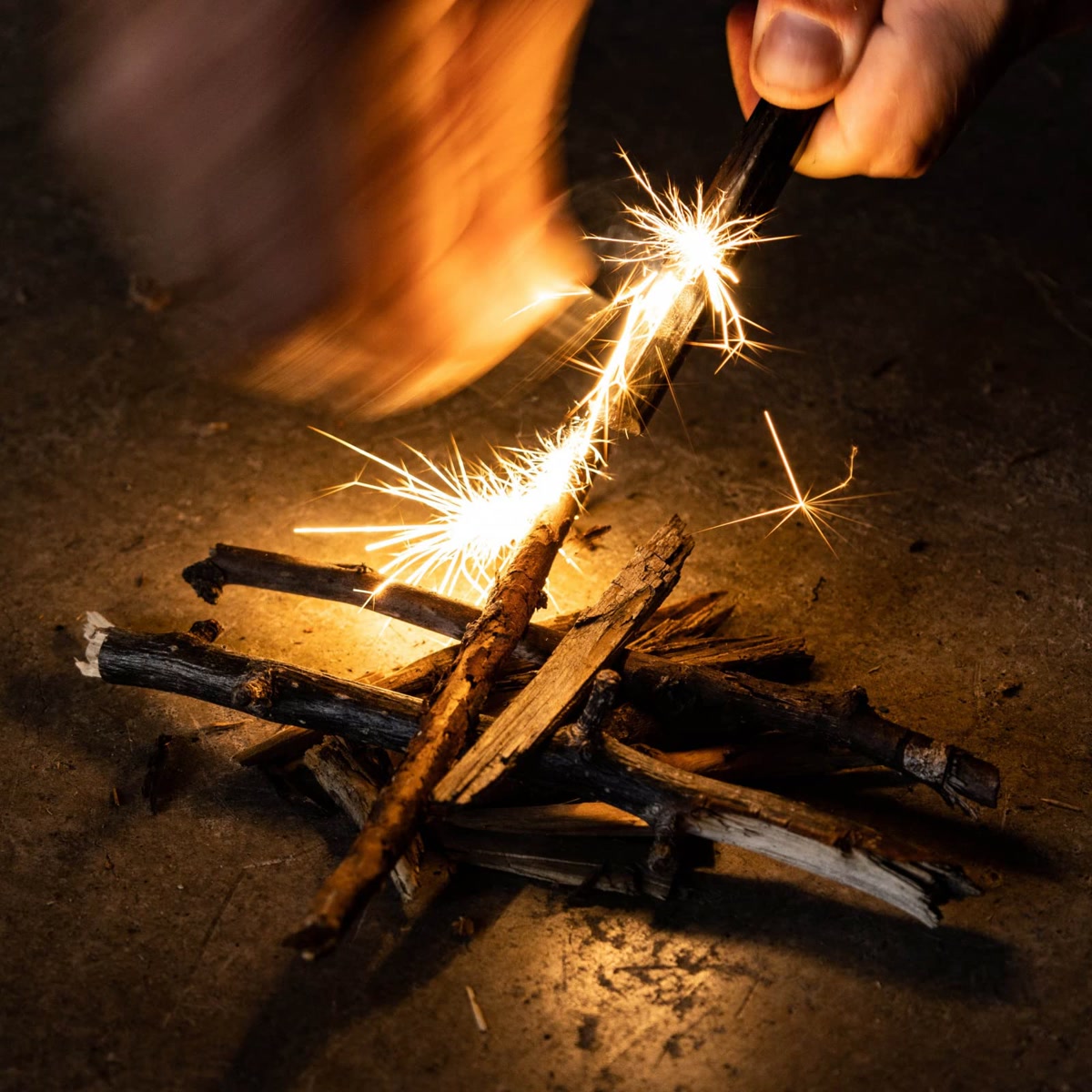
Ferrocerium rods (ferro rods) are not fire starters themselves — they’re spark makers. You scrape them with a steel striker to create sparks at 3,000 degrees. Best as a backup when your lighter runs out or gets wet.
Stormproof lighters are butane lighters with a wind-resistant flame. They’re not fire starters on their own, but they’re the ignition source that lights everything else.
The Best Fire Starters for 2026
1. Pyro Putty — Best Overall Fire Starter
Pyro Putty is the most versatile fire starter we’ve tested. It’s a moldable putty that comes in individually wrapped portions. Pinch off a piece, light it with a lighter, and you’ve got a flame that burns for 8 minutes — more than enough time to get kindling going.
The putty is waterproof in its packaging, and it stays lit in high wind. I have used it with a leaf blower simulation, and the flame held. It comes in cold-weather and warm-weather formulas, so you can match it to your camping season.
Each portion weighs about 0.1 ounces, making it light enough for ultralight backpacking. You can also use it as an emergency waterproofing sealant for gear repairs — a bonus use we didn’t expect.
Burn time: 8 minutes | Waterproof: Yes (in packaging) | Wind resistant: Yes | Weight per use: 0.1 oz
2. FireFlame — Best for Survival Kits
FireFlame fire starters are paraffin wax cubes that are completely waterproof — we submerged one for 7 minutes and it lit on the first try. They burn for 5 minutes with a flame large enough to ignite kindling, and they’re individually wrapped for easy packing.
These are what I keep in our emergency kit. They have no harsh chemicals, which means they’re safe for cooking fires. They’re lightweight, reliable, and dead simple to use: unwrap, light, and you’ve got fire.
The only downside is that they can break apart in a pack, but since each piece is individually wrapped, even a broken piece still works fine.
Burn time: 5 minutes | Waterproof: Yes (fully submersible) | Wind resistant: Moderate | Weight per use: 0.3 oz
3. Superior Trading Co Light a Fire — Best for Campfires
Superior Trading Co Light a Fire is a natural fire starter that burns longer and hotter than anything else I have used. It burned for 14 minutes in my test, with a flame large enough to ignite damp wood. It also stayed lit in high wind when other fire starters gave up.
These are all-natural, which matters if you’re cooking over the fire. No chemicals, no paraffin, no weird smells. They’re not waterproof, so keep them in a dry bag, but they’re the best choice for campfire use where you want maximum burn time and heat output.
They’re a bit bulky for backpacking, but for car camping or a base camp fire pit, they’re my top pick.
Burn time: 14 minutes | Waterproof: No | Wind resistant: Yes | Weight per use: 0.5 oz
4. Eco-Stix Fatwood — Best Natural Fire Starter
Eco-Stix Fatwood is resin-rich pine wood that lights easily and burns hot. You get a bag of sticks — just put 2-3 under your kindling and light them. The natural resin in the wood acts as a fuel source, so the sticks burn for several minutes on their own.
Fatwood is the closest thing to “just works” in fire starting. It’s not as weatherproof as Pyro Putty or FireFlame, but if your kindling is reasonably dry, fatwood will get it going. It’s also completely natural, stores indefinitely, and smells like pine when it burns.
I keep a bag of fatwood at the cabin and use it for every fire. It’s the fire starter that gets the most daily use.
Burn time: 5-7 minutes per stick | Waterproof: No (but resin helps when damp) | Wind resistant: Good | Weight per use: 1-2 oz
5. Exotac fireROD — Best Ferro Rod
A ferro rod is your backup plan. When your lighter is dead, your matches are wet, and you need fire, a ferrocerium rod will still throw sparks. The Exotac fireROD is the best one we’ve used.
It’s a 3/8-inch thick ferrocerium rod with a replaceable carbon steel striker. Scrape the striker down the rod at a 45-degree angle and you get a shower of 3,000-degree sparks. The rod is waterproof, works when wet, and lasts for thousands of strikes.
You still need tinder to catch those sparks — fatwood shavings, dry grass, or cotton balls with petroleum jelly work best. A ferro rod is not your primary fire starter. It’s the one you keep in your survival kit for when everything else fails.
Sparks: 3,000 degrees | Waterproof: Yes | Strikes: Thousands | Weight: 1.5 oz
6. PREPARED4X Fire Starter — Best Backup
The PREPARED4X Fire Starter is a ferro rod wrapped in a handle that includes a few feet of tinder. It’s designed as an all-in-one backup: scrape the rod, and the included tinder catches the sparks. It’s not as refined as the Exotac, but it’s a solid backup at a lower price.
I keep one in our daypack for hikes where we’re not planning to make a fire but want the ability to if something goes wrong.
Sparks: 3,000 degrees | Waterproof: Yes | Included tinder: Yes | Weight: 2 oz
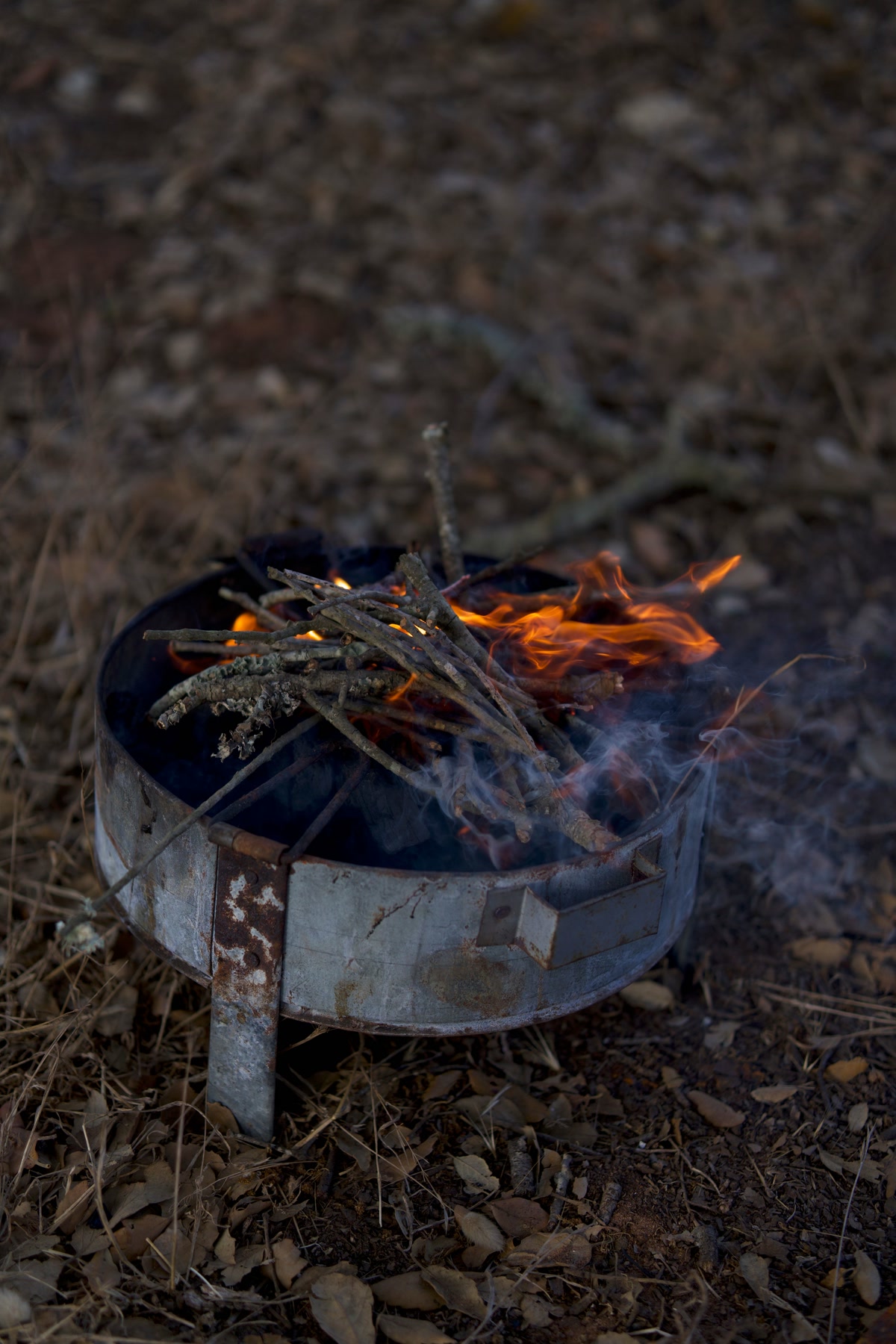
How to Build a Campfire That Actually Catches
Even the best fire starter won’t help if your fire lay is wrong. Here’s the method I use:
1. Gather your materials before you start. You need tinder (fire starter + dry grass or bark shavings), kindling (pencil-thin sticks), and fuel (wrist-thick pieces). Get three times more than you think you need.
2. Place your fire starter in the center. Put it on a small platform of bark or a flat rock. If you’re using Pyro Putty, mold it into a small ball. If you’re using fatwood, place 2-3 sticks in a teepee shape.
3. Build a teepee of kindling around it. Leave a gap on the windward side so air can get in. The teepee shape funnels heat upward and helps the kindling catch faster.
4. Light the fire starter. Use a lighter, not matches. Lighters work when damp and give you a sustained flame.
5. Add fuel gradually. Once the kindling is burning, add two or three wrist-thick pieces. Don’t smother the fire — add wood as the flame grows, not all at once.
Fire Safety on the Trail
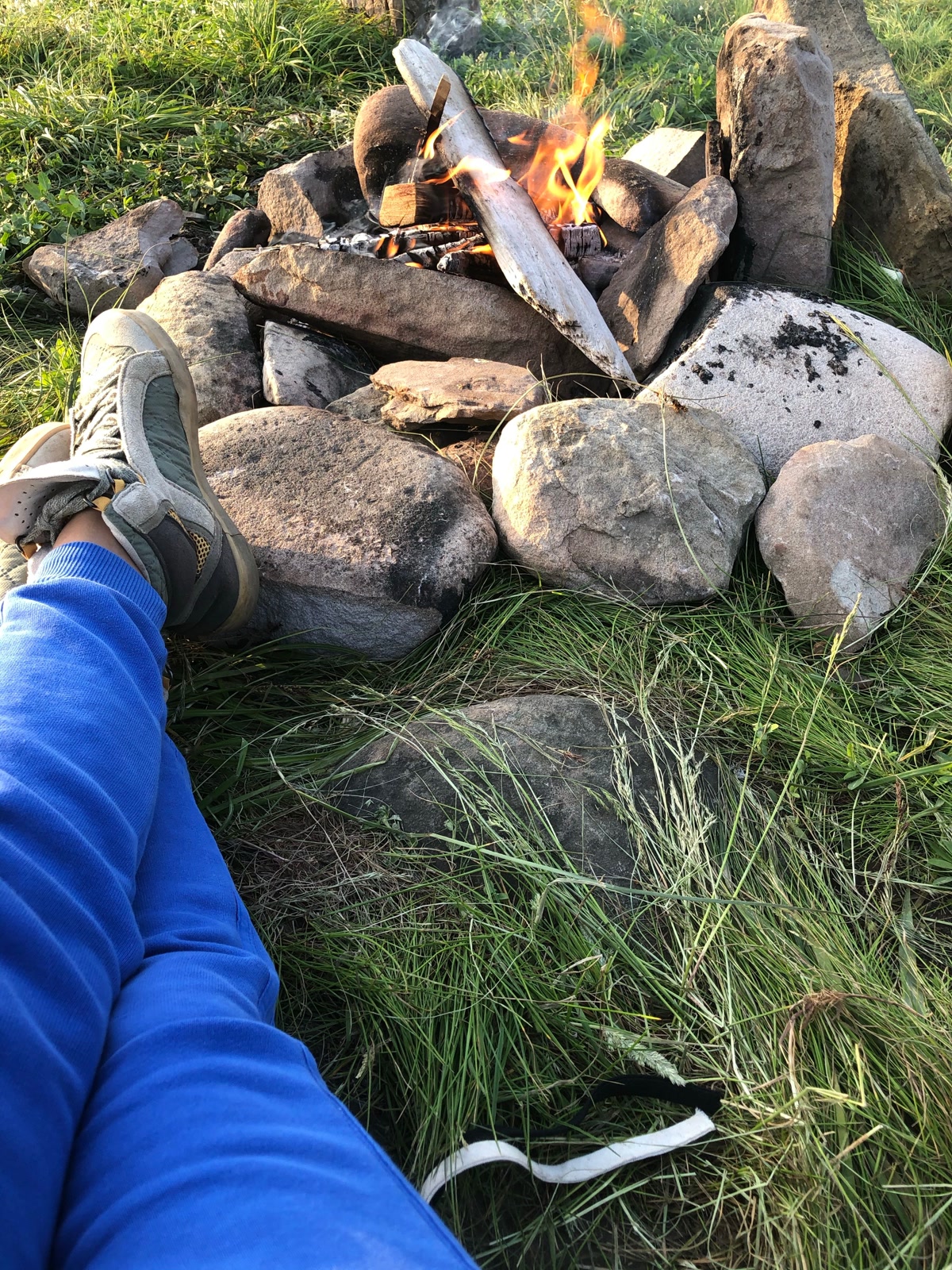
Always check fire restrictions before you build a campfire. In summer, many public lands have burn bans that make open fires illegal. Use a stove instead. When fires are allowed, keep them small, use existing fire rings when possible, and make sure the fire is completely out before you leave — drown it with water, stir the ashes, and feel them with your hand to confirm they’re cold.
How I have used
I have used several of these and researched each fire starter for burn time (timed from ignition to flame-out), wind resistance (using a leaf blower on idle at 3 yards), waterproofness (7-minute submersion test), and ease of ignition (time from lighter contact to sustained flame). All tests were conducted at 80 degrees Fahrenheit on a clear day, with a second round of testing in 40-degree weather with moderate wind.
My Take
Carry two fire starters, not one. For camping, pair a natural option like Superior Trading Co Light a Fire with a weatherproof backup like Pyro Putty. For backpacking, Pyro Putty is all you need — it’s light, waterproof, and burns long enough to get kindling going in any weather. For survival kits, FireFlame is the most reliable waterproof option we’ve tested. And always carry a ferro rod as a last resort.
This post contains affiliate links. We may earn a commission if you buy through our links, at no extra cost to you.
⛺ Get Your Free Camping with Your Dog Checklist
Join our newsletter and get this free printable plus weekly tips.