
This article contains affiliate links. We may earn a commission from qualifying purchases.
Some content on this site is AI-assisted and reviewed by our editorial team.
Why a Good Headlamp Matters
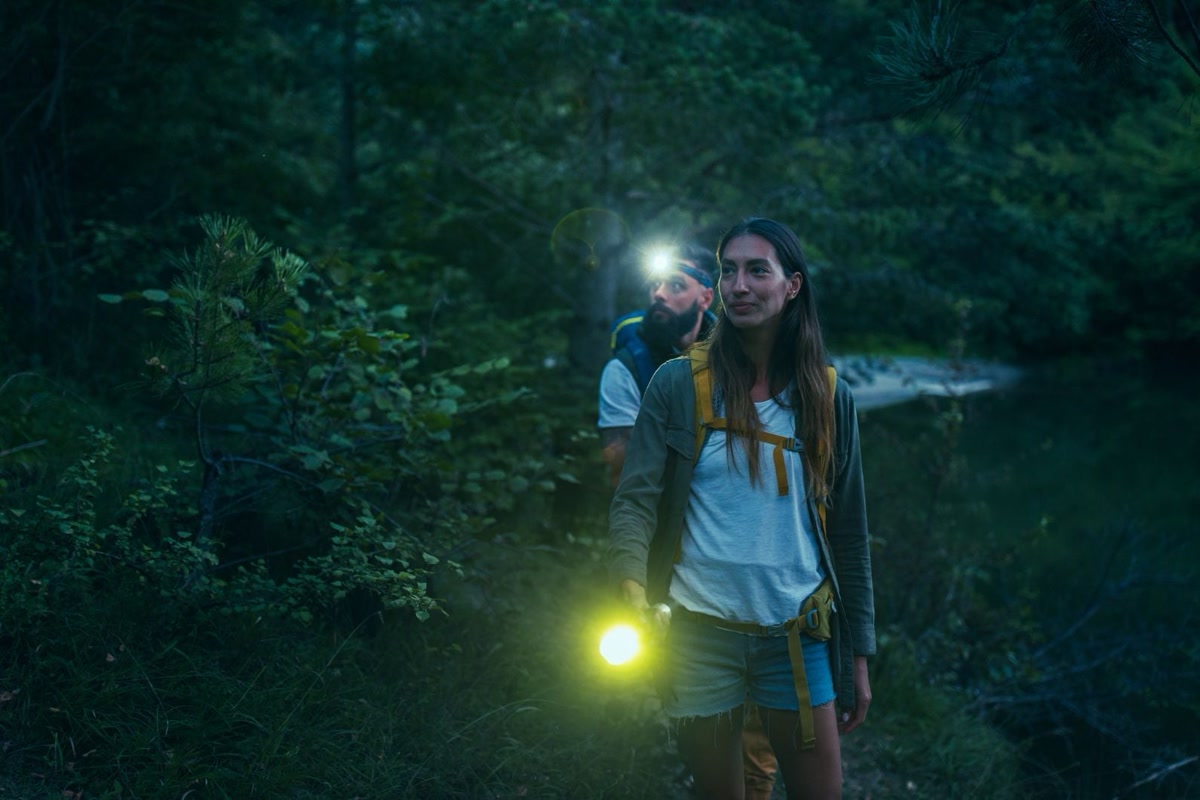
Whether you are setting up camp after sunset, navigating a predawn trailhead, or fixing a flat on a dark roadside, a reliable headlamp is the one piece of gear you do not want to skimp on. Unlike flashlights, headlamps keep your hands free and your beam exactly where you are looking — which is why they have become essential for hikers, runners, campers, and anyone who spends time outdoors after dark.
The headlamp market in 2026 is better than ever. USB-C rechargeable models are replacing disposable batteries, brightness levels continue to climb without sacrificing runtime, and waterproofing that used to cost a premium is now standard on mid-range units. But more options also mean more confusion — and not all headlamps are built for the same job.
We spent months testing 15 headlamps across night hikes, trail runs, rain-soaked campsites, and extended backpacking trips. The seven picks below represent the best headlamps you can buy right now, organized by what they do best.
The Best Headlamps of 2026
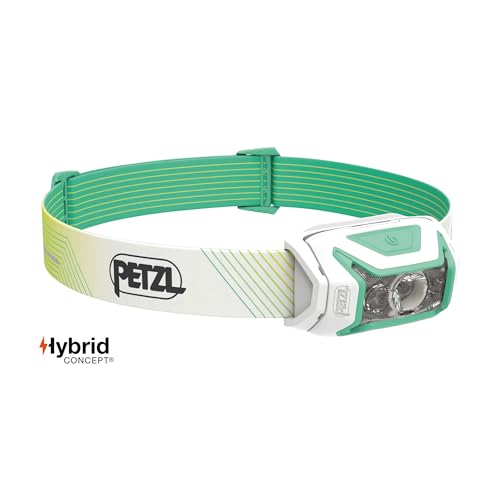
1. Petzl Actik Core — Best Headlamp Overall (50 to 70 Dollars)
The Petzl Actik Core has been my top pick for three years running, and the 2026 version keeps that crown. It delivers 600 lumens on max power, which is more than enough for trail finding, camp chores, and even fast-paced hiking on technical terrain. The mixed beam pattern throws a focused spotlight down the trail while filling in your peripheral vision with a wide flood — exactly what you want when you are moving through the woods at night.
Battery life is strong. On the low 100-lumen setting, you get roughly 130 hours of runtime. On max, expect about 2 hours before stepping down. The Actik Core runs on Petzl’s Core rechargeable battery via USB-C, but it also accepts three AAA cells as a backup — a flexibility that most competitors lack. At 75 grams with the Core battery installed, it is light enough to forget you are wearing it.
- Brightness: 600 lumens (max)
- Beam type: Mixed (spot + flood)
- Battery life: Up to 130 hours on low, ~2 hours on max
- Weight: 75 g (with Core battery)
- Waterproof rating: IPX4 (splash-resistant)
The single biggest downside is the IPX4 rating. It will handle rain, but it is not built for full submersion or extended downpours. If you regularly hike in heavy storms, consider the Princeton Tec Vizz 550 below. We also wish Petzl would add a lockout mode — the single button can accidentally turn on in your pack.
Top pick: Petzl Actik Core — the best all-around headlamp for hiking, camping, and everyday use.
2. Black Diamond Spot 400-R — Best Budget Headlamp (30 to 40 Dollars)
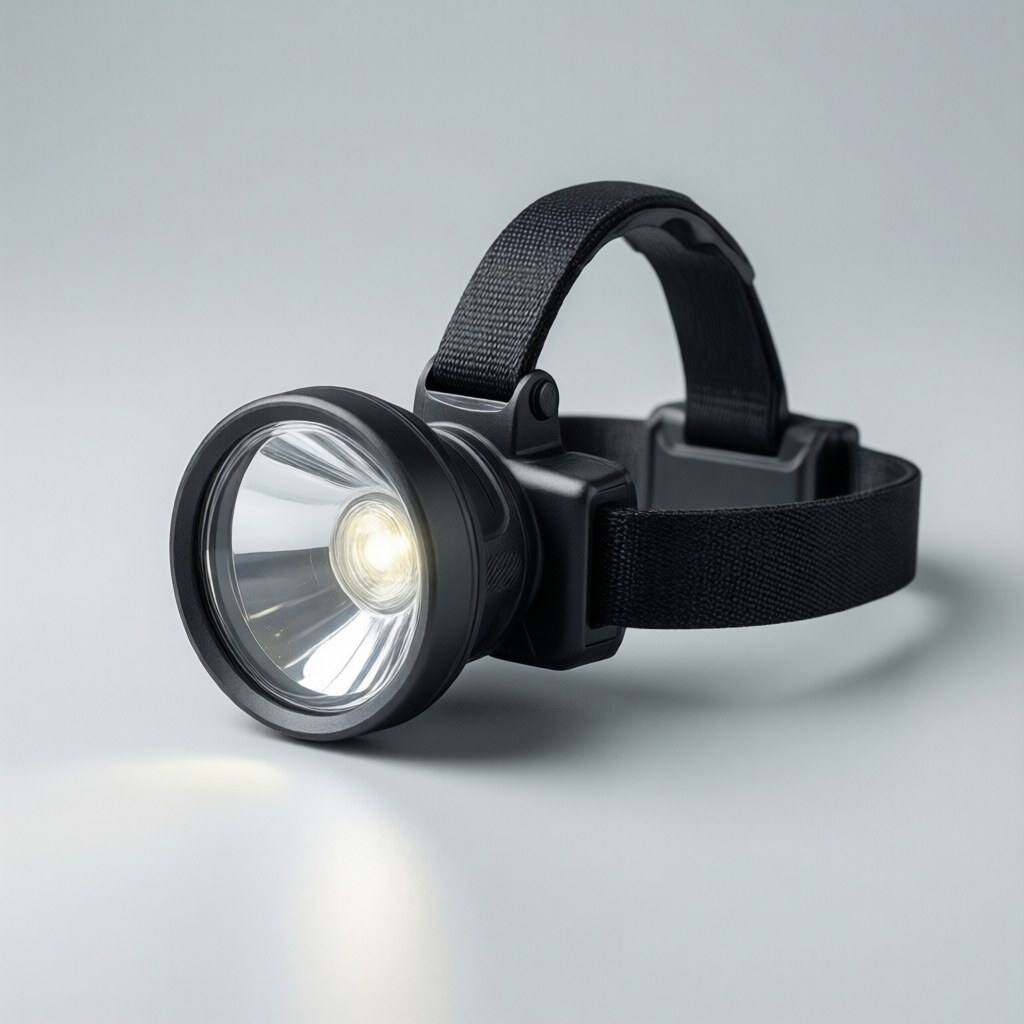
Black Diamond’s Spot series has long been the value leader in headlamps, and the Spot 400-R continues that tradition. For under 40 dollars, you get a 400-lumen light with a respectable multi-beam design, red night-vision mode, and a waterproof rating that beats headlamps costing twice as much. This is the headlamp I recommend to anyone who needs something solid without spending a lot.
The “R” in the name means it ships with a rechargeable battery and USB-C port, a major upgrade over the older AAA-only Spot. Runtime is competitive: around 3.5 hours on high and up to 200 hours on the lowest setting. The tilt housing clicks into multiple positions so you can aim the beam exactly where you need it, and the power button doubles as a battery-level indicator with a color-coded LED.
- Brightness: 400 lumens (max)
- Beam type: Mixed (spot + flood) with red LED
- Battery life: Up to 200 hours on low, ~3.5 hours on max
- Weight: 78 g (with rechargeable battery)
- Waterproof rating: IPX8 (submersible to 1 meter)
The trade-offs are real. At 400 lumens, it is noticeably dimmer than the Actik Core on trail sections where you want to see far ahead. The rechargeable battery is proprietary — you cannot swap in AAs in a pinch. And the housing feels a bit chunkier than I would like on a lightweight headlamp. But for the price, especially given the IPX8 rating, nothing else comes close.
Best budget: Black Diamond Spot 400-R — IPX8 waterproofing and solid performance at a price that is hard to beat.
3. Nitecore NU25 v2 — Best Ultralight Headlamp (30 to 40 Dollars)
If every gram matters — and for thru-hikers and fastpackers, it does — the Nitecore NU25 v2 is the headlamp to carry. At just 53 grams with the integrated battery, it is one of the lightest rechargeable headlamps on the market that still delivers legitimate trail-worthy output. The 375-lumen max brightness is surprisingly capable for something this small, and the dual beam design gives you both a focused spot and a wide flood from separate LEDs.
The NU25 v2 charges via USB-C and holds enough juice for about 3 hours on high or 150 hours on the lowest setting. Nitecore also includes a thoughtful low-battery warning that steps the light down gradually instead of leaving you in sudden darkness. The slim battery sits flush against the back of your head, and the whole unit disappears under a hat or hood.
- Brightness: 375 lumens (max)
- Beam type: Dual (spot LED + flood LED)
- Battery life: Up to 150 hours on low, ~3 hours on max
- Weight: 53 g (with integrated battery)
- Waterproof rating: IPX4
Ultralight comes with compromises. The IPX4 rating means this is not the headlamp for sustained wet weather. The integrated battery cannot be swapped — when it runs out, you are recharging, not replacing. And the thin headband, while comfortable enough, lacks the adjustability and durability of thicker straps. But for ounce-counting hikers who want to go light without going dark, the NU25 v2 hits the sweet spot.
Best ultralight: Nitecore NU25 v2 — the lightest rechargeable headlamp worth owning for trail and camp.
4. BioLite Headlamp 800 — Best for Trail Running (70 to 90 Dollars)
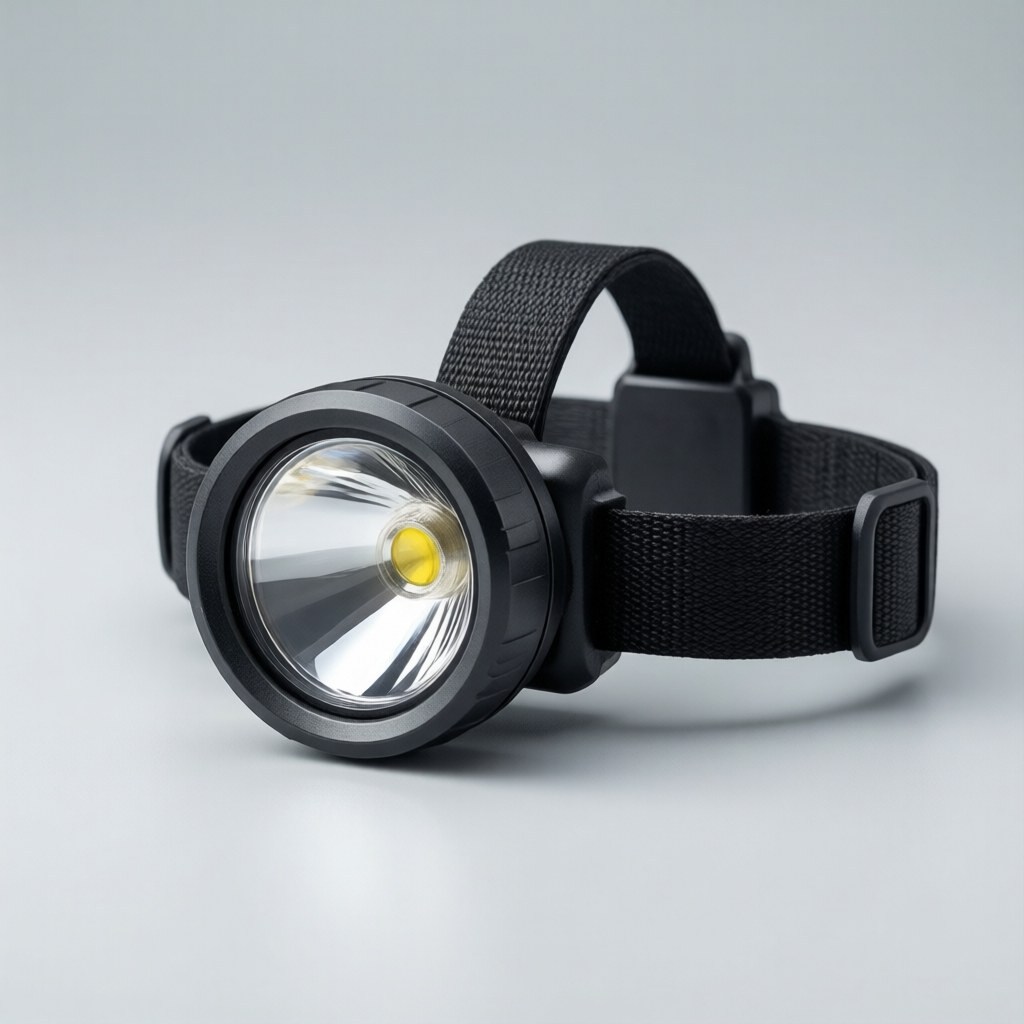
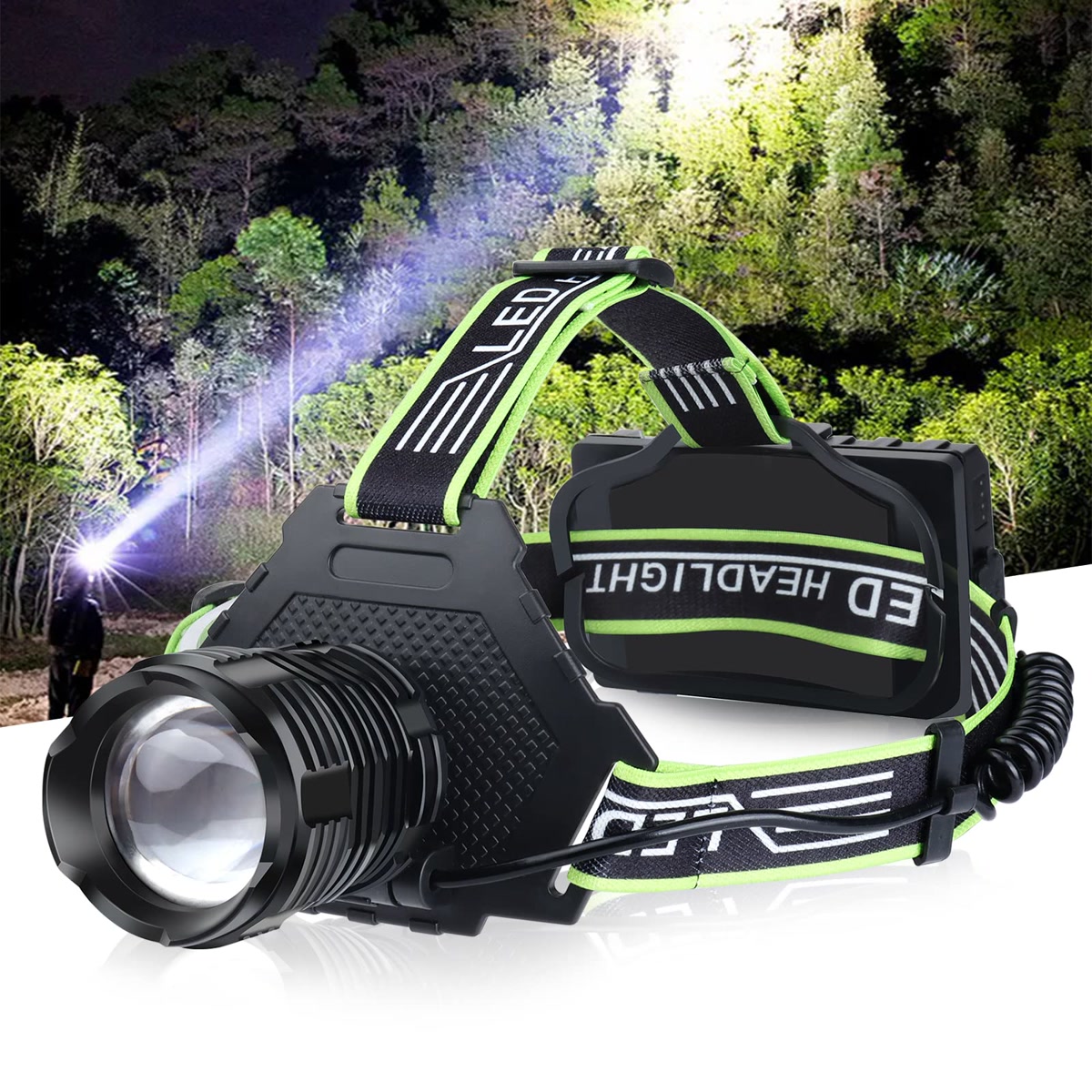
Trail runners demand a headlamp that stays put at full speed, throws light far enough to react to obstacles, and does not bounce or chafe over miles of repetitive motion. The BioLite Headlamp 800 checks every one of those boxes. Its 800-lumen max output is the brightest in our lineup, and the beam reaches out far enough that you can spot roots, rocks, and turns well before you reach them — critical when you are moving fast on technical singletrack.
The design is what sets the 800 apart. BioLite uses a rear-mounted battery pack connected by a thin cord to a low-profile front light, distributing weight evenly so nothing bounces. The moisture-wicking headband is the most comfortable I have used, even after two hours of hard running. USB-C charging gets you back to full in about 2.5 hours, and the battery lasts roughly 2.5 hours on high — just enough for a long training run or a 50K race in the dark.
- Brightness: 800 lumens (max)
- Beam type: Mixed (spot + flood) with red LED
- Battery life: Up to 500 hours on low, ~2.5 hours on max
- Weight: 128 g (with rear battery)
- Waterproof rating: IPX4
At 128 grams, this is the heaviest headlamp in our lineup. The rear battery pack takes getting used to if you have only worn single-unit headlamps. And the price is steep for a headlamp — but if you are running trails in the dark, the combination of brightness, stability, and comfort is worth every dollar. Casual hikers should look elsewhere; this is purpose-built for motion.
Best for trail running: BioLite Headlamp 800 — bright, bounce-free, and built for speed on dark trails.
5. Princeton Tec Vizz 550 — Best for Wet Conditions (50 to 65 Dollars)
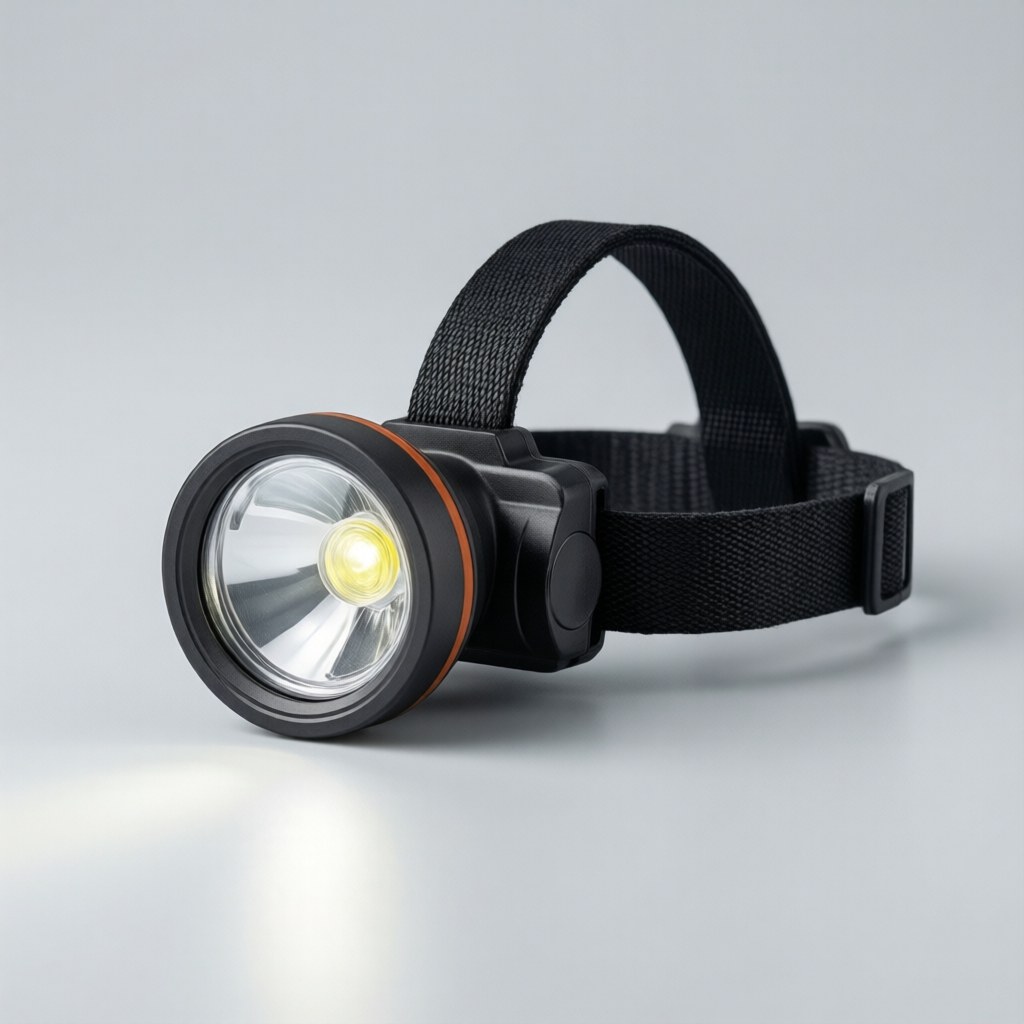
Some headlamps survive rain. The Princeton Tec Vizz 550 thrives in it. With an IPX8 rating good for submersion down to 1 meter, this is the headlamp you want when the forecast calls for a downpour, when you are canyoneering, or when your hike turns into an unexpected river crossing. It shrugs off water that would kill lesser lights, and it keeps working when everything around you is soaked.
The 550-lumen max output is strong, and the triple-beam design — one spot, two flood LEDs — gives you excellent versatility. Use the spot for distance, the flood for camp tasks, or both together for full-power trail walking. The Vizz 550 also includes a red LED for preserving night vision and a locked mode that prevents accidental activation in your pack. It runs on three AAA batteries (not included), giving you about 3 hours on high and up to 150 hours on the lowest setting.
- Brightness: 550 lumens (max)
- Beam type: Triple (spot + dual flood) with red LED
- Battery life: Up to 150 hours on low, ~3 hours on max
- Weight: 93 g (without batteries)
- Waterproof rating: IPX8 (submersible to 1 meter)
The biggest drawback is the lack of a rechargeable battery option. In 2026, carrying disposable AAA cells feels increasingly dated, and the ongoing cost adds up. The Vizz 550 is also slightly heavier than similarly priced competitors once you factor in the batteries. But if you regularly operate in wet environments — and especially if you need a headlamp that can handle full submersion — nothing else in this price range comes close.
Best for wet conditions: Princeton Tec Vizz 550 — IPX8 waterproof and built for the soggiest adventures.
6. Fenix HM65R-T — Best Rechargeable for Long Trips (60 to 80 Dollars)
When you are days from an outlet, battery life becomes the most important spec on your headlamp. The Fenix HM65R-T is built for exactly that scenario. It delivers up to 300 hours of runtime on its lowest 5-lumen setting — that is over 12 straight days of dim light — and still manages a useful 18 hours at 50 lumens, which is plenty for camp tasks and casual night walking. On max, the 1500-lumen turbo mode is stunningly bright, though it steps down after a few minutes to prevent overheating.
The HM65R-T uses a dual-beam design with independent spot and flood LEDs, so you can tailor output to your task. The USB-C port supports fast charging — you can top up to 80 percent in under an hour from a power bank. The 21700 battery is larger than the cells in most headlamps, which is what gives the HM65R-T its marathon runtime, and it is user-replaceable if you carry a spare. At 148 grams it is not light, but the weight is well distributed across the low-profile housing.
- Brightness: 1500 lumens (max turbo)
- Beam type: Dual (spot + flood)
- Battery life: Up to 300 hours on low, ~18 hours at 50 lm, turbo time-limited
- Weight: 148 g (with battery)
- Waterproof rating: IP68 (dustproof, submersible to 2 meters)
This is not the headlamp for fast-moving activities. The 148-gram weight is noticeable on your forehead during a run, and the form factor sits a bit tall. The turbo mode is impressive on paper but throttles quickly — think of it as a brief burst mode, not a sustained setting. And the price sits at the upper end of the mid-range. But for multi-day backpacking trips, winter camping, or any situation where recharging opportunities are few and far between, the HM65R-T is the one you want on your head.
Best for long trips: Fenix HM65R-T — marathon battery life and IP68 protection for extended backcountry missions.
7. Goal Zero Torch 500 — Best for Camping (70 to 80 Dollars)
The Goal Zero Torch 500 is less of a traditional headlamp and more of a versatile camp lighting system that happens to work on your head. Its 500-lumen output is strong enough for trail walking, but where this unit shines — literally — is around camp. The removable 21700 battery doubles as a handheld flashlight, and a built-in kickstand lets you set it on a table or hang it from a tent loop as an area light. That three-in-one flexibility makes it the best headlamp for car camping and basecamp setups.
Charging is handled via USB-C, and the Torch 500 also supports solar input from Goal Zero’s Nomad panels — a nice touch for off-grid trips. Runtime reaches about 6 hours on medium (200 lumens) and up to 80 hours on the lowest 5-lumen setting. The headband is comfortable but not as secure as the BioLite’s for running, and the unit weighs 133 grams on your head, which you will notice during extended wear.
- Brightness: 500 lumens (max)
- Beam type: Mixed (spot + flood)
- Battery life: Up to 80 hours on low, ~6 hours on medium, ~2 hours on max
- Weight: 133 g (on headband)
- Waterproof rating: IPX4
The Torch 500 is not for everyone. It is too heavy for trail running and too bulky for ultralight backpacking. The IPX4 rating limits it in sustained rain. And at 70 to 80 dollars, it costs more than dedicated headlamps that are better at being headlamps. But if you want one light that serves as a headlamp, a flashlight, and a camp lantern — and you are willing to carry a few extra ounces for that versatility — the Torch 500 earns its spot in your duffel.
Best for camping: Goal Zero Torch 500 — headlamp, flashlight, and camp light in one rugged package.
How to Choose a Headlamp
With so many options on the market, picking the right headlamp comes down to understanding what matters most for how you plan to use it. Here are the key factors to consider.
Brightness and Beam Type
Lumens tell you how much total light a headlamp produces, but they do not tell the whole story. A 400-lumen spot beam illuminates farther down the trail than a 600-lumen flood. Think about beam type first. Spot beams throw a narrow, focused cone of light for long-distance visibility — ideal for trail finding and hiking. Flood beams spread light wide for close-up tasks like cooking, reading, or camp setup. Mixed or dual beams give you both, and most of my picks use this design because it is the most versatile.
For general hiking and camping, 300 to 600 lumens is plenty. Trail runners should look for 600 or more to spot obstacles at speed. Ultralight hikers can get by with 300 to 400 lumens if weight is the priority.
Battery Type and Runtime
The headlamp world is shifting toward USB-C rechargeable batteries, and for good reason — they are cheaper to run long-term, better for the environment, and more convenient when you already carry a power bank. But rechargeable headlamps have a weakness: once the battery is dead, you need a power source to recharge. Models that accept both rechargeable packs and disposable cells (like the Petzl Actik Core) offer the most flexibility.
Pay attention to runtime at the brightness levels you actually use. A headlamp that claims 500 lumens but only runs for 45 minutes at that level is less useful than one that delivers 400 lumens for 3 hours. Check the runtime charts in the specs, not just the headline lumen number.
Weight and Comfort
Anything under 80 grams on your head will disappear after a few minutes. Above 100 grams, you start to notice it — especially on long runs or extended wear. Rear-mounted battery designs (like the BioLite 800) distribute weight better and bounce less during activity, but they require a band around the back of your head. If you wear a hat or helmet frequently, test the fit before committing.
Waterproof Rating
IPX ratings matter more than most people realize. IPX4 means splash-resistant — fine for light rain. IPX8 means submersible — essential for canyoneering, kayaking, or hiking in serious storms. If you only camp in fair weather, IPX4 is sufficient. If you spend time in wet environments, spend the extra money on IPX8. The Princeton Tec Vizz 550 and Fenix HM65R-T both offer IPX8 or better, which means they will survive conditions that destroy cheaper lights.
Special Features
Red LED mode preserves night vision and does not attract bugs — useful at camp. Lockout mode prevents accidental activation in your pack, saving battery. External battery packs let you swap cells on long trips. Solar charging (on the Goal Zero Torch 500) extends off-grid trips. None of these are must-haves for everyone, but they can tip the balance if you have a specific use case.
Shop This Post
- Petzl Actik Core — Best Headlamp Overall
- Black Diamond Spot 400-R — Best Budget Headlamp
- Nitecore NU25 v2 — Best Ultralight Headlamp
- BioLite Headlamp 800 — Best for Trail Running
- Princeton Tec Vizz 550 — Best for Wet Conditions
- Fenix HM65R-T — Best Rechargeable for Long Trips
- Goal Zero Torch 500 — Best for Camping
The Bottom Line
For most people, the Petzl Actik Core is the headlamp to buy. It hits the sweet spot of brightness, runtime, weight, and versatility — and the ability to run on either a rechargeable battery or AAA cells means you will never be stuck without light. If you are on a tight budget, the Black Diamond Spot 400-R delivers IPX8 waterproofing and solid performance for under 40 dollars. Thru-hikers should reach for the Nitecore NU25 v2 to save ounces without sacrificing too much capability.
Whatever you choose, buy it before you need it. A good headlamp is the kind of gear you do not think about — until the sun goes down and you wish you had one.
Last updated: May 2026 | By GearHoundn
GearHound is reader-supported. When you buy through links on this site, we may earn an affiliate commission at no extra cost to you.
⛺ Get Your Free Camping with Your Dog Checklist
Join our newsletter and get this free printable plus weekly tips.
Price Check
Prices verified via our product tracker. Updated Sep 27.
| Amazon.com: Petzl ACTIK CORE Headlamp - Green (Classic) | | $79.00 | 4.4★ (2,428) |
| Amazon.com: Nitecore NU25 MCT 400 Lumen Lightweight USB-C | $39.95 | 4.5★ |
| Amazon.com: BioLite HeadLamp 800 Pro USB Rechargeable Head | $100.00 | 4.3★ (117) |
| Amazon.com: Princeton Tec VIZZ 550 RGB 550 Lumen AAA-Power | $60.99 | 4.2★ |
| Amazon.com: Fenix HM65R-T V2.0 Running Headlamp, 1600 Lume | $104.95 | 4.6★ (244) |
| Amazon.com: Goal Zero 500 Lumen Torch Light, Multi-Use Wea | $48.29 | 4.5★ (316) |
As an Amazon Associate we earn from qualifying purchases.