This article contains affiliate links. We may earn a commission from qualifying purchases.
Some content on this site is AI-assisted and reviewed by our editorial team.
Why 1 in 3 Dogs Will Get Lost on a Trail at Some Point
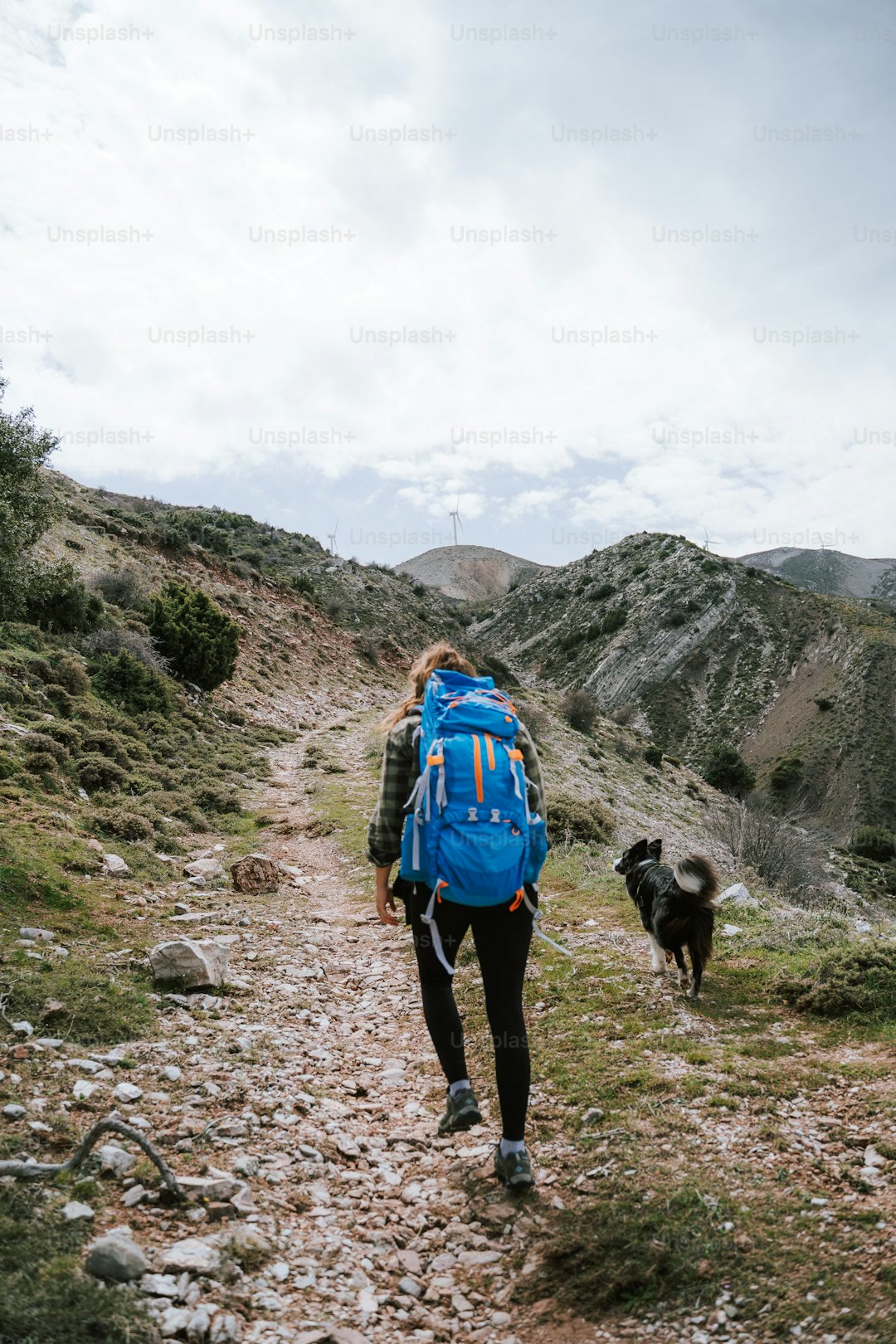
According to a survey by the American Kennel Club, one in three dog owners have had their dog get lost or go missing during an outdoor activity. On trails, it usually happens fast — a deer bolts across the path, your dog takes off after it, and within 30 seconds they are out of sight and out of earshot. Most dogs are found within a few hours, but some are never recovered. A GPS tracker does not prevent your dog from running — it tells you exactly where they went.
How Dog GPS Trackers Work
Dog GPS trackers come in two types: cellular and radio. Each has trade-offs for trail use.
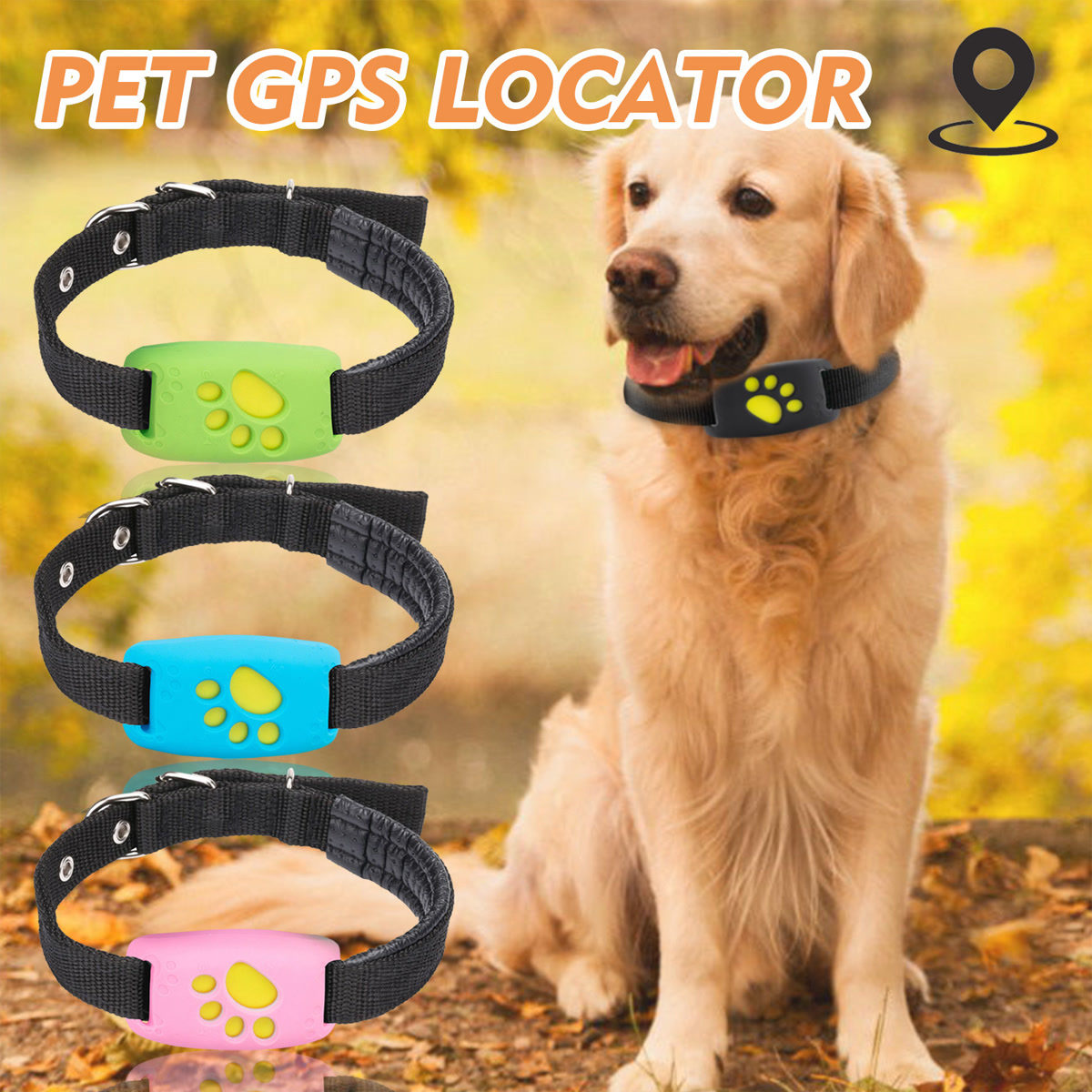
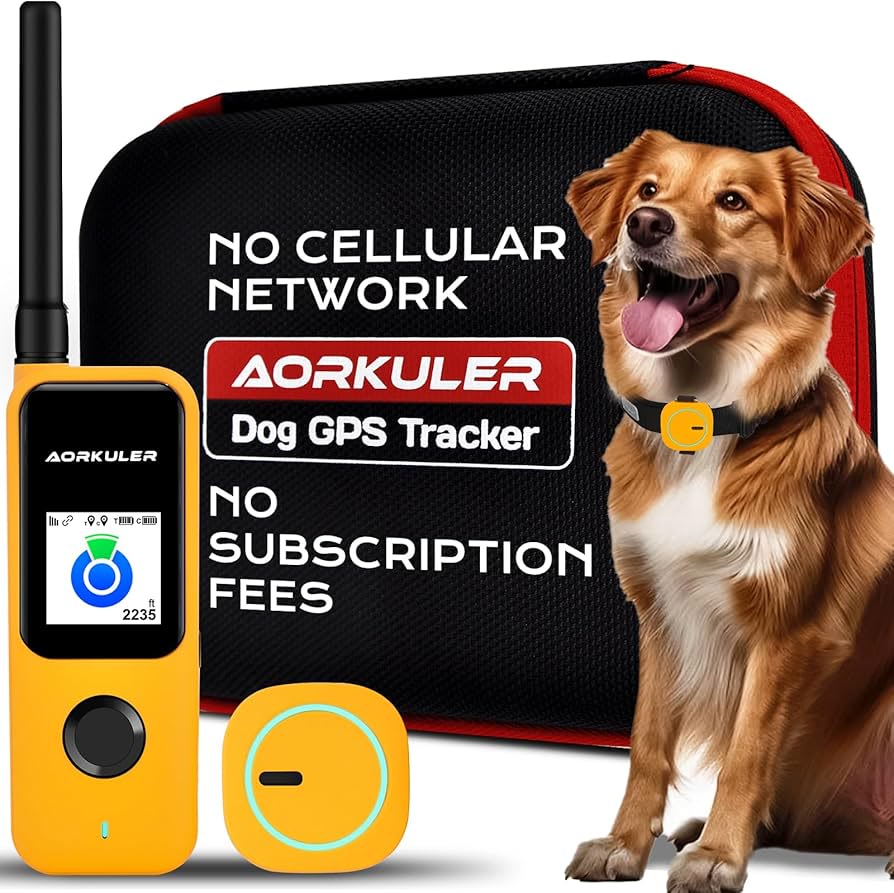
Cellular trackers (like Tractive, Fi, and Whistle) use cell towers to transmit your dog’s location to your phone. They work anywhere with cell coverage, which means they are unreliable on remote trails. Battery life is 2-7 days depending on the model. They require a monthly subscription (5 to 15 dollars). Good for urban trails and day hikes in covered areas.
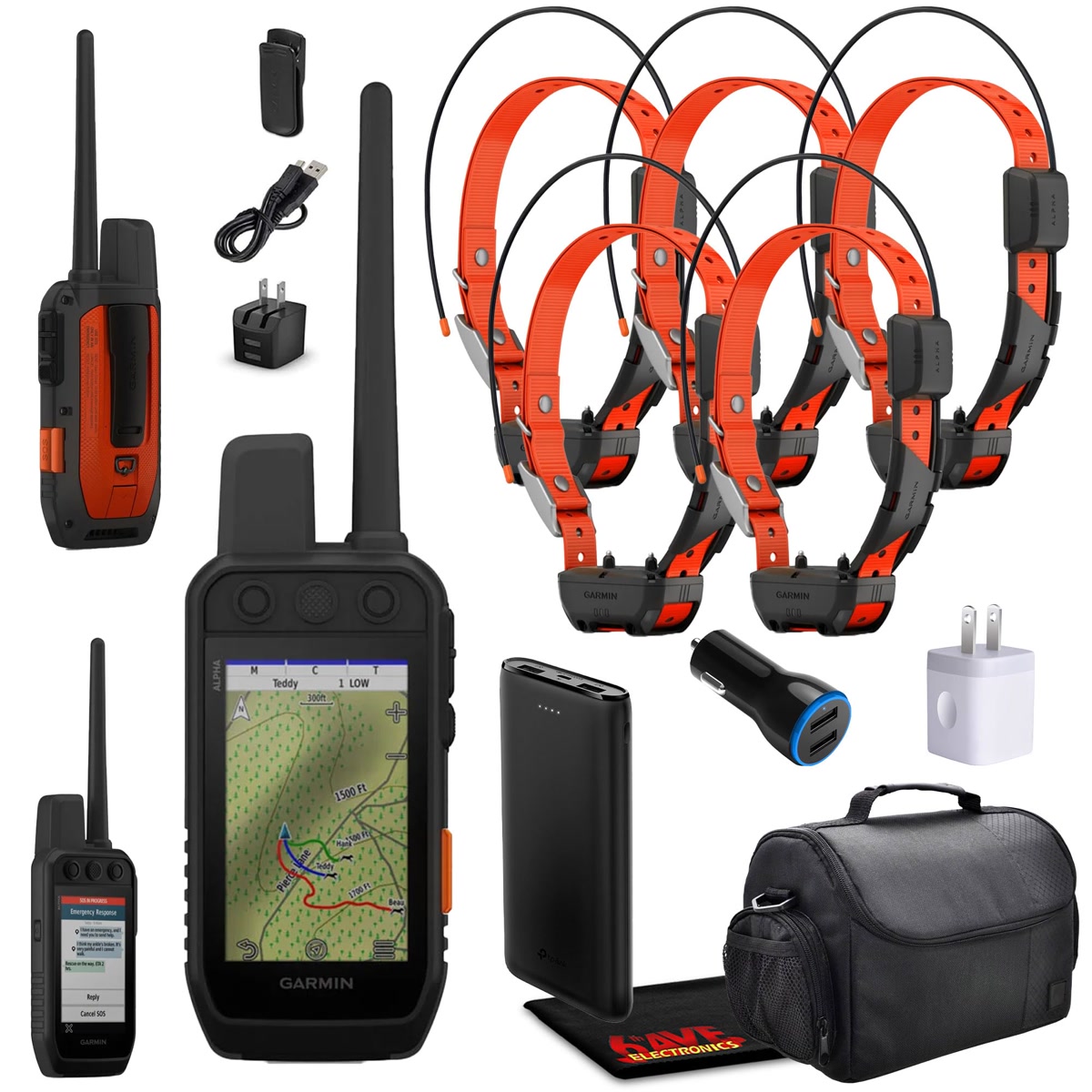
Radio trackers (like Garmin Alpha and SportDOG TEK) use radio frequencies to communicate between a handheld receiver and the dog’s collar. Range is typically 1-9 miles depending on terrain. No monthly fees. No cell coverage needed. Battery life is 20-40 hours. This is what professional hunters and backcountry handlers use. More expensive up front, but more reliable in the wilderness.
Top GPS Trackers for Trail Dogs
Garmin Alpha 300i
The gold standard for backcountry dog tracking. The Alpha 300i gives you real-time GPS positioning for up to 20 dogs at once, with a range of up to 9 miles in flat terrain and 4 miles in dense forest. It includes two-way communication, so you can train and track with the same device. No monthly fees — the cost is all up front. Expensive, but if your dog runs far on remote trails, this is the only tracker that will reliably tell you where they are.
Tractive GPS DOG 4
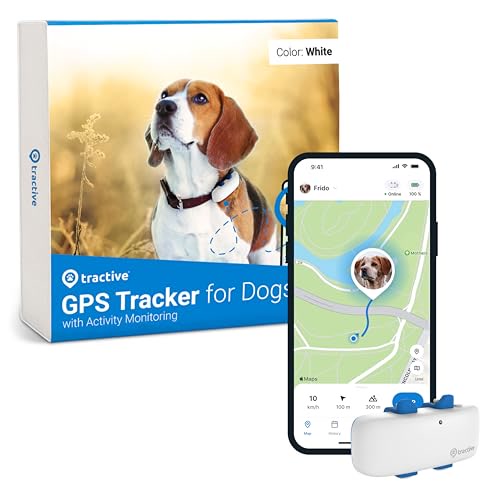
The best cellular tracker for day hikers. It is small, lightweight (1.3 ounces), and attaches to any collar. The app shows your dog’s location in real time with a 30-second update interval. It includes a fitness tracker that monitors your dog’s daily activity. Battery life is 2-5 days. Requires a monthly subscription starting at 5 dollars. Works on any trail within cell coverage — not suitable for true backcountry use.
SportDog TEK 2.0
A mid-range radio tracker that splits the difference between the Garmin Alpha and cellular trackers. Range is up to 9 miles with the handheld, and the collar is waterproof and shock-resistant. It includes training features (tone, vibration, and static stimulation) so you can recall your dog from a distance. No monthly fees. Good for hunters and hikers who need radio range but cannot justify the Garmin’s price tag.
Which Type Is Right for You?
Choose a radio tracker (Garmin Alpha, SportDog TEK) if:
- You hike in areas without cell coverage (national forests, BLM land, mountains)
- Your dog has a high prey drive and takes off after wildlife
- You need to track your dog for more than a day on a single charge
- You do not want a monthly subscription
Choose a cellular tracker (Tractive, Fi, Whistle) if:
- You hike on popular, well-covered trails near urban areas
- Your dog stays close and you want a backup in case they wander
- You also want fitness and health monitoring for your dog
- You prefer a smaller, lighter collar attachment
How to Train Your Dog to Wear a GPS Collar
A GPS collar is useless if your dog will not wear it. Introduce the collar gradually:
Week 1: Let your dog wear the collar around the house for 30 minutes a day. Pair it with treats and play. Do not turn it on yet.
Week 2: Turn the collar on during neighborhood walks. Let your dog get used to the weight and the sound. Check the app to make sure it is tracking correctly.
Week 3: Use the collar on short, familiar trails. Practice recalling your dog while monitoring their position on the app or handheld.
Week 4: Use the collar on your regular hiking routes. By now, your dog should ignore the collar entirely.
Never put a GPS collar on a dog for the first time on a long hike. If the collar bothers them, they will scratch at it, and you will be miles from home with a non-functional tracker.
What to Do If Your Dog Gets Lost on a Trail
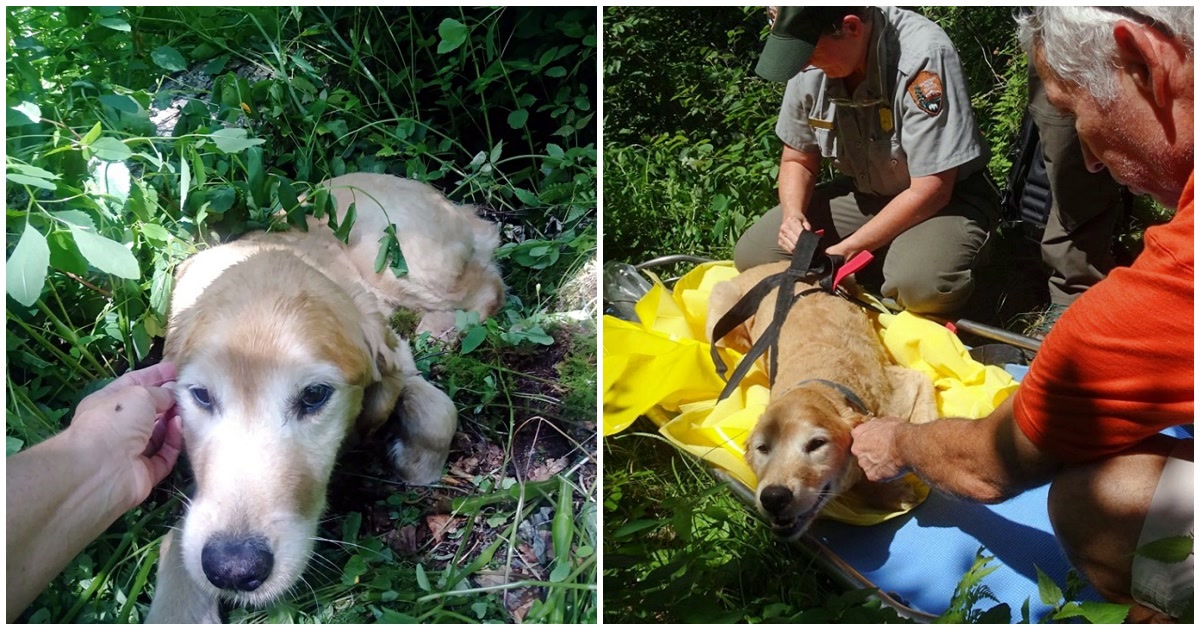
Even with a GPS tracker, dogs can get lost. Here is the protocol:
1. Do not chase. If your dog is running, chasing them makes them run farther. Stay still and call calmly.
2. Check the GPS. If you have a tracker, get the direction and distance. Walk toward them, do not run — running makes dogs think it is a game.
3. Return to the last point you saw them. Most dogs circle back to where they last saw you. Leave a piece of clothing with your scent at the trail junction.
4. Expand your search. If your dog is not back within 30 minutes, start searching in a grid pattern. Post on local hiking Facebook groups with a photo and your last known location.
5. Contact the trailhead. If the trail has a ranger station or visitor center, report your dog missing. Many lost dogs are found by other hikers and brought to the trailhead.
The Bottom Line
If you hike in remote areas without cell coverage, the Garmin Alpha 300i or SportDog TEK 2.0 are the only reliable options. For urban and suburban trails, the Tractive GPS DOG 4 is lightweight and affordable but requires cell coverage and a monthly subscription. Train your dog to wear the collar before you need it. And if your dog gets lost, do not chase — stay calm, check the GPS, and return to the last point you saw them.
See also: Best Hiking Gaiters 2026: Keep Rocks, Mud, and Snow Out of Your Boots, How to Choose a Dog Backpack: Sizing, Capacity, and Weight Limits Explained, Best Dog Rain Coats 2026: Waterproof Gear That Keeps Your Dog Dry on the Trail.
GearHound is reader-supported. When you buy through links on this site, we may earn an affiliate commission at no extra cost to you.
⛺ Get Your Free Camping with Your Dog Checklist
Join our newsletter and get this free printable plus weekly tips.
Price Check
Prices verified via our product tracker. Updated Sep 27.
| Amazon.com : Hurtta Cooling Wrap, Aquamarine, 18-22 in : P | $49.95 | 4.0★ (2,022) |
| Amazon.com : Ruffwear, Swamp Cooler Dog Harness, Lightweig | $59.99 | 4.4★ (406) |
| Amazon.com: Ruffwear, Approach Pack Dog Backpack, Blue Dus | $59.99 | 4.6★ |
As an Amazon Associate we earn from qualifying purchases.