This article contains affiliate links. We may earn a commission from qualifying purchases.
Some content on this site is AI-assisted and reviewed by our editorial team.
The first hard freeze is three weeks out and every cold-weather camping forum lights up with the same question: are propane heaters safe in a tent? The short answer is yes, with caveats that matter more than the heater you pick. The long answer is that nobody runs one overnight while asleep, ventilation is non-negotiable, and the fuel cost per night adds up faster than you think. I’ve run propane heaters in wall tents, backpacking tents, and the back of a wagon — here’s what actually works, what doesn’t, and where the safety line sits.
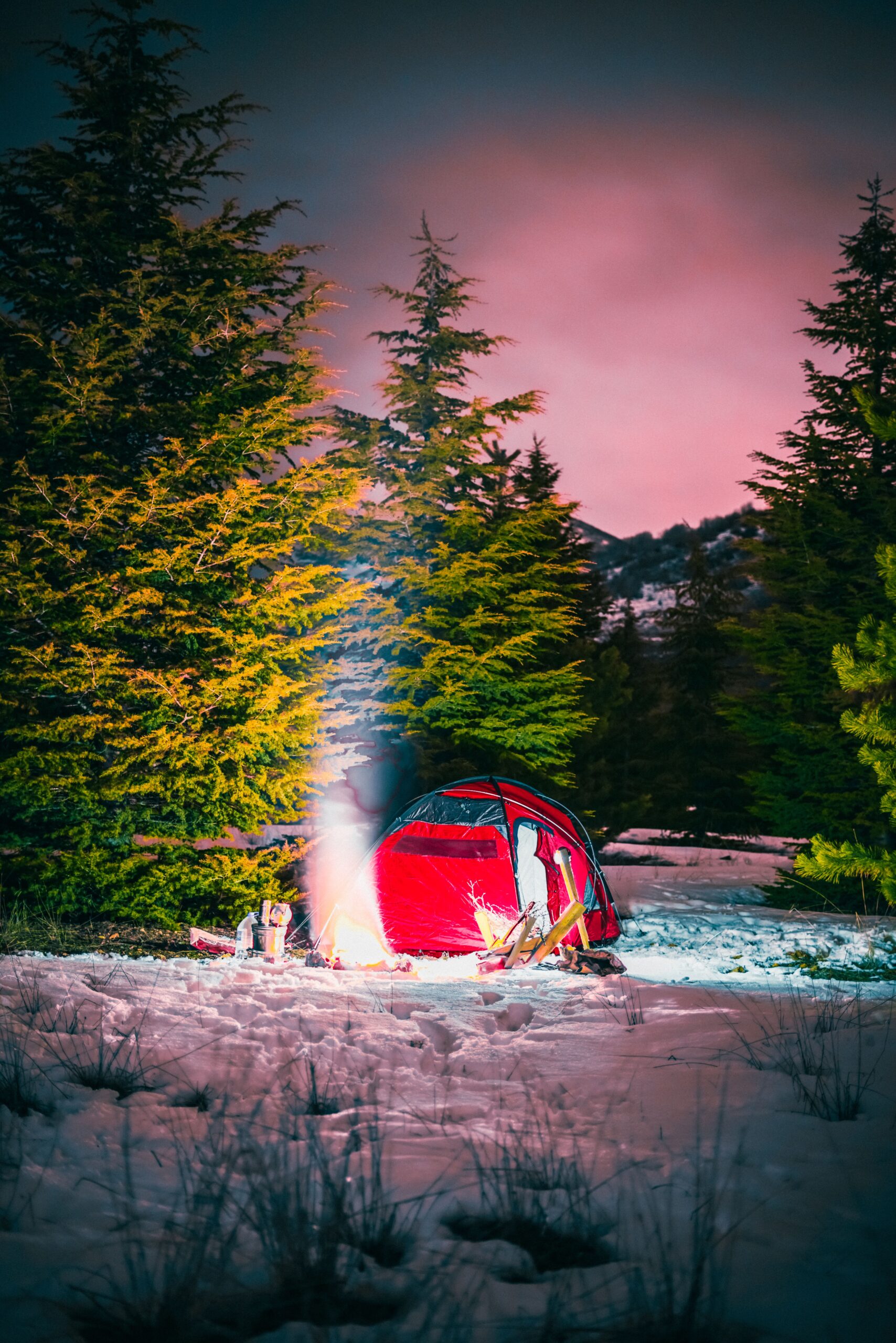
Let’s be blunt about the safety piece before anything else: every heater in this roundup burns fuel and produces carbon monoxide. The difference between a safe setup and a dangerous one is ventilation, an oxygen-depletion sensor (ODS), and the discipline to never sleep with one running. That last rule eliminates most propane heaters from overnight use — which is exactly where the diesel heater earns its keep.
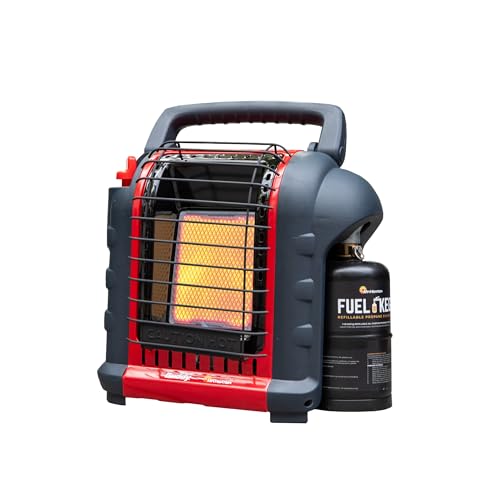
Mr. Heater Portable Buddy MH9BX — The 9,000-BTU Default
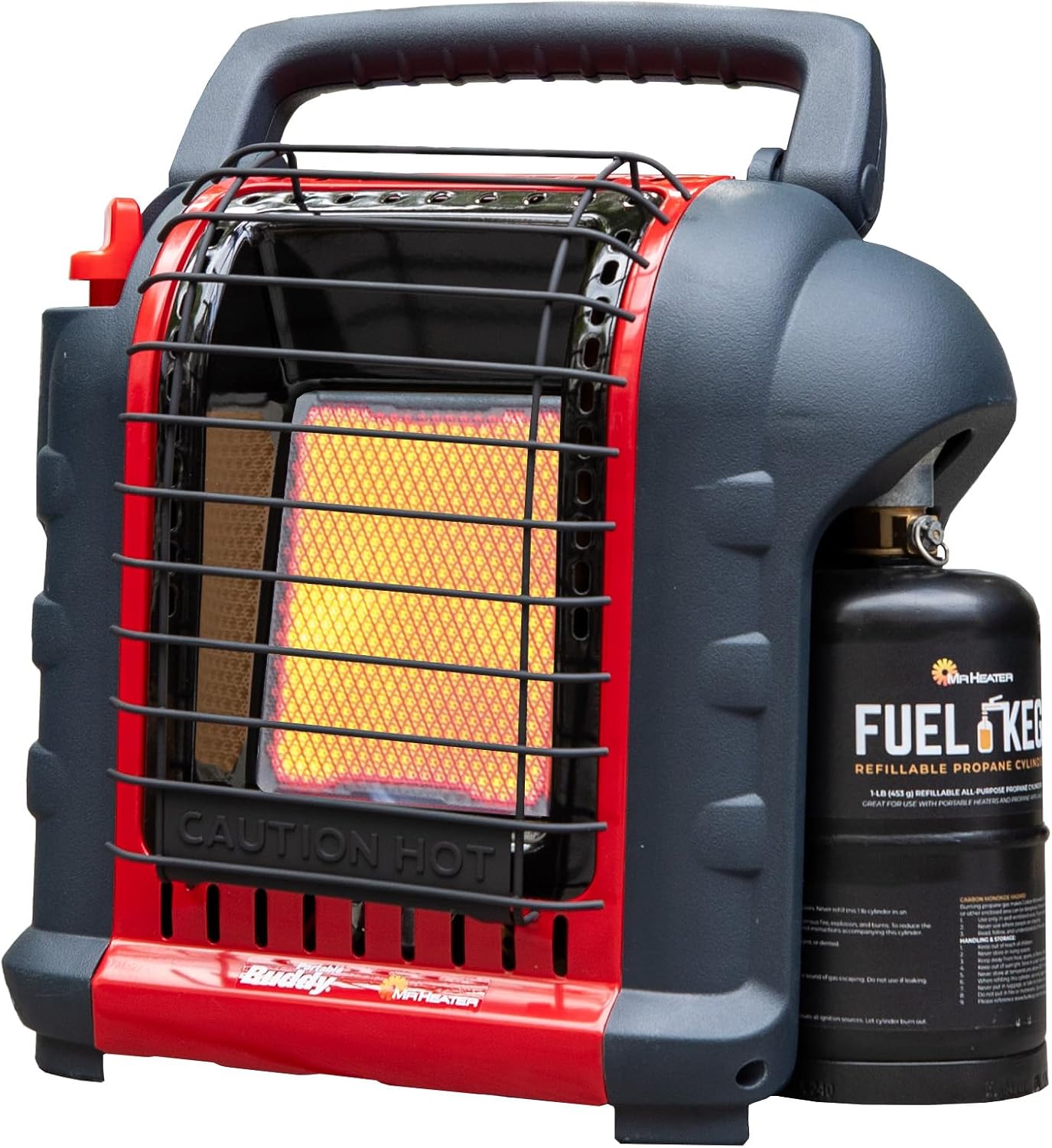
The Mr. Heater Portable Buddy is the heater you see in every ice-fishing shanty and hunting blind, and for good reason. It pushes 4,000 to 9,000 BTU, covers about 225 square feet, and runs roughly 5.4 hours on a 1-pound cylinder at the low setting. The ODS and tip-over shutoff are the safety chain — if oxygen drops or the unit falls, it cuts fuel. At about $90, it’s the default pick for a reason.
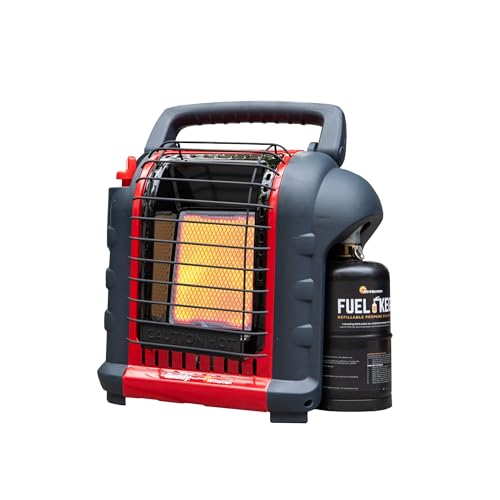
Here’s the honest part: on high, that same 1-pound cylinder is gone in under three hours. The fan is louder than you expect for the size, and Mr. Heater caps rated use at 7,000 feet elevation — above that, the ODS trips prematurely and the heater shuts itself off. It’s a warming heater, not an overnight heater. You run it to take the edge off while you’re awake and dressing, then you turn it off and crawl into your bag.
My take: The Buddy is the right default for 90% of cold-weather campers who want warmth during waking hours — just budget for fuel honestly.
Mr. Heater Little Buddy MH4B — The Minimalist Half-Pint
The Little Buddy is exactly what it sounds like: 3,800 BTU at about $50, with the same ODS safety chain in a footprint that fits a one-person tent. It runs about 5.5 hours on a 1-pound cylinder and weighs under three pounds. If you’re solo camping in a bivy or small dome and just need to warm your hands before the sleeping bag takes over, this is the right size.
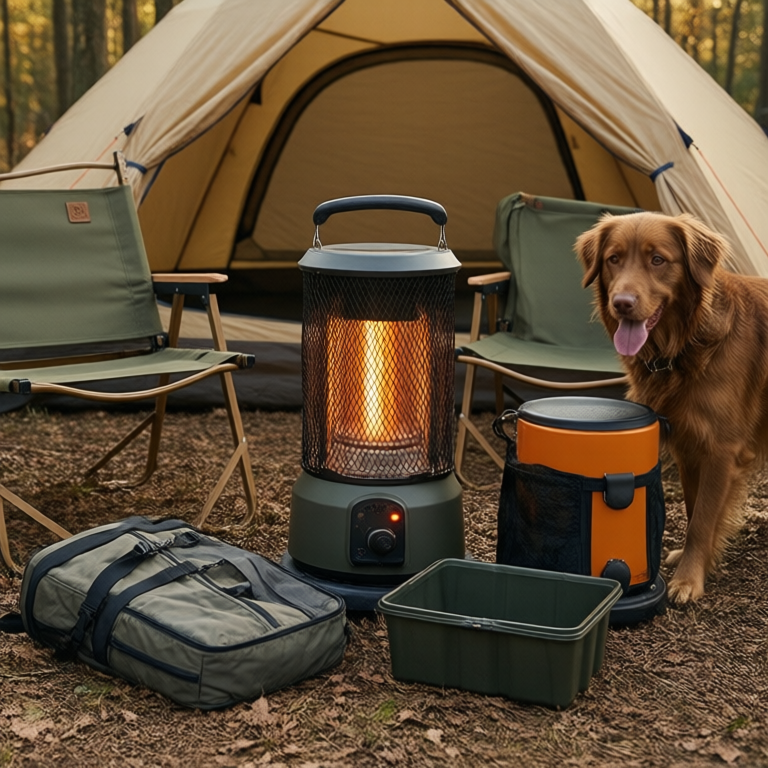
The tradeoff is coverage: 95 square feet means it’s personal heat, not tent heat. The plastic handle feels like the cost-saving measure it is, and the small base makes tip-over more likely on uneven ground. Pair it with a flat rock or a piece of plywood.
My take: Buy it for solo trips where weight matters and you only need a 15-minute warm-up — not for heating a shared tent.
Camco Olympian Wave-3 Catalytic — The Silent Upgrade
The Wave-3 is a different animal: 3,000 BTU of radiant catalytic heat that sips propane from a 20-pound tank and runs completely silent — no fan, no power, no noise. Campers who’ve used both say the Wave-3 is what the Buddy wants to be when it grows up, if you can stomach the price (over three times the Buddy’s cost) and the plumbing.
The catch: it’s unvented, so ventilation requirements are the same as every propane heater here. Mounting hardware is extra, and you’re running a hose from a 20-pound tank — this is a basecamp heater, not a backpacking tool. But for a wall tent or a hunting camp where silence matters and you want a low steady heat rather than a blast, catalytic is the superior technology.
My take: The premium pick for basecamp setups where you value silence and efficiency over raw BTU output — worth the price if you camp more than a few cold nights a season.
Vevor 12V 5KW All-in-One Diesel Heater — The Overnight-Legal Option
Here’s the heater that changes the safety math: the Vevor diesel heater exhausts outside through a vent pipe, which means it’s the only heater in this roundup you can actually run while asleep. It keeps a rig 40 degrees above ambient on roughly a gallon of diesel per night, and at about $120, it undercuts every-name-brand alternative by hundreds.
The tradeoffs are real: the fuel pump is loud enough to hear through a tent wall, the hoses need routing through a vent or door, and it wants 12-volt power that most tent campers don’t have (you’ll need a small battery or power station). This is really a vehicle-camping heater — van, truck cap, rooftop tent with a power source — not something you set up in a backpacking dome.
My take: If you sleep in a vehicle or powered rig and want real overnight heat without the CO risk, this is the only honest answer under $200.
Free shipping on cold-weather gear: If you’re picking up a Buddy or any of the heaters above, a Prime free trial gets you free two-day shipping — useful when the forecast drops faster than your gear order arrives.
Features That Actually Matter (And Ones That Don’t)
ODS (oxygen-depletion sensor): Non-negotiable. If a heater doesn’t have one, don’t put it in a tent. The Buddy and Little Buddy both ship with one — that’s the floor, not a bonus.
Ventilation: Every unvented propane heater needs a cross-flow of air — a cracked door, a vent, a window gap. The rule of thumb is at least 6 square inches of opening high and low. Running an unvented heater in a sealed tent is how people die.
Fuel cost per night: A 1-pound cylinder costs about $3-5 and lasts 3-5 hours depending on the setting. A cold night might mean two cylinders for a Buddy — that’s $6-10 per night in fuel alone. A 20-pound tank refill runs $15-20 and holds far more, but you need a hose and regulator. The diesel heater’s gallon-per-night math works out to $3-4 — cheaper than propane for overnight use.
Elevation limit: The Buddy series is rated to 7,000 feet. Above that, the ODS trips and the heater won’t stay lit. If you camp high, the catalytic Wave-3 or the diesel heater are your options.
Tip-over shutoff: The Buddy has it. The Wave-3, being wall-mounted, doesn’t need it. The diesel heater sits on the ground and doesn’t have it — but the exhaust routing makes a tip-over a different (and still bad) problem.
What to Spend Where
- Solo camper, occasional cold nights: Little Buddy at $50 plus a pack of 1-pound cylinders. Total under $70.
- Shared tent, regular cold-weather trips: Buddy at $90 plus a hose to run a 20-pound tank. Total about $120-130.
- Basecamp where silence matters: Wave-3 catalytic at $250+ plus mounting hardware and a 20-pound tank. The premium route.
- Vehicle camping with overnight heat: Vevor diesel heater at $120 plus a small power station if you don’t have one. The only safe-while-sleeping option.

Keep reading: If you’re outfitting a cold-weather camp, our tent stove comparison covers the wood-burning alternative, and our solar oven guide handles the camp-kitchen side. For boil-fast camp coffee, the camp kettle roundup picks the right pot.

GearHound is reader-supported. As an Amazon Associate, I earn from qualifying purchases. That means if you buy through one of the links above, I get a small commission at no extra cost to you. I only recommend gear I’d actually carry into the field.
⛺ Get Your Free Camping with Your Dog Checklist
Join our newsletter and get this free printable plus weekly tips.
Frequently Asked Questions
Can you safely use a propane heater inside a tent?
Yes, with an oxygen-depletion sensor (ODS) and proper ventilation — at least 6 square inches of opening high and low. Never run an unvented propane heater while asleep.
How long does a 1-lb propane cylinder last in a Buddy heater?
About 5.4 hours on low (4,000 BTU) and under 3 hours on high (9,000 BTU). A cold night can mean two cylinders for a single Buddy.
Is a diesel heater safe to run overnight while sleeping?
Yes, because the exhaust vents outside through a pipe. That makes it the only heater in this roundup rated for overnight use — but it needs 12V power and hose routing.
Liked this guide? Get the next one in your inbox — the camp packing checklist is free too.
✓ You're in — check your inbox.
No spam. Unsubscribe anytime. We never share your email.
Prices move fast. Start your Amazon trip from our Shop & Support page and your purchases support GearHound at no extra cost to you.