This article contains affiliate links. We may earn a commission from qualifying purchases.
Some content on this site is AI-assisted and reviewed by our editorial team.
Every camp kitchen runs on the same fragile supply chain: fuel canisters that cost four bucks a pop, take up pack space, and get confiscated at airport security. A solar oven skips all of it. It turns the one thing every campsite has in abundance — direct sun — into a cooking fuel that costs nothing and weighs less than a camp stove. The trade-offs are real: clouds shut you down, capacity tops out at one or two meals, and the glass tubes want careful packing. But for fair-weather trips where you are already carrying a pack, a two-pound oven that cooks dinner while you pitch the tent is hard to argue against.

I compared four GoSun models, from the $79 starter kit to the family-size hybrid. Here is what each one actually does at a real campsite.
GoSun Portable Solar Oven Kit (1-2 Meals) — The $79 Starter
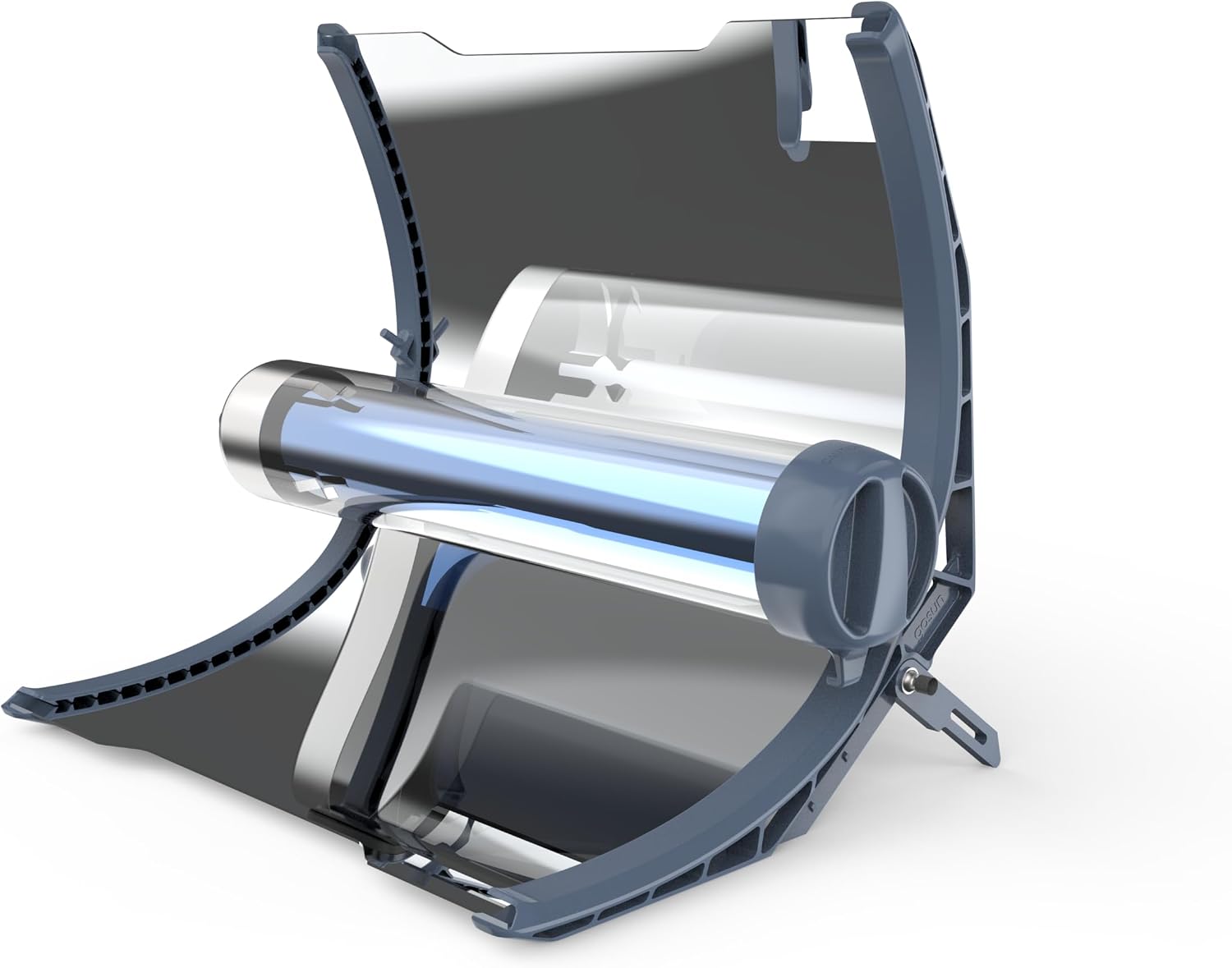
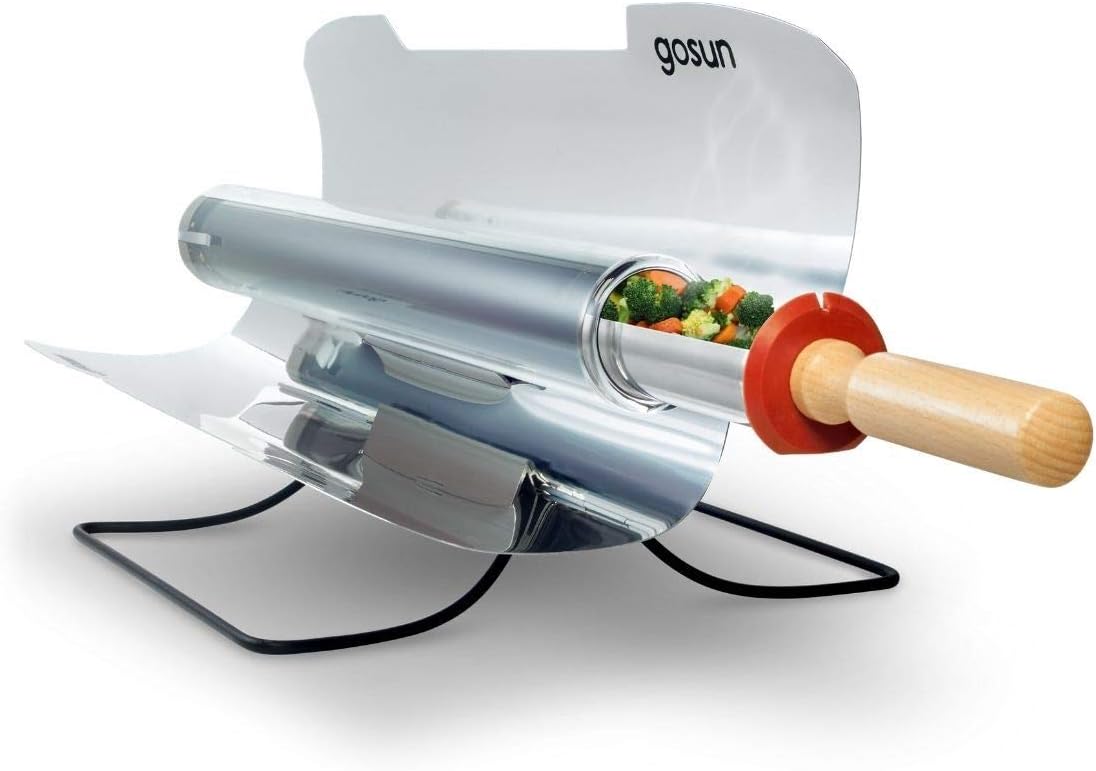
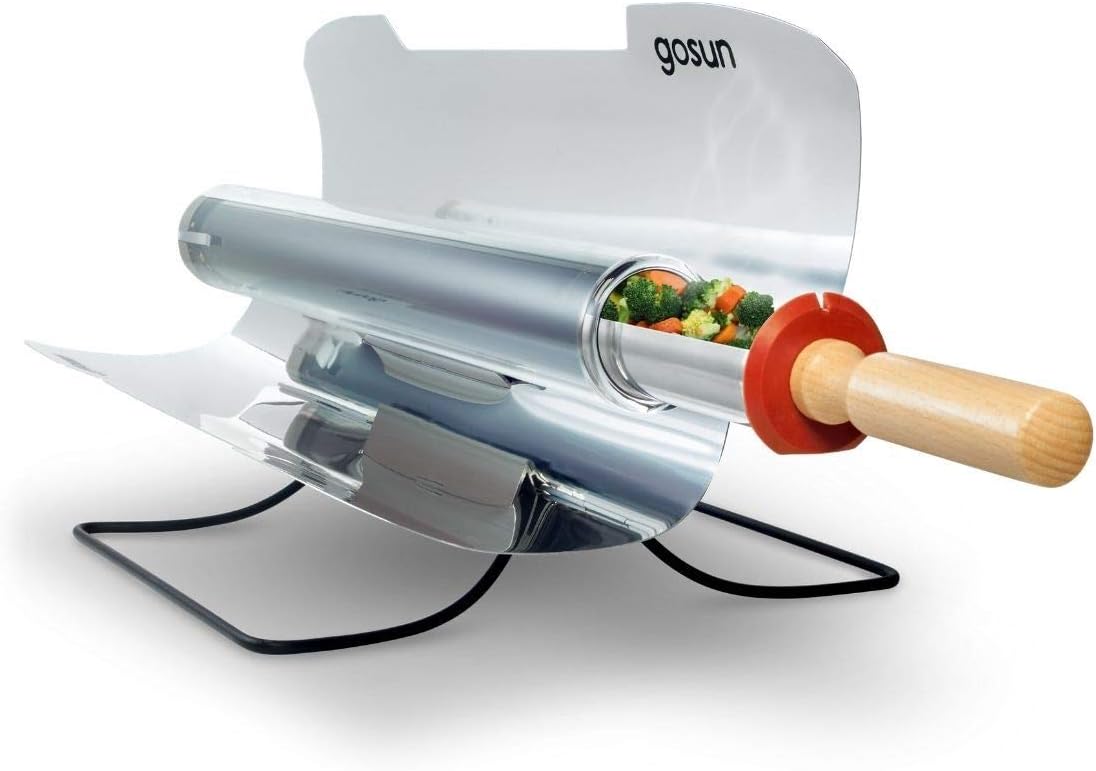
The GoSun Portable Solar Oven Kit is the entry point, and at about $79 it is the cheapest way to find out whether solar cooking fits your trips. It uses a vacuum-tube design that traps sunlight and cooks food in roughly 20 minutes when the sun is direct. The tube stays cool to the touch on the outside while hitting 550°F inside — the kind of engineering that sounds like a parlor trick until you pull a hot meal out of it. At two pounds, it rides in a daypack without complaint.
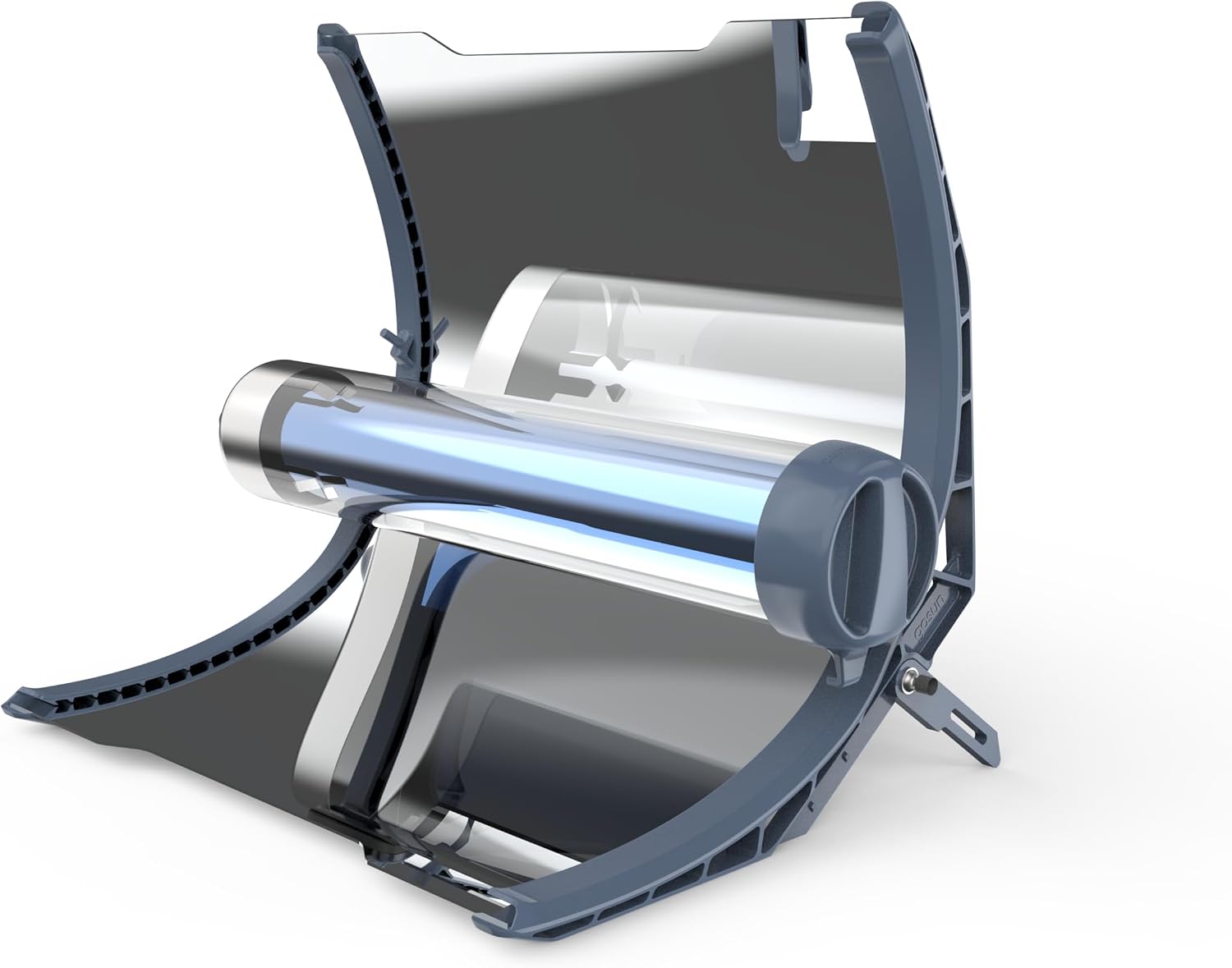
The catch is capacity. You get one to two meals per cook cycle, which means feeding a group means running it in shifts. The glass tube also wants a dedicated padded spot in your pack — it survives foam wrapping but not a loose tumble alongside a fuel canister and a cookset.
My take: The best first solar oven if you camp in fair weather and cook for one or two. The price-to-performance ratio is genuinely good; just pack the tube like it is made of glass, because it is.
GoSun Go Portable Solar Stove, 0.9L — The Ultralight Backpacker Pick
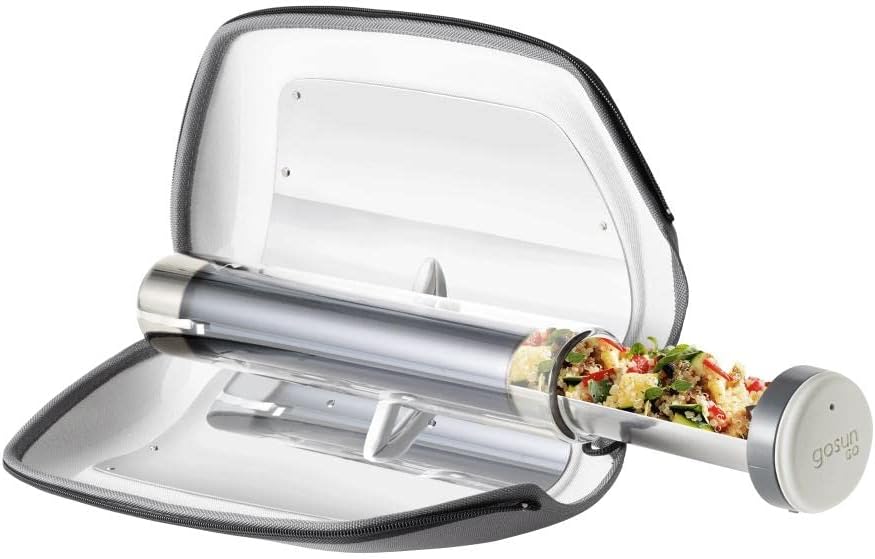
The GoSun Go is the one that goes in the backpack instead of the car kit. It weighs two pounds, hits 550°F in full sun, and carries a 4.3-star rating from over 500 campers. The 0.9-liter tube is big enough for a single serving of food — a sausage, a foil packet of vegetables, a cup of rice — but not much more. It is the solar equivalent of a solo backpacking stove, and it fills that niche well.
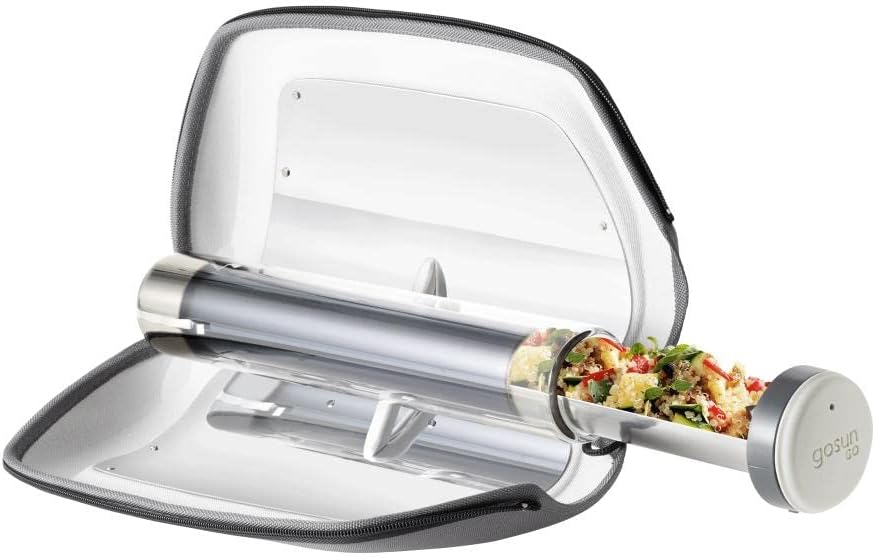
The honest con is that the reflectors need re-aiming every 20 to 30 minutes as the sun moves, which means your cooking session is not quite set-and-forget. Portions are strictly single-dog-bowl size. If you are feeding two people, you are running two cycles.
My take: The right pick for solo backpackers who camp in open, sunny terrain and do not mind babysitting the reflector angle. Skip it if your trips run cloudy or you cook for more than one.
GoSun Sport Solar Oven — The Clamshell Workhorse
The GoSun Sport is the one that folds into its own reflectors like a laptop and cooks a real meal in 20 minutes. It carries 4.2 stars from 240 campers, and the clamshell design means the cooking tray is larger and more practical than the vacuum tubes — you can fit a full pan of food instead of loading a cylinder. It is the model that most resembles a camp stove in how you use it.
The trade-off is weight and bulk. At eight pounds, it is not a backpacking item — this is a car-camping or basecamp oven. It also takes up meaningful space in a packed vehicle, roughly the footprint of a small Dutch oven. The reflector panels are durable but want a wipe-down after dusty trips.
My take: The best balance of cooking capacity and portability for car campers and basecamps. If you drive to your campsite and want a solar oven that cooks a real meal, this is the one.
GoSun Fusion Hybrid Solar Oven — The Family-Size Hybrid
The GoSun Fusion is the model that solves the biggest problem with every solar oven on this list: clouds. It adds an electric heating element that kicks in when the sun is not enough, so you can still cook on overcast days or after sunset. It feeds four to six people, which puts it in family-camp territory.
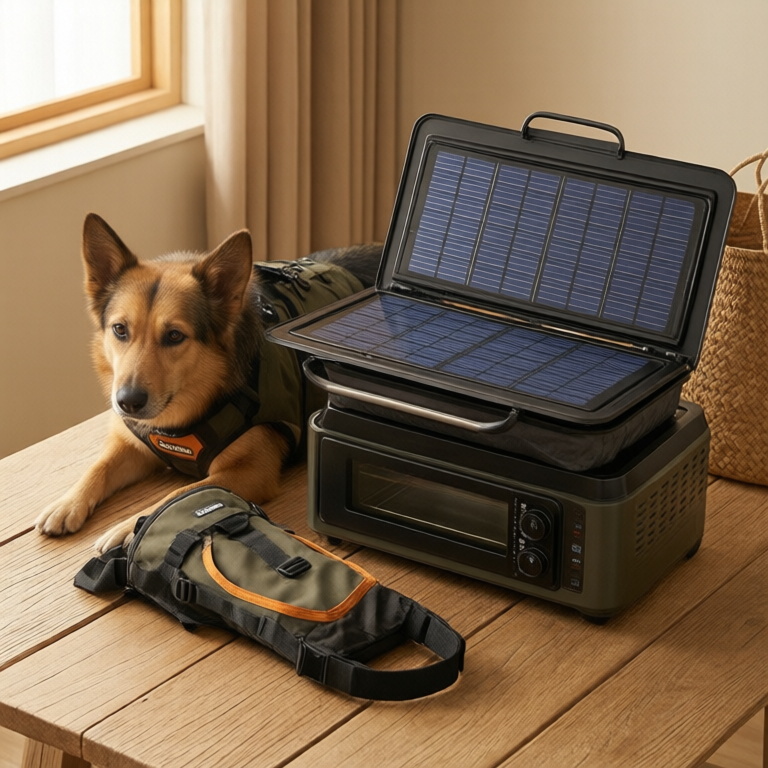
The honest cost is about $399 — more than some camp stoves — and it needs a power source for the electric backup, which means a portable power station or a car outlet. At its size and weight, it is a vehicle-dependent piece of gear, not something you carry anywhere on your back.
My take: The right call for families who camp in variable weather and already carry a power station. For everyone else, the Sport does 90 percent of what the Fusion does at half the price.
Want free shipping on your solar oven? Grab a free 30-day Prime trial before your next trip — two-day delivery on camp gear, no minimum order size, and you can cancel before the trial ends.
Features That Actually Matter (And Ones That Don’t)
Tube vs clamshell design: Vacuum-tube ovens (the Kit, the Go) are lighter and retain heat better, but capacity is limited and the glass wants padding. Clamshell ovens (the Sport, the Fusion) cook larger meals and are more durable, but they are heavy and bulky. Pick based on how you get to camp.
Cooking temperature: All four models hit 550°F in direct sun, which is hot enough to bake, roast, and steam. The difference is how long they hold that temperature as clouds roll in — tubes retain heat longer, clamshells lose it faster.
Reflector aiming: Every solar oven needs its reflectors pointed at the sun. The smaller models need re-aiming every 20 to 30 minutes; the larger ones have wider reflector arcs and can go 45 minutes between adjustments. None of them are truly set-and-forget.
The electric backup (Fusion only): Worth it if you camp in partly cloudy conditions and already carry a power station. Not worth buying a power station just to run the oven — at that point, an electric camp stove is cheaper.
What doesn’t matter: Brand-name cooking trays. The included trays work fine, and any dark-colored cookware that fits the chamber will absorb heat. Do not overspend on accessories.
What to Spend Where
Backpacker, solo trips, fair weather: The GoSun Go at about $79 is the play. Two pounds, single servings, no fuel to carry.
Car camper, cooking for two to four: The GoSun Sport at about $140 is the sweet spot. Enough capacity for a real meal, folds flat for transport.
Family camp, variable weather: The Fusion at about $399 only makes sense if you already own a power station. Otherwise, buy the Sport and spend the difference on a good cooler.
Budget test run: The GoSun Kit at $79 tells you whether solar cooking fits your style without a major investment. If it does, upgrade to the Sport.
Keep reading: learn how to make trail meals without the pouch tax, and see how tent stoves compare for heated canvas camps.
GearHound is reader-supported. As an Amazon Associate, I earn from qualifying purchases. That means if you buy through one of the links above, I get a small commission at no extra cost to you. I only recommend gear I’d actually carry into the field.
⛺ Get Your Free Camping with Your Dog Checklist
Join our newsletter and get this free printable plus weekly tips.
Frequently Asked Questions
Do solar ovens work on cloudy days?
Not really. Solar ovens need direct sunlight to reach cooking temperatures. Thin clouds drop the internal temperature enough that food stops cooking, and heavy overcast makes them useless. The GoSun Fusion hybrid solves this with an electric backup element, but the tube and clamshell models are fair-weather only.
How long does a GoSun take to cook a meal?
In full sun, most GoSun models reach 550 degrees and cook a single meal in 20 to 30 minutes. The vacuum-tube designs retain heat well, but portion size matters. A full tube takes longer than a half-empty one.
Can you bake bread in a solar oven?
Yes, but it takes patience. Solar ovens bake best on clear midday days when the sun is high. Bread needs consistent temperatures around 350F, which the tube ovens hit in full sun. Expect 45 to 60 minutes for a small loaf versus 25 in a conventional oven.
Liked this guide? Get the next one in your inbox — the camp packing checklist is free too.
✓ You're in — check your inbox.
No spam. Unsubscribe anytime. We never share your email.
Prices move fast. Start your Amazon trip from our Shop & Support page and your purchases support GearHound at no extra cost to you.