This article contains affiliate links. We may earn a commission from qualifying purchases.
Some content on this site is AI-assisted and reviewed by our editorial team.
Every winter the gear conversation covers traction and warmth and skips the three items that matter when something goes wrong above the snowline. Snowshoes sell out first. Puffer jackets get the reviews. But the beacon-probe-shovel trio — the gear that turns a burial into a rescue instead of a recovery — is the equipment nobody talks about until the day they need it. If you’re pushing past groomed trails this season, here’s what each piece does, what it costs, and why an avalanche course is the prerequisite no store sells you.
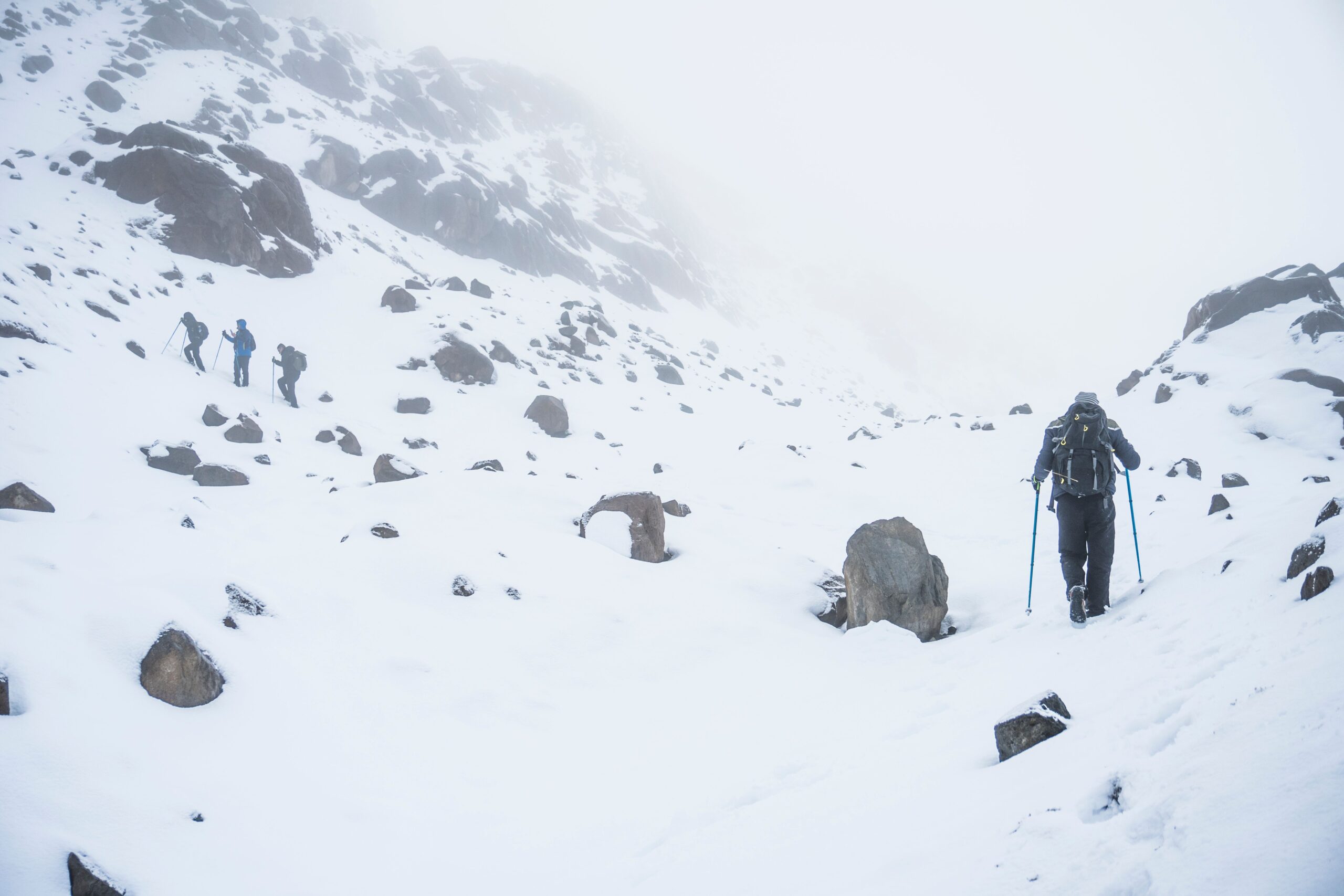
Winter backcountry travel is a different sport than a groomed-trail snowshoe walk. The risks change. Here’s the gear that addresses them — and the training that makes it work.
Voile Telepro Avalanche Shovel — The Ski-Patrol Standard Shovel
If ski patrol at resorts across the country reaches for one shovel, it’s the Voile Telepro Avalanche Shovel. The scoop is T6-tempered 6061 aluminum — heat-treated to hold an edge against packed avalanche debris, which sets like concrete after fifteen minutes. The handle telescopes for leverage, and there are deadman anchor holes built into the blade for snow anchors and rescue sled construction. It weighs 1 pound 14 ounces, which is the price of that rigidity: this is a real tool, not a trunk folder that wobbles when you lean into it.
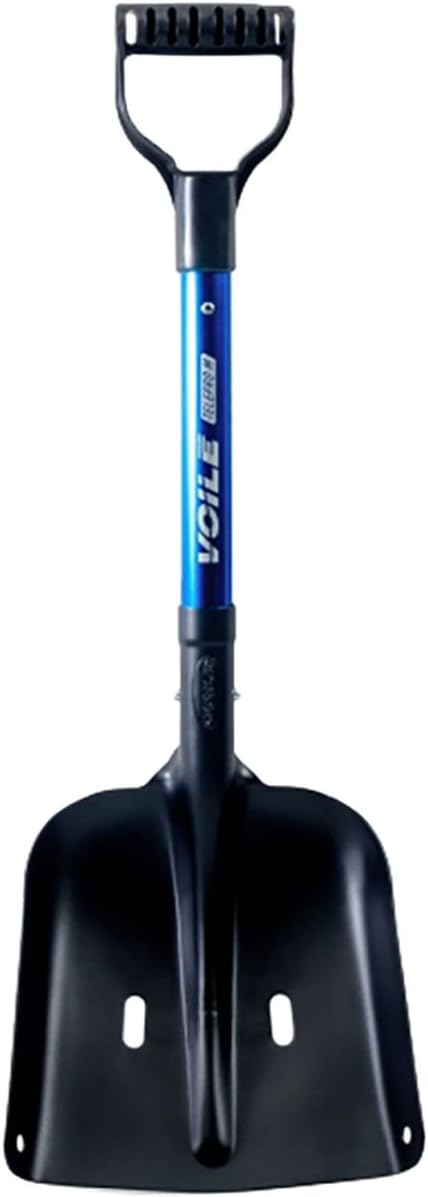
The honest con: it’s heavier than carbon or plastic alternatives, and the telescoping handle can freeze in place if you don’t dry it after a wet tour. About $60-70 street.
My take: The Telepro is the one piece of avalanche gear where buying the industry standard actually costs less than guessing. Get it.
Voile Telepro Mini Avalanche Shovel — The Pack-Size Version for Day Trips
The Voile Telepro Mini Avalanche Shovel uses the same heat-treated aluminum scoop in a shorter, lighter package — 9 ounces less and 3.5 inches shorter than the full Telepro. It fits in smaller daypacks where the full-size handle won’t clear the top of the bag. Same deadman anchor holes, same tempered blade.
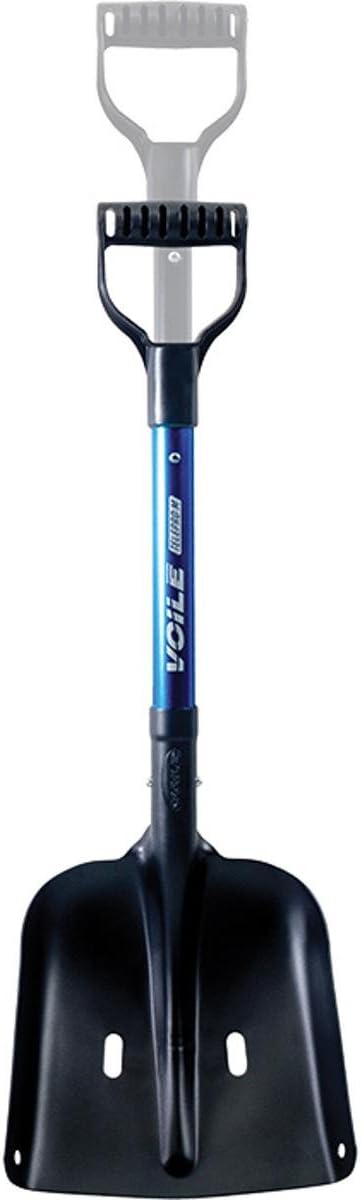
The tradeoff is real: the smaller scoop moves noticeably less snow per pass. In a rescue where seconds matter, that’s a meaningful difference. The mini is a day-trip compromise, not a primary tool for someone leading groups or touring in high-consequence terrain.
My take: Right for the day-tour rider who can’t fit the full Telepro. If your pack has room, buy the full-size instead.
Backcountry Access Tracker3 Beacon — The Three-Antenna Beacon Beginners Can Actually Use
The Backcountry Access Tracker3 is the beacon that shows up on more beginners than any other, and for good reason: flagging and multiple-burial handling in a simple interface that doesn’t require a manual at the trailhead. Three antennas mean it handles the signal spikes and ghost readings that send older two-antenna beacons in circles. It runs on three AAA batteries for about 200 hours in search mode.
The honest con: beacons are practice-dependent. Owning one without rehearsing with it monthly is worse than not carrying one, because it creates false confidence. Buy from a shop that trains — local outdoor stores, not just the cheapest online listing. And the used-beacon market is a trap: battery contacts corrode, antenna calibration drifts, and there’s no way to verify a used beacon’s history. Budget about $300 new.
My take: The Tracker3 is the right first beacon. But the beacon itself is maybe 30% of the equation — the other 70% is the practice you put in before you need it.
Black Diamond QuickDraw Probe 240 — The Probe Length That Fits Most Packs
The Black Diamond QuickDraw Probe 240 is a 240cm aluminum probe with a steel tip and depth markings every centimeter. It deploys in seconds with a quick-pull cable system, and the length is the standard for most backcountry use — long enough to confirm a burial depth at realistic snowpack depths without being unwieldy.
The tradeoff: 240cm is too long for some small daypacks, which is where the 200cm version comes in. The 200 sacrifices about 8 inches of reach, which matters in deep-snow regions but is fine for most lower-elevation winter hiking. Budget about $60-75.
My take: Get the 240 if your pack fits it. The probe is the cheapest piece of the trio and the one you’ll use fastest in a real burial.
Free shipping on avalanche gear: Most of this gear ships free with a Prime free trial. If you’re buying the full trio, the shipping savings alone cover the first month. Start your Amazon shopping from our Shop & Support page — it supports the site at no extra cost.
Features That Actually Matter (And Ones That Don’t)
Shovel blade material: T6-tempered aluminum is the standard because it holds up against set-up debris. Plastic blades flex and fail. Carbon is lighter but expensive and can shatter in extreme cold. Aluminum is the answer.
Beacon antenna count: Three antennas are the current standard. Two-antenna beacons — including many older used models — can’t handle the signal spikes that cause search confusion. Don’t buy a used two-antenna beacon at any price.
Probe deployment speed: Practice deploying your probe one-handed with gloves on. The cable-pull systems are all fast on paper; in the field, frozen cables and gloved fingers add 10-15 seconds. That’s the margin.
Practice over gear: The most expensive beacon in the world is useless if you haven’t rehearsed with it. Monthly practice sessions with your touring partners are non-negotiable. Many ski areas have free beacon parks for this.
What doesn’t matter: Brand loyalty. BCA, Ortovox, Mammut, and Pieps all make competent three-antenna beacons. Pick the one whose interface makes sense to you in a panicked, gloved, cold state — not the one with the best marketing.
What to Spend Where
- Budget build (one trip a year): Rent the full trio from a local shop for $30-50/day. The gear is serviced and current. This is the right call for a single backcountry day.
- Own-your-gear build: Telepro shovel ($65) + BD Probe 240 ($70) + Tracker3 beacon ($300) = about $435. That’s the floor for safe ownership, and it doesn’t expire.
- The $1,000 kit is marketing: Carbon shovels, premium beacons with bluetooth, and titanium probes add weight savings you can’t feel and features you won’t use. Spend the difference on an avalanche course.
The real prerequisite: An AIARE 1 or equivalent avalanche course ($400-600) teaches you to read terrain, assess snowpack, and make go/no-go decisions. The gear is for when the training fails. Buying the trio without the course is like buying a fire extinguisher without knowing what’s flammable in your house.
Keep reading: Our snowshoes for groomed trails guide covers the traction side of winter hiking, and our winter traction device comparison picks the spikes that hold on the first ice.
GearHound is reader-supported. As an Amazon Associate, I earn from qualifying purchases. That means if you buy through one of the links above, I get a small commission at no extra cost to you. I only recommend gear I’d actually carry into the field.
⛺ Get Your Free Camping with Your Dog Checklist
Join our newsletter and get this free printable plus weekly tips.
Frequently Asked Questions
What avalanche gear do I need for winter hiking?
A beacon, probe, and shovel are the three essentials for any backcountry winter travel beyond groomed trails. Traction devices like MICROspikes or snowshoes handle the walking, but the beacon-probe-shovel trio is what you need if someone gets buried. An avalanche course (AIARE 1 or equivalent) is the prerequisite—the gear is for when training fails.
Can you rent avalanche safety gear?
Yes—most backcountry shops and some ski areas rent the full beacon-probe-shovel trio for $30-50 per day. Rental gear is serviced and current, making it the smart choice for one trip a year. If you’ll go backcountry more than a few times per season, buying your own costs less within a year.
How often should a beacon be checked?
Practice with your beacon monthly at minimum—many ski areas have free beacon parks for this. Professionally, beacons should be sent to the manufacturer for a checkup every 3-5 years. Never buy a used beacon: battery contacts corrode and antenna calibration drifts with no way to verify the unit’s history.
Do I need an avalanche course before buying gear?
Yes. An AIARE 1 or equivalent course ($400-600) teaches terrain reading, snowpack assessment, and go/no-go decision-making. Buying the trio without the course creates false confidence. The gear is the backup for when judgment fails—but judgment is the primary safety tool.
Liked this guide? Get the next one in your inbox — the camp packing checklist is free too.
✓ You're in — check your inbox.
No spam. Unsubscribe anytime. We never share your email.