This article contains affiliate links. We may earn a commission from qualifying purchases.
Some content on this site is AI-assisted and reviewed by our editorial team.
Best Backpacking Water Filters 2026: How to Get Safe Water on the Trail
Last updated: June 2026 | By GearHound
GearHound is reader-supported. When you buy through links on this site, we may earn an affiliate commission at no extra cost to you.
Nothing ruins a multi-day trek faster than gastrointestinal misery from a bad water source. I have seen it happen to experienced hikers who thought they could skip filtration on a “clean” mountain stream. The truth is, even pristine-looking water can carry Giardia, Cryptosporidium, bacteria, and viruses that will put you out of commission for a week or more. Your water strategy is not optional gear. It is survival infrastructure. This guide breaks down everything you need to know about backpacking water filters in 2026, from the types of systems available to specific product recommendations I have tested on the trail.
Why Water Filtration Matters on the Trail
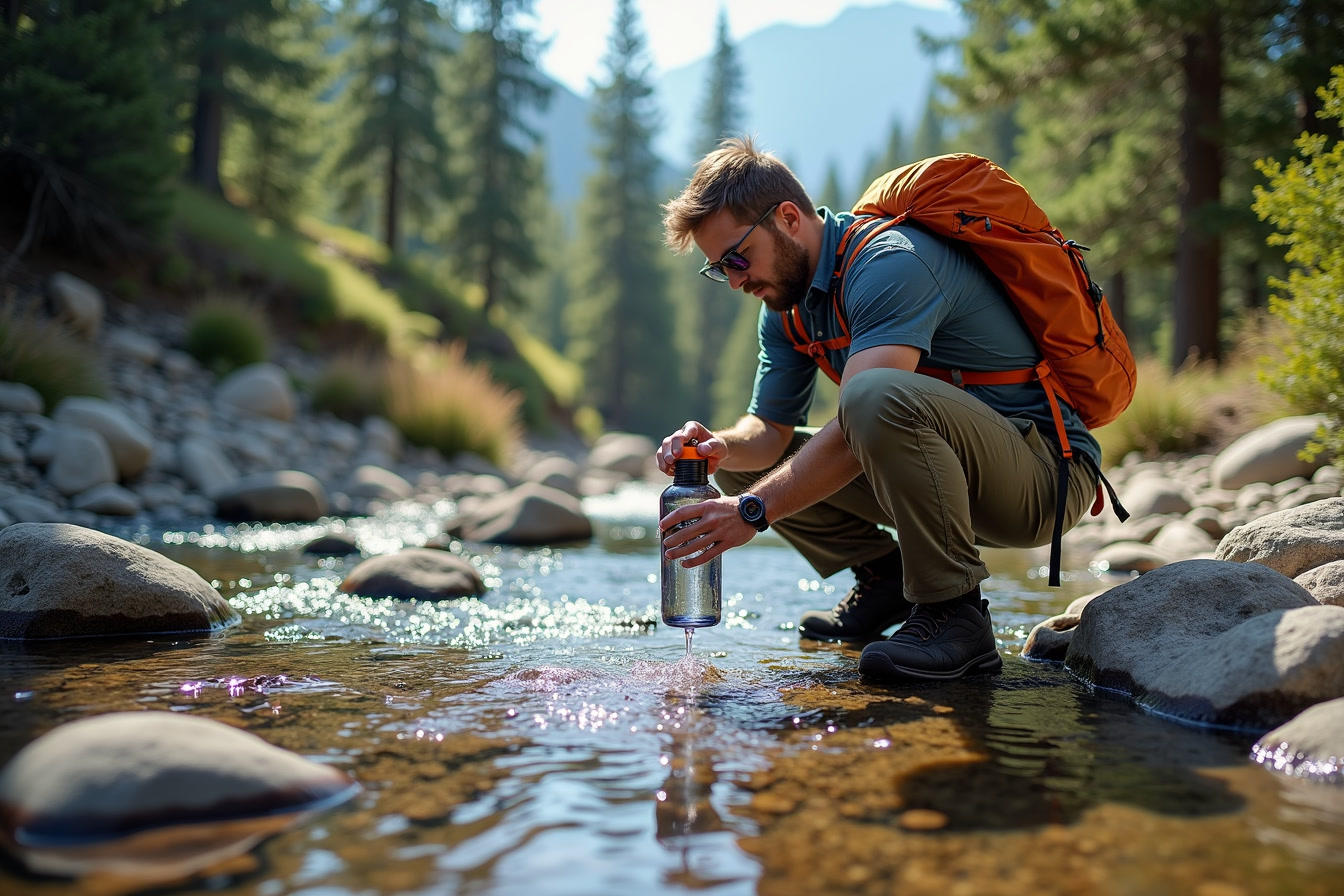
Backcountry water sources look clean. They are not. Animal waste upstream, human traffic at popular campsites, and agricultural runoff all introduce pathogens into water that appears crystal clear. The three main threats are protozoa (Giardia and Cryptosporidium), bacteria (E. coli, Salmonella, Campylobacter), and viruses (norovirus, hepatitis A). In North American backcountry, protozoa and bacteria are the primary concerns. Viruses are more common in developing countries and areas with heavy human waste contamination.
Giardia is the one that gets most hikers. The cysts are tough, survive in cold water for months, and you only need to swallow a few to get sick. Symptoms hit 1 to 2 weeks after exposure: diarrhea, cramping, bloating, nausea. I have talked to thru-hikers who got Giardia on the Appalachian Trail and lost two weeks of hiking time. Cryptosporidium is similar but even more resistant to chemical treatment, which is why physical filtration matters.
The bottom line: every drop of water you drink in the backcountry should be filtered, treated, or boiled. No exceptions. For more on what gear is essential for overnight trips, check out this guide on camping gear worth the money.
Types of Backpacking Water Filters
Not all filtration systems work the same way. Each type has tradeoffs in weight, speed, convenience, and what it removes. Here is the breakdown.
Squeeze Filters
Squeeze filters are the most popular choice for thru-hikers and ultralight backpackers. You fill a soft pouch from a water source, attach the filter, and squeeze water through into a bottle or drink directly. They are lightweight, inexpensive, and field-serviceable. The downside is flow rate degradation over time as the filter clogs, and they require regular backflushing to maintain performance.
Pump Filters
Pump filters use a hand pump to push water through a filter cartridge. They give you precise control over where water goes and work well with shallow or hard-to-reach sources. Pumps are heavier and more mechanical, which means more failure points. Premium pump purifiers can handle viruses, making them the choice for international travel or highly contaminated water sources.
Gravity Filters
Gravity filters use a dirty water reservoir elevated above a clean water reservoir, with a filter inline. You fill the dirty bag, hang it from a tree branch, and let gravity do the work. They are excellent for group camping and base camp situations where you need to filter large volumes. For solo hikers, they are often overkill in terms of weight and bulk.
UV Purifiers
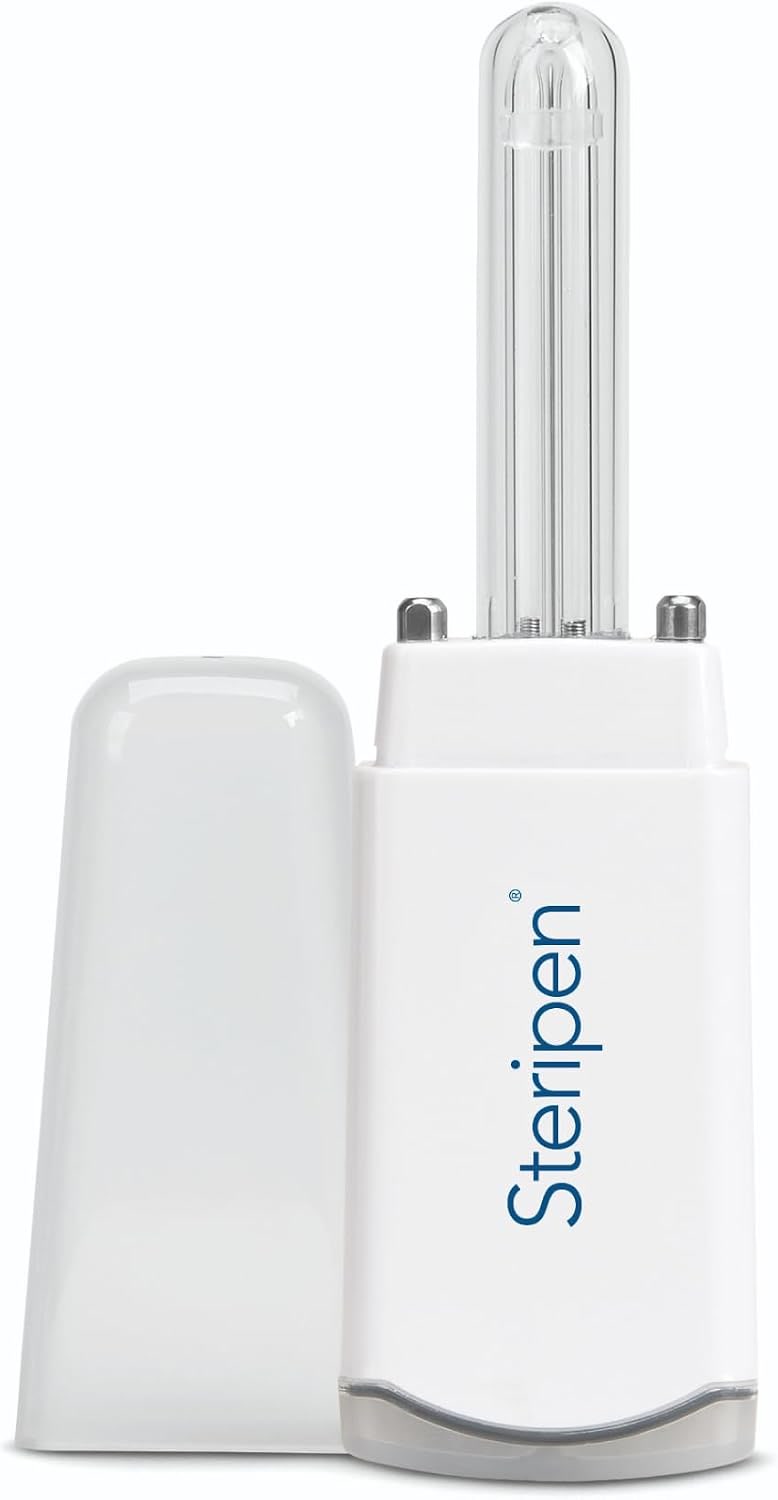
UV pens like the SteriPEN Ultralight use ultraviolet light to disrupt the DNA of pathogens, rendering them unable to reproduce. They are fast and lightweight but require clear water (particulates shield microbes from UV light) and reliable batteries. They also do not remove sediment or improve taste. I consider UV a backup method, not a primary one.
Chemical Treatment
Chemical drops and tablets (chlorine dioxide, iodine) are the lightest and cheapest option. They kill protozoa, bacteria, and viruses but require a wait time of 15 to 30 minutes, and some leave an aftertaste. Chemical treatment is excellent as a backup or for clear water sources where you want to travel ultralight.
Key Specs to Understand
Pore Size
Pore size determines what a filter can physically block. A pore size of 0.1 microns removes bacteria and most protozoa. A pore size of 0.2 microns is the standard for bacteria removal. To remove viruses, you need a purifier with a pore size of 0.01 microns or a chemical/UV component. Most backpacking filters have pore sizes between 0.1 and 0.2 microns, which covers the main North American threats.
Flow Rate
Flow rate is how fast water moves through the filter, usually measured in liters per minute. A fast squeeze filter might do 1.5 to 2 liters per minute when clean. As the filter clogs, flow rate drops. This is the single biggest complaint with squeeze filters. Regular backflushing and cleaning can restore most of the original flow.
Weight
For backpackers, every ounce matters. Squeeze filters weigh 2 to 4 ounces. Pump filters range from 8 to 17 ounces. Chemical drops weigh under an ounce. The weight-to-capability tradeoff is real: the lightest options require more patience and maintenance, while heavier systems are more robust and self-cleaning.
Filter Lifespan
Filters are rated for a total volume of water they can process before needing replacement. Squeeze filters typically last 100,000 to 1,000,000 gallons depending on maintenance. Pump filters vary widely. Chemical drops are measured in treatments per bottle. Know your filter’s lifespan and track usage on long trips.
Top Backpacking Water Filter Recommendations for 2026
These are the filters I recommend after years of trail testing. Each one serves a different type of hiker, from ultralight thru-hikers to group base camp operators.
1. Sawyer Squeeze: Best All-Around Value
The Sawyer Squeeze is the most popular backpacking water filter for a reason. It weighs just 3 ounces, costs under 40 dollars, and filters to 0.1 microns, removing bacteria and protozoa. The system includes two 32-ounce squeeze pouches, a cleaning plunger, and a hydration pack adapter. The filter thread fits standard water bottles, which makes it versatile on the trail.
Pros: Ultralight, inexpensive, versatile threading, 1,000,000-gallon lifespan rating, works as an inline filter with hydration bladders.
Cons: Flow rate degrades noticeably without regular backflushing, the included pouches are prone to leaking at the seams over time (many hikers swap them for Evernew or Cnoc bags), slow in cold weather.
Best for: Thru-hikers, ultralight backpackers, budget-conscious hikers who want one filter that does everything.
2. Katadyn BeFree 1.0L: Best Fast-Flow Squeeze Filter
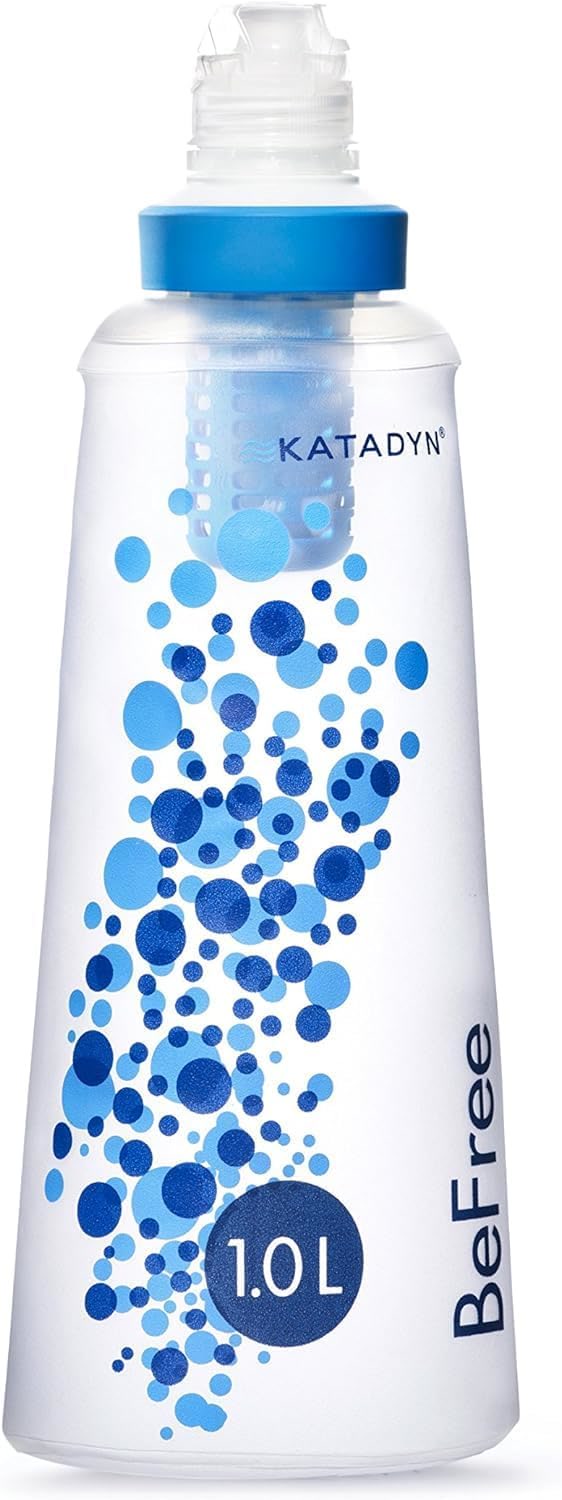
The Katadyn BeFree 1.0L solves the biggest complaint about squeeze filters: flow rate. The 0.1-micron EZ-Clean membrane delivers an impressive 2 liters per minute when new, and the integrated squeeze bottle means no separate pouch to manage. Just scoop, squeeze, and drink. The cap clicks shut securely, and the whole thing collapses to pocket size when empty.
Pros: Fastest flow rate in its class, collapses small, easy to clean (just swish in water), integrated bottle is convenient, 1,000-liter lifespan.
Cons: Shorter lifespan than the Sawyer (1,000 liters vs 1,000,000 gallons), the soft flask can be awkward to fill in shallow water sources, no inline hydration compatibility.
Best for: Day hikers, fast-and-light backpackers who prioritize convenience, hikers who hate slow flow rates. Pair it with one of the bottles from our best hiking water bottles guide.
3. Platypus QuickDraw: Best New-Generation Squeeze Filter
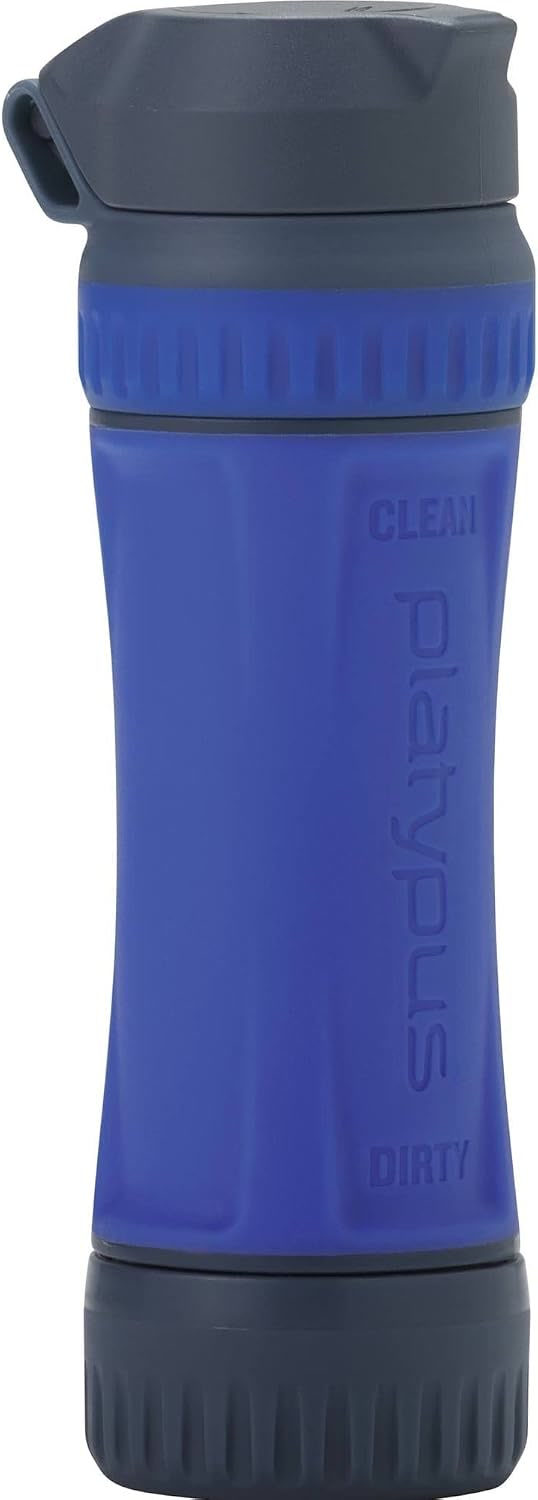
The Platypus QuickDraw is the newest serious contender in the squeeze filter category. It weighs 2.2 ounces, filters to 0.2 microns, and features a hybrid design that works as both a squeeze filter and an inline filter with hydration systems. The QuickDraw sits between the Sawyer and BeFree: better flow than the Sawyer, better durability than the BeFree, with a 1,000-liter lifespan.
Pros: Hybrid squeeze/inline capability, clear casing shows when it needs cleaning, fast flow, ConnectCap thread fits wide-mouth bottles, includes a shaker ball for cleaning.
Cons: 0.2-micron pore size (larger than Sawyer’s 0.1), more expensive than the Sawyer, newer product with less long-term track record.
Best for: Hikers who want Sawyer-level versatility with BeFree-level flow, hydration bladder users who also want a squeeze option.
4. MSR Guardian: Best Premium Pump Purifier
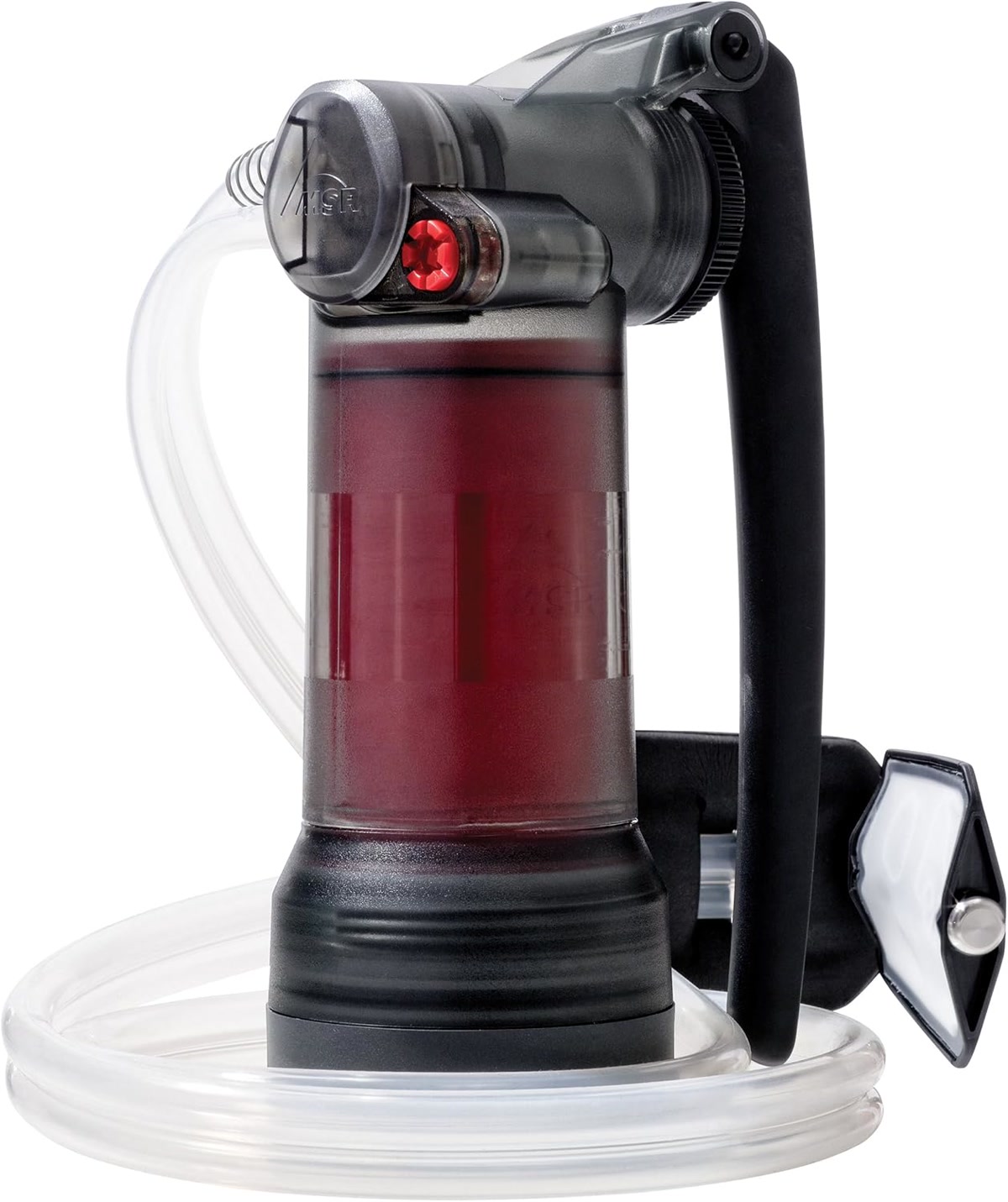
The MSR Guardian Purifier is the most advanced backcountry water purifier available. It filters to 0.01 microns, removing viruses in addition to bacteria and protozoa. The hollow fiber filter self-cleans with every pump stroke, which means no backflushing and no flow degradation. It handles silty, dirty water that would clog a squeeze filter in minutes. The tradeoff is weight (17.3 ounces) and price (over 350 dollars).
Pros: Removes viruses, self-cleaning design, military-grade durability, handles turbid water, fast flow rate of 2.5 liters per minute, works in freezing conditions better than squeeze filters.
Cons: Expensive, heavy for solo use, mechanical complexity, the pump action requires effort compared to squeezing.
Best for: International backpacking, group trips, alpine expeditions, hikers who want absolute protection and do not mind the weight.
5. Aquamira Water Treatment Drops: Best Chemical Backup
The Aquamira Water Treatment Drops use chlorine dioxide to kill bacteria, viruses, and protozoa in 15 to 30 minutes. At under an ounce for the pair of bottles, they are the lightest water treatment available. Chlorine dioxide is more effective than iodine against Cryptosporidium and produces less aftertaste. A single 1-ounce set treats up to 30 gallons of water.
Pros: Ultralight, kills viruses (unlike most physical filters), cheap, long shelf life, no mechanical failure possible, improves taste slightly.
Cons: 15 to 30 minute wait time, less effective in very cold water, does not remove sediment or particulates, chemical aftertaste (though milder than iodine).
Best for: Backup treatment when your primary filter fails, ultralight hikers on clear water sources, supplementing a physical filter for virus protection. This pairs well with the best backpacking food guide since you will need clean water for rehydrating meals.
6. LifeStraw Personal: Best Emergency Filter
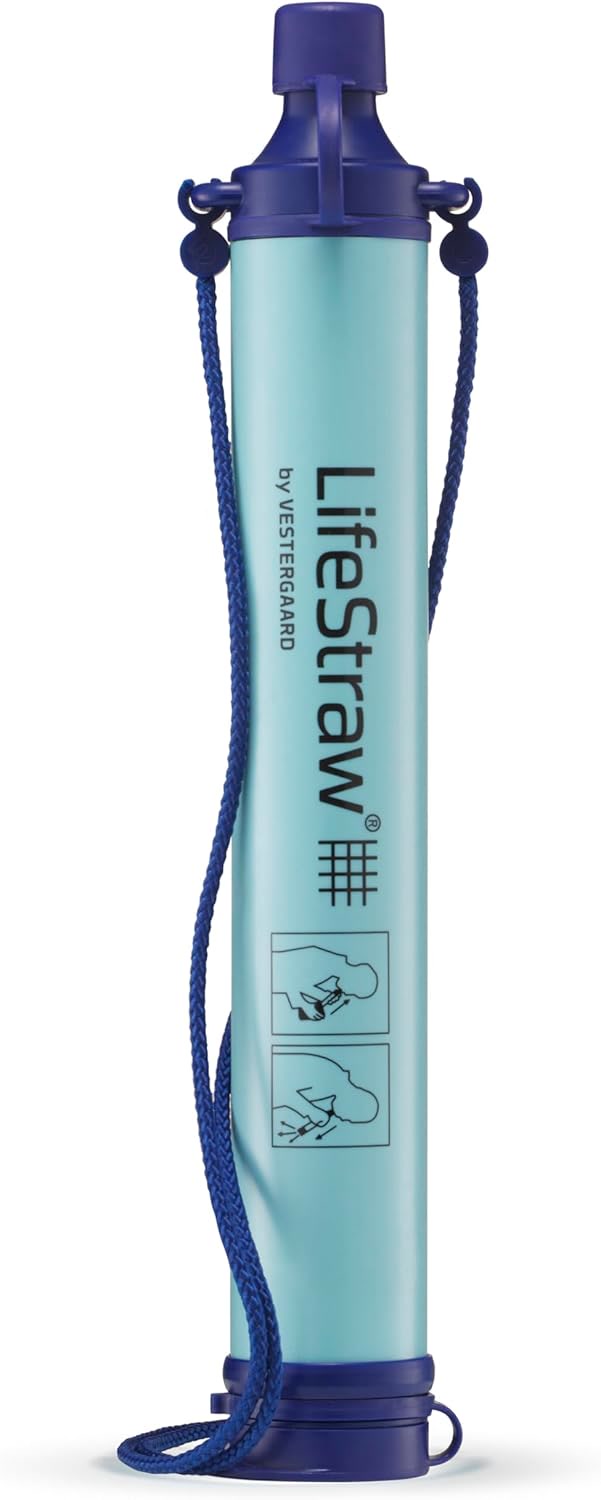
The LifeStraw Personal is the filter most people recognize from emergency preparedness marketing. It is a 0.2-micron tube filter that lets you drink directly from a water source by dipping one end in and sucking through the other. At 2 ounces and around 20 dollars, it is an affordable entry point. The LifeStraw removes bacteria and protozoa and has a 1,000-gallon lifespan.
Pros: Inexpensive, simple to use, no setup required, very light, good as an emergency backup.
Cons: Cannot filter into a bottle easily, no gravity or squeeze function, awkward to use for cooking water, flow rate is slow compared to squeeze filters, not ideal for filtering large volumes.
Best for: Day hikers who want a simple emergency option, budget-limited backpackers, survival kits. Not recommended as a primary filter for multi-day trips because filling bottles for cooking is cumbersome.
Filter Maintenance and Cleaning
A water filter is only as good as its maintenance. Every filter type requires some care to keep working on the trail.
Backflushing Squeeze Filters
Squeeze filters clog over time as particulates build up in the hollow fiber membranes. Backflushing reverses water flow through the filter to flush out debris. The Sawyer includes a syringe for this purpose. The BeFree has an EZ-Clean cap you can swish in a water source. Backflush after every trip and during long trips when flow rate drops noticeably. If you wait too long, the clog becomes permanent.
Storing Your Filter
Never store a wet filter in freezing temperatures. Water inside the hollow fibers will expand as it freezes and crack the membrane, destroying the filter. On winter trips, sleep with your filter in your sleeping bag. Between trips, backflush thoroughly and let the filter dry completely before storage.
When to Replace
Even with perfect maintenance, filters eventually wear out. Signs your filter needs replacement: flow rate that does not improve after backflushing, visible cracks in the housing, water that tastes off after filtration, or reaching the manufacturer’s rated lifespan. Track your filter’s mileage and replace proactively on long trips.
Winter Water Filtration Considerations
Winter water filtration is a different game. Frozen filters are dead filters. When temperatures drop below freezing, you have three options.
Option one: Keep your filter inside your jacket or sleeping bag so body heat prevents freezing. This works for squeeze filters but adds bulk and weight to your carried load.
Option two: Use chemical treatment. Aquamira drops work in cold water (though the wait time increases to 30 minutes or more). Chemical treatment has no freeze risk and weighs almost nothing.
Option three: Melt snow and boil it. This requires fuel and time but is the most reliable winter method. If you are already carrying a stove for melting snow (see our winter gear guide), boiling is straightforward.
The MSR Guardian handles cold weather better than most physical filters because its self-cleaning action reduces freeze risk, but it still should not be left out in sub-freezing temperatures overnight.
Dog Water Safety on the Trail
If you hike with your dog, water filtration matters for them too. Dogs are susceptible to Giardia and other waterborne pathogens, and the symptoms are just as miserable for them as for you.
Filtering Water for Your Dog
Use the same filtered water for your dog that you drink. Do not let them drink from untreated water sources, no matter how clean the stream looks. Carry a collapsible travel bowl and fill it with filtered water at each stop. On long hikes, plan your dog’s water needs separately from your own. A 50-pound dog needs roughly 1 ounce of water per pound per day, more in hot weather or at high exertion.
Dog-Specific Water Concerns
Dogs are more likely than humans to gulp water from a suspicious source. Train your dog to wait for filtered water rather than drinking from every puddle and stream. If your dog has a habit of drinking from standing water, consider a lightweight muzzle or training command to prevent it. Blue-green algae blooms in stagnant water are lethal to dogs, and no filter removes those toxins.
Disclosure: As an Amazon Associate, GearHound earns from qualifying purchases. This means we may earn a commission when you buy through links on this site, at no extra cost to you. I only recommend gear I have used in the field.
Which One Is Right for You
The best backpacking water filter is the one you will actually carry and use consistently. For most hikers, that means a squeeze filter. The Sawyer Squeeze remains the best overall value for its versatility, lifespan, and price. The Katadyn BeFree wins on convenience and flow rate if you do not mind the shorter lifespan. The Platypus QuickDraw is the strongest compromise between the two.
For hikers who want absolute protection or travel internationally, the MSR Guardian is the gold standard despite its weight and cost. Chemical drops from Aquamira should be in every pack as a backup, and the LifeStraw works as a budget emergency option.
Whatever you choose, maintain it. A neglected filter is worse than no filter because it gives you false confidence. Backflush regularly, store it dry and unfrozen, and replace it when the flow rate gives out. Clean water is the foundation of a good trip. Get it right, and everything else on the trail gets easier.
⛺ Get Your Free Camping with Your Dog Checklist
Join our newsletter and get this free printable plus weekly tips.
Price Check
Prices verified via our product tracker. Updated Sep 27.
| Amazon.com: SteriPen Ultralight UV Water Purifier, 3 oz | | $100.76 | 4.1★ (230) |
| Amazon.com: Sawyer Products SP129 Squeeze Water Filtration | $5,000.00 | 4.7★ (10,474) |
| Amazon.com: Katadyn BeFree AC 2-Stage Filter Collapsible T | $42.95 | 4.6★ (4,532) |
| Amazon.com: Platypus Quickdraw Microfilter : Sports & Outd | $39.95 | 3.8★ (174) |
| Amazon.com: MSR Guardian Water Purifier for Backcountry Us | $350.00 | 4.5★ (535) |
| Amazon.com : Aquamira Water Treatment Drops 1 Oz | Purifie | $14.95 | 4.5★ (146) |
| Amazon.com: LifeStraw Personal Water Filter for Hiking, Tr | $17.95 | 4.8★ (125,713) |
As an Amazon Associate we earn from qualifying purchases.