This article contains affiliate links. We may earn a commission from qualifying purchases.
Some content on this site is AI-assisted and reviewed by our editorial team.
Why Your Dog Needs a GPS Tracker on the Trail
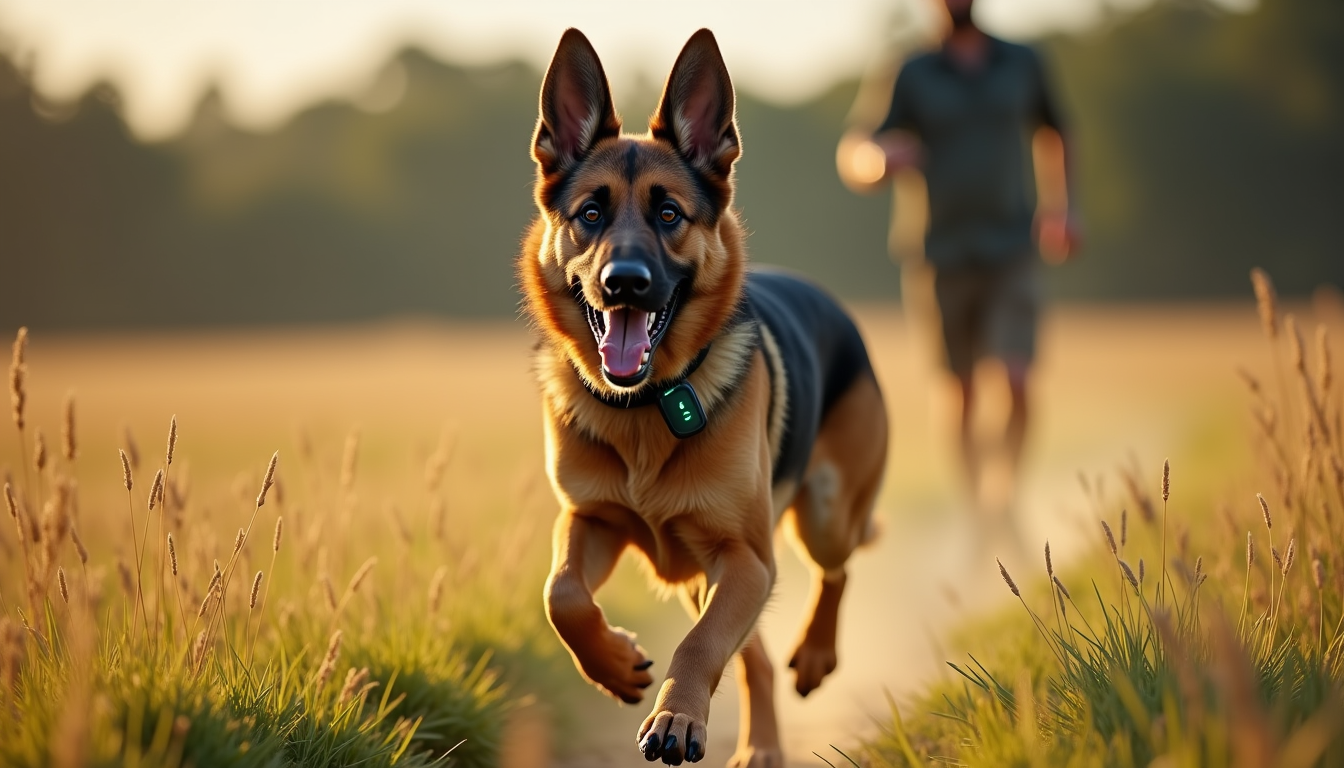
If you have ever felt that knot in your stomach when your dog bolts off-trail and vanishes into the trees, you already know why GPS trackers exist. The Fi Series 3+ Smart Dog Collar (search Fi Series 3) and its competitors have turned what used to be a panicked hour of shouting into a ten-second phone check. But not every GPS tracker is built for trail conditions, and not every “unlimited range” claim holds up when you are deep in a national forest with zero cell service.
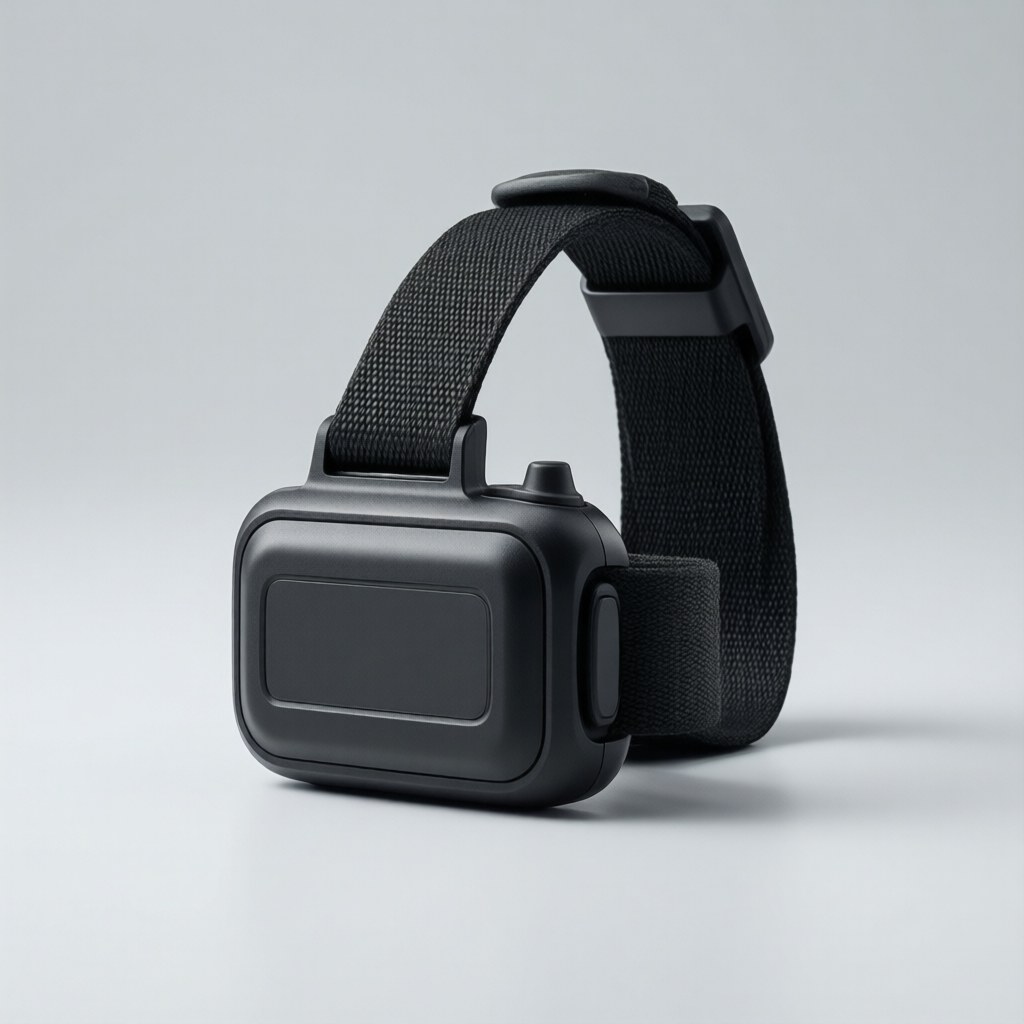
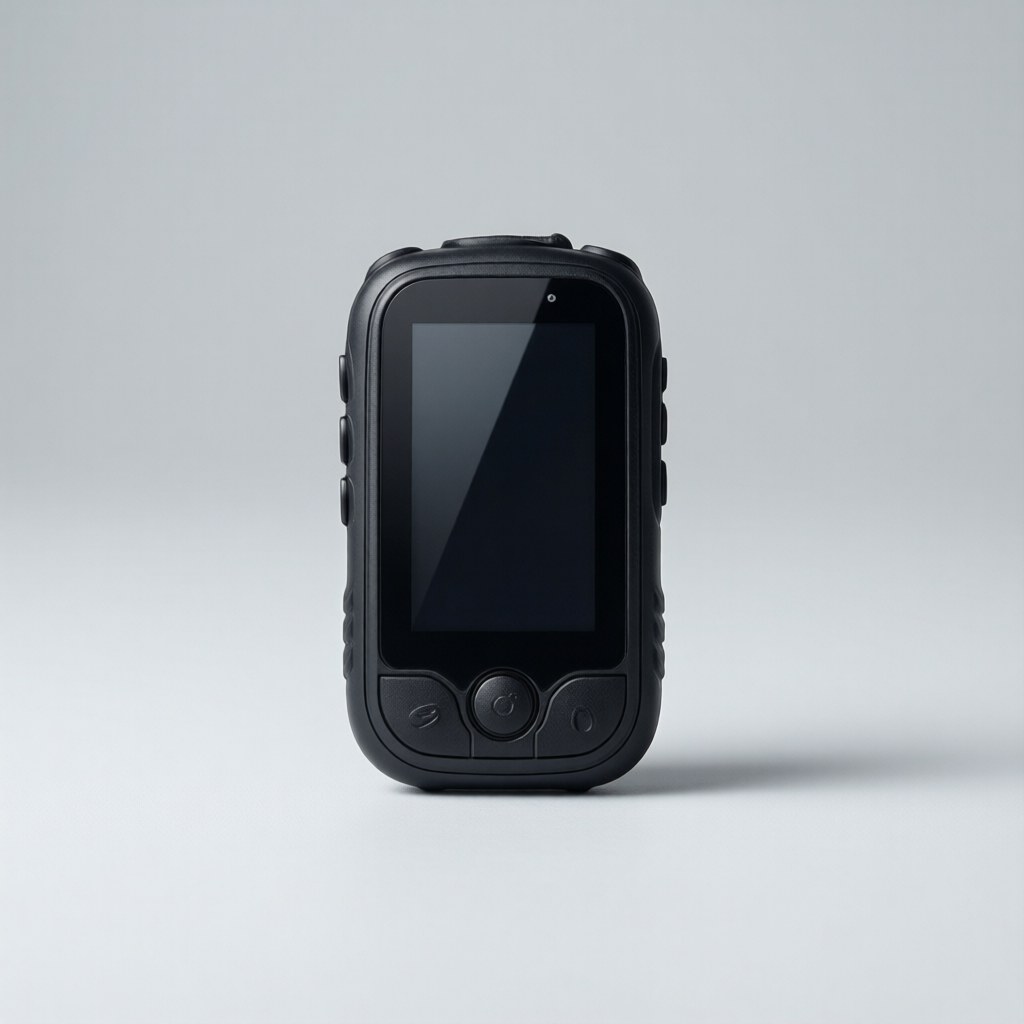
This guide breaks down the eight best dog GPS trackers available in 2026, with a focus on what actually matters for hikers, campers, and anyone who adventures off-leash with their dog. We cover real battery life numbers, actual range performance, subscription costs, and durability — not just the marketing bullet points. If you are also kitting out your trail dog with proper harnesses and first aid supplies, check out our guides to trail running dog gear and dog first aid kit essentials.
What to Look For in a Dog GPS Tracker
Before we get into specific products, here is what actually separates a useful tracker from an expensive paperweight:
- Connection type: Cellular trackers (Fi, Tractive, Whistle) need cell service. Bluetooth/RF trackers (AirTag, Petfon) work without cell towers but have limited range. Satellite trackers (Garmin Alpha, SportDOG TEK) work everywhere but cost significantly more.
- Battery life: This is the number one complaint. A tracker that dies on day two of a three-day backpacking trip is worse than no tracker at all. We list real-world battery estimates, not lab numbers.
- Subscription costs: Most cellular trackers require a monthly subscription (typically eight to twenty dollars per month). We factor this into the total cost of ownership.
- Durability and water resistance: Trail conditions mean mud, rain, creek crossings, and snow. IP68 waterproofing matters more than you think.
- Form factor: A bulky box strapped to your dog’s collar affects their comfort and can get snagged on brush. Weight and shape matter on the trail.
For deeper safety planning, this guide on trail injuries and dog first aid pairs well with any GPS tracker purchase.
The 8 Best Dog GPS Trackers of 2026
1. Fi Series 3+ Smart Dog Collar — Best Overall for Everyday Adventures
Fi Series 3+ Smart Dog Collar (search Fi Series 3)
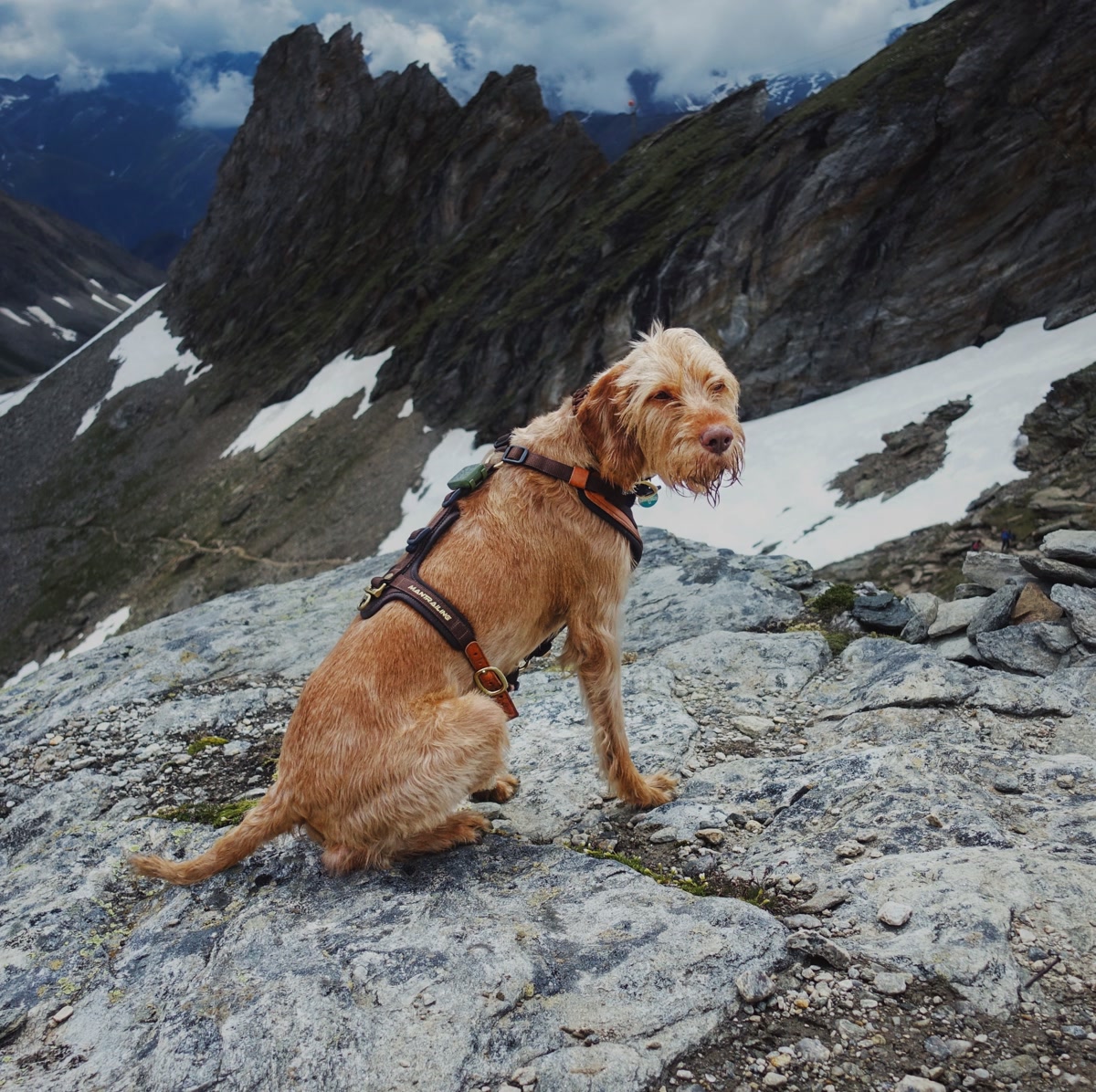
The Fi Series 3+ is the tracker most dog owners should start with, and the latest refresh makes a strong case even stronger. Fi built an entire collar around the GPS module — no dangling tags, no aftermarket attachment hacks — and the Series 3+ improves on the already-solid Series 3 with faster location updates, better cellular connectivity, and a claimed battery life of up to 10 days in low-power mode.
Key specs:
- GPS, LTE-M, and Wi-Fi positioning
- Up to 10 days battery life (low-power mode); roughly 2-3 days with active GPS tracking
- Escape alerts and geofence notifications
- Activity and sleep tracking built in
- IP68 waterproof (swim-rated)
- Built-in LED collar light for nighttime visibility
- Apple Watch app available
- 12-month membership included with collar purchase
Price: Around 149-199 dollars for the collar. After the included membership period, subscription runs about 99 dollars per year or 19 dollars per month.
Pros: The all-in-one collar design means nothing falls off or gets lost. The escape alert feature texts you the moment your dog leaves a defined area — genuinely useful, not just a gimmick. Battery life is competitive, and the activity tracking gives you real health data beyond just location. The LED light is a small touch that makes evening walks dramatically safer.
Cons: Requires LTE-M cell service, so it will not work in true backcountry areas with zero coverage. The collar itself is fixed in size — you pick S, M, L, or XL — so you cannot swap it between dogs of different sizes easily. Subscription cost adds up over time.
Trail verdict: Best for day hikes and car-camping trips where you have cell coverage. Not the right pick for multi-day backcountry trips.
2. Tractive GPS Dog Tracker — Best for Unlimited Range Tracking
Tractive GPS Dog Tracker (search Tractive GPS)
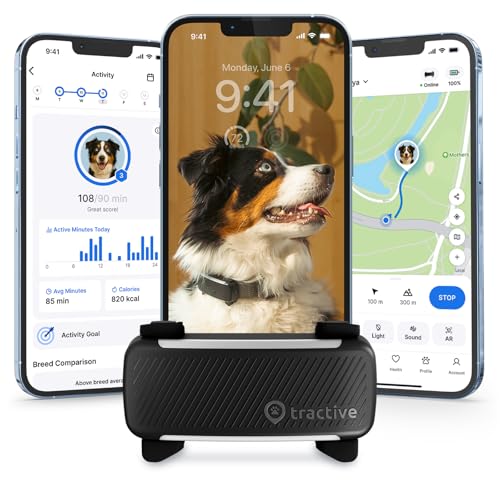
Tractive has become one of the most popular GPS trackers for dogs worldwide, and the newest version adds live tracking with position updates every 2-3 seconds in live mode, plus a wellness monitoring feature that tracks your dog’s vital signs including respiratory rate. It clips onto any existing collar, which means you are not locked into a specific collar size or style.
Key specs:
- GPS, cellular (LTE-M/NB-IoT), and Wi-Fi positioning
- Unlimited range wherever cell service exists
- Live tracking mode: position updates every 2-3 seconds
- Up to 7 days battery in default mode; roughly 4 days with moderate tracking
- Virtual fence with escape alerts
- Wellness monitoring: activity, sleep, and respiratory rate
- Bark monitoring
- Waterproof (IP67)
- Works with any collar from 0.8 inches wide
Price: Around 49-69 dollars for the device (frequently on sale). Subscription required: roughly 5-13 dollars per month depending on the plan.
Pros: The live tracking mode is a game-changer — you can actually watch your dog move on the map in near-real-time. The wellness features go beyond basic step counting and include respiratory monitoring, which is useful for brachycephalic breeds or dogs with health conditions. Works with any collar, so no sizing lock-in. Very competitive price, especially on sale.
Cons: Requires cell service. Battery drains fast in live tracking mode (about 4 days with moderate use). The clip attachment is secure but not as integrated as a collar-built solution. Subscription is mandatory and adds up.
Trail verdict: Excellent for trail networks with cell coverage. The live tracking alone makes this worth considering if your dog tends to range far and fast.
3. Jiobit Smart Tag — Best for Small Dogs and Cats
Jiobit Smart Tag (search Jiobit pet tracker)
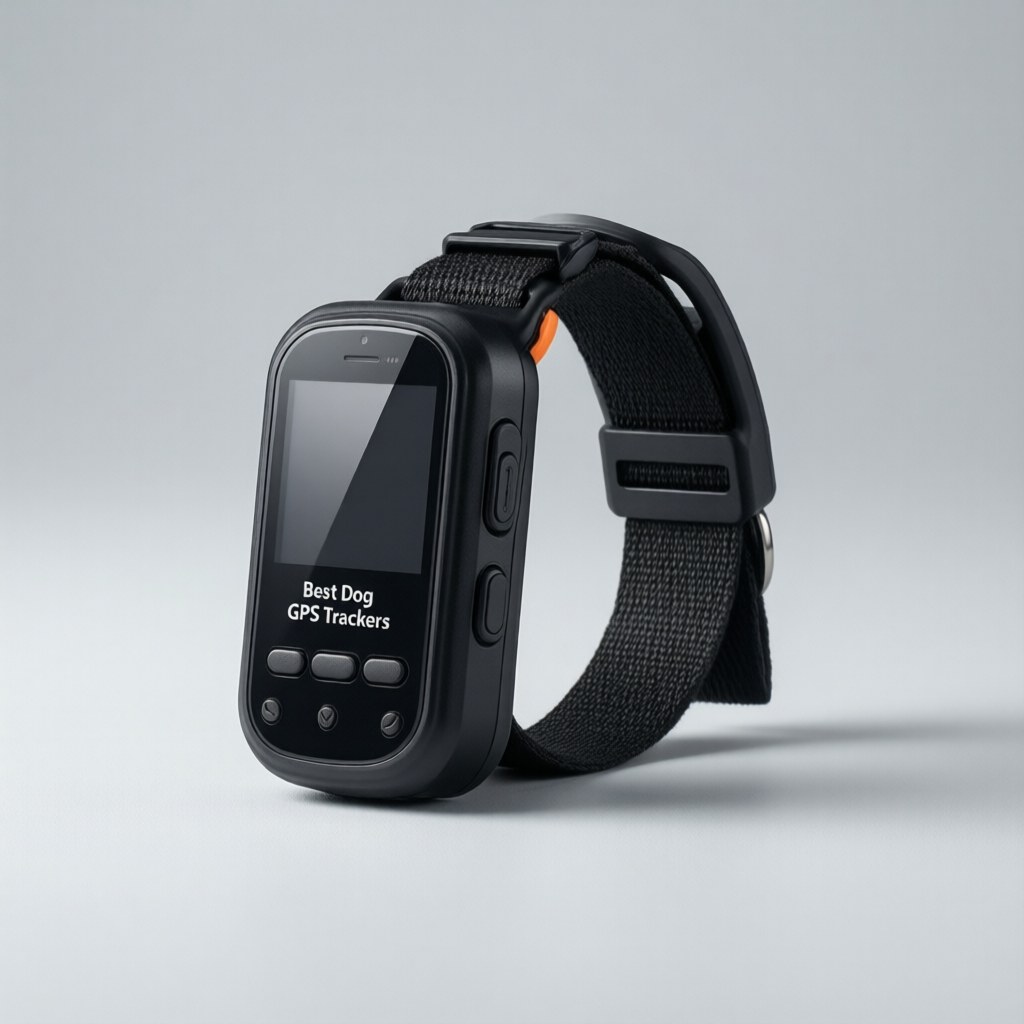
The Jiobit is the smallest GPS tracker on this list, weighing just 18 grams. That makes it the best option for toy breeds, cats, or any dog under 15 pounds where a heavier tracker would be uncomfortable. It uses a combination of cellular, Wi-Fi, and Bluetooth to determine location, and it clips onto any collar or harness with a secure loop attachment.
Key specs:
- Cellular (4G LTE), Wi-Fi, and Bluetooth positioning
- 18 grams — lightest tracker on this list
- Up to 7 days battery life (typical use around 5 days)
- Real-time location sharing with trusted contacts
- Location history and geofencing
- Water-resistant (not waterproof — splash and rain rated)
- End-to-end encryption for location data
- FCC-certified and trusted by many families for both pets and children
Price: Around 99-129 dollars for the device. Subscription required: approximately 9-17 dollars per month.
Pros: Tiny and lightweight — your small dog will not even notice it. The encryption is a nice privacy touch that most pet trackers lack. Location sharing lets multiple family members track the same pet. Good battery life relative to its size.
Cons: Not fully waterproof — just water-resistant. This is a real limitation for trail dogs that swim or play in heavy rain. No activity or wellness tracking features. Subscription price is on the higher side. Does not have live tracking as fast as Tractive.
Trail verdict: Best pick for small dogs and cats. Fine for dry trail hikes but not the right choice if your dog loves water or you hike in wet conditions.
4. Whistle Switch — Best Health and Fitness Tracker Combo
Whistle Switch GPS + Health + Fitness Smart Dog Collar (search Whistle Switch)
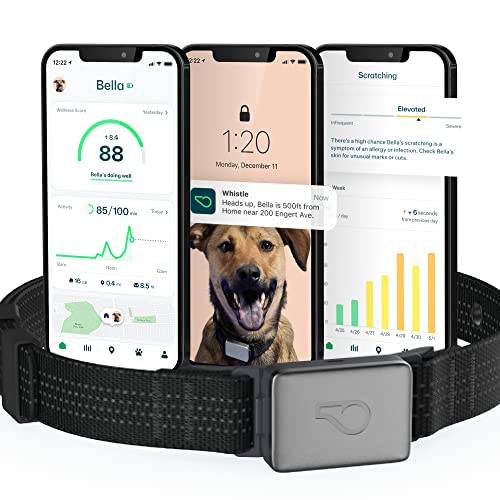
Whistle was one of the first companies to combine GPS tracking with serious health monitoring, and the Whistle Switch continues that tradition. It comes with two interchangeable batteries — a smart feature that means you never have to take your dog’s collar off to charge. While one battery powers the tracker, the other charges on the dock.
Key specs:
- GPS, cellular (AT&T LTE-M), and Wi-Fi positioning
- Two rechargeable batteries included — hot-swap without removing collar
- Battery life: approximately 10 days per charge (default mode)
- Health monitoring: scratching, licking, drinking, eating, and sleep patterns
- Activity tracking with daily goals
- Escape alerts and geofencing
- Waterproof (IP68 rated)
- Fits dogs 5 pounds and up
- Built-in night light mode
Price: Around 99-149 dollars for the device. Subscription required: approximately 9-15 dollars per month.
Pros: The dual-battery system is genuinely clever — no more charging anxiety. The health monitoring goes deeper than any competitor, tracking behaviors like excessive scratching or licking that could indicate allergies or skin issues. Night light is useful. Waterproof rating matches or beats most competitors.
Cons: The Switch is thicker and bulkier than Fi or Tractive, which might bother smaller dogs. Requires AT&T LTE-M coverage, which is more limited than some competitors’ multi-carrier approaches. Subscription is required. No live tracking mode — updates are periodic, not real-time.
Trail verdict: Best for health-conscious dog owners who want GPS tracking as a bonus feature rather than the primary purpose. Pair this with our best dog harnesses guide for a complete trail setup.
5. Apple AirTag (with Collar Holder) — Best Budget Option for iPhone Users
Apple AirTag (2nd Generation) (search Apple AirTag) with GOCII AirTag Dog Collar Holder (search AirTag collar holder)
Let’s be clear: the AirTag is not a dedicated pet GPS tracker, and Apple themselves does not recommend it for tracking pets. But if you are already in the Apple ecosystem and want a zero-subscription-cost way to add basic location tracking to your dog’s collar, the AirTag with a dedicated holder is the cheapest entry point.
The 2nd-generation AirTag adds a louder speaker, improved Precision Finding with ultra-wideband, and replaceable batteries — addressing the biggest complaints of the original.
Key specs:
- Bluetooth and Ultra-Wideband (UWB) positioning via Apple Find My network
- No subscription required — ever
- CR2032 battery lasts about 1 year
- IP67 water and dust resistant
- Precision Finding (UWB) on iPhone 11 and later
- Louder speaker on 2nd gen for finding nearby tags
- Works with hundreds of millions of Apple devices in the Find My network
- Share location with up to 5 people
Price: Around 29-35 dollars per AirTag (or about 89-99 dollars for a 4-pack). Collar holders run 10-20 dollars. No subscription.
Pros: Zero subscription cost — this is the biggest advantage. The Find My network leverages every nearby iPhone to report your AirTag’s location, which means coverage in most populated areas is surprisingly good. Replaceable battery lasts a full year. Tiny and lightweight. Share with family members easily.
Cons: Not real GPS — relies entirely on nearby Apple devices passing by. In remote trail areas with no other iPhone users, you get nothing. No geofence alerts, no live tracking, no activity monitoring. Apple explicitly says it is not designed for pet tracking. You need a separate collar holder (not included). Short Bluetooth range means you cannot track your dog in real-time at a distance — only see their last known location when another Apple device was nearby.
Trail verdict: Best as a backup tracker in populated areas, or for neighborhood escapes. Do not rely on this as your sole tracker in the backcountry. But at under 40 dollars total with no subscription, it is hard to beat as supplemental coverage.
6. SportDOG TEK 2.0 — Best for Hunting and Off-Grid Tracking
SportDOG TEK 2.0 GPS Tracking + E-Collar System (search SportDOG TEK 2.0)
The SportDOG TEK 2.0 is built for a completely different use case than every other tracker on this list. It uses radio frequency (HopTek technology) instead of cellular, which means it works with zero cell coverage. It also includes an e-collar (training collar) with tone, vibration, and static stimulation functions. This is a tool for hunters and serious off-grid dog handlers.
Key specs:
- RF-based GPS tracking via HopTek technology — no cell service required
- 10-mile maximum range (line of sight)
- Expandable to track up to 21 dogs
- Handheld GPS unit with 3.5-inch color LCD screen
- E-collar functions: tone, vibration, and 99 levels of static stimulation
- Waterproof and submersible (both handheld and collar unit)
- Rechargeable lithium-ion batteries
- Collar battery: approximately 20 hours; Handheld: approximately 15 hours
- Preloaded with TOPO maps; unlimited lifetime map updates included
Price: Around 600-700 dollars for the system (handheld + one collar). Additional collars run about 250-300 dollars each. No subscription — ever.
Pros: Works everywhere — no cell service needed, ever. This is the killer feature for backcountry use. The included e-collar means one device for both tracking and training. 10-mile range is far beyond any cellular tracker. TOPO maps are preloaded with free lifetime updates. Can track up to 21 dogs simultaneously. Truly waterproof and built for harsh conditions.
Cons: Expensive — this is the most costly option on this list. Bulky handheld unit is not something you casually pocket. E-collar is controversial; some owners will not use stimulation functions. 20-hour collar battery means daily charging on multi-day trips. The collar unit is heavier than consumer GPS trackers. Overkill for casual day hikers.
Trail verdict: The only choice if you regularly go off-grid. Hunters, backcountry explorers, and anyone who camps beyond cell coverage should seriously consider this system. The zero-subscription cost partially offsets the upfront price over time.
7. Garmin Alpha 200i — Best Premium GPS for Serious Backcountry Use
Garmin Alpha 200i Dog Tracking Handheld (search Garmin Alpha 200i)
If the SportDOG TEK 2.0 is the working truck of dog GPS systems, the Garmin Alpha 200i is the luxury SUV. It pairs Garmin’s legendary GPS hardware with inReach satellite technology, which means you get two-way satellite messaging and SOS capabilities alongside dog tracking. This is professional-grade equipment.
Key specs:
- GPS/GLONASS/Galileo satellite positioning
- inReach satellite technology for two-way messaging and SOS
- Track up to 20 dogs with compatible collars (TT 15X sold separately)
- 3.6-inch sunlight-readable color touchscreen
- Preloaded TopoActive maps with direct-to-device updates
- Collar range: up to 9 miles (line of sight)
- Dog tracking collars (TT 15X) include training stimulation and bark detection
- Handheld battery: approximately 20 hours in tracking mode
- IPX7 water-rated
- Compatible with Garmin Explore app for trip planning
Price: The handheld alone runs about 700-800 dollars. With a TT 15X collar bundle, expect to pay 900-1100 dollars. Additional collars are 250-300 dollars each. inReach satellite subscription required for two-way messaging and SOS: approximately 12-15 dollars per month (or 145 dollars per year).
Pros: The inReach satellite SOS feature is a safety game-changer — this is not just for your dog, it is for you too. Works entirely without cell service. Sunlight-readable screen is actually usable outdoors, unlike phone screens in direct sun. Preloaded maps with regular updates. Multi-dog tracking is excellent for working dog teams. Garmin’s ecosystem is mature and reliable.
Cons: Very expensive — this is the most costly option by a wide margin. The handheld unit is large and dedicated, not something you forget you are carrying. Training collars (TT 15X) are bulky and heavy on smaller dogs. Battery life requires daily charging on trips. The inReach subscription adds ongoing cost. Overkill for anyone who is not doing serious backcountry work.
Trail verdict: The gold standard for professional and serious amateur use. If you are spending real time in the backcountry, the inReach SOS capability alone could justify the cost. For everyone else, this is more tracker than you need.
8. Petfon 2 GPS Tracker — Best No-Subscription Budget Option
Petfon GPS Tracker (No Monthly Fee) (search Petfon GPS tracker)
The Petfon 2 is the only tracker on this list that offers real GPS tracking with no monthly subscription fee. It uses a combination of GPS, Bluetooth, and a proprietary RF connection between the tag and your phone, rather than relying on cellular networks. That means no recurring costs, but also some significant limitations.
Key specs:
- GPS + Bluetooth + RF positioning
- No monthly subscription fee
- Range: approximately 0.65 miles in dense urban areas, up to 3.5 miles in open terrain
- Battery life: approximately 16 hours in real-time tracking mode; up to 8 days in standby
- Water-resistant (rainproof, not submersible)
- Requires smartphone app (iOS/Android) — phone must be in range or use other Petfon users’ phones as relay
- Includes remote voice command feature (record your voice for recall)
- Rainproof collar attachment
Price: Around 99-149 dollars. No subscription, ever.
Pros: No subscription is the headline — over two years, that saves you 200-400 dollars compared to cellular trackers. The voice command feature is unique and useful for recall training. Works without cell service (within RF range of your phone). Lightweight and relatively compact.
Cons: Limited range — 3.5 miles maximum in perfect conditions, and much less in dense woods or urban areas. The 16-hour battery life in active tracking mode is the worst on this list by a wide margin. No live tracking unless you are within Bluetooth/RF range of your dog. No community finding network like AirTag or cellular trackers. Water-resistant, not waterproof — a real concern for trail dogs. The app has mixed reviews for reliability.
Trail verdict: Best for budget-conscious owners in open terrain. The no-subscription model is appealing, but the limited range and battery life make it a tough sell for serious trail use. Consider this for local park and neighborhood tracking rather than backcountry adventures.
Dog GPS Tracker Comparison Chart
Which Tracker Is Right for Your Trail Dog?
The right choice depends entirely on where you hike and what kind of tracking you need:
Day hikers in cell coverage areas: The Fi Series 3+ (search) or Tractive GPS (search) are your best bets. Both offer reliable cell-based tracking, escape alerts, and enough battery for day trips. Fi’s all-in-one collar is more convenient; Tractive’s live tracking is faster.
Health-conscious owners: The Whistle Switch (search) offers the deepest health insights of any tracker on the market. If you want to know not just where your dog is but how they are doing, this is the one.
Small dog owners: The Jiobit Smart Tag (search) at 18 grams is the only tracker that will not weigh down a toy breed. Just keep it dry.
Budget-minded iPhone users: An AirTag (search) in a collar holder (search holders) costs under 40 dollars total with no subscription. It is limited, but it is better than nothing for neighborhood escapes.
Backcountry and off-grid hikers: The SportDOG TEK 2.0 (search) is the practical choice for off-grid tracking. If you also want satellite SOS capability for yourself, the Garmin Alpha 200i (search) justifies the premium price.
No-subscription seekers: The Petfon 2 (search) is the only real GPS tracker with zero subscription cost, but accept the trade-offs in range and battery life.
Subscription Costs: The Hidden Price of GPS Tracking
One thing that surprises first-time buyers: most cellular GPS trackers require a monthly or annual subscription. Here is what that looks like over two years of ownership:
- Fi Series 3+: Device 149 dollars + 198 dollars (2 years at 99/yr) = 347 dollars total
- Tractive GPS: Device 49-69 dollars + 120-312 dollars (2 years at 5-13/mo) = 169-381 dollars total
- Jiobit: Device 99-129 dollars + 216-408 dollars (2 years at 9-17/mo) = 315-537 dollars total
- Whistle Switch: Device 99-149 dollars + 216-360 dollars (2 years at 9-15/mo) = 315-509 dollars total
- AirTag + Holder: 35-55 dollars total, no subscription = 35-55 dollars total
- SportDOG TEK 2.0: 600-700 dollars total, no subscription = 600-700 dollars total
- Garmin Alpha 200i: 700-1100 dollars + 290 dollars (inReach 2 years) = 990-1390 dollars total
- Petfon 2: 99-149 dollars total, no subscription = 99-149 dollars total
Over two years, the “cheap” cellular trackers actually cost more than the “expensive” RF systems if you are already planning for backcountry use. But if you need cell-based tracking for urban and suburban use, the subscription is simply the cost of doing business.
Tips for Using a Dog GPS Tracker on the Trail
Having the tracker is only half the equation. Here is how to actually use it effectively:
- Charge fully before every trip. This sounds obvious, but it is the number one reason trackers fail on the trail. Make charging part of your pre-trip routine, right alongside packing water and checking your dog first aid kit.
- Test before you go. Verify the tracker is connecting, updating location, and sending alerts before you are 5 miles from the trailhead. Troubleshooting cell signal issues is easier at home than on a mountain.
- Set up geofences in advance. Define your campsite and trail boundaries before you head out. The alert that your dog has left the geofence is only useful if the geofence actually exists.
- Carry a portable charger. Even trackers with “7-day battery life” drain faster in areas with poor cell signal, because the radio works harder. A small USB battery pack weighs a few ounces and saves a lot of anxiety.
- Understand your tracker’s limitations. Cellular trackers will not work without cell service. Bluetooth trackers will not work beyond their range. Know what your tracker can and cannot do before you need it in an emergency.
- Combine with a physical ID tag. A GPS tracker is not a replacement for a traditional ID tag with your phone number. If the tracker’s battery dies, the tag is what gets your dog home.
- Check fit regularly. Trail running and swimming can loosen collar attachments. A loose tracker is a lost tracker. Pair your tracker with a properly fitted hiking harness for the most secure setup.
My Take
A dog GPS tracker is one of those pieces of gear you hope you never need but are grateful to have when the moment comes. Whether it is a neighborhood escape artist or a trail dog that ranges too far, the peace of mind is worth the investment.
For most trail dog owners, the Fi Series 3+ (search) or Tractive GPS (search) will cover 90 percent of use cases reliably and affordably. If you go off-grid regularly, the SportDOG TEK 2.0 (search) is worth every penny for the cell-free operation. And if you want the absolute best regardless of cost, the Garmin Alpha 200i (search) with its satellite SOS is in a class of its own.
Whatever you choose, make sure it fits your dog, your trail conditions, and your budget — including the subscription. The best GPS tracker is the one that is charged, connected, and on your dog when it matters.
For more trail dog gear guides, check out our related posts:
- Trail Running Dog Gear: Everything You Need for Safe Trail Runs
- Best Dog Harnesses 2026: Comfort and Safety for Every Adventure
- Dog First Aid Kit Essentials: What Every Trail Dog Needs
- Trail Injuries and Dog First Aid: A Field Guide
Shop This Post
Here are all the GPS trackers mentioned in this guide, with both direct product links and search fallback links:
- Fi Series 3+ Smart Dog Collar — Search on Amazon
- Tractive GPS Dog Tracker — Search on Amazon
- Jiobit Smart Tag Pet Tracker — Search on Amazon
- Whistle Switch GPS + Health + Fitness Smart Dog Collar — Search on Amazon
- Apple AirTag (2nd Generation) — Search on Amazon
- GOCII AirTag Dog Collar Holder (2 Pack) — Search on Amazon
- SportDOG TEK 2.0 GPS Tracking + E-Collar System — Search on Amazon
- Garmin Alpha 200i Dog Tracking Handheld — Search on Amazon
- Petfon GPS Tracker (No Monthly Fee) — Search on Amazon
n
GearHound is reader-supported. When you buy through links on this site, we may earn an affiliate commission at no extra cost to you.
⛺ Get Your Free Camping with Your Dog Checklist
Join our newsletter and get this free printable plus weekly tips.
Price Check
Prices verified via our product tracker. Updated Sep 27.
| Amazon.com: Fi Series 3+ GPS Dog Collar & Tracker, Members | $129.00 | |
| Amazon.com: Tractive Smart Dog GPS Tracker | Live Pet Trac | $5,000.00 | 3.8★ (5,378) |
| Amazon.com: Whistle GPS + Health + Fitness - Smart Dog Col | $8.25 | 3.0★ |
| Amazon.com: Apple AirTag (2nd Generation): Tracker for Key | $29.00 | 4.5★ (11,285) |
| Amazon.com: GOCII for Airtag Dog Collar Holder 2 Pack,Wate | $9.11 | 4.6★ (3,679) |
| Amazon.com: SportDOG TEK Series 2.0 GPS Tracking System - | $600.00 | 3.7★ (2,022) |
| Amazon.com: Garmin Alpha 200i Dog Tracking Handheld, Utili | $749.99 | 4.8★ (121) |
As an Amazon Associate we earn from qualifying purchases.