
This article contains affiliate links. We may earn a commission from qualifying purchases.
Some content on this site is AI-assisted and reviewed by our editorial team.
A sleeping bag is the one piece of camp gear you can’t improvise around. Pad too thin? Sit on the cooler. Stove quits? Cold dinner. But a bag that won’t hold heat follows you into the tent and ruins the whole next day. I’ve watched 30-degree forecasts turn into 25-degree reality more than once, and the bags that got people through were the ones with a real draft tube and a hood that actually cinches. This list covers four bags that make sense in 2026: two built for the trunk of the car, and two light enough to strap to a pack without hating life by mile five.
Here are the four that earned their spot.
Teton Sports Celsius XXL — The Roomy 0-Degree Car-Camping Bag
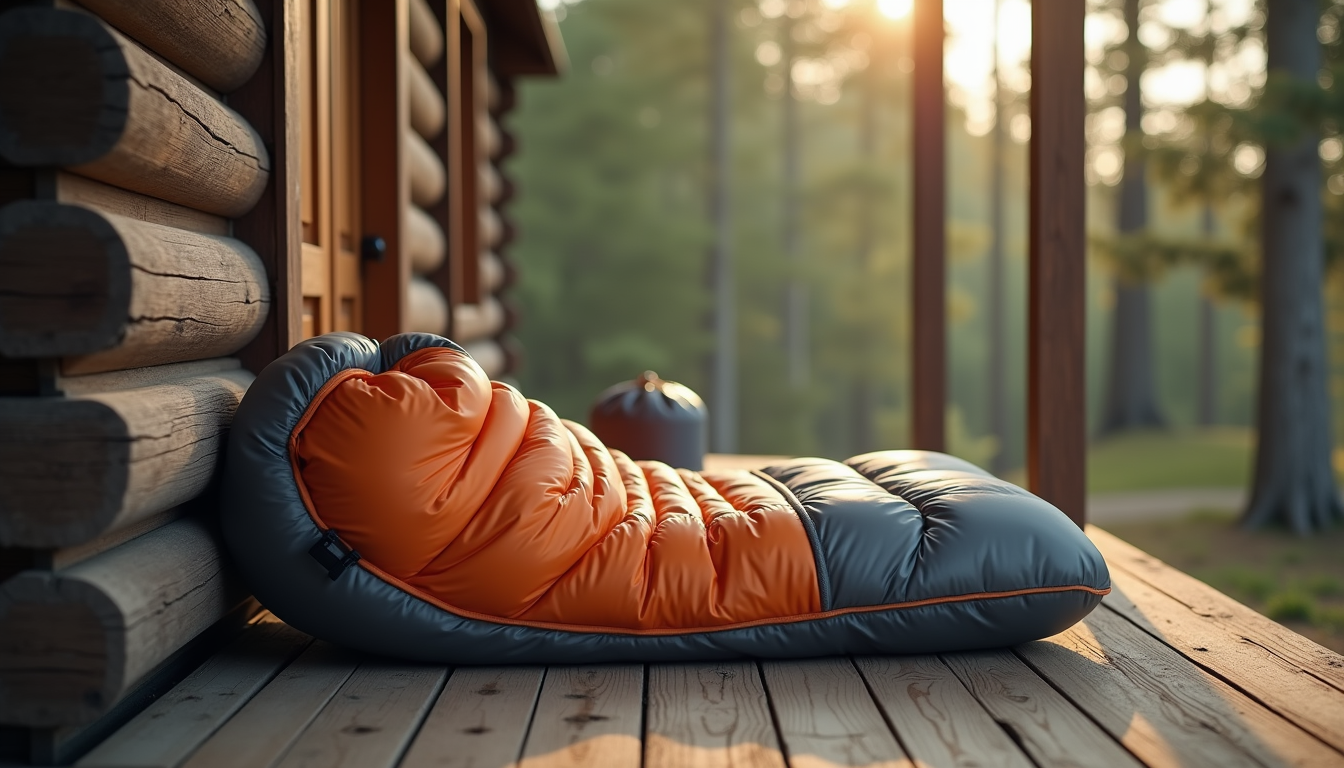
The Teton Sports Celsius XXL sleeping bag is the bag I hand to anyone who sleeps cold and doesn’t want to think about it. It’s rated to 0°F, built with double-layer construction and draft tubes along the zipper, and the XXL cut gives a big guy room to shift around without dragging cold air in through the seams. It costs about $80, which is genuinely hard to argue with for a true cold-weather bag.
The flannel-style lining is a small luxury that matters more than it sounds — no cold synthetic shock when you slide in at 11 PM. It comes with a compression sack, though calling it “compression” is generous.
My take: if your trips start and end at a campsite and the forecast can drop below freezing, this is the bag to buy.
Con: it’s about 7 pounds and stuffs into a bundle the size of two pillows. Nobody should backpack with it, and the flannel lining dries slowly if it gets damp.
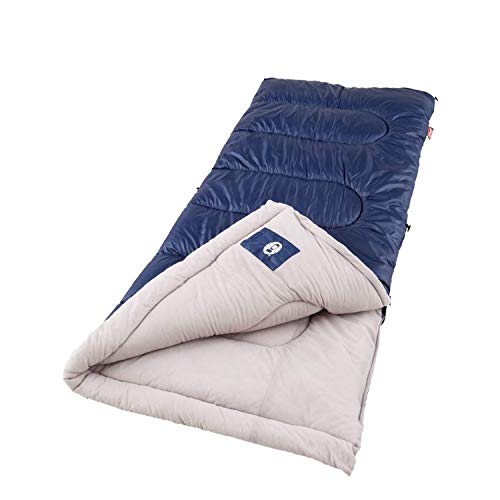
Coleman Brazos — The Budget Bag That Just Works
The Coleman Brazos 30°F sleeping bag has been the default first sleeping bag for decades, and the current version keeps the parts that made it that way. It’s about $54, machine washable, has Coleman’s no-snag zipper, and the Fiberlock construction keeps the insulation from migrating into cold spots over years of use. For summer and early-fall car camping it does the job as well as bags costing three times as much.
My take: if your nights stay in the 40s or warmer, buy this and spend the difference on a better pad.
Con: the 30°F rating is optimistic — plan on it being comfortable closer to 40°F, and there’s no hood, so you lose a lot of heat through your head on genuinely cold nights. It’s also a full rectangular bag, so there’s dead air space around a small sleeper.
Marmot Trestles 15 — The Synthetic All-Rounder
The Marmot Trestles 15 sleeping bag is what you move up to when trips start involving real trailheads. It’s an EN-tested 15°F synthetic bag with SpiraFil high-loft insulation that keeps insulating even when it’s damp — the trait that matters most in a synthetic bag. The 3D footbox, snagless draft tube, fold-down second zipper for venting, and a stash pocket are all things the budget bags simply don’t have. It runs about $119.
At 3 pounds 6 ounces in the regular length, it’s not a true ultralight bag, but it compresses into about 14 liters, which fits in the bottom of a 50-liter pack without drama.
My take: this is the one bag on the list that handles both car camping and honest shoulder-season backpacking, and it’s usually on sale for less.
Con: synthetic fill means bulk — it’ll never pack as small as down, and it’s warm-but-heavy for summer trips. Most colorways are left-zip only, so matching it with a right-zip partner bag takes some hunting.
Kelty Cosmic 20 — The Down Bag When You’re Carrying It
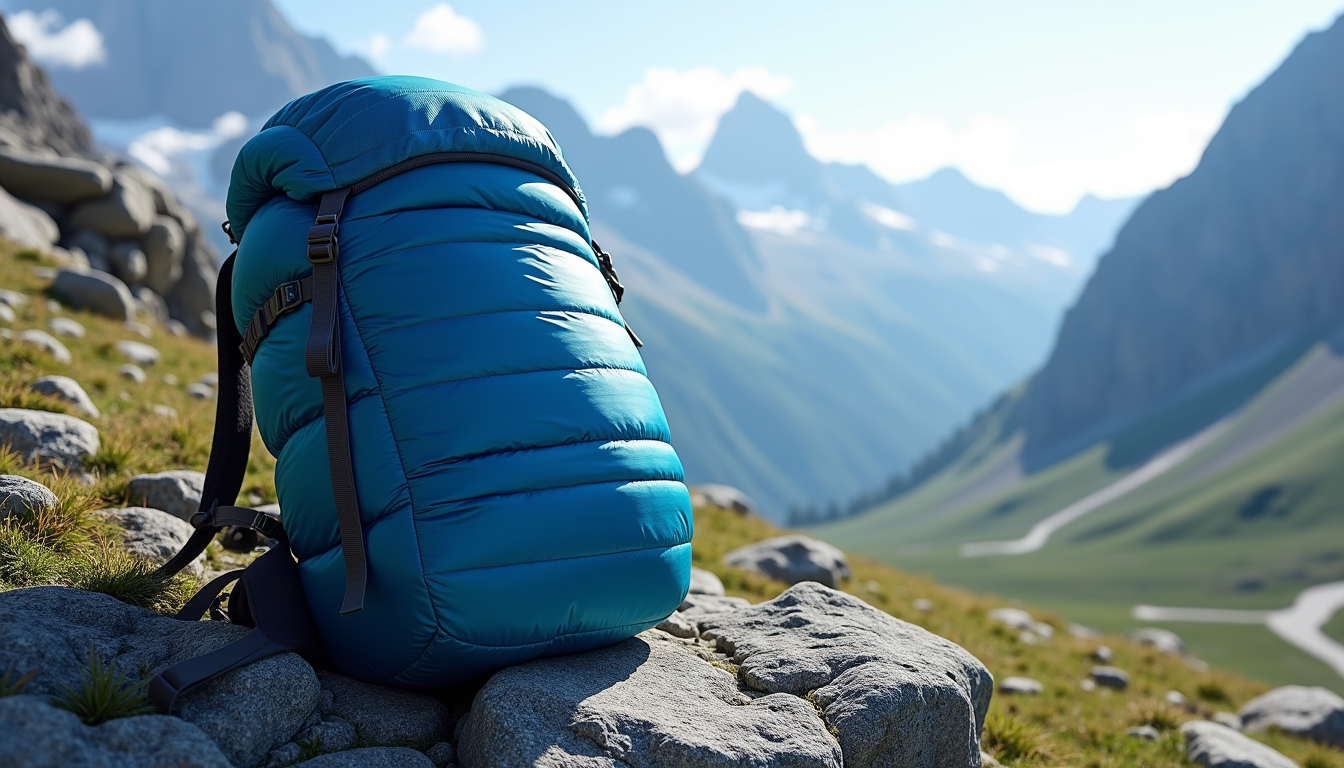
The Kelty Cosmic 20 down sleeping bag is the entry point into down, and that’s exactly its role. The 2024 version uses 550-fill RDS-certified down with a recycled shell and liner, PFAS-free DWR, and packs down to roughly the size of a small melon at about 2 and a half pounds. For about $180 it’s the cheapest bag I’d recommend to anyone actually carrying their bag on multi-day trips.
My take: if you backpack more than a couple weekends a year, the weight and packed-size savings over the Trestles are worth the extra $60.
Con: 550-fill is budget down — it’s heavier per unit of warmth than the 650+ stuff, and multiple reviewers report the 20°F rating runs warm, with 30-35°F feeling more like the honest limit. Down also punishes bad storage; keep it loose in a closet, not in the stuff sack at home.
Need it before next weekend? Most of this gear ships free with Prime. If you’ve never used Prime, the 30-day free trial covers free two-day shipping on almost everything above — enough to get a bag delivered before a Friday departure.
Features That Actually Matter (And Ones That Don’t)
- Draft tube along the zipper. A zipper is a long, thin hole in your insulation. A sewn draft tube behind it is the difference between a rated bag and a cold one.
- A hood that actually cinches. You lose a shocking amount of heat through your head. Bags without hoods (like the Brazos) are fine until they aren’t — know what you’re buying.
- Zipper quality. A bag that snags every other pull makes you hate a trip. Two-way zippers also let you vent your feet without opening the whole bag.
- Temperature rating honesty. Ratings assume a pad, base layers, and a decent sleeper. Buy 10-15 degrees colder than your expected low, every time.
- Fill power above 550. Doesn’t matter unless you’re counting ounces on a long trail. For car camping, 550-fill down and mid-grade synthetic both sleep exactly the same.
Where the Money Should Go
- Most people: the Teton Celsius XXL at about $80 covers every cold night a car-camping trip will throw at you.
- Tightest budget: a Brazos at about $54 plus a Celsius XXL for cold trips is about $134 total — still less than one premium bag, and it covers both summer and winter.
- One bag for everything: the Marmot Trestles 15 at about $119 splits the difference — EN-tested, packable, damp-weather capable.
- Backpackers: the Kelty Cosmic 20 at about $180 is where real weight savings start without going into ultralight pricing.
A good bag is only half the cold-night equation, though. A solid pair of trekking poles saves your knees getting to camp, and a reliable pocket knife handles every camp chore in between. Get the sleep right first — everything else is more fun on a full night of it.
GearHound is reader-supported. As an Amazon Associate, I earn from qualifying purchases. That means if you buy through one of the links above, I get a small commission at no extra cost to you. I only recommend gear I’d actually carry into the field.
⛺ Get Your Free Camping with Your Dog Checklist
Join our newsletter and get this free printable plus weekly tips.
Frequently Asked Questions
How cold does a sleeping bag rating actually need to be for camping?
For summer car camping, a 30-40u00b0F bag is enough. For spring and fall, pick a 20u00b0F bag, and for winter go 0u00b0F or lower. Ratings assume a pad and a base layer, so add 10u00b0F of margin if you sleep cold.
Is a synthetic or down sleeping bag better on a budget?
Synthetic. A synthetic bag in the $60-100 range insulates even when damp, dries overnight, and costs a third of a comparable down bag. Down only wins once you care about packed size and are willing to spend $200+.
What size sleeping bag should I buy for car camping?
Buy the regular length if you are under 6 feet. Rectangular car-camping bags like the Teton Celsius XXL trade 1-2 pounds of pack weight for room to move, which matters far more than ounces when the bag rides in a trunk.
Price Check
Prices verified via our product tracker. Updated Sep 27.
| Amazon.com: Teton Celsius XXL, 0 Degree Sleeping Bag, All | $99.99 | 4.7★ (7,969) |
| Amazon.com: Marmot Men's Trestles 15° Sleeping Bag | Insul | $139.00 | 4.4★ |
| Amazon.com: Kelty Cosmic 20 Down Mummy Sleeping Bag for Ba | $118.95 | 4.6★ (109) |
As an Amazon Associate we earn from qualifying purchases.