
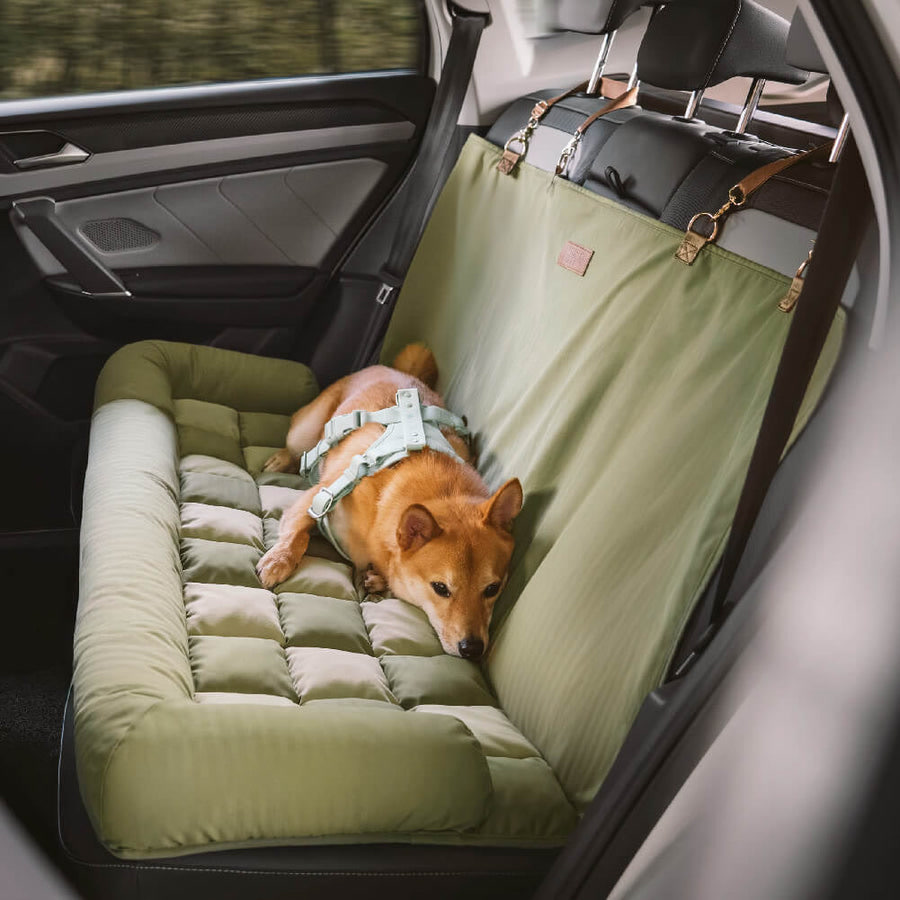
This article contains affiliate links. We may earn a commission from qualifying purchases.
Some content on this site is AI-assisted and reviewed by our editorial team.
Dog Car Travel Guide: How to Road Trip Safely with Your Dog
Taking your dog on a road trip sounds like the perfect adventure — windows down, ears flapping, the open road ahead. But without proper planning, that dream drive can turn into a stressful mess of car sickness, anxiety, and safety risks. Whether you’re heading across state lines or just a few hours up the coast, this guide covers everything you need to know to road trip safely with your dog.
We’ve packed in pre-trip checklists, acclimation strategies, packing lists, legal considerations, and real product recommendations we actually trust. Let’s get you and your pup road-ready.
Pre-Trip Checklist: What to Do Before You Leave
A successful road trip starts days before you turn the key. Here’s what to handle first:
- Vet visit: Schedule a checkup within 30 days of your trip. Get a health certificate if you’re crossing state lines — some states require proof of rabies vaccination at minimum.
- Vaccination records: Carry printed copies of all vaccinations, especially rabies. Some campgrounds, dog parks, and boarding facilities require them.
- Microchip and ID tags: Verify your dog’s microchip is registered with current contact info. Add a tag with your phone number and a secondary contact. Travel tags with your destination address are even better.
- Medications: Pack at least 3–5 extra days’ worth of heartworm, flea/tick, and any prescription meds. Pharmacies don’t always have what you need in unfamiliar towns.
- Emergency vet info: Look up 24-hour emergency vet clinics along your route and at your destination. Save them in your phone before you need them.
How to Acclimate Your Dog to Car Rides
If your dog only rides in the car to the vet, of course they hate it. Car anxiety is usually learned — and it can be unlearned with patience and positive reinforcement.
Step 1: Stationary sessions. Park the car in the driveway with the engine off. Toss treats and toys inside. Let your dog explore at their own pace. Don’t force it — some dogs need a few sessions before they’ll even jump in voluntarily.
Step 2: Engine on, no movement. Once they’re comfortable sitting in the car, start the engine. Give high-value treats (cheese, liver, hot dog bits). This builds a positive association with the sound and vibration.
Step 3: Short trips around the block. Drive 2–3 minutes. End somewhere fun — a park, a friend’s yard, anywhere your dog enjoys. The destination should never only be the vet.
Step 4: Gradual distance increases. Over a week or two, extend trips from 5 minutes to 15 to 30 minutes. Watch for signs of nausea (lip licking, drooling, swallowing) and stop before they get sick. Each successful ride reinforces the right behavior.
For dogs with persistent anxiety, talk to your vet about anti-anxiety medication for travel. There’s no shame in giving your dog a little help — it beats a miserable trip for both of you.
Rest Stop Schedule: Plan for Your Dog’s Needs
Dogs need breaks more often than you think. A good rule of thumb:
- Stop every 2–3 hours for a bathroom break, leg stretch, and water.
- Offer water at every stop but don’t force it. A portable dog water bottle makes this easy — no bowl required.
- Walk for 15–20 minutes at each stop to let your dog stretch and mentally decompress. A tired dog is a calmer passenger.
- Feed meals at rest stops, not in the moving car. This reduces motion sickness risk and gives you a natural break point.
Use apps like BringFido or GoPetFriendly to find dog-friendly rest stops, parks, and restaurants along your route.
Temperature Management: Never Leave Your Dog in a Hot Car
This cannot be overstated: never leave your dog in a parked car in warm weather. On a 70°F day, the interior of a car reaches 104°F in 30 minutes. Cracking windows doesn’t help enough. On an 85°F day, interior temps hit 114°F in under an hour.
Plan your stops around your dog. Use drive-throughs instead of dine-in restaurants. Pick up food and eat at a park where your dog can join you. If you need to stop somewhere dogs aren’t allowed, one person stays outside with the dog — period.
In cold weather, limit time in the car as well. While cold is less immediately dangerous than heat, hypothermia is real, especially for short-haired breeds, seniors, and puppies.
What to Pack: The Essential Road Trip Kit
Here’s your go-bag checklist for canine car travel:
- Food and treats: Pre-portion meals into individual bags. Bring extra in case of delays.
- Water: Bring water from home for the first day — sudden water changes can cause stomach upset. After that, transition gradually to local water.
- Portable water bottle: One-handed operation lets you give your dog water without unpacking gear.
- Travel bowl: Collapsible silicone bowls pack flat and work for food and water at rest stops.
- Medications: Heartworm, flea/tick, prescriptions, plus any travel meds from your vet.
- Leash and harness: A crash-tested car harness like the Kurgo doubles as a walking harness and a safety restraint. Always leash your dog before opening the car door at rest stops.
- Waterproof car seat cover: Protects your upholstery from mud, drool, and shedding. Easy to remove and hose off.
- Waste bags: Pack more than you think you need. You’ll use them.
- Comfort items: A familiar blanket or bed, a favorite toy, and an old t-shirt that smells like home. These reduce anxiety in unfamiliar hotel rooms.
- First aid kit: Bandages, antiseptic, tweezers for tick removal, and vet wrap. For a full breakdown, see our car emergency kit guide for dog owners.
Motion Sickness: Causes and Remedies
Dogs get car sick just like humans — maybe more so, since they can’t anticipate the motion the way we do. Puppies are especially prone because their inner ear isn’t fully developed yet. Many outgrow it by age 1.
Signs of motion sickness in dogs: Excessive drooling, lip smacking, yawning, whining, vomiting, and sudden lethargy.
How to reduce it:
- Withhold food 3–4 hours before departure. An empty stomach is less likely to come back up.
- Keep windows cracked for fresh air, but don’t let your dog hang their head out — debris and sudden stops are dangerous.
- Use a crash-tested harness to keep your dog facing forward. Looking out the front windshield reduces nausea versus side-window watching.
- Condition them gradually using the acclimation steps above. Many dogs improve with practice.
- Talk to your vet about Cerenia (maropitant), the FDA-approved motion sickness medication for dogs. It’s highly effective and given 2 hours before travel.
- Ginger (in small, vet-approved amounts) can help settle mild nausea in some dogs.
Legal Requirements by State
Here’s what many dog owners don’t realize: several states have laws about how your dog rides in the car, and the penalties for violating them are real.
States with specific pet restraint or transport laws:
- Hawaii: Prohibits holding an animal on your lap while driving (HR S §291C-124).
- Rhode Island: Requires animals to be under the physical control of the driver or a passenger.
- New Jersey: Officers can cite you under animal cruelty laws for transporting an unrestrained animal in a vehicle.
- California: Requires dogs in truck beds to be cross-tethered or in a crate (Vehicle Code §23117).
- Massachusetts: Distracted driving laws can be applied to unrestrained pets.
- Connecticut: Fines up to $100 if an unrestrained dog causes unsafe driving.
Even in states without specific pet restraint laws, distracted driving statutes can be applied if your loose dog causes you to swerve, brake suddenly, or take your hands off the wheel. And in any state, if you’re in an accident and your unrestrained dog becomes a projectile — injuring themselves, you, or someone else — you may face liability.
The safest choice regardless of where you live? Restrain your dog with a crash-tested harness or a secured crate every single ride.
For more on this topic, see our best dog harnesses guide for detailed crash-test ratings and comparisons.
Hotel and Airbnb Tips for Traveling with Dogs
Finding dog-friendly lodging used to be hard. Now it’s just a matter of filtering and reading the fine print.
Hotels: Most major chains (La Quinta, Kimpton, Red Roof Inn, Aloft) are dog-friendly by default. Expect pet fees of $25–$100 per stay. Always call ahead to confirm — “pet-friendly” policies change and online listings lag behind reality.
Airbnbs and vacation rentals: Filter by “pets allowed,” then read the house rules carefully. Some properties allow dogs but restrict size or breed. Others charge pet fees not listed in the nightly rate. Message the host before booking to confirm your dog’s details — this also builds goodwill.
Tips for any lodging:
- Bring your dog’s bed or blanket so they have a familiar scent spot in a strange room.
- Never leave your dog alone in a hotel room. Anxiety, barking, and damage to property are all risks. If you must step out, crate them and keep it brief.
- Request a ground-floor room to avoid elevator anxiety and late-night potty runs through long hallways.
- Wipe paws before entering to avoid cleaning fees from muddy trails.
- Be honest about your dog’s size and breed when booking. Surprise pets get everyone kicked out.
Shop This Post
Here’s everything I recommend for safe, comfortable road trips with your dog:
- Kurgo Dog Car Harness | Search on Amazon — Crash-tested, fits dogs 25–75 lbs, doubles as a walking harness.
- Waterproof Car Seat Cover | Search on Amazon — Protects upholstery from mud, hair, and drool. Easy to clean.
- Portable Dog Water Bottle — One-handed dispensing for rest stops and trail breaks.
- Dog Travel Bowl — Collapsible, lightweight, and indispensable on the road.
Related Reading
- Build a Car Emergency Kit Every Dog Owner Needs
- Best Dog Harnesses of 2026: Crash-Tested and Reviewed
- Camping Gear That’s Actually Worth the Money
- Best EDC Gear Under $50
n
GearHound is reader-supported. When you buy through links on this site, we may earn an affiliate commission at no extra cost to you.
⛺ Get Your Free Camping with Your Dog Checklist
Join our newsletter and get this free printable plus weekly tips.
Price Check
Prices verified via our product tracker. Updated Sep 27.
| Pet Supplies : Cibaabo Dog Water Bottle with Food Containe | $17.98 | 4.7★ (2,303) |
| Pet Supplies : Rest-Eazzzy Collapsible Dog Bowls, 2 Pack S | $7.99 | 4.7★ (16,678) |
| Amazon.com : Kurgo Enhanced Strength Tru-Fit Smart Harness | $39.95 | 4.4★ (7,845) |
| Amazon.com : Amazon Basics Waterproof Dog Car Seat Cover, | $19.66 | 4.4★ (12,115) |
| Amazon.com : Kurgo Backseat Barrier | Blocks Front Seat Pe | $59.99 | 4.0★ (595) |
| Amazon.com : Ruff Liners XL Dog Hammock for Truck, Fold-Up | $159.99 | 4.3★ (1,872) |
As an Amazon Associate we earn from qualifying purchases.