This article contains affiliate links. We may earn a commission from qualifying purchases.
Some content on this site is AI-assisted and reviewed by our editorial team.
July 2026, By GearHound
When hikers talk about gear, the conversation usually turns to boots, backpacks, and trekking poles. Socks rarely get the spotlight. But ask anyone who has limped off a trail with raw, blistered feet, and they will tell you: no single piece of gear matters more than what sits between your foot and your boot. A quality hiking sock controls moisture, manages temperature, cushions impact, and prevents the friction that causes blisters. The right pair can be the difference between a ten-mile day you remember fondly and one you would rather forget.
This guide breaks down the seven best hiking socks for 2026 across categories: best overall, best for backpacking, best budget, best for cold weather, best for blister prevention, best for hot weather, and best all-synthetic. We cover the material science, cushioning levels, and design choices that separate a great hiking sock from a mediocre one, so you can make an informed decision for your next trip.
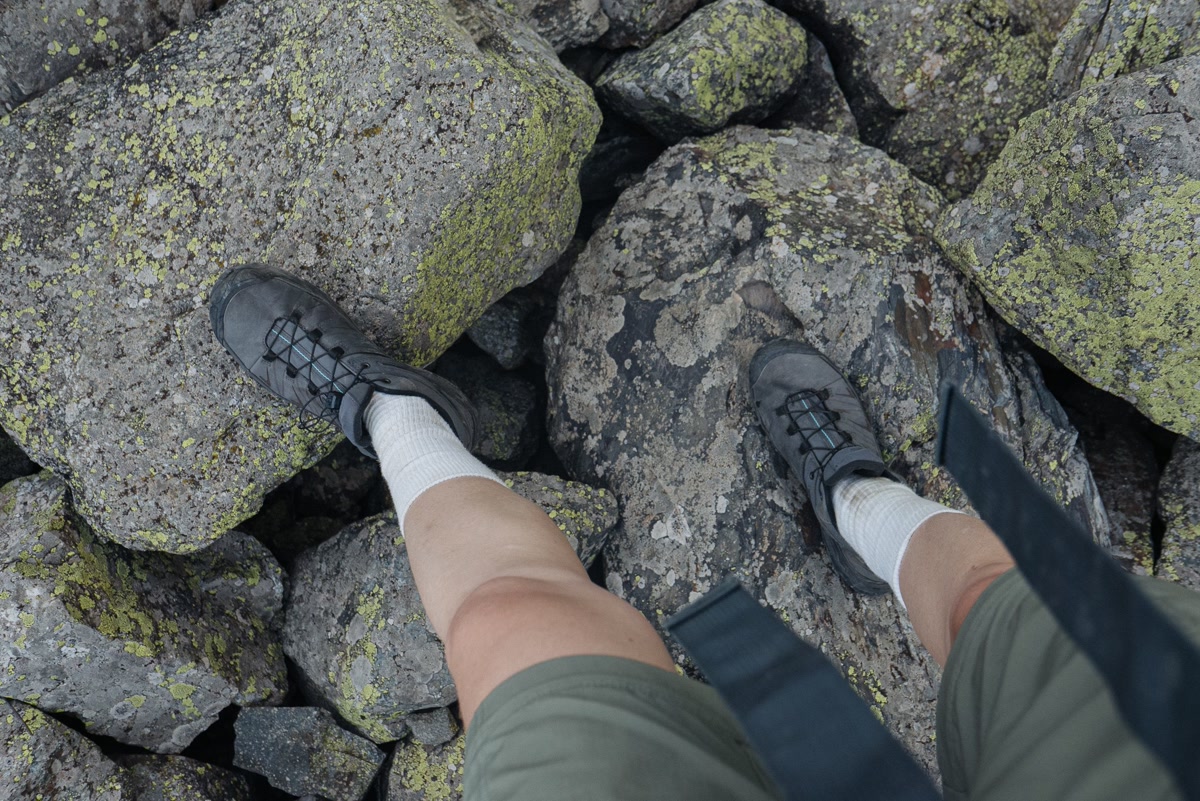
What Makes a Great Hiking Sock
Before diving into specific products, it helps to understand what separates a hiking sock from the cotton athletic socks you might wear to the gym. Three factors matter most: material, cushioning, and height.
Material: Merino Wool vs Synthetic vs Blend
Merino wool is the gold standard for hiking socks, and for good reason. Merino fibers are finer and softer than traditional wool, which means they do not itch. Merino regulates temperature remarkably well, keeping feet warm in cold conditions and cool in heat. It wicks moisture away from the skin and can absorb up to 30 percent of its weight in water without feeling wet. Perhaps most importantly, merino wool is naturally antimicrobial, meaning it resists odor even after multiple days of use on the trail. That matters when you are packing light and wearing the same pair for three days straight.
Synthetic socks, typically made from polyester or nylon blends, excel at moisture wicking and dry faster than wool. They are generally more durable and less expensive, but they tend to retain odor more quickly and do not offer the same temperature regulation. Synthetic socks are a good choice for hot-weather hiking or for hikers who prioritize quick-drying gear.
Blends combine merino wool with synthetic fibers to capture the best of both worlds. A common ratio is 60 percent merino, 35 percent nylon, 5 percent spandex. The nylon adds durability and structure, the spandex provides stretch and retention so the sock does not sag into your boot, and the merino handles temperature and odor. Most of the socks on this list are blends, and for good reason: they work.
If you are also planning overnight trips, your sock choice interacts with your sleep system. Cold feet at night can ruin a camping experience, so consider how your hiking socks pair with your sleeping bag setup when building your kit.
Cushioning: Light, Medium, or Heavy
Cushioning level determines how much padding sits under your foot and around your heel and toe. Light cushioning socks are thin, breathable, and best for warm weather or fast-paced hiking where you want minimal bulk. They work well for trail runners and day hikers on well-maintained paths.
Medium cushioning is the sweet spot for most hikers. It provides enough padding to absorb impact on rocky terrain without creating excess heat or bulk. If you are unsure where to start, go medium.
Heavy cushioning socks are thick, warm, and built for cold conditions or rough terrain. They are ideal for backpackers carrying heavy loads or winter hikers who need maximum insulation. The tradeoff is that heavy socks can make a snug-fitting boot feel too tight, which actually restricts circulation and makes your feet colder. Always match your sock cushioning to your boot fit.
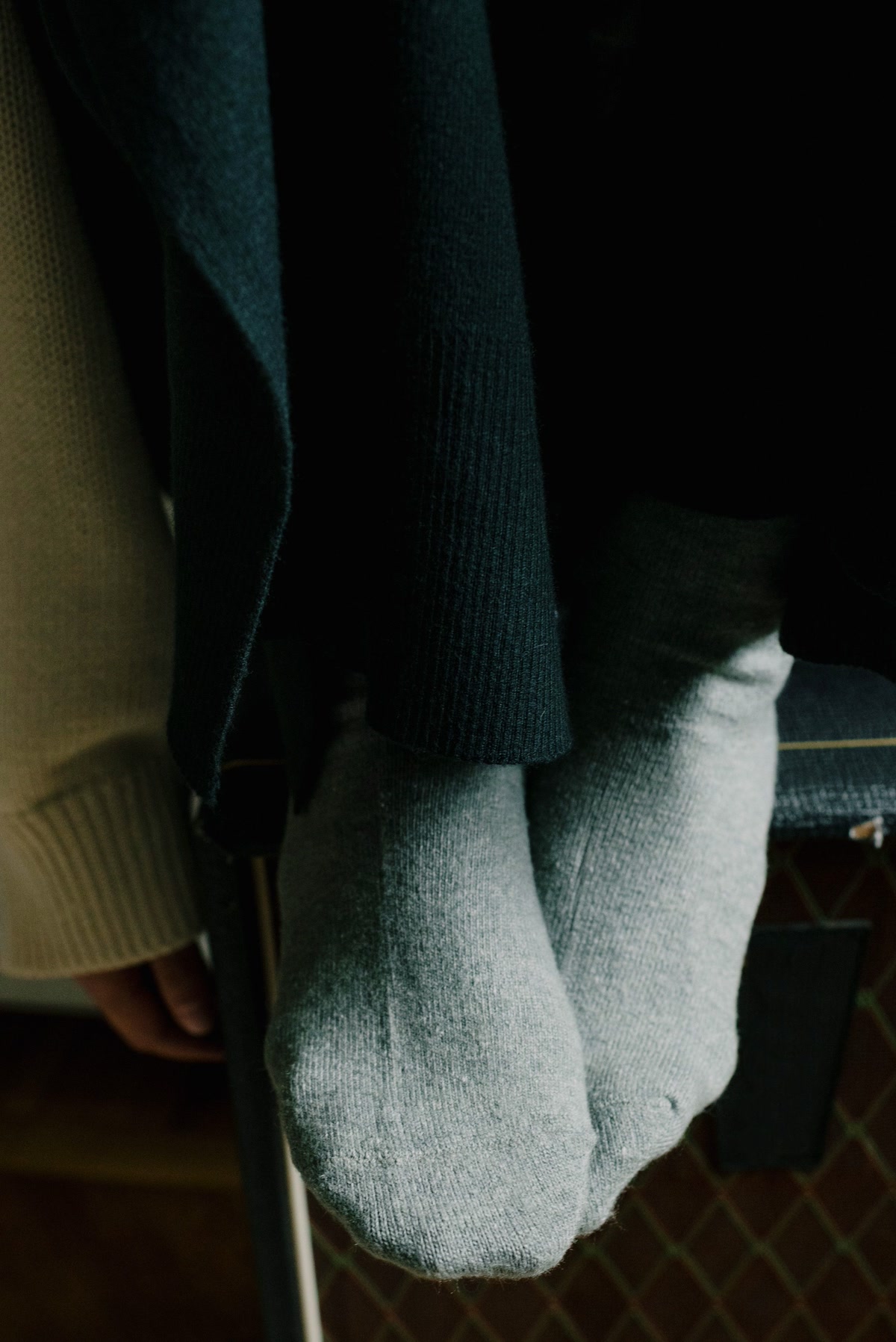
Height: Crew, Quarter, or No-Show
Sock height is not just about style. It serves a functional purpose. Crew socks rise to mid-calf and are the most popular height for hiking because they protect against abrasion from tall boots, brush, and debris. They also keep dirt and small rocks from getting inside your socks.
Quarter socks sit just above the ankle and work well with low-cut hiking shoes or trail runners. They are cooler than crew socks but offer less protection from brush.
No-show socks sit below the ankle and are generally not recommended for hiking unless you are wearing low-profile trail shoes on well-maintained paths. They offer no protection from debris or brush.
The 7 Best Hiking Socks for 2026
1. Best Overall: Darn Tough Hiker Micro Crew Cushion
Darn Tough has earned a loyal following among hikers, and the Hiker Micro Crew Cushion is the sock that built that reputation. Made in Vermont from a blend of 61 percent merino wool, 36 percent nylon, and 3 percent spandex, this sock hits the sweet spot of durability, comfort, and performance. The micro crew height sits just above a standard hiking boot, providing protection without the bulk of a full crew sock.
The midweight cushioning absorbs impact on rocky trails without overheating your foot. The true standout feature is the construction quality. Darn Tough uses high-density knitting that resists compression over time, meaning the sock maintains its cushioning mile after mile. The company backs every pair with an unconditional lifetime guarantee. If they ever wear out, you send them back for a replacement. In practice, most hikers report their Darn Tough socks lasting five or more seasons of regular use.
If you are building a hiking kit from scratch, start here. One pair handles everything from day hikes to multi-day backpacking trips, and the lifetime guarantee means you will not need to replace them for years. Pair them with solid trekking poles and you have the foundation of a comfortable trail setup.
Darn Tough Hiker Micro Crew Cushion on Amazon
2. Best for Backpacking: Smartwool Hike Full Cushion Crew
Smartwool practically invented the modern merino hiking sock, and the Hike Full Cushion Crew is their flagship model. With a 66 percent merino wool, 32 percent nylon, 2 percent elastane blend, this sock leans heavier on wool than most competitors, which gives it superior temperature regulation and odor resistance. The full cushion construction wraps the entire footbed and leg in padded comfort, making it ideal for backpackers carrying 30-plus pound packs over long distances.
The extra cushioning is not just about comfort. It reduces foot fatigue by absorbing the repeated impact of a loaded pack pressing your foot into your boot sole. The crew height works well with mid-height boots and provides a barrier against trail debris. The one downside is warmth: in temperatures above 75 degrees, the full cushion can feel hot. Save these for shoulder-season and winter backpacking, or for anyone who prioritizes cushioning over breathability.
Smartwool Hike Full Cushion Crew on Amazon
3. Best Budget: DANISH ENDURANCE Merino Wool Hiking Socks
Quality merino hiking socks typically run 25 to 30 dollars per pair, which adds up quickly if you are outfitting a family or building a rotation for a long trip. DANISH ENDURANCE offers a merino wool blend hiking sock at roughly half the price of premium brands, and the quality is better than you might expect.
The blend is 40 percent merino wool, 36 percent nylon, 20 percent acrylic, and 4 percent spandex. The merino content is lower than Darn Tough or Smartwool, but it is enough to provide decent temperature regulation and odor resistance. The acrylic adds softness, while the nylon provides durability. Cushioning falls in the medium range, making these versatile enough for day hikes and moderate backpacking.
They will not last as long as a Darn Tough sock, and the merino content is not high enough for true cold-weather use, but for hikers on a budget or those just getting into the sport, these are an excellent value. Buy two or three pairs for the price of one premium sock and rotate them through your trip.
DANISH ENDURANCE Merino Wool Hiking Socks on Amazon
4. Best for Cold Weather: Darn Tough Boot Sock Full Cushion
When temperatures drop below freezing and you are wearing heavy insulated boots, you need a sock built for serious cold. The Darn Tough Boot Sock Full Cushion is that sock. With a 64 percent merino wool, 33 percent nylon, 3 percent spandex blend and full cushion construction, this is the warmest sock in the Darn Tough lineup.
The full cushion wraps the entire foot in dense merino padding, providing insulation that traps warm air around your foot even in sub-zero conditions. The crew height extends well above the ankle, sealing the gap between your boot top and pant leg where cold air can enter. The same high-density knitting and lifetime guarantee apply here, so while the upfront cost is higher, you are buying a sock that will last for years of winter hiking.
One important note: these socks run thick. If your winter boots are already a snug fit with a medium sock, you may need to size up your boots or stick with a lighter cushion. A sock that is too thick compresses your foot, restricts circulation, and actually makes your feet colder. Fit matters.
Darn Tough Boot Sock Full Cushion on Amazon
5. Best for Blister Prevention: Injinji Trail Midweight Crew Toe Socks
Blisters between toes are one of the most common and painful foot problems on the trail. They form when toes rub together repeatedly over thousands of steps, especially when moisture softens the skin. Injinji solves this problem with a radical design: individual toe sleeves that separate each toe, eliminating skin-on-skin contact entirely.
The Trail Midweight Crew uses a blend of 60 percent merino wool, 35 percent nylon, and 5 percent spandex, with a crew height and medium cushioning. The five-toe construction takes some getting used to, and putting them on requires a few extra seconds to seat each toe properly. But for hikers prone to inter-toe blisters, the adjustment is worth it. The separated toes also allow each toe to splay naturally, which can improve balance on uneven terrain.
The tradeoff is durability. The individual toe sleeves create more seams, and the thin fabric between toes can wear through faster than a traditional sock. Expect 1 to 2 seasons of heavy use before you see thinning. For hikers who have tried everything else and still get blisters, Injinji is worth the compromise.
Injinji Trail Midweight Crew Toe Socks on Amazon
6. Best for Hot Weather: Balega Enduro Quarter
Summer hiking in the desert or at low elevations demands a sock that prioritizes breathability and moisture management over insulation. The Balega Enduro Quarter is designed primarily as a running sock, but its performance characteristics translate perfectly to hot-weather hiking.
The Enduro uses a synthetic blend: 65 percent polyester, 30 percent nylon, and 5 percent spandex. There is no wool, which means faster drying and better breathability in high heat. The quarter height works well with low-cut hiking shoes or trail runners, and the mesh construction across the top of the foot promotes airflow.
Balega includes an arch compression band that holds the sock firmly in place, preventing the slippage that causes blisters. The heel cup is deep and well-constructed, reducing friction at the back of the foot. For hikes above 80 degrees where a wool sock would be stifling, the Balega Enduro is the answer.
Balega Enduro Quarter on Amazon
7. Best Toe-Sock Alternative for Backpacking: Injinji Trail Midweight Crew (Merino Blend)
Yes, Injinji appears twice on this list, and for good reason. The same toe-separation design that prevents blisters also makes these socks exceptional for multi-day backpacking, where foot care becomes critical. The merino blend version adds the temperature regulation and odor resistance that pure synthetic toe socks lack.
For long-distance hikers, the combination of blister prevention and merino performance is hard to beat. Wear them as your primary hiking sock, and pack a second pair to alternate. The merino content keeps odor manageable on a 5-day trip where you might not have access to laundry facilities.
If you hike with your dog, do not forget that trail conditions affect their feet too. Check out our dog paw care guide to keep your hiking companion comfortable on long days.
Injinji Trail Midweight Crew (Merino Blend) on Amazon
How to Choose the Right Sock for Your Hike
Match Your Sock to Your Boot
The most common mistake hikers make is mismatching sock thickness to boot fit. A heavy cushion sock in a boot designed for light cushioning will compress your foot, restrict circulation, and cause blisters rather than prevent them. Conversely, a thin sock in a roomy boot will allow your foot to slide, creating friction in new places.
When trying on socks with your boots, your foot should feel snug but not pressured. You should be able to wiggle your toes freely. If the boot feels tight across the widest part of your foot with the sock on, the combination is too thick.
Seasonal Considerations
Summer: Choose light-cushion merino or synthetic socks with mesh ventilation. Quarter or no-show height works with low-cut shoes. Prioritize moisture wicking and quick drying.
Shoulder seasons (spring/fall): Medium-cushion merino blends in crew height. These conditions are where most hiking socks shine. A single pair of midweight merino crew socks handles most spring and fall days.
Winter: Heavy-cushion merino crew socks with insulated boots. Consider a wool-blend liner sock underneath for an extra layer of moisture management. Avoid cotton at all costs; once cotton gets wet from sweat or snow, it stays wet and pulls heat from your foot.
Blister Prevention Strategy
Socks are your first line of defense against blisters, but they are not the only one. Properly fitted boots, broken in before a long hike, are essential. If you are prone to hotspots, consider applying blister tape or hydrocolloid dressings to problem areas before you start hiking. And always carry a small roll of medical tape or moleskin in your first aid kit.
For hikers with active dogs on the trail, the same principles apply to your companion. Rough terrain and hot surfaces can cause paw injuries. Our dog camping essentials checklist includes paw protection items worth packing.
Caring for Your Hiking Socks
Quality hiking socks are an investment, and proper care extends their life significantly. Wash them inside out on a gentle cycle in cold water. Avoid fabric softeners, which coat the merino fibers and reduce their moisture-wicking ability. Air dry or tumble dry on low heat. High heat degrades the elastic and causes shrinkage.
On multi-day trips, rinse socks in stream water (away from the water source) and hang them on your pack to dry during the day. Never sleep in the socks you hiked in. Your feet need to breathe, and the moisture trapped in a worn sock overnight creates a bacterial environment that leads to odor and skin problems.
Rotate at least two pairs on any trip longer than two days. While one pair dries on your pack, the other keeps your feet comfortable. This simple habit can extend the life of your socks by a full season.
What I Recommend
The right hiking socks are not an accessory; they are essential gear. A pair of quality merino wool socks will do more for your comfort on the trail than any other clothing item you own. For most hikers, the Darn Tough Hiker Micro Crew Cushion is the best all-around choice: durable, comfortable, backed by a lifetime guarantee, and versatile enough for three-season use. Backpackers carrying heavy loads should look at the Smartwool Hike Full Cushion Crew for its superior padding, while budget-conscious hikers will find excellent value in the DANISH ENDURANCE merino blend.
Whatever you choose, match your sock to your boot, your climate, and your hiking style. Your feet carry you everywhere on the trail. Treat them well, and they will carry you farther.
GearHound is reader-supported. When you buy through links on this site, we may earn an affiliate commission at no extra cost to you.
⛺ Get Your Free Camping with Your Dog Checklist
Join our newsletter and get this free printable plus weekly tips.