
This article contains affiliate links. We may earn a commission from qualifying purchases.
Some content on this site is AI-assisted and reviewed by our editorial team.
Dog Camping Tents: Best Tents for Camping with Your Dog
July 2026 — By GearHound
If you have ever tried to squeeze a wiggling 70-pound Labrador into a two-person backpacking tent, you already know that not every shelter is built for dog camping. The right tent makes the difference between a restful night under the stars and a claustrophobic wrestling match that ends with a torn mesh panel and a muddy sleeping bag.
Dog camping tents need to do more than just keep the rain out. They need to handle claws, shed fur, provide enough floor space for a sprawled-out pup, and still weigh less than a small anvil when you are hauling everything to the trailhead. This guide walks through the tent features that actually matter when you bring a dog, the best tent styles for different camping scenarios, and specific recommendations trail-tested with real dogs.
Before you pick a tent, it helps to have the rest of your dog camping kit sorted. Check out our complete dog camping essentials checklist to make sure nothing gets left at home.
What Makes a Tent Dog-Friendly?
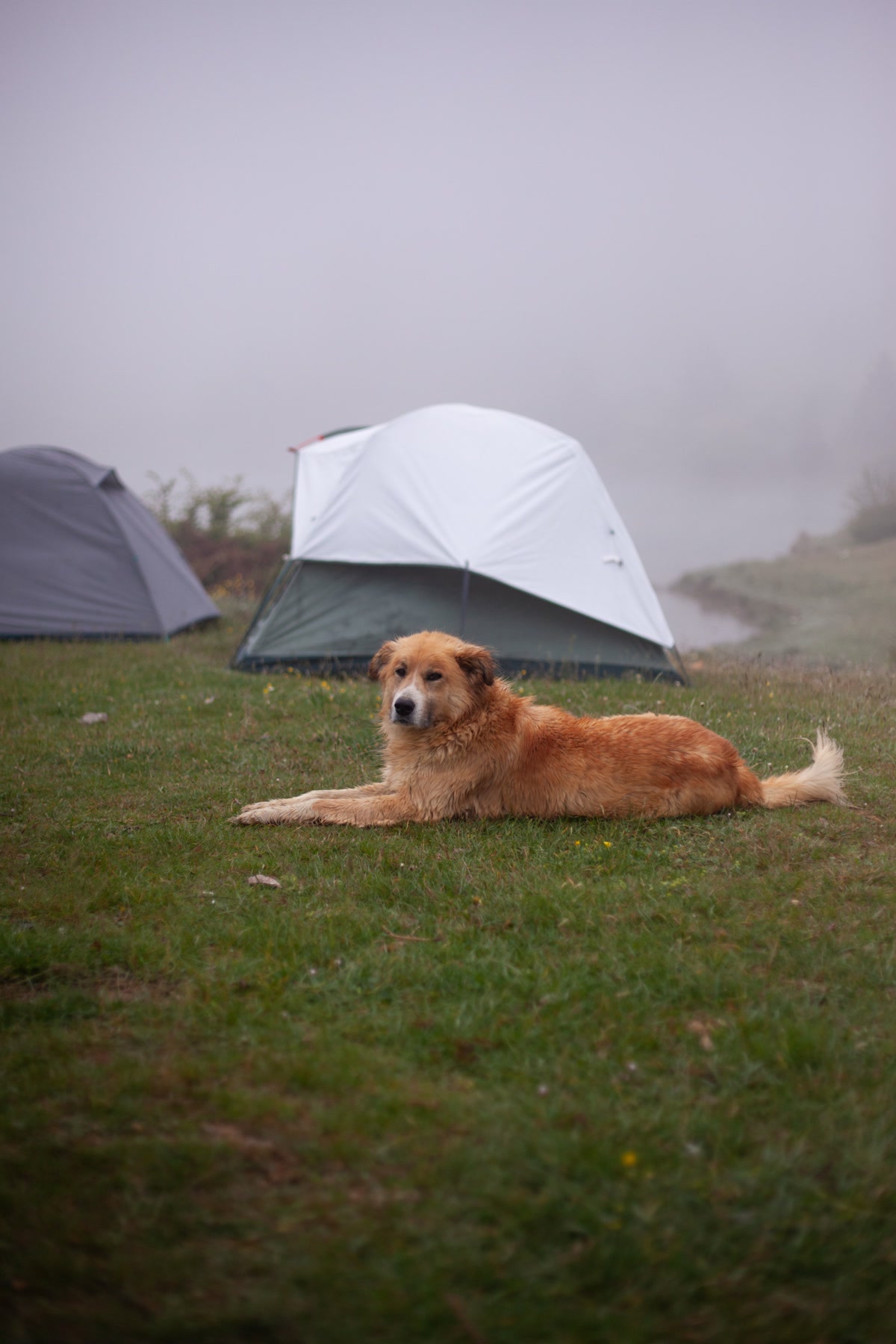
Most tents are designed for humans who stay on their sleeping pads and do not dig. Dogs introduce a completely different set of wear-and-tear factors. Here are the features that separate a dog-friendly tent from one that will need replacing after a season.
Floor Durability
The tent floor takes the most punishment from dogs. Claws, dirt tracked in on paws, and the instinctive circling-before-lying-down routine all grind away at thin nylon. Look for tents with a denier rating of 68D or higher on the floor. Polyethylene floors, found on many Coleman models, are practically bomb-proof against claws but add weight. If you choose a lightweight tent with a thin floor, bring a separate footprint or cut a piece of Tyvek to size as a protective layer.
Vestibule Space
A vestibule is the covered porch area outside the tent’s main body but under the rainfly. For dog camping, vestibules are non-negotiable. They give you a place to store muddy boots, leashes, dog bowls, and packs without bringing the mess inside the sleeping area. A tent with two vestibules is even better — one for gear, one for the dog to wait under while you get organized.
Ventilation
Dogs run hotter than humans. A tent with good cross-flow ventilation — mesh panels on multiple sides and a rainfly that can be rolled back — keeps air moving on warm nights. Poor ventilation leads to condensation, which makes everything damp and creates a distinct dog-smell that lingers in the fabric. Look for tents with high-low venting, where mesh near the ceiling lets hot air escape and ground-level vents pull cooler air in.
Floor Plan and Peak Height
Dogs do not understand the concept of conserving space. A tent that feels roomy for two humans can feel like a sardine tin when a German Shepherd stretches out sideways. Tents with rectangular floor plans and vertical or near-vertical walls give more usable space than tapered mummy-style tents. A peak height of at least 42 inches lets you sit up and helps your dog avoid bonking their head on the ceiling when they stand.
Door Configuration
Two doors make a massive difference with a dog. When your dog needs out at 3 a.m., you do not want to climb over them and your partner to reach the single exit. Side-by-side doors let each human exit on their own side, and a wide D-shaped door is easier for a dog to navigate than a narrow tunnel-style opening.
Tent Types for Camping with Dogs
The right tent type depends entirely on how you get to camp and how much weight you are willing to carry. Here is how each style stacks up for dog camping.
Car Camping Tents
If you are driving to the campsite, weight is not a concern. Car camping tents prioritize space, durability, and comfort — all things dogs appreciate. These tents often have integrated porches, screen rooms, and tall peaks that let you stand up fully. The tradeoff is packed size and weight that make them impractical for anything beyond the trunk of a car.
For dog owners, car camping tents are the easiest option. You can bring a separate dog sleeping bag, a dog pad, bowls, toys, and still have room to move. Start with our dog camping essentials checklist to pack the right gear. The wide floors and durable materials handle even the most energetic dogs without issue.
Backpacking Tents
Backpacking with a dog means every ounce matters. You are carrying your gear, the dog’s gear, and possibly sharing a pack with trail partners. Backpacking tents sacrifice interior space for weight savings, which creates the central tension of dog backpacking: your dog needs more room than the tent’s rated capacity suggests.
The standard approach is to size up. A “two-person” backpacking tent is really a one-person-plus-dog tent. A “three-person” tent works for two humans and a medium dog. This is not the place to cut corners — a cramped tent at altitude with a restless dog is a long night.
Rooftop Tents
Rooftop tents have surged in popularity, and some dog owners love them. They get you off the ground, away from critters and dampness, and set up in minutes. The downside for dogs is the ladder. Smaller dogs and older dogs may struggle with the climb, and a midnight bathroom break means carrying your dog down a ladder in the dark. If your dog is agile and under 50 pounds, rooftop tents can work well. For large breeds or senior dogs, stick to ground tents.
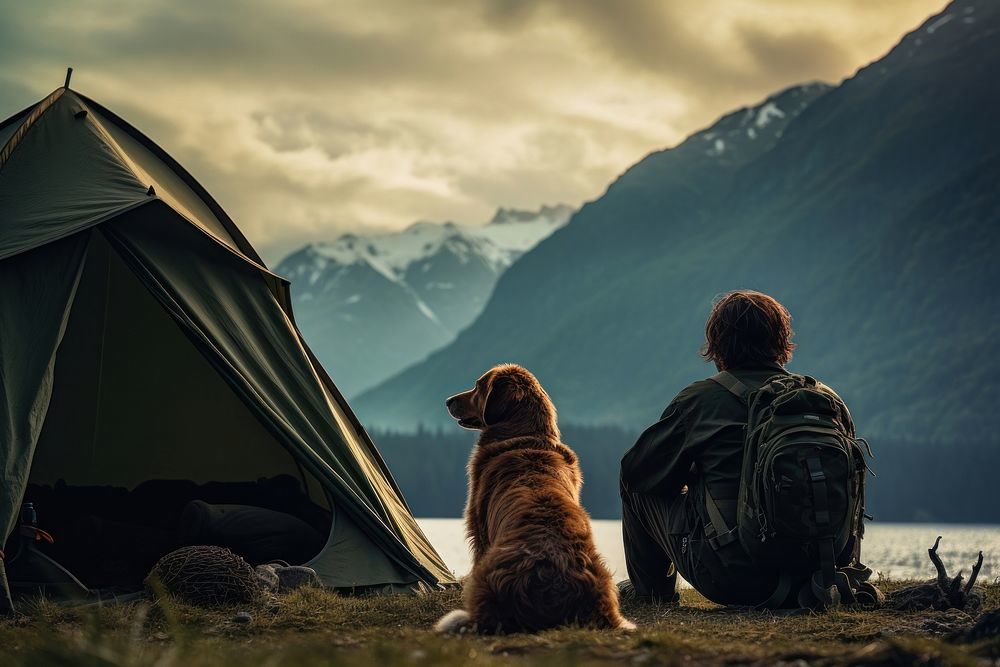
Best Dog Camping Tents: Specific Recommendations
Here are five tents that work well for dog camping, organized by use case. Each one has been evaluated for the features that matter when a dog is part of your camping crew.
Best Budget Car Camping Tent: Coleman Sundome 4-Person
The Coleman Sundome 4-Person Tent is the tent most dog owners start with, and for good reason. It costs under 100 dollars, sets up in about ten minutes, and has a polyethylene floor that can take claw abuse better than any ultralight tent on this list. The Sundome’s 9 by 7 foot floor plan gives a medium dog room to sprawl, and the 59-inch peak height means you can sit up comfortably.
The Sundome has a single vestibule, which is fine for car camping since you can always stash extra gear in the car. Ventilation comes from ground-level vents and mesh ceiling panels. It is not the lightest tent at nearly 8 pounds, but for drive-in campgrounds it is hard to beat the value. If you want even more space, the Coleman Sundome 3-Person is a slightly smaller option for solo campers with a medium dog.
Best Premium Backpacking Tent: MSR Hubba Hubba 2
The MSR Hubba Hubba 2 is the gold standard for dog backpacking. At just over 2 pounds packed, it is light enough that you will not resent carrying your dog’s food on top of your own gear. The symmetrical rectangular floor plan gives more usable space than tapered competitors, and two side doors mean you and your dog can each have an exit.
Two vestibules provide 13.5 square feet of covered storage — enough for a pack, boots, and dog bowls. The 20D nylon floor is not as claw-resistant as heavier tents, so pair it with a footprint or a piece of Tyvek. The Hubba Hubba’s cross-flow ventilation is excellent, which matters when a warm dog is generating body heat in a small space. This is the tent for serious backcountry trips where weight and weather protection both count.
Best Family and Dog Tent: Coleman WeatherMaster 6-Person with Screen Room
The Coleman WeatherMaster 6-Person Tent with Screened Porch solves one of the biggest challenges of dog camping: what to do with a muddy, wet dog at the tent entrance. The built-in screen room gives your dog a place to hang out protected from bugs and rain without bringing dirt into the main sleeping area. It is essentially a mudroom for your dog.
The WeatherMaster’s 10 by 10 foot main room sleeps a family with room for a large dog bed, and the 68-inch peak height lets most adults stand fully upright. At around 20 pounds packed, this is a car-only tent. But for families who want space, comfort, and a way to keep the dog contained at night, it is one of the best options on the market. The screen room also works as a place to store gear, feed your dog, or let them watch the campsite without wandering.
Most Durable Dog Camping Tent: Kodiak Canvas Flex-Bow Deluxe
The Kodiak Canvas Flex-Bow Deluxe 10×14 is built like a tank, and that is exactly what some dog owners need. The hydra-tech canvas walls and floor shrug off claws, and the steel flex-bow frame handles wind that would flatten a nylon dome. This is the tent for basecamp setups, extended trips, and owners of dogs who treat tents as chew toys.
The 10 by 14 foot floor plan is enormous — enough for a family, two dogs, and all your gear with room to spare. Canvas breathes naturally, so condensation is less of an issue than with synthetic fabrics. The tradeoff is weight: at roughly 68 pounds, this tent is strictly for car camping or situations where you can roll it in on a wagon or cart. For durability and dog-proofing, nothing else on this list comes close.
Best Dog Sleeping Pad: Ruffwear Highlands Pad
While not a tent, the Ruffwear Highlands Dog Pad is the most important accessory inside whatever tent you choose. A dog sleeping directly on the tent floor loses body heat to the ground and will be up and down all night. This insulated, waterproof pad gives your dog a designated spot that stays dry and warm. It packs small enough for backpacking and is durable enough for car camping.
Having a dedicated pad also keeps your dog in one area of the tent rather than wandering around all night. Dogs are den animals — give them a defined sleeping spot and they tend to stay put.
Tips for Keeping Your Dog Comfortable in a Tent at Night
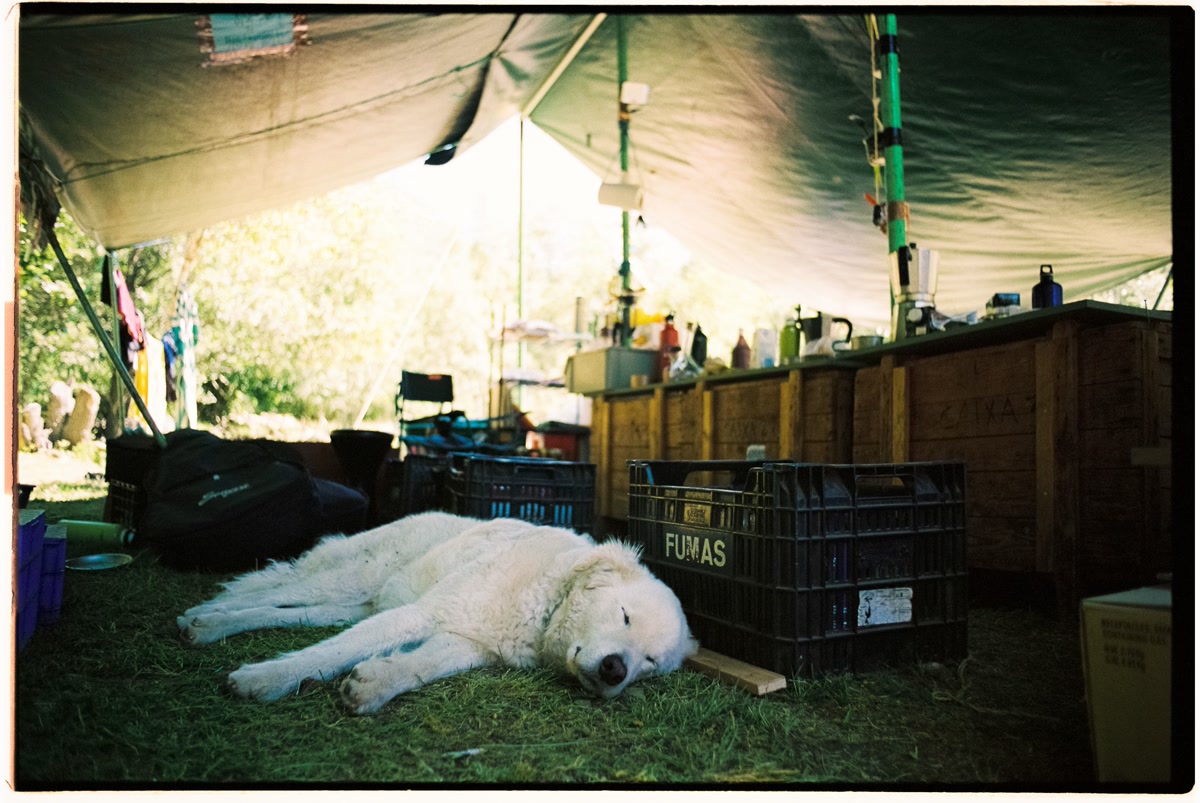
The right tent is only part of the equation. How you manage your dog inside the tent determines whether everyone sleeps or nobody does. These tips come from years of trial and error on the trail.
Bring a Dedicated Dog Pad
We mentioned the Ruffwear pad above, and it bears repeating: a dog without a pad will not sleep well. Cold ground saps body heat, and a shivering dog is a restless dog. Even in summer, ground temperatures at elevation can drop into the 40s. A pad also defines your dog’s space, which helps them settle.
Manage Temperature
Dogs do not sweat — they cool themselves through panting and their paw pads. In warm weather, leave the rainfly off or partially rolled back so air can flow through the mesh. In cold weather, a dog sleeping bag or a shared quilt keeps them warm. If your dog wears a cooling vest during the day — see this guide to the best dog cooling vests for 2026 — remove it before they get in the tent so they do not overheat.
Tire Them Out
This is the simplest and most effective tip. A dog that has hiked eight miles, swum in a lake, and explored every interesting smell around camp will sleep deeply in the tent. A dog that has been in the car all day and had a short walk around the campground will be up and down all night.
Keep Paws Clean
Mud, pine sap, and gravel dust tracked into the tent create a mess that gets everywhere. Set up a paw-cleaning routine at the tent door. Keep a small towel and a water bottle just outside the entrance. For more on keeping trail-worn paws healthy, read this guide to dog paw care on the trail.
Practice at Home First
If your dog has never slept in a tent, set it up in the backyard and spend a night there before committing to a real trip. This lets you identify problems — anxiety, claustrophobia, the inability to settle — in a low-stakes environment. Dogs that do fine in a crate usually adapt quickly to a tent, but some need a few practice runs.
Safety Considerations for Dog Camping Tents
Never Leave Your Dog Alone in a Zipped Tent
Temperatures inside a sealed tent can spike dangerously fast, even in mild weather. If you need to leave camp, either take your dog with you or leave the tent fully open with shade available. A dog left in a zipped tent can also panic and tear through mesh in minutes.
Check for Wildlife Before Letting Your Dog Exit
Raccoons, skunks, porcupines, and snakes frequent campsites. Train your dog to wait at the tent door until you check the area and give a release command. A dog that bolts out of the tent after a porcupine will ruin the trip for everyone.
Use a Tie-Out at Night
If your dog tends to chase sounds, a lightweight tie-out staked near the tent gives them a safe radius to explore without disappearing into the dark. Use a long line, not a short leash, and never leave a dog unattended on a tie-out.
Follow Leave No Trace Principles
Dog waste, spilled food, and dug-up vegetation all impact the campsite. Pack out waste, keep your dog on established trails, and respect wildlife. Following proper paw care and trail practices keeps your dog safe and minimizes your impact on the backcountry.
What I Recommend
The best dog camping tent is the one that matches your camping style and your dog’s size and temperament. For car campers who want maximum space and a built-in dog mudroom, the Coleman WeatherMaster with screen room is hard to top. Backpackers should look at the MSR Hubba Hubba 2 for its weight-to-space ratio and dual vestibules. If durability is your top priority — or you have a dog that tests the limits of every piece of gear you own — the Kodiak Canvas Flex-Bow will outlast everything else.
Whatever tent you choose, remember that the tent is just one piece of the dog camping puzzle. A good pad, a temperature management plan, and a tired dog are what actually make for a peaceful night in the backcountry. Start with the right shelter, add the right accessories, practice before you go, and you and your dog will be set up for years of camping adventures together.
GearHound is reader-supported. When you buy through links on this site, we may earn an affiliate commission at no extra cost to you.
⛺ Get Your Free Camping with Your Dog Checklist
Join our newsletter and get this free printable plus weekly tips.