This article contains affiliate links. We may earn a commission from qualifying purchases.
Some content on this site is AI-assisted and reviewed by our editorial team.
Why Your Tent Fails Before the Weather Does
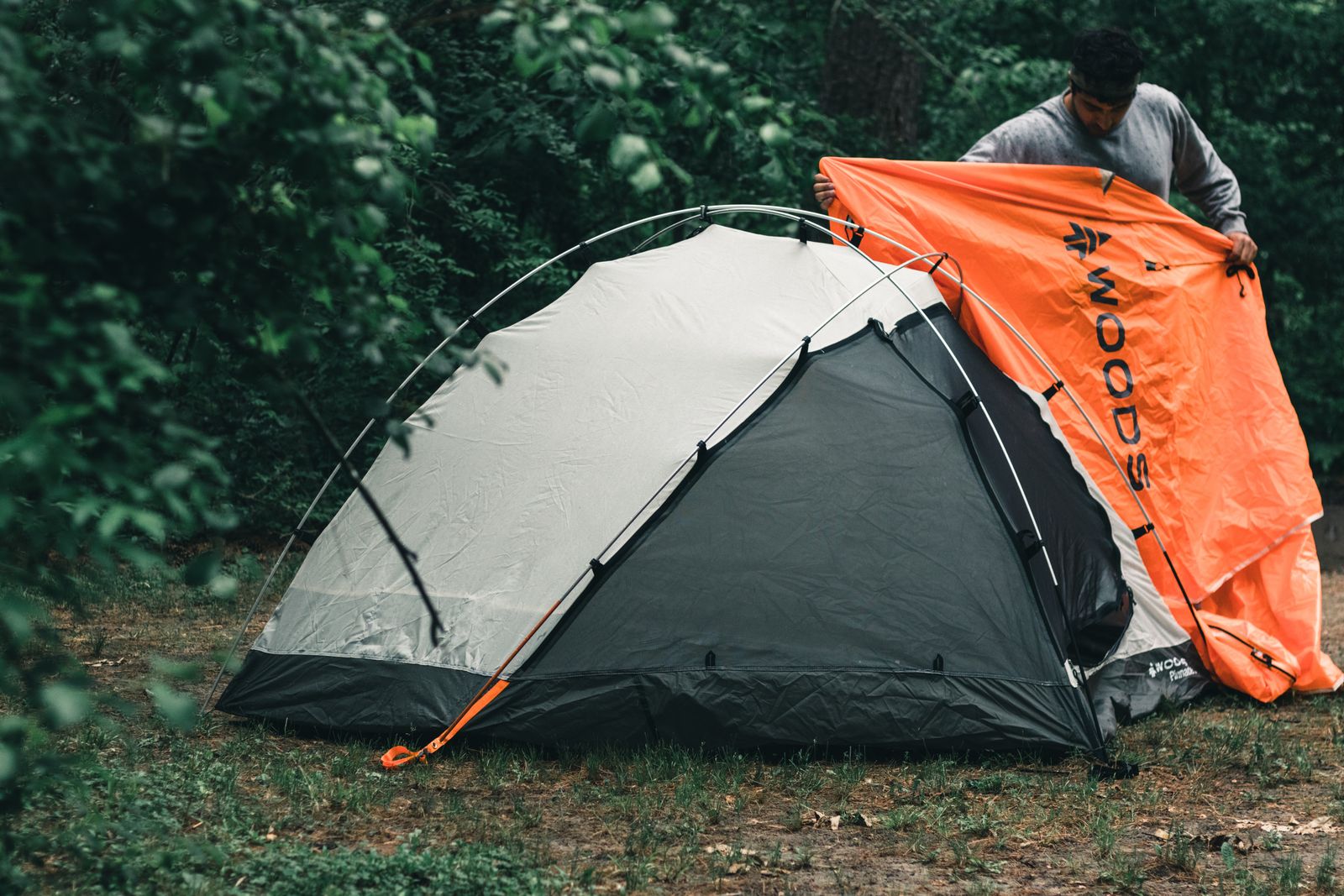
Every tent failure I’ve camped through — the guyline that let go at 2 AM, the vestibule folding into the rain, a windward corner peeling loose — started the same way: a stake gave up its grip. Nobody plans a trip around them, which is exactly how the flimsy wire hooks in the tent bag quietly sabotage good shelters. The problem is never the tent; it’s the ground interface, and fixing it costs less than a bag of marshmallows.
Pick the wrong stake for your soil and factory wind ratings mean nothing: corners lift, fabric hares out, water pools where it should shed. This guide matches stake shapes to the ground you actually camp on — hardpack, river gravel, sand, snow.
Quick picks: Sea to Summit Ground Control (about $34 for 8) · Coghlan’s 9-inch pegs (about $8 for 4) · Vargo titanium hooks (about $23 for 6) · MSR Carbon Core (about $38 for 4) · NEMO Airpin (about $10 for 2).
Sea to Summit Ground Control — Best Overall for Mixed Ground
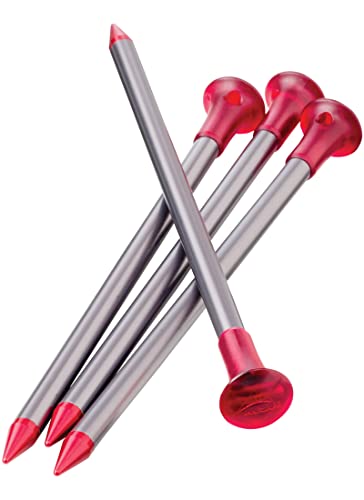
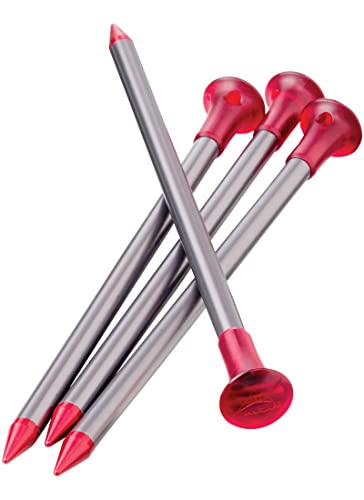
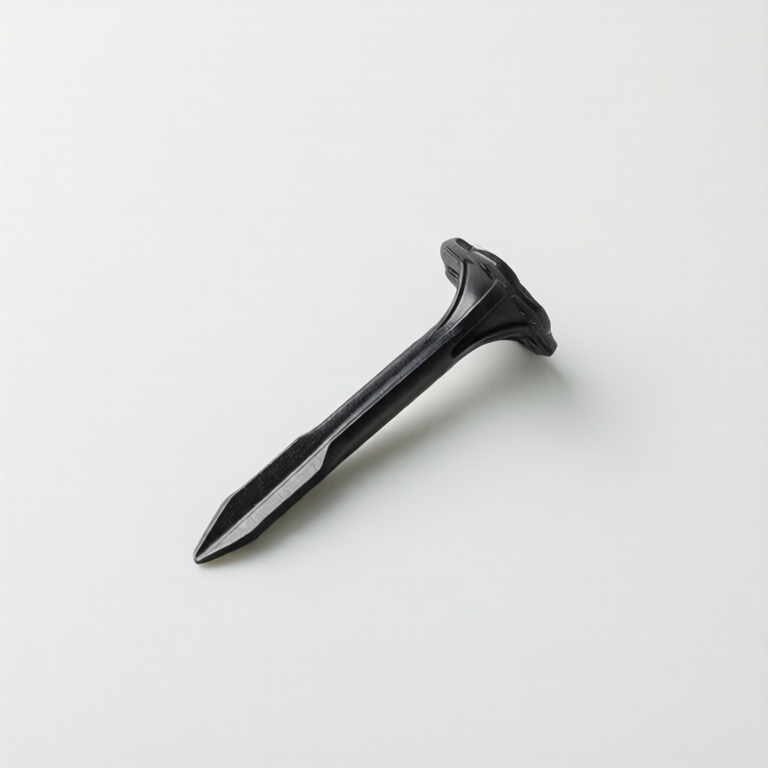
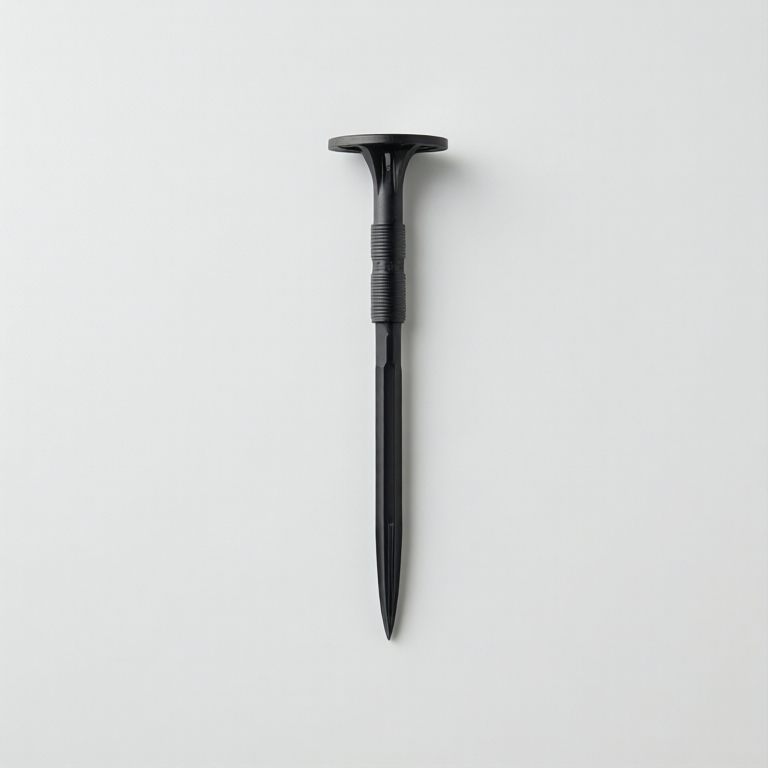
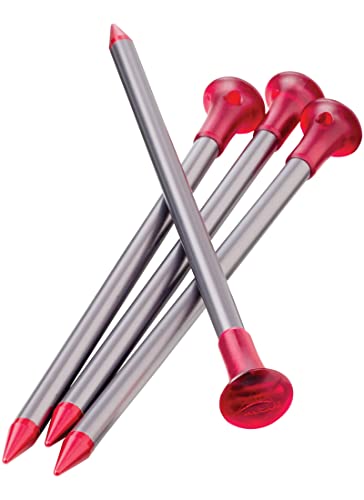
The Sea to Summit Ground Control pegs are the do-everything choice because their Y-shaped channel bites hard in exactly the soil most developed campsites are made of: compacted dirt under a skin of duff and pine needles. At about $4 a peg in the 8-pack, you get holding behavior close to the fancy brands without the sticker shock.
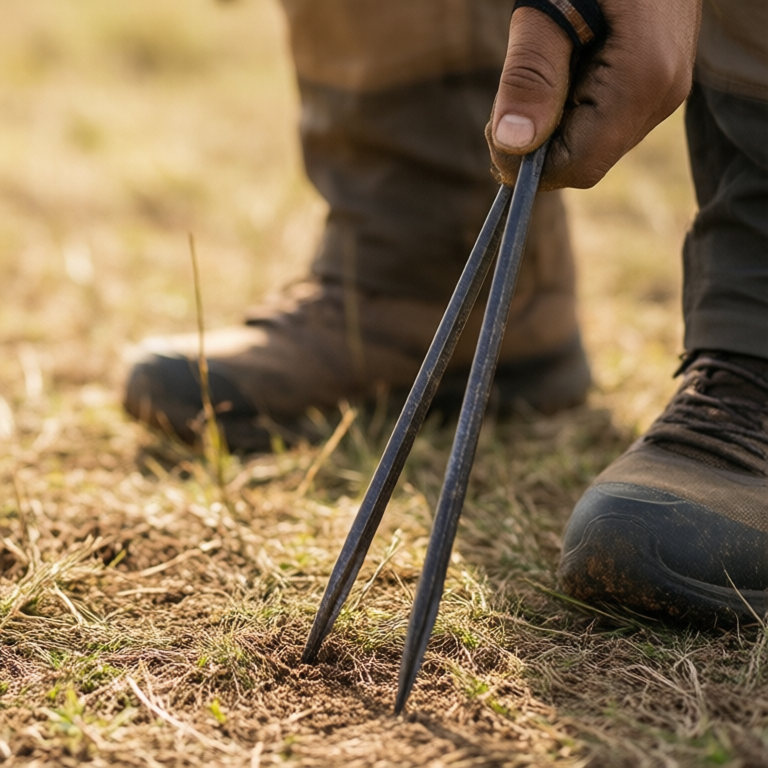
Shape matters more than branding: the Y-channel cuts soft ground like a spade, the ribs stop overnight rotation as guylines slack and retighten, and the head takes a mallet blow without mushrooming. Nothing to get wrong — the stake to hand a beginner.
Con: clay mud packs into the channel, so field-clean before repacking. In true sand they still walk; that is MSR territory below.
My take: the default stakes for anyone who camps a mix of state parks, forest sites, and everything in between — buy the 8-pack and stop thinking about pegs for years.
Coghlan’s 9-Inch Steel Pegs — Cheapest Fix That Actually Works
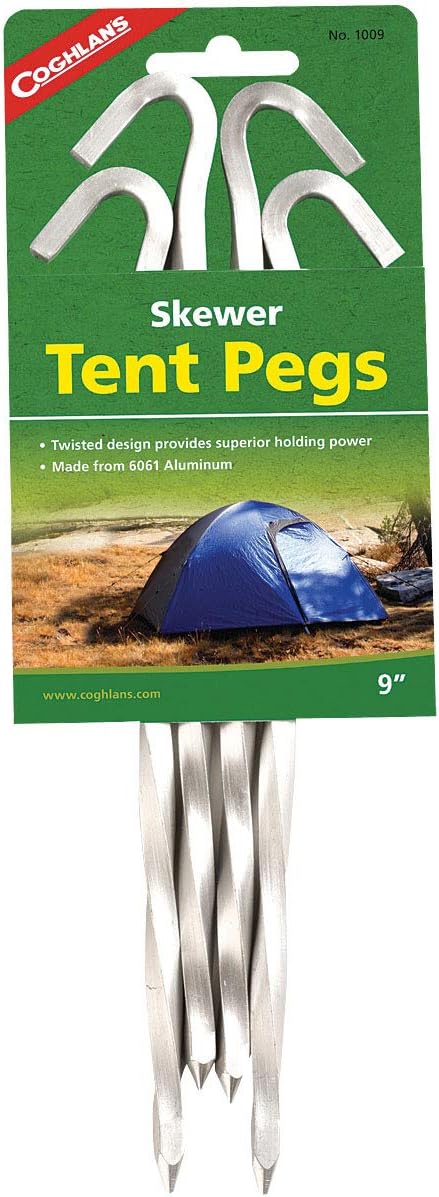
The Coghlan’s 9-inch skewer pegs run about $2 each and out-hold every wire hook a budget tent ships with — the comparison that matters here. For pocket change, your family dome stops lifting its corners in ordinary wind.
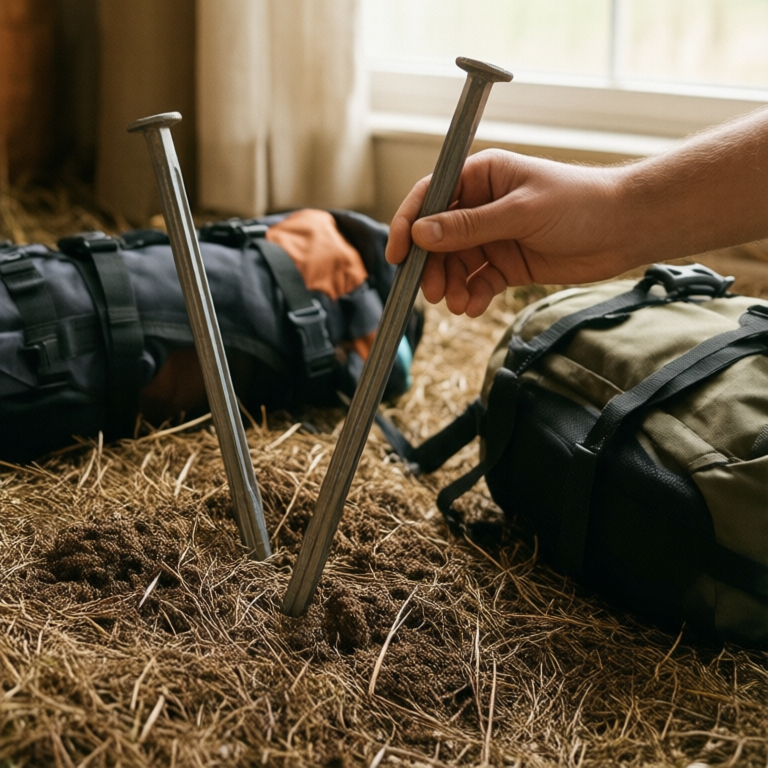
The skewer shape is the feature, not a compromise: solid steel shrugs off rock and root strikes that fold hollow aluminum, and 9 inches is the minimum I call real holding power off hardpack. Fair warnings: they rust if stored wet, they bend under a rock-hammer blow, and at this weight nobody backpacks them — campground-and-car pick by design.
My take: the first thing to buy for any tent that still came with wire hooks — the cheapest reliability upgrade in camping, full stop.
Vargo Titanium Shepherds Hooks — The Ultralight Pick Worth Its Weight
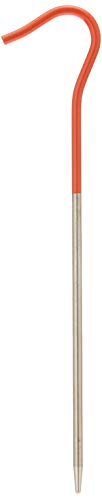
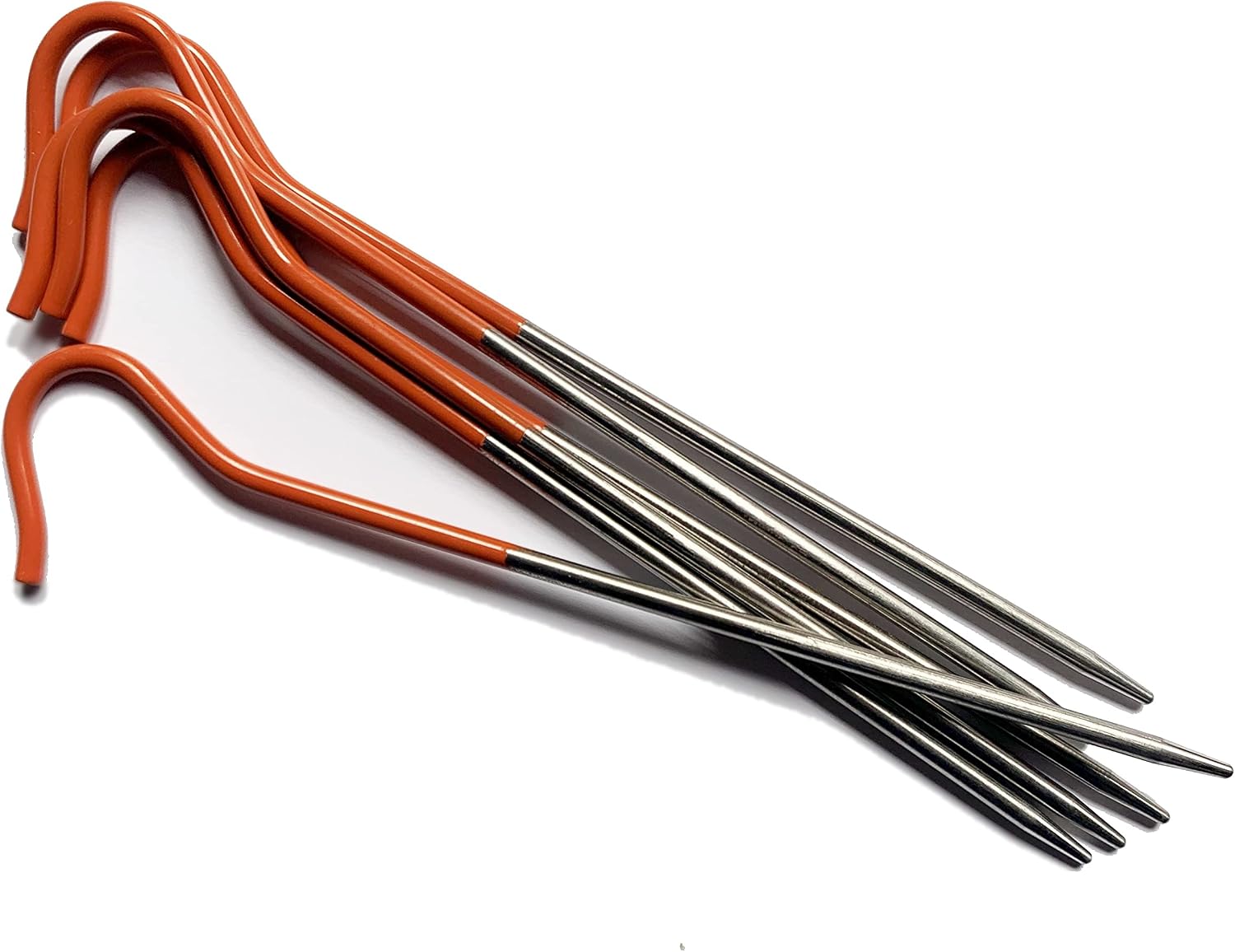
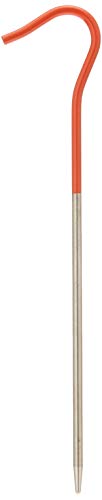
The Vargo titanium shepherds hook stakes are the classic ultralight answer: about a quarter ounce per hook, 6 in a bag at about $3.80 a stake, and the orange-anodized head is easy to find in leaf litter at dusk.
Titanium here is not a luxury; it is the strength-to-weight point that lets a hook survive angled driving in stony ground. The shape is deliberately top-heavy in holding power — it leans into the loaded side — which made it the standard for tarps and trekking-pole shelters where lines pull one way. In soft soil they hold less per stake than a Y-channel; carry one extra per corner and angle them right.
Con: the thin shaft bends under a hard rock blow, and breaking a $3.80 stake stings more than a bent $2 peg.
My take: the pickup for treeline backpacking — your knees will notice six of these leaving the pack more than they will notice almost any other single swap.
MSR Carbon Core — The Sand and Snow Answer
Pure snow, beach sand, river sandbars: no driven stake wins those grounds, and the MSR Carbon Core stakes (about $9.50 each, 4 to a pack) are built around that fact. They are 6-inch aluminum sleeves over a carbon cable, buried horizontally as a deadman anchor — holding power comes from the snow or sand packed on top, and it only grows as the storm does.
The 6-inch length bothers nobody in that job — surface area and pull-out behavior are the spec, not reach. They stack flat, and the pull-loop extraction works with a ski or a machete handle instead of a frozen dig.
Con: deadman burial is slower than driving, and in ordinary forest dirt you are paying $9.50 a stake for capability you will rarely use.
My take: buy these before your first winter-camp or beach trip, not after your tent goes for a walk across the snowfield.
NEMO Airpin — The Five-Dollar Modern Upgrade
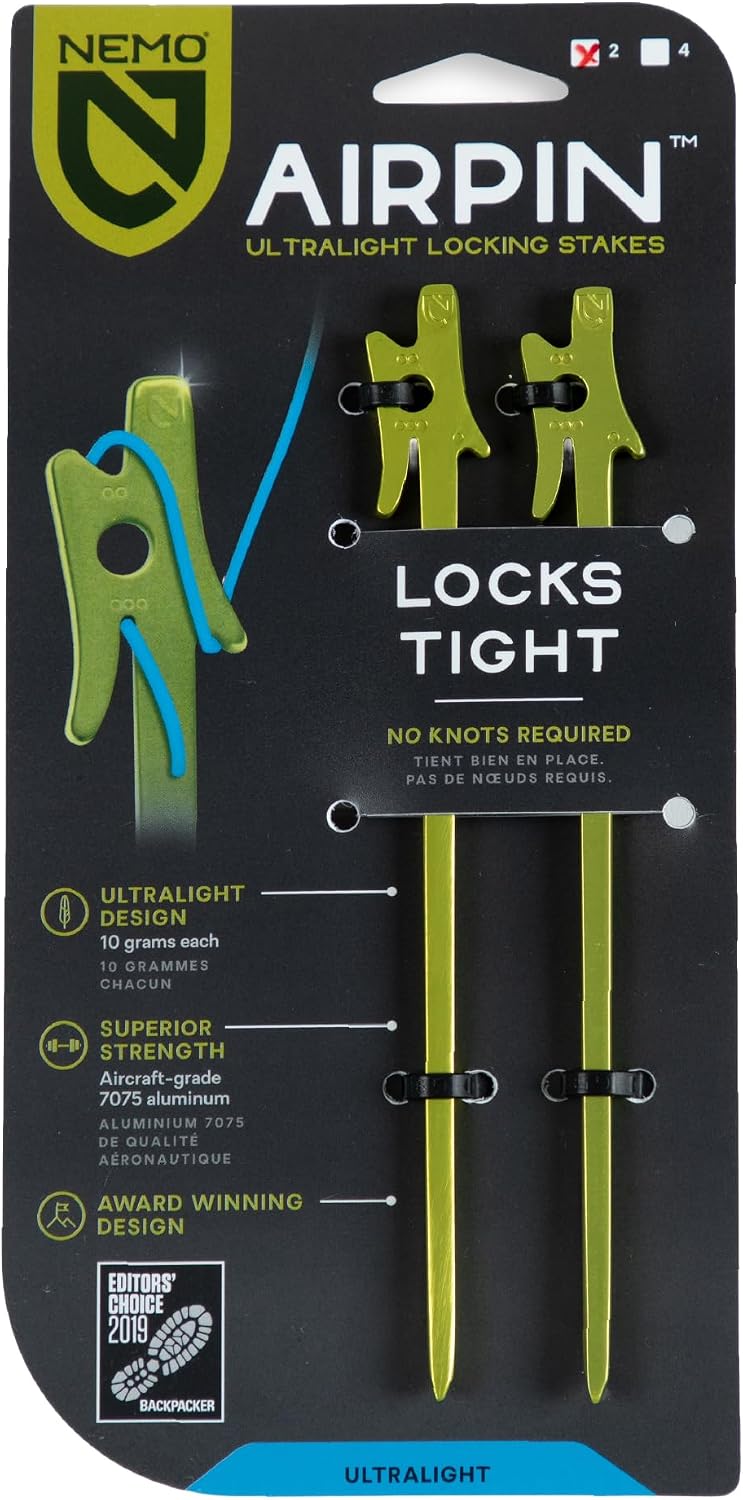
The NEMO Airpin stakes are the sleeper pick: about $5 a stake, ultralight, built with a pin running through the shaft where a lightweight hollow stake normally folds. That pin is why they take a mallet blow honestly — the second-rock-strike failure that ruins cheap light stakes is not there.
They come in odd little 2-packs because the intended use is topping up a guyline kit. For the price of a sandwich they fix the most common real complaint about ultralight stakes — light but fragile — without giving back the pack weight.
Con: two per pack is an awkward quantity for a full tent swap — and at that point the Sea to Summit 8-pack is the better campground value.
My take: the right answer for a solo or duo shelter where every gram is logged, and the cheapest genuine technology upgrade in this guide.
Features That Actually Matter (And Ones That Don’t)
- Shape beats material. A $2 Y-channel peg out-holds a $10 wire hook by a margin no alloy can make up. Y-channel for dirt, skewer for rock and roots, shepherds hook for loaded-line shelters, deadman core for sand and snow.
- Length is holding power — until it isn’t. Below 9 inches, driven stakes need better soil or more of them; above that, extra length buys less than correct angle.
- Head design is where stakes fail. A notched or ringed head keeps cord loops from sliding off in the night; a mushroomed head sheds guylines exactly when wind comes up. And drive at 15 to 20 degrees away from the tent, perpendicular to the pull — straight-in stakes walk at gusts the angled ones shrug off.
- Skip glow tips and branding. Embossed logos are marketing; the anodized Vargo head is the one cosmetic that earns its keep at dusk.
- Don’t buy plastic. Plastic pegs get brittle below freezing and shear exactly when the tent needs to stay sealed up. At $2 for steel, there is no price case.
What to Spend Where
- $8 — Coghlan’s 4-pack: the fix for any tent still shipping wire hooks. Buy this week.
- $23 — Vargo 6-pack: the backpacking upgrade, paid back in pack weight the same season.
- $34 — Sea to Summit 8-pack: the family-shelter standard; the last pegs most people buy.
- $38 — MSR Carbon Core 4-pack: only when you actually camp sand or snow.
- $10 — NEMO Airpin 2-pack: the solo-shelter or guyline top-up at trial price.
A full stake plan — 8 Ground Controls plus 4 Coghlan’s spares — runs about $42, the cheapest weather insurance in camping. Once the shelter stays put, everything from the power-station plan to the gravity water filter setup just works underneath it.
GearHound is reader-supported. As an Amazon Associate, I earn from qualifying purchases. That means if you buy through one of the links above, I get a small commission at no extra cost to you. I only recommend gear I’d actually carry into the field.
Related guides
- Best Sleeping Pads 2026: Tested and Reviewed
- Camp Griddles: Flat Tops That Feed the Whole Campsite
- One-Pound Hatchets: Camp Choppers Worth Their Weight
- Best Trekking Poles 2026: Tested and Reviewed
- Bear Canisters for Beginners: How They Work, Rent vs Buy Math
⛺ Get Your Free Camping with Your Dog Checklist
Join our newsletter and get this free printable plus weekly tips.
Frequently Asked Questions
What tent stakes work best in sand or snow?
MSR Carbon Core stakes are the pick for soft ground — they're built specifically for sand and snow, where standard wire hooks just pull out.
What is the best all-around tent stake for mixed ground?
The Sea to Summit Ground Control is the pick for mixed ground — it holds across the dirt, rock, and gravel conditions you actually encounter, instead of only excelling in one terrain type.
Are titanium shepherds hook stakes worth it for ultralight backpacking?
Yes — the Vargo Titanium Shepherds Hooks are worth their weight when every ounce in your pack counts, though like any shepherds hook design you have to drive them carefully.
Liked this guide? Get the next one in your inbox — the camp packing checklist is free too.
✓ You're in — check your inbox.
No spam. Unsubscribe anytime. We never share your email.
Prices move fast. Start your Amazon trip from our Shop & Support page and your purchases support GearHound at no extra cost to you.
Price Check
Prices verified via our product tracker. Updated Sep 27.
As an Amazon Associate we earn from qualifying purchases.