This article contains affiliate links. We may earn a commission from qualifying purchases.
Some content on this site is AI-assisted and reviewed by our editorial team.
One freeze-dried dinner pouch at REI now costs what a whole crockpot meal costs at home. Twelve dollars for a bag of pasta and powdered sauce that feeds one person — that is the “pouch tax” backpackers pay for convenience. Run the math on a season of two-day trips and you are spending $150 to $200 on dinners alone, before you count trail mix and coffee. The fix has been sitting on kitchen counters since the 1970s: a food dehydrator turns twenty bucks of groceries into a week of trail meals, and it pays for itself in about ten trips.

The math is simple, but the dehydrator aisle is not. Round towers, square boxes, steel trays, plastic trays, timers, no timers — the differences matter more than the marketing suggests. Here are four dehydrators that actually work for trail meals, picked by batch size and budget.
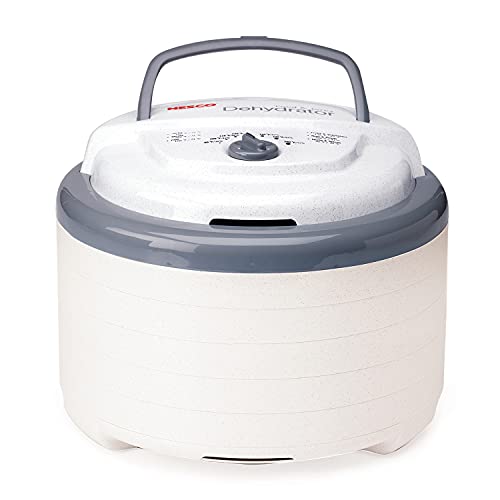
Nesco FD-75A Snackmaster Pro Dehydrator — The Classic Round Tower
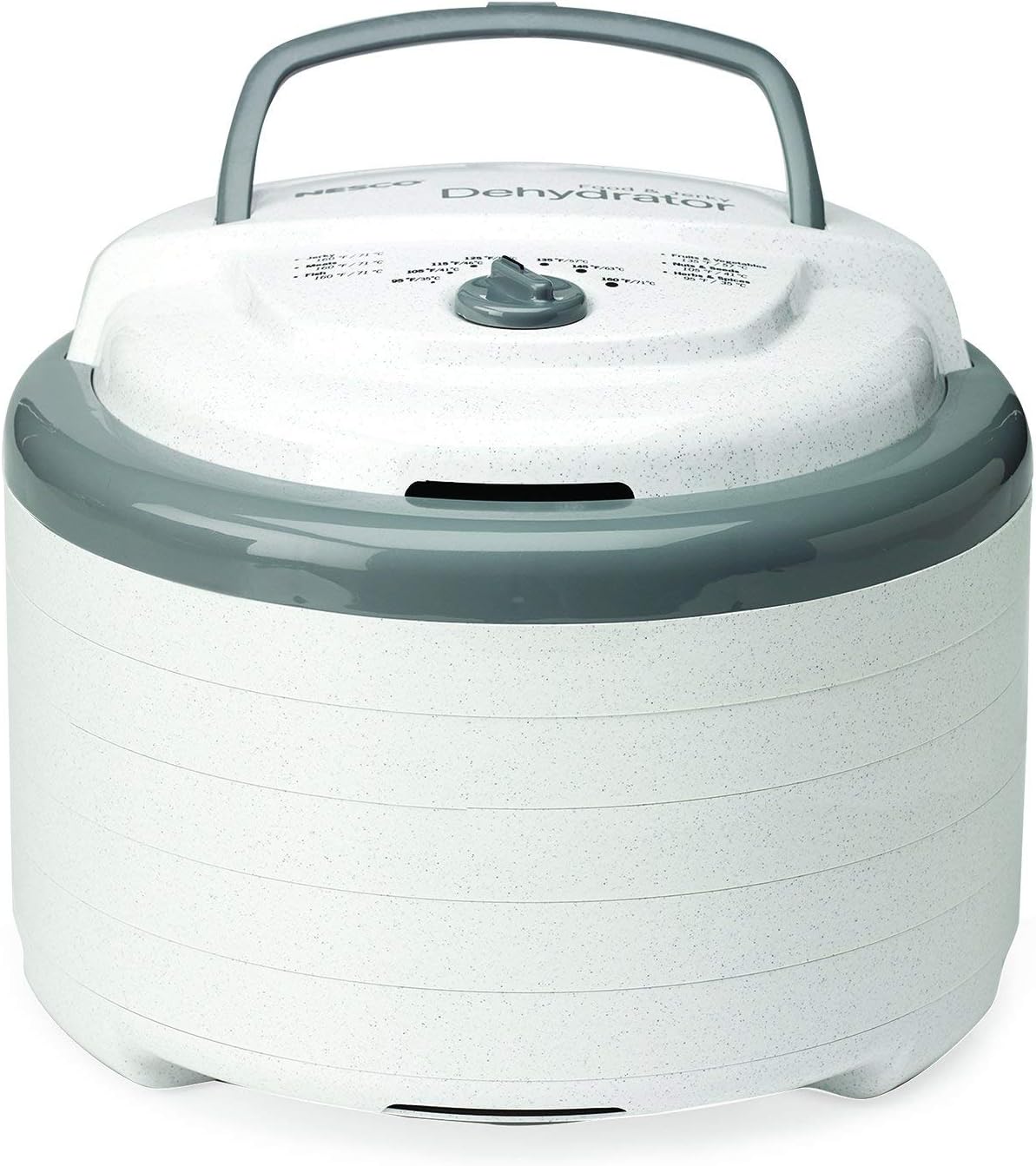
The Nesco FD-75A Snackmaster Pro is the dehydrator that dried hikers’ fruit for decades, and for good reason. It costs about $65, dries evenly with its top-mounted fan, and the add-a-tray system means you can expand from five trays up to twelve as your batch ambitions grow. The fixed heat setting (about 160 degrees) works fine for fruit, jerky, and vegetables, though you will rotate trays every few hours because the top trays run hotter than the bottom.
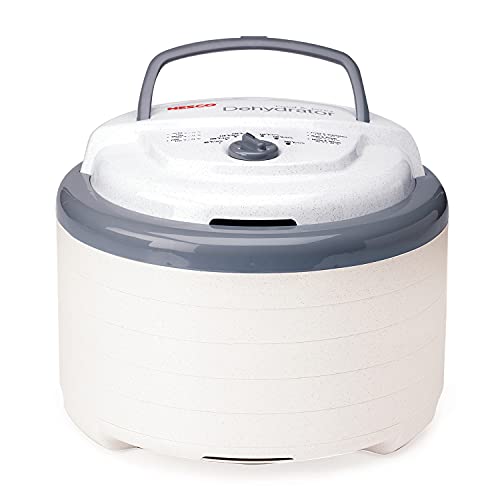
The honest catches: there is no timer, so you are setting a phone alarm and manually unplugging it. The round trays limit you to circular cuts — beef strips curl, and fruit leather needs the separate sheet accessory. And the plastic body means you can not run it as a dedicated jerky maker without the smell lingering in the plastic over time.
My take: The cheapest real dehydrator that gets the job done, and the one most backpackers should start with — just buy a smart plug to handle the timer problem.
Cosori Stainless Steel Food Dehydrator — Stainless Mid-Tier Pick
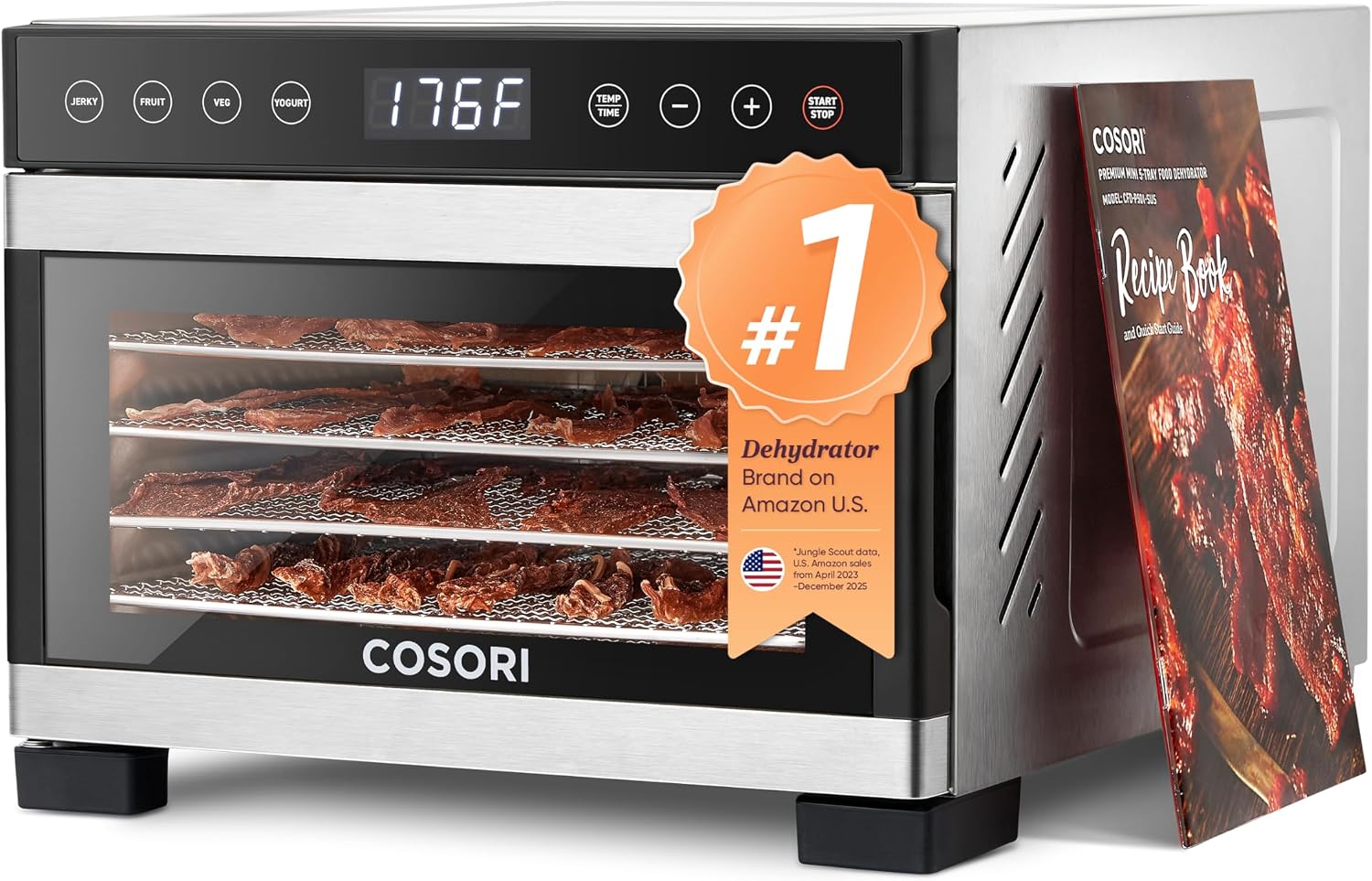
The Cosori Stainless Steel Food Dehydrator steps up to a rear-mounted fan and six stainless steel trays at about $130. The rear fan means even drying without tray rotation, and the 48-hour timer with auto-shutoff means you can load it Friday night and wake up to finished trail meals. The digital temperature control runs from 95 to 165 degrees, which gives you the low end for herbs and the high end for safe jerky.
The trade-offs: the steel trays do not nest for storage, so the machine eats counter space the rest of the year. The glass door looks premium but loses heat faster than a solid door. And at $130, you are paying double the Nesco for the convenience of a timer and even drying — worth it if you dehydrate weekly, debatable if it is a seasonal thing.
My take: The pick for someone who dehydrates jerky regularly and wants to set it and forget it — the timer alone justifies the premium over the Nesco.
Excalibur 3926TB 9-Tray Dehydrator — The Big-Batch Overkill
The Excalibur 3926TB is the rear-horizontal-fan standard that serious jerky makers and fruit-leather operations swear by. Nine trays give you 15 square feet of drying space — enough to turn a bulk Costco run into two weeks of trail food in one session. The adjustable thermostat runs 95 to 165 degrees, and the rear fan means no tray rotation even on a full load. The 26-hour timer handles most batches, and the polycarbonate trays are dishwasher-safe.
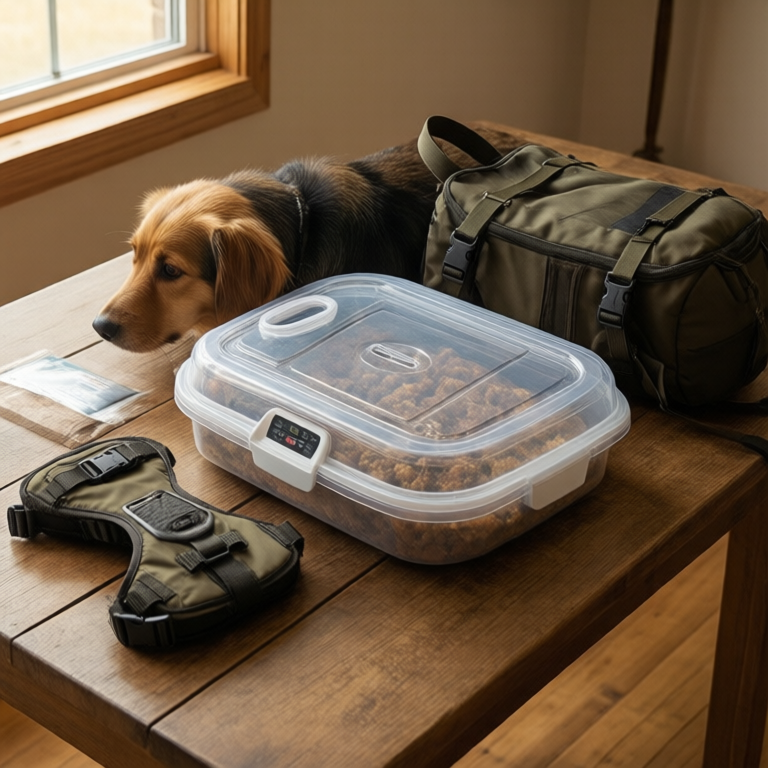
The honest catches: it costs real money — expect $300 or more — and the footprint is 17 by 15 inches, which is a permanent counter commitment or a closet-dweller the 50 weeks you are not dehydrating. The fan is also noticeably louder than the Cosori or Nesco, which matters if your kitchen shares a wall with a bedroom.
My take: Buy it if you are feeding a family of backpackers or prepping trail food for a group trip — otherwise it is more machine than one person needs.
Magic Mill 5-Tray Stainless Dehydrator — Budget Steel Option
The Magic Mill 5-Tray Stainless Dehydrator splits the difference between the Nesco and the Cosori at about $80. You get stainless steel trays, a rear-mounted fan, and a digital timer with auto-shutoff — features that usually cost double. The temperature range of 95 to 158 degrees covers everything except the highest-heat jerky settings, and the see-through door lets you check progress without losing heat.
The trade-offs: the door latch is fiddly and takes a firm push to seal properly, and the beep when a cycle finishes is loud enough to hear from two rooms away. The trays are sturdy but the mesh screens are thin and can warp if you scrub them hard. Build quality is a notch below the Cosori, which is fair given the price gap.
My take: The best value if you want stainless trays and a timer without paying Cosori money — just test the door latch before you trust it for an overnight run.
Prime members get free two-day shipping on most dehydrators. Not a member yet? Grab a free 30-day Prime trial and your dehydrator lands before next weekend’s trip.
Features That Actually Matter (And Ones That Do Not)
Timer with auto-shutoff: The single most useful feature. Without it, you are setting phone alarms and unplugging manually. Every dehydrator in this guide except the Nesco has one.
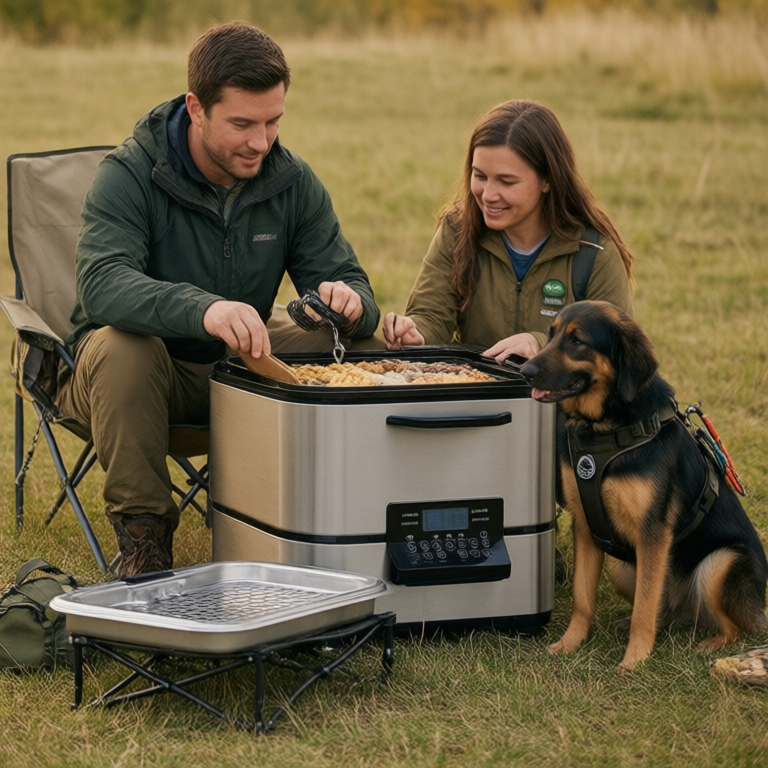
Rear-mounted fan: Eliminates tray rotation. Top-mounted fans (Nesco) dry the top trays faster. Not a dealbreaker, but rear fans save you 20 minutes of babysitting per batch.
Stainless vs. plastic trays: Steel does not absorb odors, which matters if you dehydrate both jerky and fruit. Plastic is lighter, cheaper, and fine if you are not mixing savory and sweet.
Temperature range: You need 160 degrees or higher for safe jerky. Anything below 130 is herbs-only. Most dehydrators cover the full range, but check the spec — some budget models cap at 140.
Tray expansion: The Nesco’s add-a-tray system is genuinely useful. Starting with five trays and expanding to twelve means you grow the machine as your batch sizes increase, without buying a whole new unit.
What to Spend Where
- Weekend backpacker (2 to 4 trips per season): Nesco at about $65. Pays for itself in about 8 trips, and the fixed heat is fine for fruit, vegetables, and basic jerky.
- Regular dehydrator (weekly batches): Cosori at about $130. The timer and even drying save time every single batch, and the steel trays handle jerky without lingering smells.
- Group trip or big-batch prep: Excalibur at $300 or more. One session replaces a month of pouch buying, but only if you are feeding multiple people.
- Value pick (steel plus timer): Magic Mill at about $80. Gets you 80 percent of the Cosori’s features at 60 percent of the price.
Keep reading: If you are already shopping trail food, our Peak Refuel vs Mountain House cost breakdown runs the pouch math that makes a dehydrator worth it. And once you are cooking real meals at camp, the $20 collapsible camp sink handles the cleanup end.
GearHound is reader-supported. As an Amazon Associate, I earn from qualifying purchases. That means if you buy through one of the links above, I get a small commission at no extra cost to you. I only recommend gear I’d actually carry into the field.
⛺ Get Your Free Camping with Your Dog Checklist
Join our newsletter and get this free printable plus weekly tips.
Frequently Asked Questions
How long do dehydrated trail meals keep?
Properly dried and stored in airtight bags with oxygen absorbers, most trail meals keep 6 to 12 months at room temperature. Meat-based meals last closer to 6 months; fruits and vegetables can go a year. Freeze them and you double the shelf life.
Is a dehydrator cheaper than buying freeze-dried meals?
Yes, after about 10 to 15 trips. A $65 dehydrator plus $20 of groceries makes 20 to 30 trail meals, while the same number of freeze-dried pouches costs $200 to $360. The break-even point is roughly one season of weekend trips.
What foods should beginners dry first?
Start with fruit — apples, bananas, and strawberries are forgiving and snackable. Move to ground beef and sauces once you trust the temperature settings. Avoid high-fat foods like avocado and cheese, which go rancid instead of drying.
Liked this guide? Get the next one in your inbox — the camp packing checklist is free too.
✓ You're in — check your inbox.
No spam. Unsubscribe anytime. We never share your email.
Prices move fast. Start your Amazon trip from our Shop & Support page and your purchases support GearHound at no extra cost to you.