This article contains affiliate links. We may earn a commission from qualifying purchases.
Some content on this site is AI-assisted and reviewed by our editorial team.
Best Hiking Gaiters 2026: Keep Rocks, Mud, and Snow Out of Your Boots
By GearHound
The first time I wore gaiters on a hike, I was skeptical. They looked like oversized socks that went on the outside of my boots. But after a day of post-holing through wet snow and coming home with dry feet and clean socks, I was converted. Gaiters are one of those pieces of gear you do not appreciate until you have hiked without them and suffered the consequences — gravel in your boots at mile 3, soaked socks from a creek crossing, snow packed into your laces.
Here is what actually matters when choosing gaiters, and which ones I would buy for different types of hiking.
What Gaiters Actually Do
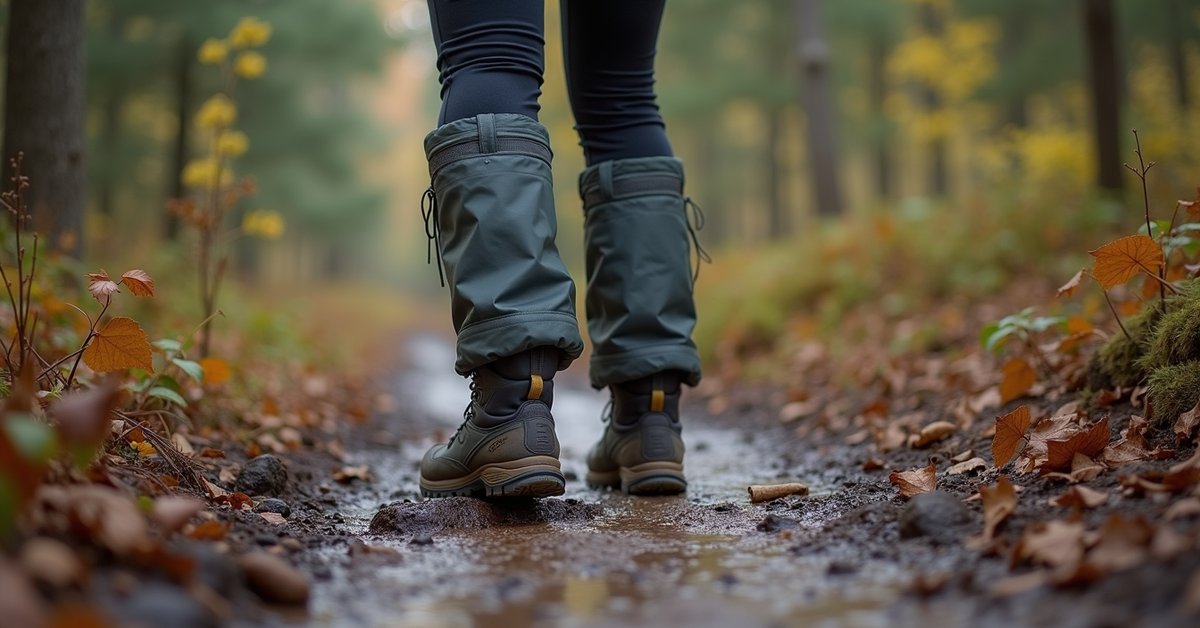
Gaiters seal the gap between your boot and your pants. They keep out debris (rocks, sand, twigs), water (creek crossings, rain, wet grass), and snow. They also protect your boot uppers from abrasion on rough terrain.
There are three main types:
- Short/ankle gaiters — 6-8 inches, just cover the ankle and top of the boot. Best for trail running and dry hiking where debris is the main concern.
- Mid-calf gaiters — 10-15 inches, cover up to mid-calf. Best for general hiking, creek crossings, and shoulder-season conditions.
- Full-height gaiters — 15-18 inches, cover up to the knee. Best for snow, deep mud, and serious off-trail travel.
The right height depends on when and where you hike. If you are mostly on maintained trails in summer, ankle gaiters are fine. If you hike in spring or fall, cross creeks, or deal with snow, you want mid-calf. For winter and off-trail, go full height.
What to Look For
- Material: GORE-TEX or similar waterproof-breathable fabric for wet conditions. Lightweight nylon or stretch-woven fabric for dry conditions where debris is the main concern.
- Closure system: Hook-and-loop front closure is standard and reliable. Some ultralight gaiters use elastic or zip systems — lighter but less secure.
- Boot strap: A strap that goes under your boot arch keeps the gaiter from riding up. Look for replaceable straps — they wear out before the gaiter does.
- Top closure: Elastic, drawcord, or buckle. Elastic is simplest and works for most hiking. Drawcord gives a tighter seal for deep snow.
The Pick I Recommend to Most People
Outdoor Research Crocodile Gaiters
The OR Crocodile is the most recommended gaiter in hiking for a reason. GORE-TEX fabric, 1000-denier Cordura boot section, replaceable arch strap, and a snug hook-and-loop closure. They are built to last — I have seen pairs that have been through five seasons of regular use and are still going.
The fit is adjustable enough to work over most hiking boots, and the 3/4-inch webbing strap holds up better than the thin cord straps on cheaper gaiters. If you hike in any kind of wet or snowy conditions, these are the ones to get.
The downside: they are warm. In summer hiking on hot trails, your lower legs will sweat. For summer use, look at the Helium instead.
Compare current prices on Amazon
For Hot Weather and Trail Running
Outdoor Research Helium Gaiters
The Helium is the lightweight, breathable alternative to the Crocodile. Made from Pertex Shield fabric instead of GORE-TEX, they weigh about 2 ounces per pair and pack down to the size of a fist. They are not fully waterproof, but they shed light rain and keep debris out effectively.
I use these for summer trail running and dry-condition hiking. They are barely noticeable on your feet — no warmth, no bulk, no restriction. The trade-off is durability: the fabric is thin and will tear on sharp rocks if you are doing serious bushwhacking. For maintained trails, they are perfect.
See price and reviews on Amazon
The Versatile Mid-Range Option
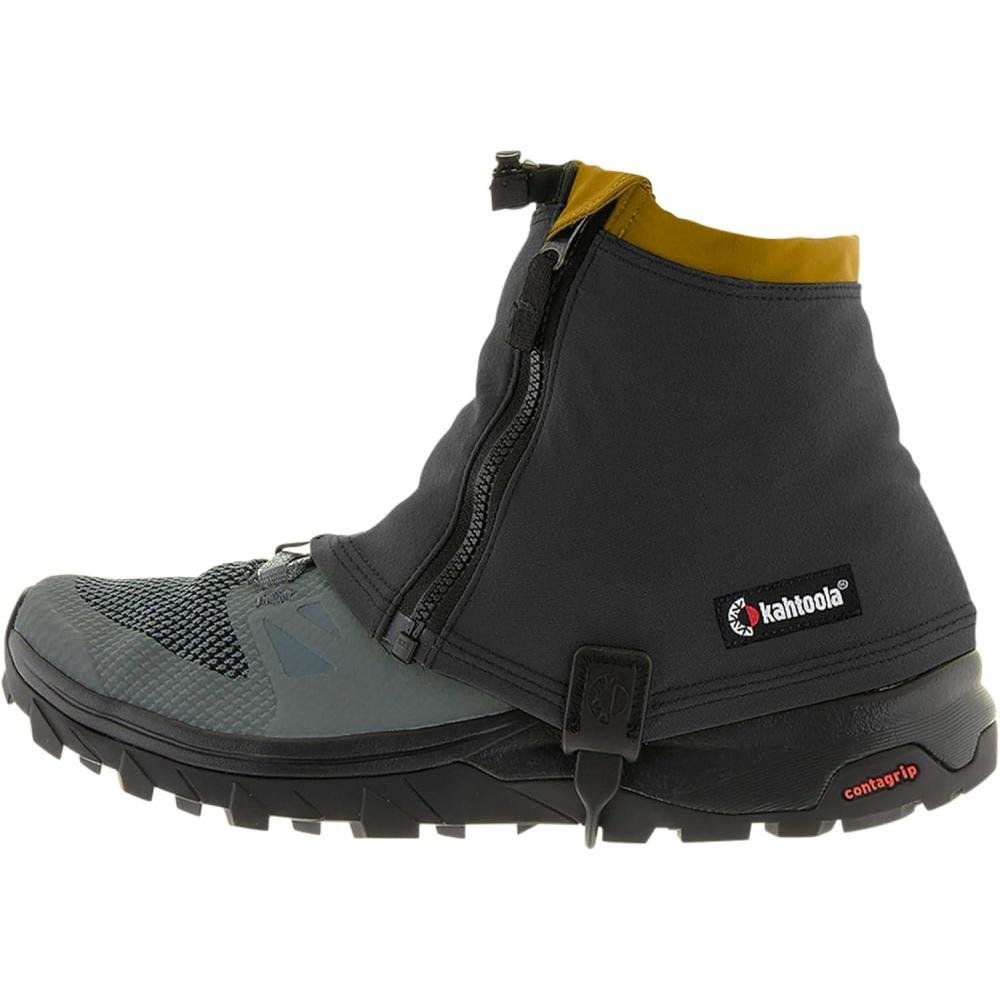
Kahtoola RENAgaiter Mid
The RENAgaiter sits between the Crocodile and the Helium — more durable than the Helium, more breathable than the Crocodile. Made from a stretch-woven nylon with a DWR coating, it is water-resistant but not fully waterproof. For hiking in mixed conditions — creek crossings, morning dew, occasional rain — it hits a good balance.
The fit is snug and the hook-and-loop closure is secure. The arch strap is thicker than most, which means it lasts longer and does not dig into your boot sole. Kahtoola makes good gear — these are well thought out.
For Ultralight Backpackers
Kahtoola INSTAgaiter Mid
If you are counting ounces, the INSTAgaiter weighs just 3 ounces per pair. It is made from a stretch-woven nylon that is surprisingly tough for its weight. The closure system uses a hook-and-loop front with an elastic top — no buckles, no fiddling. Slip them on, press the velcro shut, and go.
These are not waterproof. They are debris blockers. If your main problem is rocks and sand getting into your trail runners, these solve it without adding weight or warmth. For anything beyond dry conditions, step up to the RENAgaiter or Crocodile.
Check the latest price on Amazon
For Snake Country
QOGIR Snake Guard Gaiters
If you hike in snake country — and plenty of dog hikers do, especially in the southwest and south — regular gaiters will not protect you from a bite. The QOGIR Snake Guard is made from 1000-denier nylon with puncture-resistant construction designed specifically to stop snake fangs.
They are taller than hiking gaiters (knee-height) and heavier. The fit is adjustable and they work over hiking boots or snake boots. If you are hiking with your dog in rattlesnake territory, these give you peace of mind that regular gaiters cannot match. Your dog still needs paw protection — snake gaiters protect you, not them.
How to Fit Gaiters
Gaiters seem simple, but a bad fit causes problems. Here is how to get it right:
- Match the gaiter height to your boot height. Ankle gaiters with low-cut trail shoes, mid-calf with mid-cut hiking boots, full-height with tall backpacking boots. A gaiter that extends above your boot top but has a loose fit will let water and debris in anyway.
- Route the arch strap correctly. The strap goes under the arch of your boot, not under the heel. If it is under the heel, it will wear through in a day and your gaiter will slide up.
- Snug the top closure. You should not be able to fit a finger between the gaiter and your leg. Loose top = debris inside.
- Check the front closure. The hook-and-loop should be fully pressed shut. A gap at the bottom is where water gets in during creek crossings.
What I Recommend
For most hikers: OR Crocodile Gaiters. They are the standard for a reason — durable, waterproof, and they just work. If you hike in warm conditions or on maintained trails, the OR Helium is lighter and cooler. For a do-everything middle ground, the Kahtoola RENAgaiter is a solid choice.
If you hike with your dog in snake country, the QOGIR Snake Guard is worth the weight. Regular gaiters will not stop a rattlesnake.
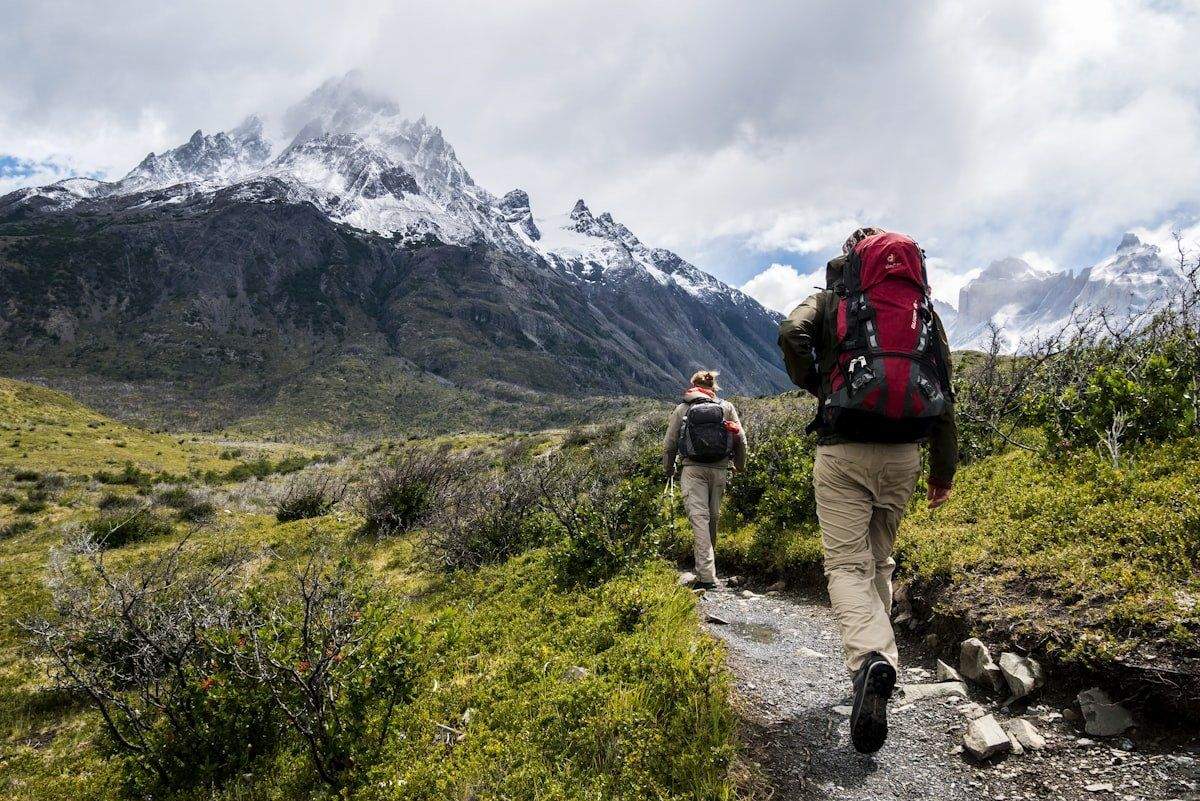
The best gaiters are the ones you actually wear. They sit in your pack for the hikes where you do not need them, and you are grateful for them on the hikes where you do.
For more trail gear, see our guides to hiking boots and trekking poles. Or browse all our camp gear guides.
GearHound is reader-supported. When you buy through links on this site, we may earn an affiliate commission at no extra cost to you.
⛺ Get Your Free Camping with Your Dog Checklist
Join our newsletter and get this free printable plus weekly tips.
Price Check
Prices verified via our product tracker. Updated Sep 27.
| Amazon.com: Outdoor Research Men’s Helium Leg Gaiters – Br | $89.00 | 4.0★ |
| Amazon.com: Kahtoola RENAgaiter Mid Gaiters for Hiking, Tr | $64.95 | 4.4★ (199) |
| Amazon.com: Kahtoola INSTAgaiter Mid Gaiters for Hiking, T | $54.95 | 4.4★ (180) |
| Amazon.com: QOGIR Snake Guard Protection Chaps, Snake Bite | $59.99 | 4.5★ (330) |
As an Amazon Associate we earn from qualifying purchases.