This article contains affiliate links. We may earn a commission from qualifying purchases.
Some content on this site is AI-assisted and reviewed by our editorial team.
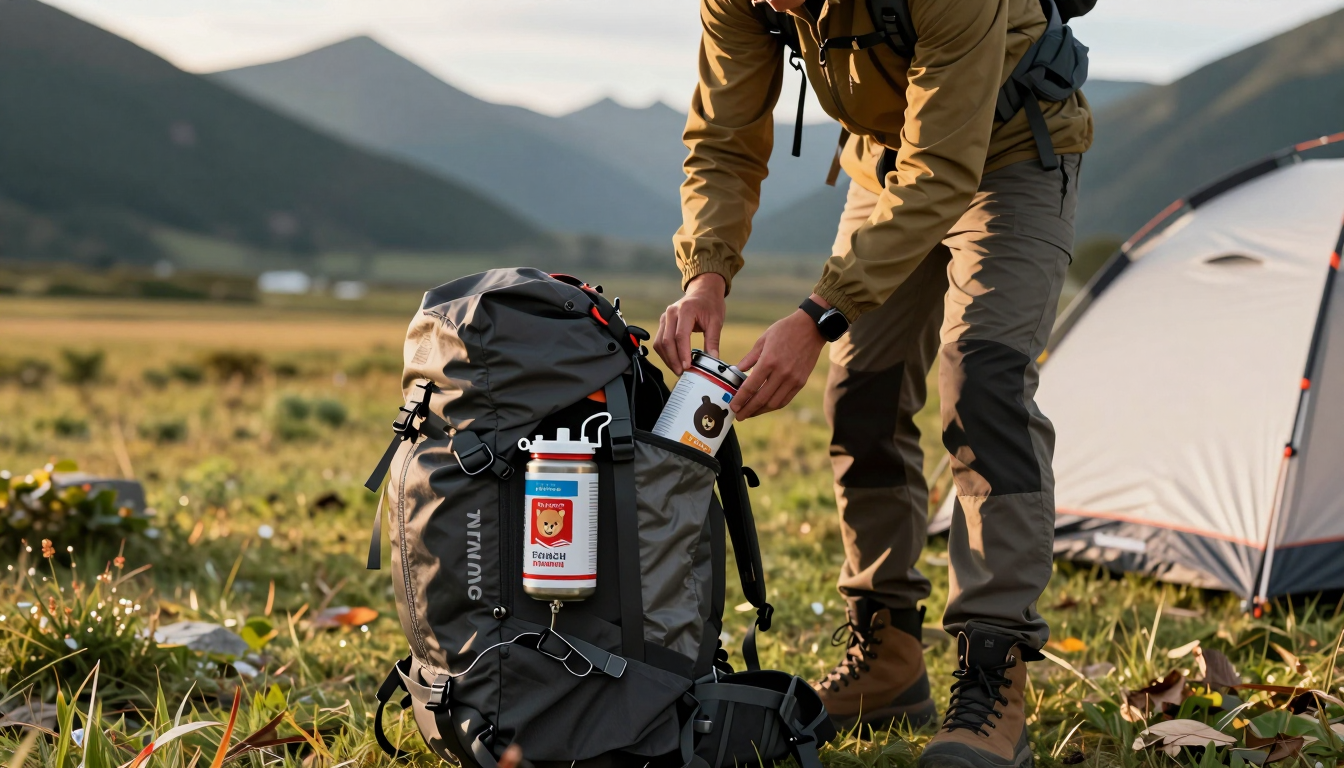
Three years ago I blew $85 on a bear canister I couldn’t close properly, then spent 40 minutes at a trailhead repacking it in front of a ranger who watched the whole thing. If you’re shopping for a bear canister for beginners, the good news is you don’t need to repeat my mistake — most first trips need one of five canisters, and the right pick costs between $75 and $100. This guide covers what IGBC certification actually means, how many liters you need per night, and the packing trick that makes the lid close on the first try.
What IGBC Certification Actually Means (and Why Rangers Check)
- IGBC (Interagency Grizzly Bear Committee) testing means the canister survived a grizzly tampering test — roughly one hour of pounding, biting, and rolling by a live bear.
- Required or strongly recommended in Sequoia/Kings Canyon, Yosemite backcountry, John Muir Trail, Enchantments, and most Adirondack high peaks.
- Rangers at trailheads in these areas do physical canister checks — they’ll ask you to open and close it on the spot. A canister that won’t shut fails the check.
- Soft bags, Ursack-style sacks (without rigid liners), and odor-proof bags alone do not pass in most of these jurisdictions.
My take: 90% of beginner failures at ranger checks come from overpacking, not from buying the wrong brand.
Packing Technique: Making the Lid Actually Close
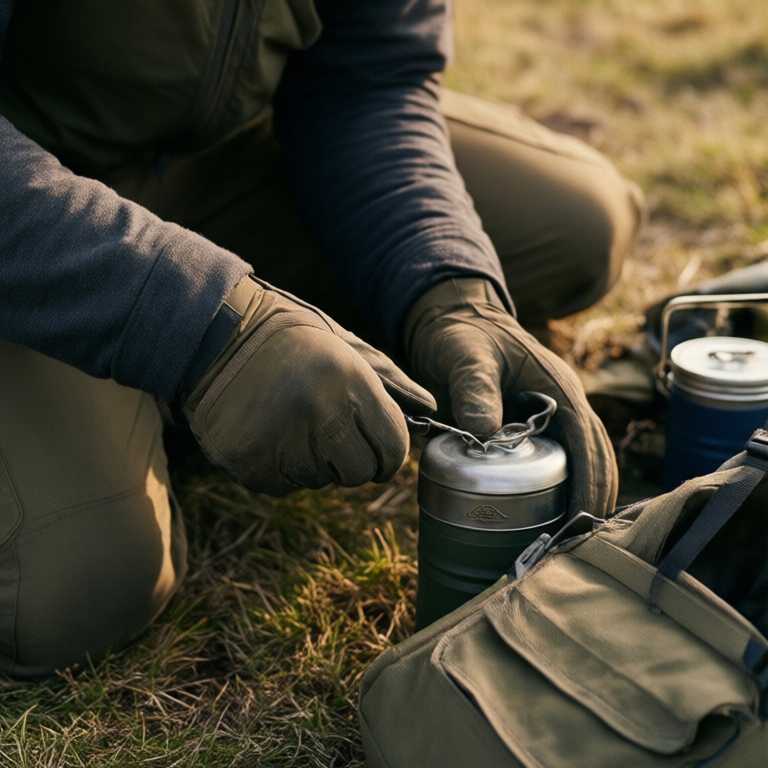
- Repackage food into zip bags and remove all retail boxes — this alone cuts food volume by 20–30%.
- Load heaviest items first at the bottom, fill gaps with soft items like tortillas, and never force the lid — if it resists, remove one item.
- Keep out what regulations allow: some areas permit carrying toothpaste and sunscreen outside the canister in a sealed bag hung 10–15 feet away; check locally, because Yosemite does not.
- Test the full close-and-latch at home, loaded, before the trailhead — this is the 10-minute drill that prevents the ranger-check fail.
My take: A 15-minute repack session at home saves you a 40-minute trailhead repack, which is exactly how I lost an hour on trip one.
Beginner Mistakes
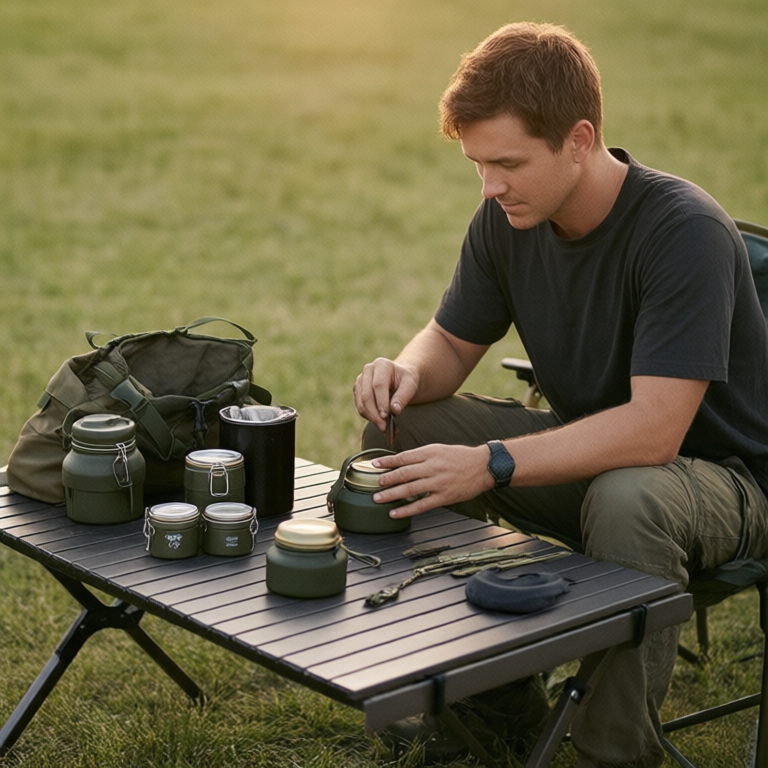
- Buying too big. A 12L canister for a 2-night trip wastes 15+ oz and tempts you to bring junk food you didn’t need.
- Not testing the lid at home. Roughly 1 in 5 first-timers shows up with a canister they can’t close under load.
- Storing the canister near your tent at night. Place it 100 feet from camp, downwind, never inside the vestibule.
- Assuming a bear bag hang counts. In most required-canister zones, hangs are explicitly not accepted — you’ll be turned around at the permit desk.
The Money Math
- Budget setup: one $80 Garcia canister, used for 6 trips a season for 3 years = 18 uses, or about $4.45 per trip.
- Rental comparison: 18 rental days at $4/day = $72, plus roughly 6 hours of pickup/return errands.
- Factor in resale at $45 and your true cost drops to about $1.95 per trip.
- Compare that to one $110 fine or a denied permit in a required-canister zone — the canister pays for itself the first time you pass the check.
My take: Over three years, owning beats renting by roughly $30–$50 and saves you a full day of errands.
As an Amazon Associate I earn from qualifying purchases.
Related reading:
- Bear Canisters: Food Storage That Passes the Ranger Check
- Best Bear Canisters 2026: IGBC-Certified Food Storage for Backpackers
Related guides
- Best Backpacking Sleeping Pads 2026: Tested, Reviewed, and Ranked
- Best Camp Chairs 2026: Tested and Ranked for Every Budget
- Best Portable Camping Fans 2026: Rechargeable Fans That Actually Cool Your Tent
- Trail Safety for Dog Hikers: Wildlife, Heat, and Emergencies on the Trail
- Best Dog Grooming Tools for Active Dogs: 7 Essentials for Post-Trail Cleanup
⛺ Get Your Free Camping with Your Dog Checklist
Join our newsletter and get this free printable plus weekly tips.
Frequently Asked Questions
What size bear canister do I need for a weekend trip?
The BearVault BV475 is the weekend size — the guide's sizing approach is liters-per-night, not marketing liters: the BV500 is the beginner default for most trips, the BV475 covers two-to-three nights, and the packing technique section matters because an overstuffed canister is one that won't close at the trailhead. The author's own $85 canister lesson was 40 minutes of public repacking.
Should I rent or buy a bear canister?
Run the trip math — the guide's rent-versus section: renting wins for a once-a-season trip (rentals are cheap and reserve-ahead in summer), buying wins past a few trips a year, and the right buy costs $75-100. The Garcia Backpacker's Cache is the budget workhorse; the Counter Assault Bear Keg is the bulletproof option.
What does IGBC certification actually mean?
That the canister passed real bear testing — the guide's explanation: IGBC certification is the interagency standard rangers check for, and it's the line between food storage that works and a plastic box a bear opens in an afternoon. Non-certified containers don't count as food storage where canisters are required.
Liked this guide? Get the next one in your inbox — the camp packing checklist is free too.
✓ You're in — check your inbox.
No spam. Unsubscribe anytime. We never share your email.
Prices move fast. Start your Amazon trip from our Shop & Support page and your purchases support GearHound at no extra cost to you.