This article contains affiliate links. We may earn a commission from qualifying purchases.
Some content on this site is AI-assisted and reviewed by our editorial team.
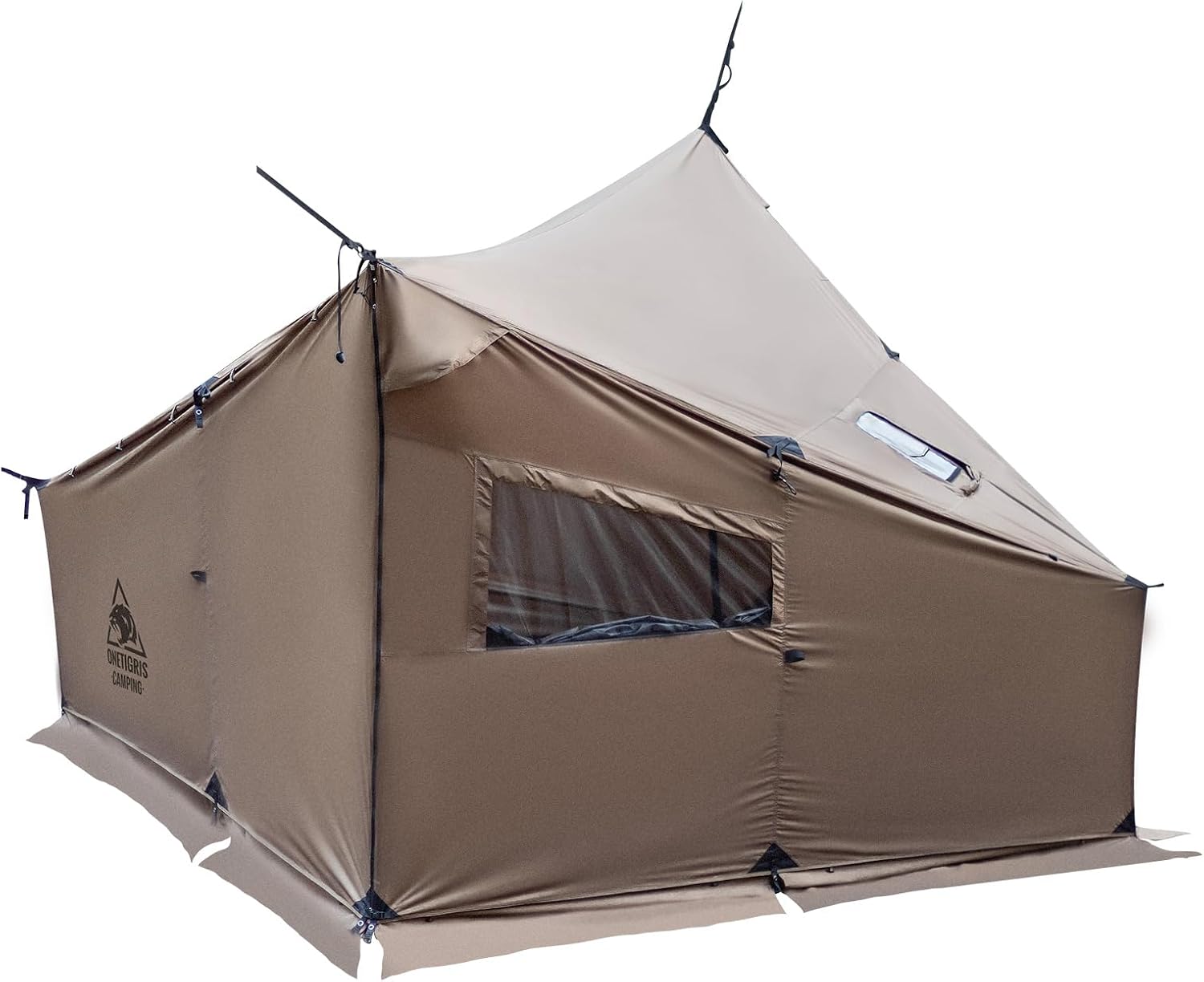
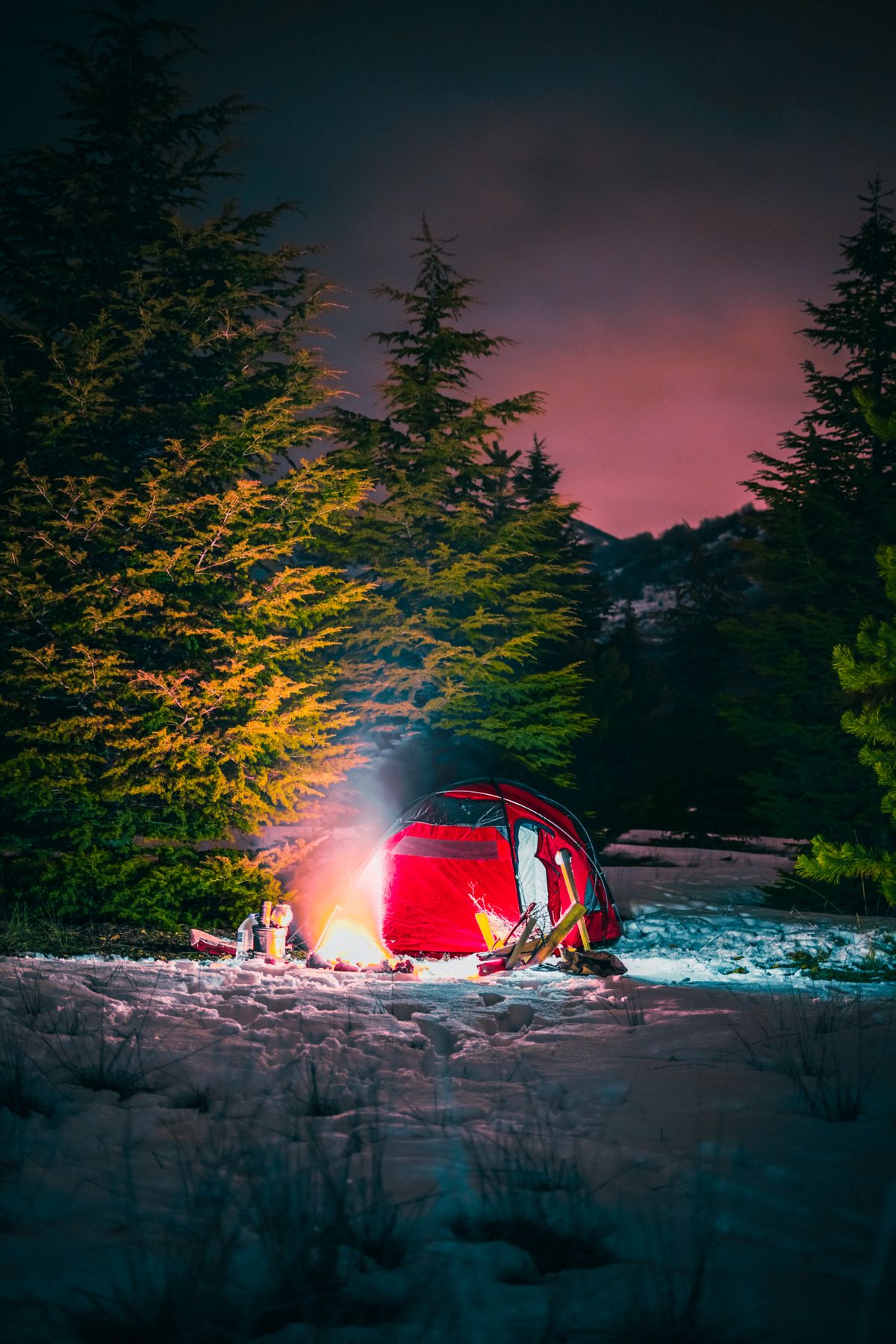
October is when winter camping stops being a YouTube novelty and starts being a real choice. Every $4 fuel can burns through itself in under two hours, and a four-night trip means carrying a box of cans just to keep a nylon tent from turning into an icebox. The hot tent and wood-stove combo is the fastest-growing winter category on Amazon for a reason — a single log-fire stove turns a cold shelter into a genuine cabin, and the fuel grows on trees.
The problem is that page-one content is almost all shop pages. Nobody compares the actual tradeoffs: synthetic versus canvas, snow-load ratings, and whether the titanium stove you fell for on YouTube will actually keep you warm at 2 AM when it needs feeding every 45 minutes. So here is what actually matters when you are shopping for a hot tent with a stove jack this winter.
Here are five tents and stoves that cover the range from solo bushcraft to a group base camp.
OneTigris TEGIMEN Hammock Hot Tent — The Bushcraft Baseline
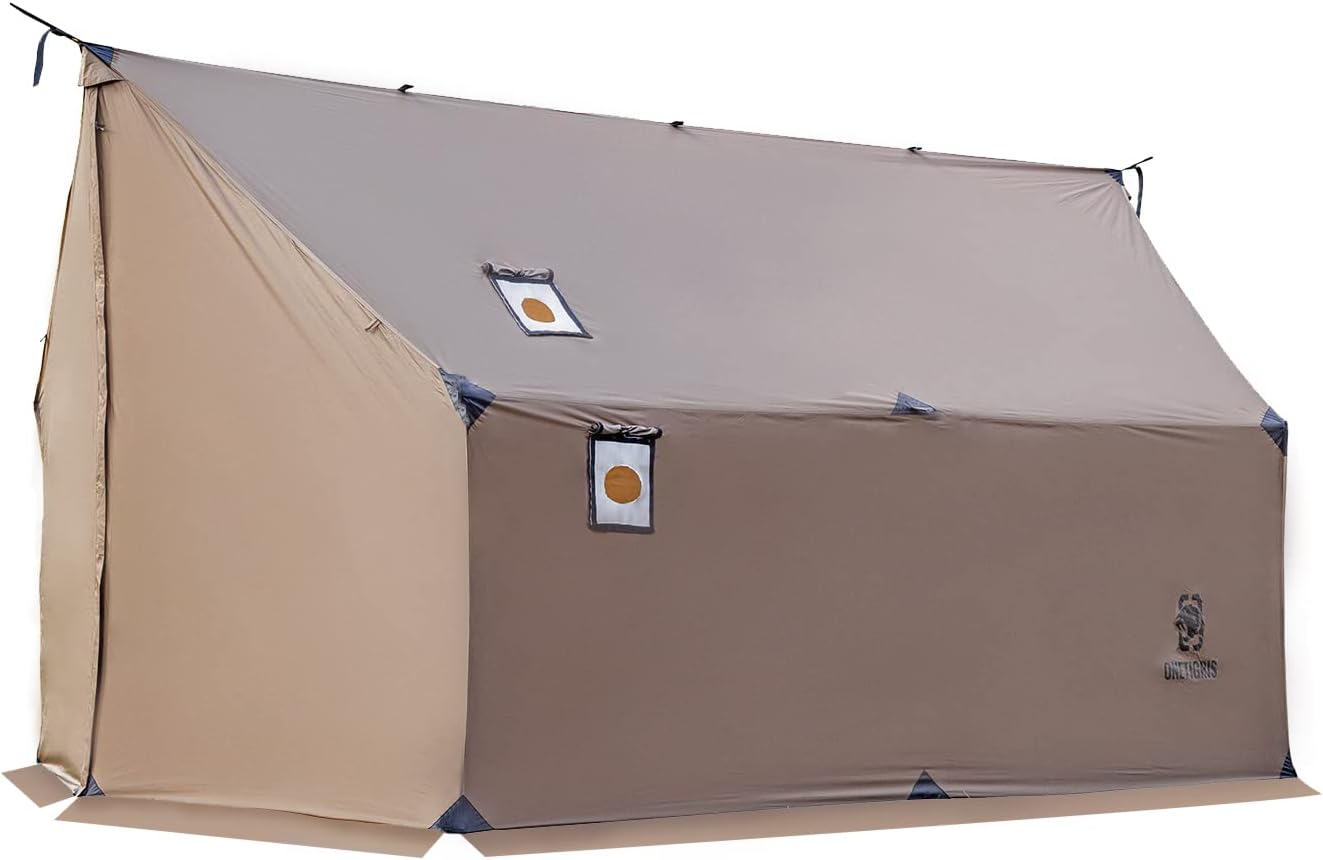
About $150 gets you a 12.5-foot hexagon shelter that works as a hammock tarp or a ground tent, with a stove jack already built in and snow skirts that seal out the draft. This is the tent that anchored the early hot-tent YouTube wave, and it is still the one I would hand a solo camper who wants to try wood-heat camping without committing canvas money. It pitches between two trees or with trekking poles, and the floorless design means you can dig a fire pit right under the stove.
The tradeoffs are real, though. The floorless design demands a ground cloth in snow, and the synthetic fabric does not breathe like cotton — expect condensation on the inner walls unless you manage ventilation carefully. The stove jack placement means your stove sits off-center, so the heat does not distribute evenly around the perimeter.
My take: The best entry point for solo winter camping with wood heat, as long as you are comfortable with a floorless shelter and remember the ground cloth.
OneTigris COZSHACK Hot Tent 4-Person — The Group Shelter
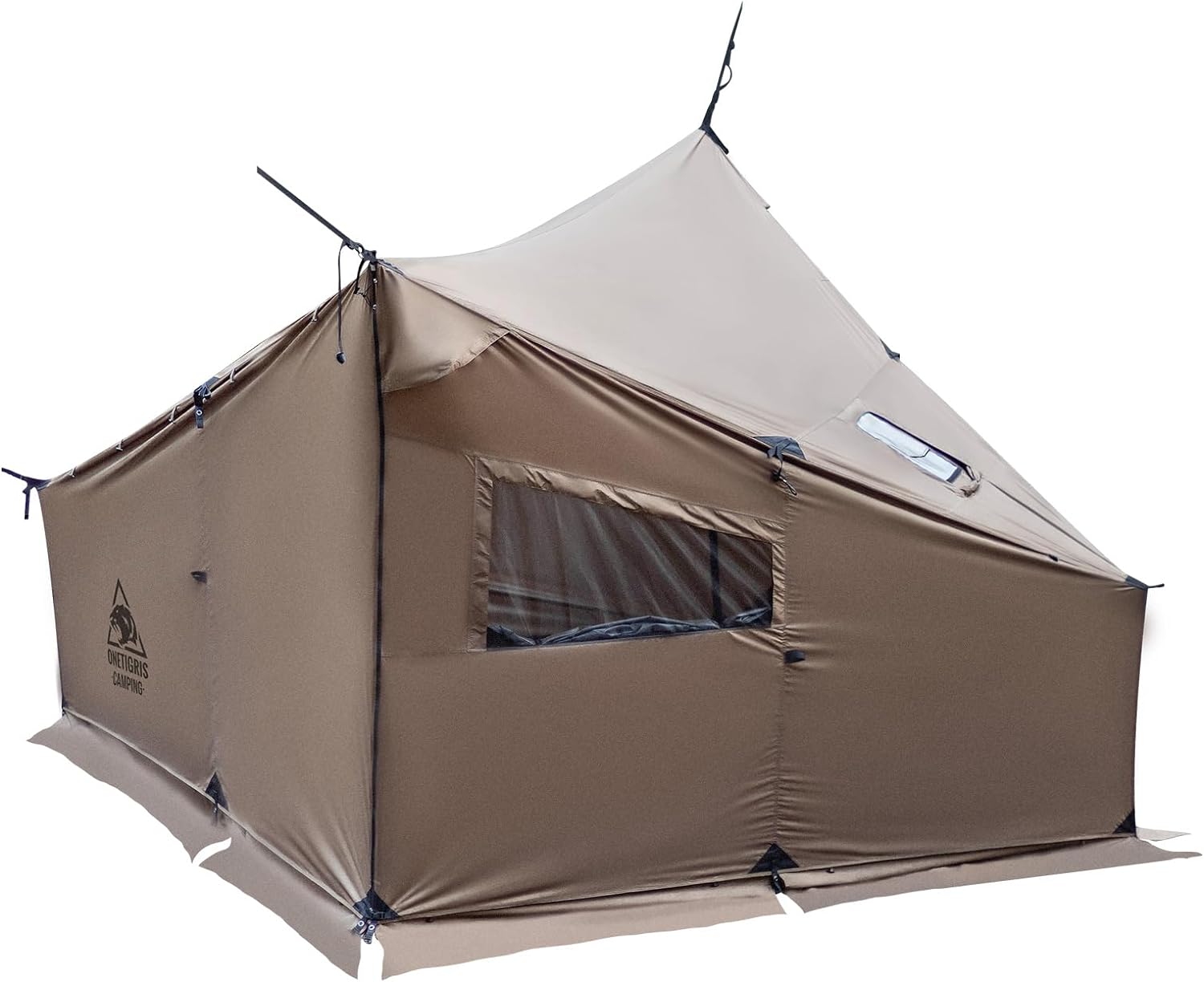
Stepping up to a 4-person hot tent with a removable stove jack and snow skirts runs around $200 to $260 depending on the sale cycle. The COZSHACK adds vertical walls and a proper door, so two adults plus gear actually fit without crawling over each other. The stove jack is removable, which means you can use this as a standard tent in shoulder seasons and only open the jack when the stove goes in.
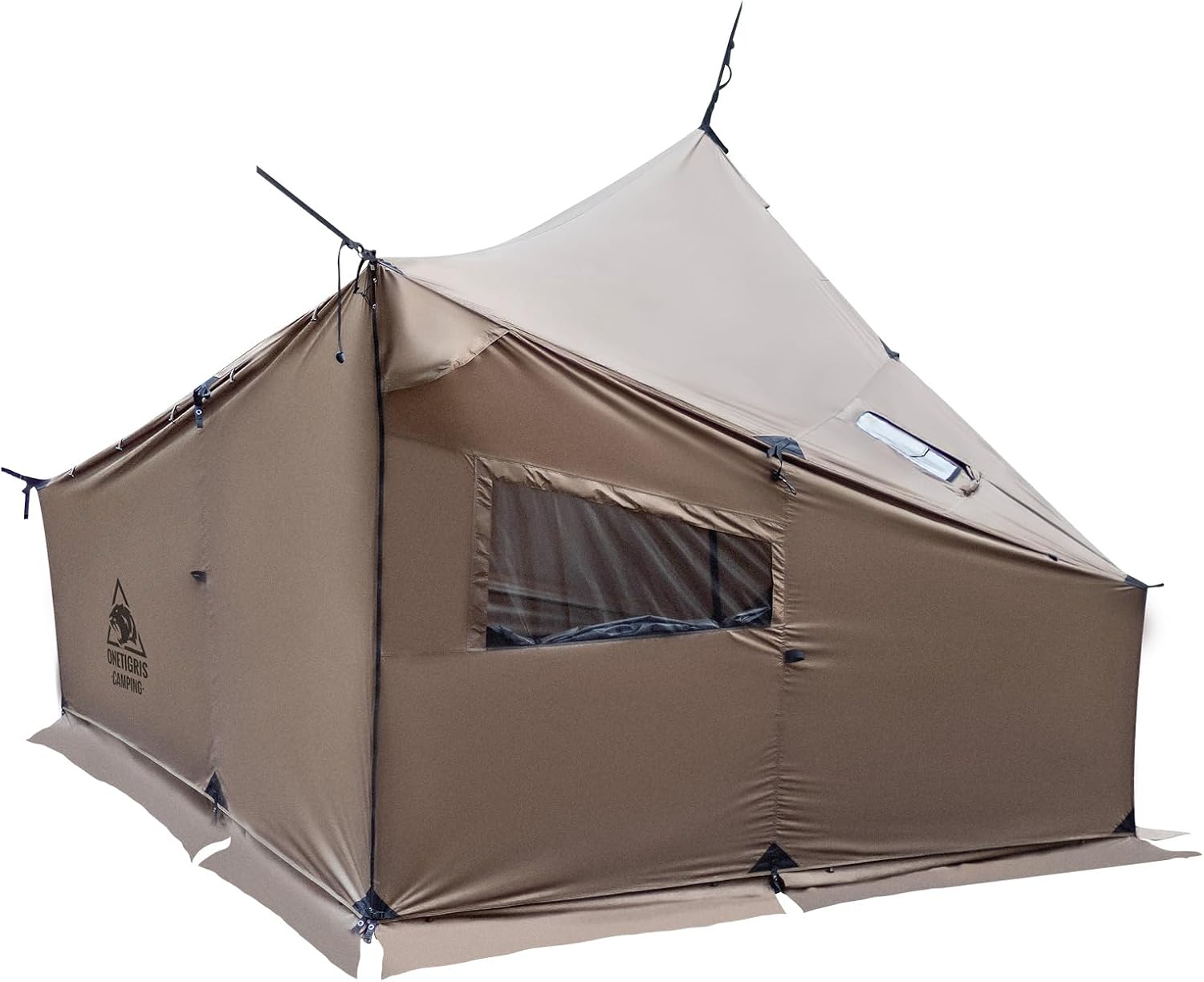
The hook-and-loop jack cover is the weak link. It weathers poorly if you pack it wet — the adhesive degrades and the cover starts leaking cold air within a season or two of hard use. Budget for a replacement cover or seal the edges with seam tape before your first trip.
My take: The right pick for two to four campers who want wood heat and enough room to actually move, as long as you babysit the jack cover.
Whiteduck Regatta Canvas Hot Tent — The Canvas Investment
About $400 to $500 for a fire-retardant cotton canvas bell-style tent that manages condensation far better than any synthetic option. Canvas breathes — it absorbs interior moisture and releases it, so you wake up to dry walls instead of dripping condensation. The bell shape handles snow load better than the hexagon designs, and the fabric shrugs off sparks that would melt a hole in synthetic material.
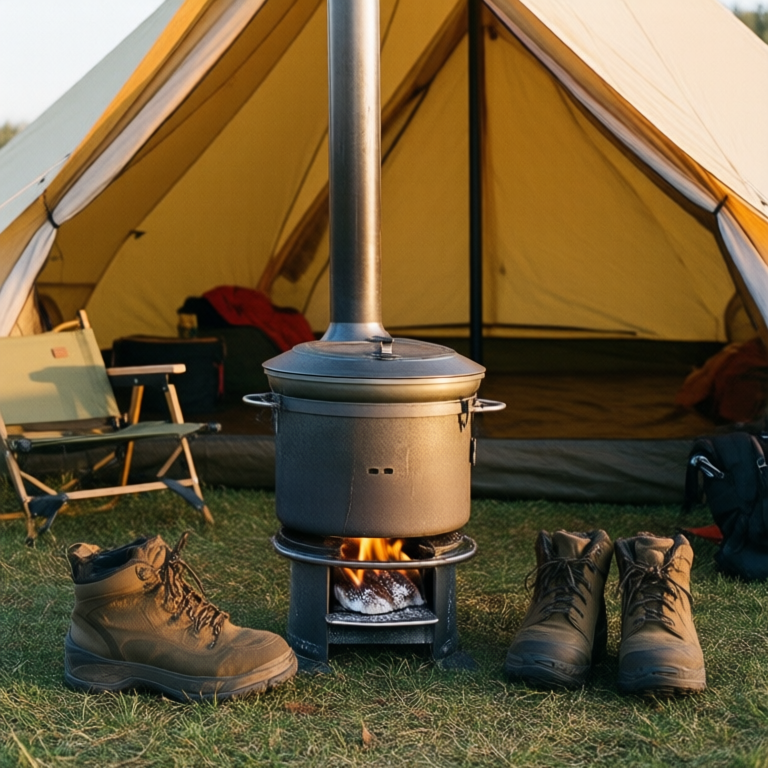
The cost is weight. A canvas bell tent in this range runs 40-plus pounds packed, which makes it a car-camp or sled tent, not a backpack. If your winter trips start with a truck, that is fine. If you are hiking in, this tent stays home.
My take: The long-term investment for car campers who camp in cold weather more than three or four times a season and want a tent that lasts a decade instead of three winters.
OneTigris Tiger Roar Titanium Tent Stove — The Matching Stove
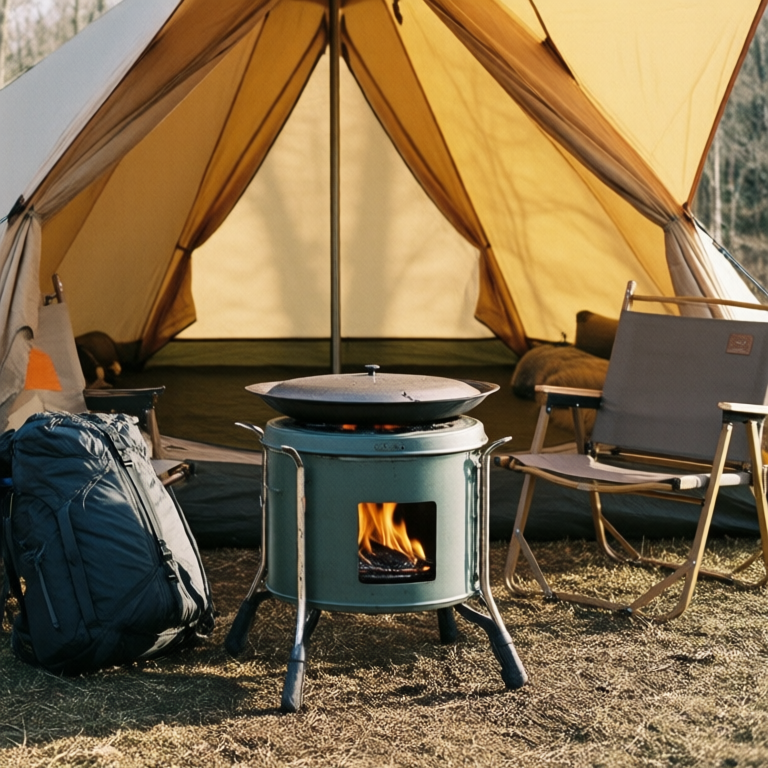
A sub-4-pound titanium stove sized for the OneTigris stove jacks that rolls flat for packing. This is the stove that pairs with the TEGIMEN or COZSHACK — the pipe diameter matches the jack, and the roll-flat design means it takes less pack space than your cook kit. Titanium heats up fast and radiates heat quickly, which is great for getting warm fast and bad for staying warm.
The honest con: titanium stoves burn fast. The firebox is thin metal that transfers heat efficiently but does not hold a coal bed the way steel does. Expect to feed it every 45 minutes for all-night heat, and if you sleep through the alarm, you wake up cold. Steel stoves hold heat longer but weigh three times as much.
My take: The right stove for backpackers who count ounces, but pair it with a sleep schedule that includes a fire feeding, or accept a cold 3 AM wake-up.
WINNER OUTFITTERS Winter Tent with Stove Jack — The Budget Complete Kit
Under $140 for tent, jack, and ground stakes from the budget brand that anchored early hot-tent reviews. This is the cheapest way to find out if hot-tent camping is for you before spending OneTigris money. The included tent is roomy enough for two and the stove jack is pre-installed, so there is no DIY cutting.
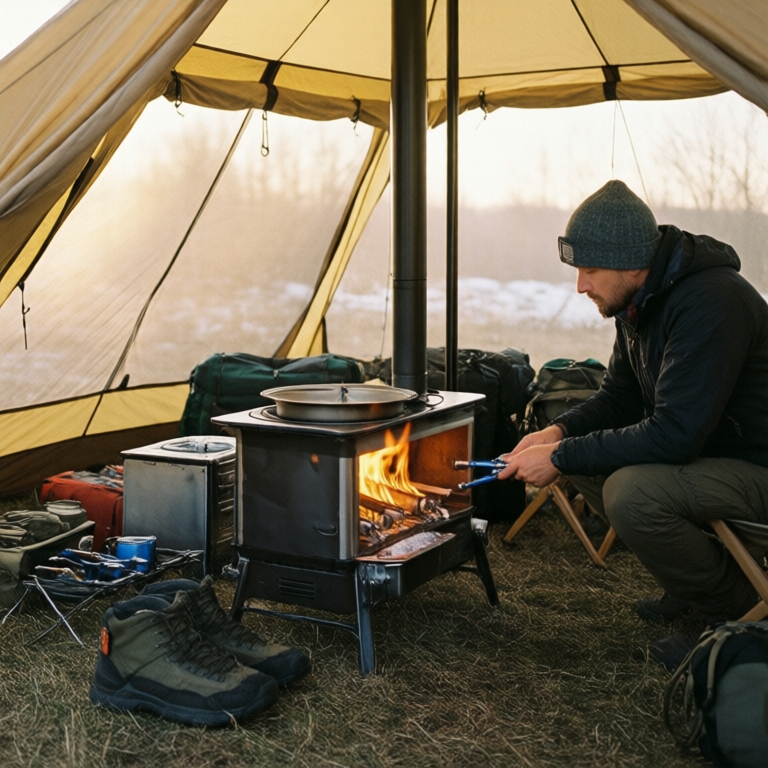
The fiberglass poles are the failure point. They crack in real wind — not strong wind, just sustained 15 to 20 mph gusts that a real winter storm delivers for hours. If you buy this tent, immediately upgrade the poles to aluminum or accept that this is a calm-weather-only shelter.
My take: A legitimate trial-run tent for the price of two fuel-can runs, but plan to replace the poles before you trust it in a real storm.
Free shipping on winter camping gear: Most of these tents and stoves ship free with Amazon Prime. If you are not a member, start a free 30-day trial here — you will get two-day shipping on the tent, stove, and any replacement poles you need before your first trip.
Features That Actually Matter (And Ones That Don’t)
Stove jack material: The jack is a heat-resistant port in the tent wall where the stove pipe passes through. Look for a silicone or fiberglass jack, not a raw cut hole. Removable jacks sound convenient but they leak — a fixed jack with a flap cover is more weather-tight.
Snow skirts: These are fabric flaps around the base of the tent that you bury in snow to seal out wind and trap ground heat. They make a real 10-degree difference inside. If your tent does not have them, expect to feel every gust.
Stove material matters more than tent material: A titanium stove in a canvas tent is a fine pairing. A steel stove in a synthetic tent is also fine. The mistake is a heavy stove in a backpacking setup or a light stove in a base-camp setup where you need all-night heat.
Condensation management: Canvas tents breathe. Synthetic tents do not. If you go synthetic, plan to crack a vent every night, or you will wake up to ice on the inside of your tent walls.
What doesn’t matter: Peak height matters less than you think. Floor space matters more. A 6-foot-peak tent with a 4-foot living area is worse than a 5-foot-peak tent with 6 feet of usable floor.
Value Summary: What to Spend Where
- Solo backpacker testing the concept: TEGIMEN tent ($150) + Tiger Roar titanium stove ($80-$100) = about $230 to $250 total, sub-10 pounds packed.
- Two-to-four campers car camping: COZSHACK ($200-$260) + a steel stove ($60-$90) = about $260 to $350, room for gear and a real fire.
- Long-term cold-weather camper: Whiteduck canvas ($400-$500) + a steel box stove ($100-$150) = $500 to $650, a shelter that lasts a decade.
- Trial run before committing: WINNER OUTFITTERS kit ($140) + aluminum pole upgrade ($20) = $160 to find out if you even like hot-tent camping.
Keep reading: If you are building out a full winter kit, check out our guide to camping hammocks for beginners and our bear canister rent-vs-buy math for the rest of your cold-weather loadout.
GearHound is reader-supported. As an Amazon Associate, I earn from qualifying purchases. That means if you buy through one of the links above, I get a small commission at no extra cost to you. I only recommend gear I’d actually carry into the field.
Related guides
- One-Pound Hatchets: Camp Choppers Worth Their Weight
- Best Dog Carriers 2026: For Travel, Vet Visits, and Everyday Errands
- Best Sleeping Pads 2026: Tested and Reviewed
- Best Dog Whistles 2026: Recall Training That Actually Works
- Best Camp Pizza Ovens 2026: Pizzeria Pies From the Back of the Truck
⛺ Get Your Free Camping with Your Dog Checklist
Join our newsletter and get this free printable plus weekly tips.
Frequently Asked Questions
What is a hot tent and do I need one?
A tent with a stove jack for wood heat — the guide's case: winter camping with $4 fuel cans means each one burns out in under two hours, while a hot tent plus wood stove turns a cold shelter into a heated cabin with fuel that grows on trees. If you winter camp more than once or twice, the math tips toward the stove system.
How much does a hot tent setup cost?
The guide's tiers: the OneTigris TEGIMEN as the bushcraft baseline, the COZSHACK for groups, the Whiteduck Regatta canvas tent as the investment tier, and the WINNER OUTFITTERS kit as the budget complete package. The matching titanium stove (OneTigris Tiger Roar) is the pairing that makes any of them work.
Are hot tents safe?
With technique, yes — the guide's stove-jack framing: the system is built around a controlled heat source with clearances respected, and the features section covers what actually matters versus what's marketing. The canvas tier buys durability and heat retention over the nylon quick-packs.
Liked this guide? Get the next one in your inbox — the camp packing checklist is free too.
✓ You're in — check your inbox.
No spam. Unsubscribe anytime. We never share your email.
Prices move fast. Start your Amazon trip from our Shop & Support page and your purchases support GearHound at no extra cost to you.