
This article contains affiliate links. We may earn a commission from qualifying purchases.
Some content on this site is AI-assisted and reviewed by our editorial team.
Your tent is the heaviest single item in your backpack and the one that protects you from the worst conditions you will encounter on the trail. A good backpacking tent weighs under 3 pounds for two people, sets up in under 5 minutes, and withstands wind, rain, and bugs. A bad one weighs 5 pounds, collapses in a storm, and leaks at the seams. The difference between a good night and a miserable one on the trail usually comes down to your tent.
The backpacking tent market has evolved significantly in recent years. Ultralight materials like Dyneema and silicone-nylon have pushed weights below 2 pounds for solo shelters. Freestanding designs mean you can pitch on rock slabs without stakes. And cross-ventilation designs have largely eliminated the condensation problems that plagued older ultralight tents. I compared the top backpacking tents to find the ones that balance weight, space, weather protection, and price.
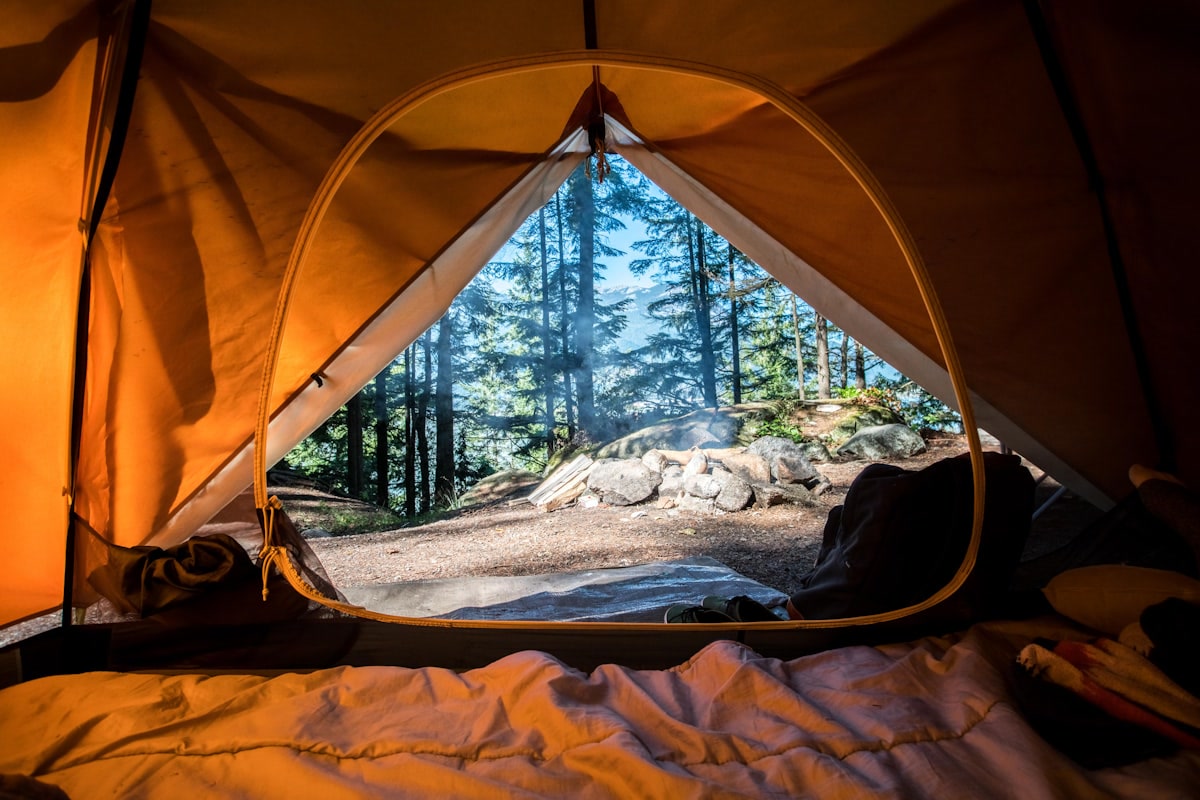
What to Look for in a Backpacking Tent
Weight: Trail weight (tent body, fly, and poles only — no stakes or stuff sacks) is the number that matters. A 2-person tent should weigh under 3 pounds trail weight. Solo tents should be under 2 pounds. Every ounce matters when you carry it for 15 miles.
Packed size: A tent that packs to 5 x 18 inches fits in the bottom of any pack. A tent that packs to 6 x 24 inches may need to be strapped to the outside. Smaller packed size means more room for food and gear inside your pack.
Interior space: Floor dimensions tell you if you can lie flat without your head or feet touching the walls. Peak height determines whether you can sit up to change clothes. Two-person tents should be at least 88 inches long and 50 inches wide at the shoulders.
Weather protection: Look for a bathtub floor (waterproof floor that extends 4+ inches up the sides), a full-coverage fly that reaches near the ground, and taped seams. A tent rated for 3-season use handles rain and moderate wind but is not designed for snow loading.
Ventilation: Mesh panels on the tent body allow moisture to escape. Without good ventilation, condensation builds up on the inside of the fly and drips on you. Look for tents with cross-flow ventilation — mesh on opposite walls.
Big Agnes Copper Spur HV UL2: Best Overall
The Big Agnes Copper Spur HV UL2 is the best overall backpacking tent for most hikers. At 2.7 pounds trail weight, it is light enough for solo use and spacious enough for two. The vertical wall design creates more headroom than any other tent in this weight class — you can actually sit up and change clothes without hitting the ceiling. Dual doors and vestibules mean neither camper has to crawl over the other to get out at night. The silicone-nylon fabric is treated with a polyurethane coating for waterproofing, and the aluminum poles are pre-bent to create the vertical walls. This tent has been the benchmark for 2-person ultralight tents for years, and the current version refines the design without changing what works.
- Trail weight: 2.7 lbs
- Floor dimensions: 88 x 52 inches
- Peak height: 40 inches
- Doors: 2 (dual vestibules)
- Packed size: 5 x 18 inches
Check the latest price on Amazon
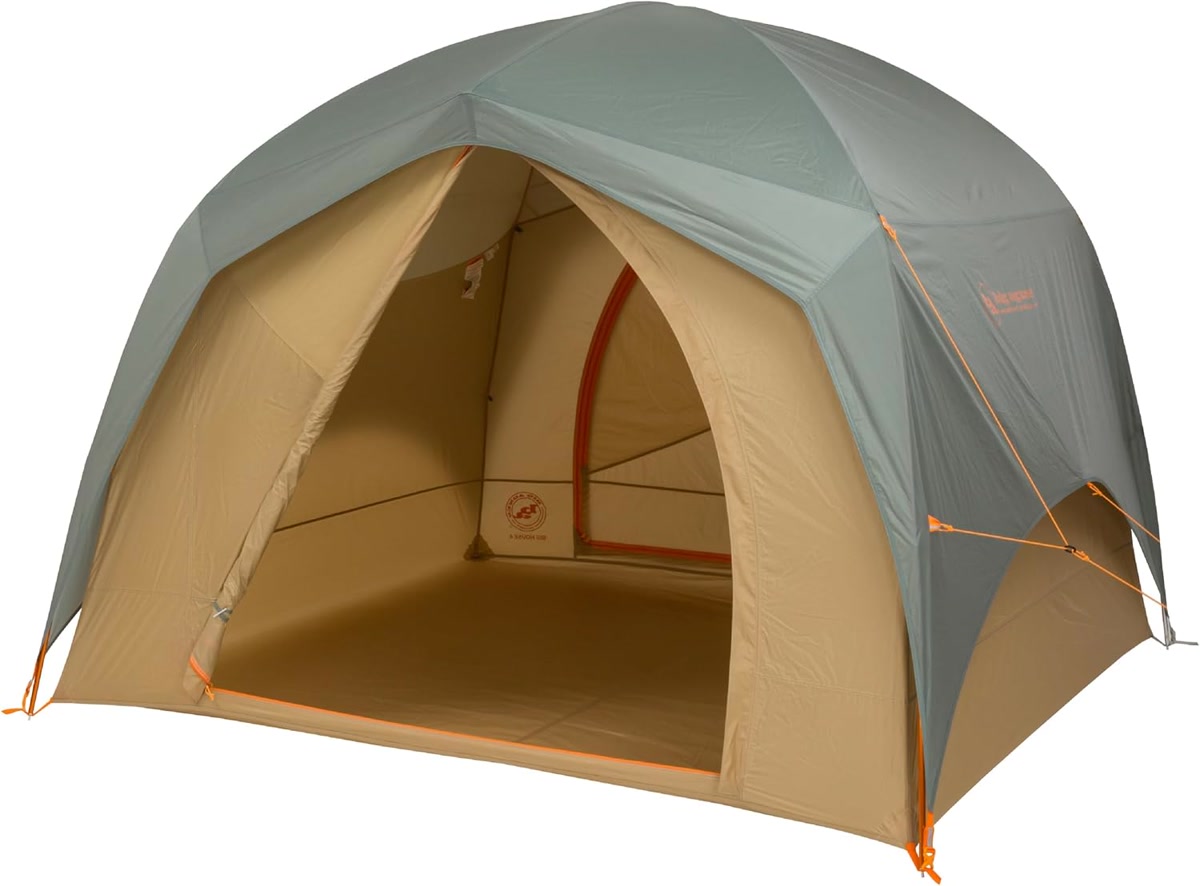
MSR Hubba Hubba LT 2: Most Durable
The MSR Hubba Hubba LT 2 is the most durable backpacking tent in this list. It uses a heavier fabric than the Copper Spur (20 denier vs 15) and a more robust pole structure, which adds about 6 ounces but significantly increases wind resistance. The freestanding design pitches in under 3 minutes, and the cross-ventilation system keeps condensation to a minimum even in humid conditions. The Hubba Hubba has two doors and two vestibules, though the vestibules are smaller than the Copper Spur’s. This is the tent to buy if you backpack in exposed, windy terrain where tent failure is not an option.
- Trail weight: 3.1 lbs
- Floor dimensions: 88 x 50 inches
- Peak height: 39 inches
- Doors: 2 (dual vestibules)
- Packed size: 6 x 19 inches
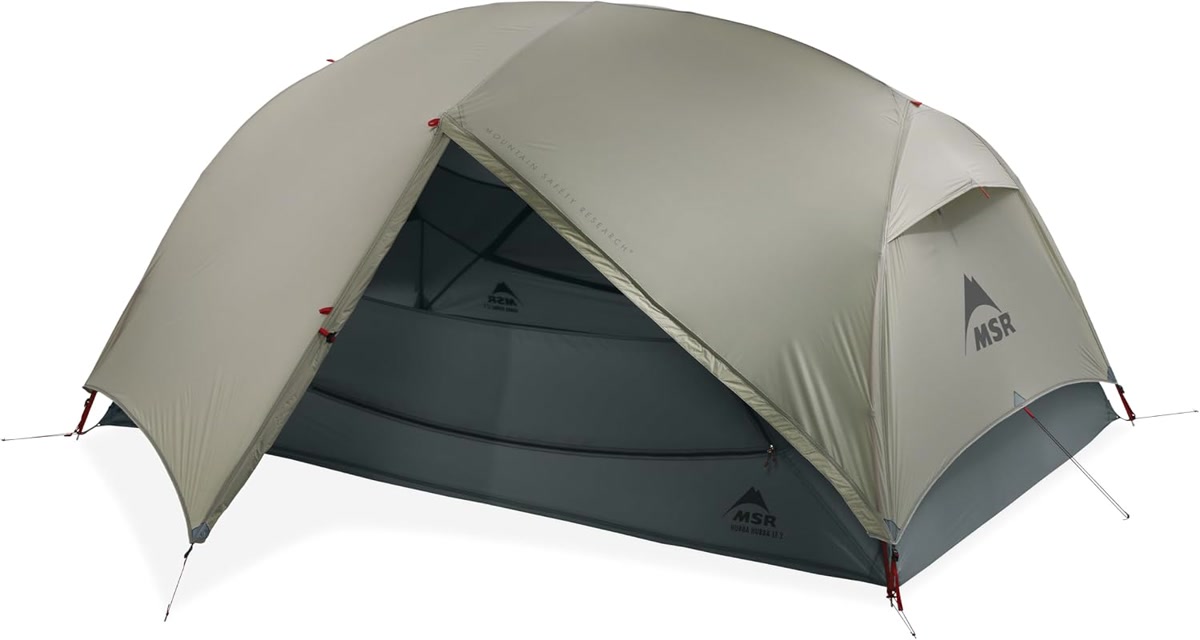
Zpacks Duplex: Best Ultralight
The Zpacks Duplex is the ultralight enthusiast’s tent. Made from Dyneema Composite Fabric (DCF), it weighs just 1.3 pounds — less than half the weight of the Copper Spur. DCF is waterproof without needing a coating, does not stretch when wet, and is theoretically stronger than silicone-nylon. The Duplex is a single-wall trekking pole tent, meaning you use your hiking poles as the main supports instead of carrying dedicated tent poles. This saves weight but means you cannot pitch the tent without your poles. The Duplex has two doors and two vestibules, which is remarkable at this weight. The trade-off is price — DCF is the most expensive tent fabric on the market. For ounce-counting long-distance hikers, the weight savings justify the cost.
- Trail weight: 1.3 lbs (uses trekking poles, no dedicated poles)
- Floor dimensions: 84 x 45 inches
- Peak height: 48 inches
- Doors: 2 (dual vestibules)
- Packed size: 4 x 8 inches
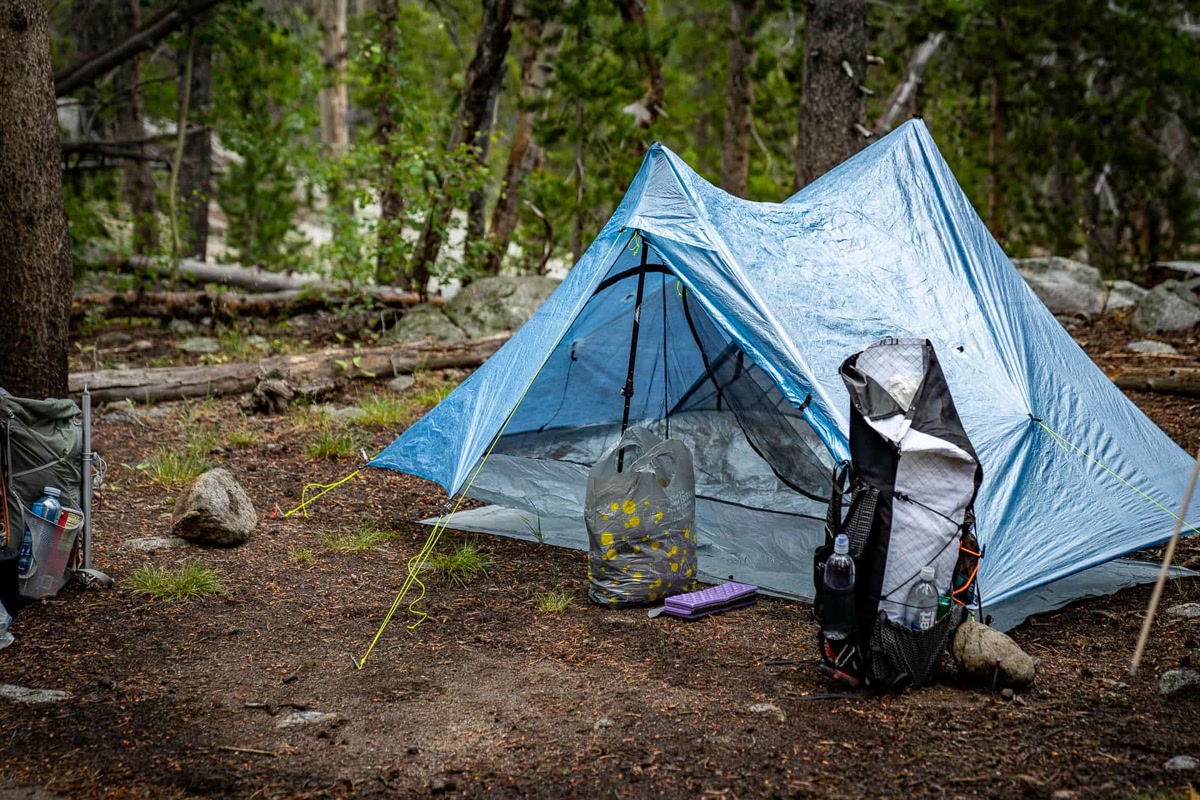
Tarptent Notch Li: Best Value Ultralight
The Tarptent Notch Li is a solo trekking pole tent that weighs 1.5 pounds and costs significantly less than the Zpacks Duplex. Made from silicone-nylon with a carbon fiber cross-strut, it pitches with a single trekking pole and provides full bug protection with a mesh inner tent. The Notch has a unique single-door design with a large vestibule that can store a full pack. The dual-wall construction (mesh inner + fly) handles condensation better than single-wall tents. Tarptent is a cottage manufacturer known for thoughtful design — every detail, from the guy-line attachment points to the door zipper, is engineered for trail use. This is the tent for solo backpackers who want ultralight weight without DCF pricing.
- Trail weight: 1.5 lbs (uses trekking pole)
- Floor dimensions: 84 x 26 inches
- Peak height: 45 inches
- Doors: 1 (single vestibule)
- Packed size: 4 x 14 inches
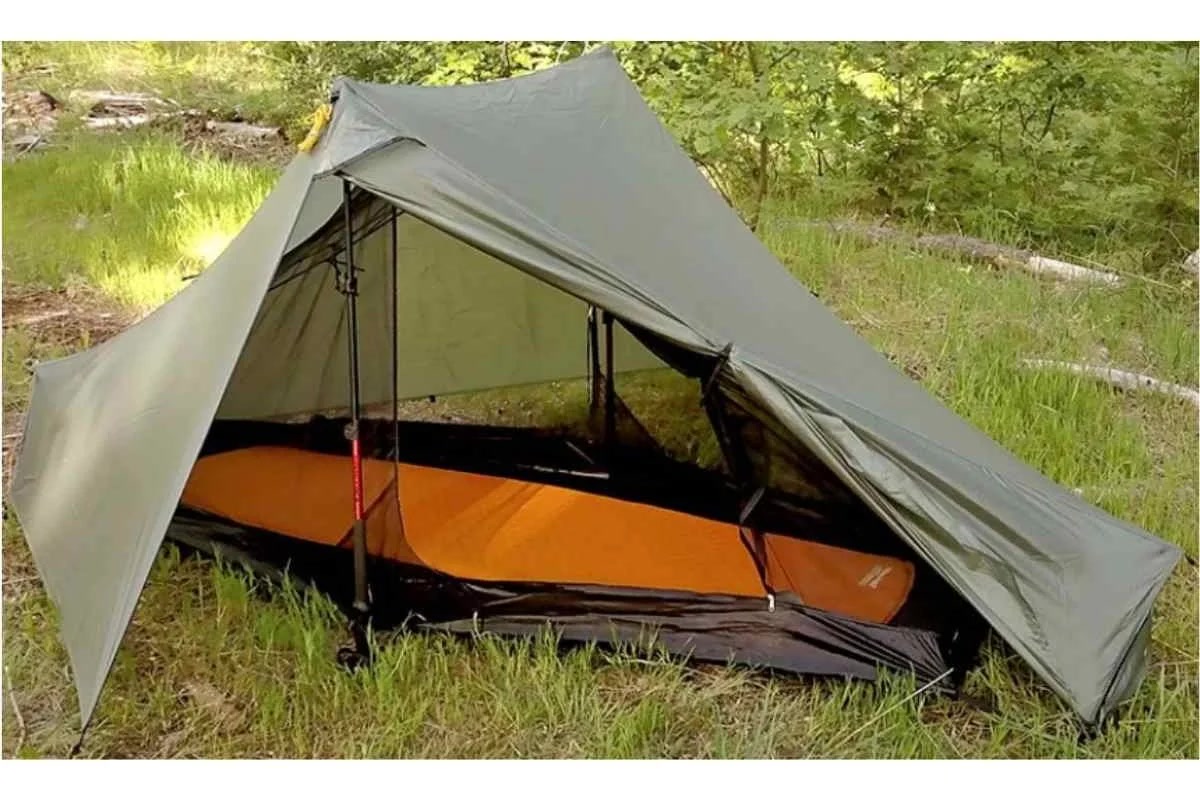
Freestanding vs Trekking Pole Tents
Freestanding tents (like the Copper Spur and Hubba Hubba) use dedicated poles that create a self-supporting structure. You can pick them up and move them without re-staking. They pitch faster and work on any surface, including rock slabs and sand where stakes will not hold. They weigh more because you carry the poles.
Trekking pole tents (like the Duplex and Notch) use your hiking poles as the main structural support. This saves 8-16 ounces of pole weight. The trade-off is that you must stake them out to pitch them, which means they do not work on bare rock without creative anchoring. They also take longer to pitch — 5-10 minutes vs 2-3 for a freestanding tent.
For most backpackers, freestanding is the right choice. The weight penalty is small (6-10 ounces) and the convenience is significant. For ultralight hikers who already carry trekking poles, trekking pole tents are the most efficient system.
Disclosure: As an Amazon Associate, GearHound earns from qualifying purchases. This means we may earn a commission when you buy through links on this site, at no extra cost to you. I only recommend gear I have used in the field.
What Actually Matters
The Big Agnes Copper Spur HV UL2 is the best tent for most backpackers — it hits the sweet spot of weight, space, and price. The MSR Hubba Hubba LT 2 is the durable pick for harsh conditions. The Zpacks Duplex is the ultralight pick for hikers who want minimum weight at maximum cost. The Tarptent Notch Li is the value ultralight pick for solo hikers. Whatever you choose, practice pitching it at home before your first trip — a rainstorm at mile 8 is not the time to learn your tent’s setup.
See also: Best Camping Coolers 2026: 7 Ice Chests That Actually Keep Ice for Days, Best Camping Stoves 2026: 7 Stoves That Actually Cook Like Your Kitchen at Home, Best Hiking Gaiters 2026: Keep Rocks, Mud, and Snow Out of Your Boots.
⛺ Get Your Free Camping with Your Dog Checklist
Join our newsletter and get this free printable plus weekly tips.
Price Check
Prices verified via our product tracker. Updated Sep 27.
| Amazon.com: Big Agnes Big House - 3-Season Base & Car Camp | $549.95 | 4.2★ |
| Amazon.com: MSR Hubba Hubba LT 2-Person Lightweight Backpa | $549.95 | 4.3★ |
As an Amazon Associate we earn from qualifying purchases.