
This article contains affiliate links. We may earn a commission from qualifying purchases.
Some content on this site is AI-assisted and reviewed by our editorial team.
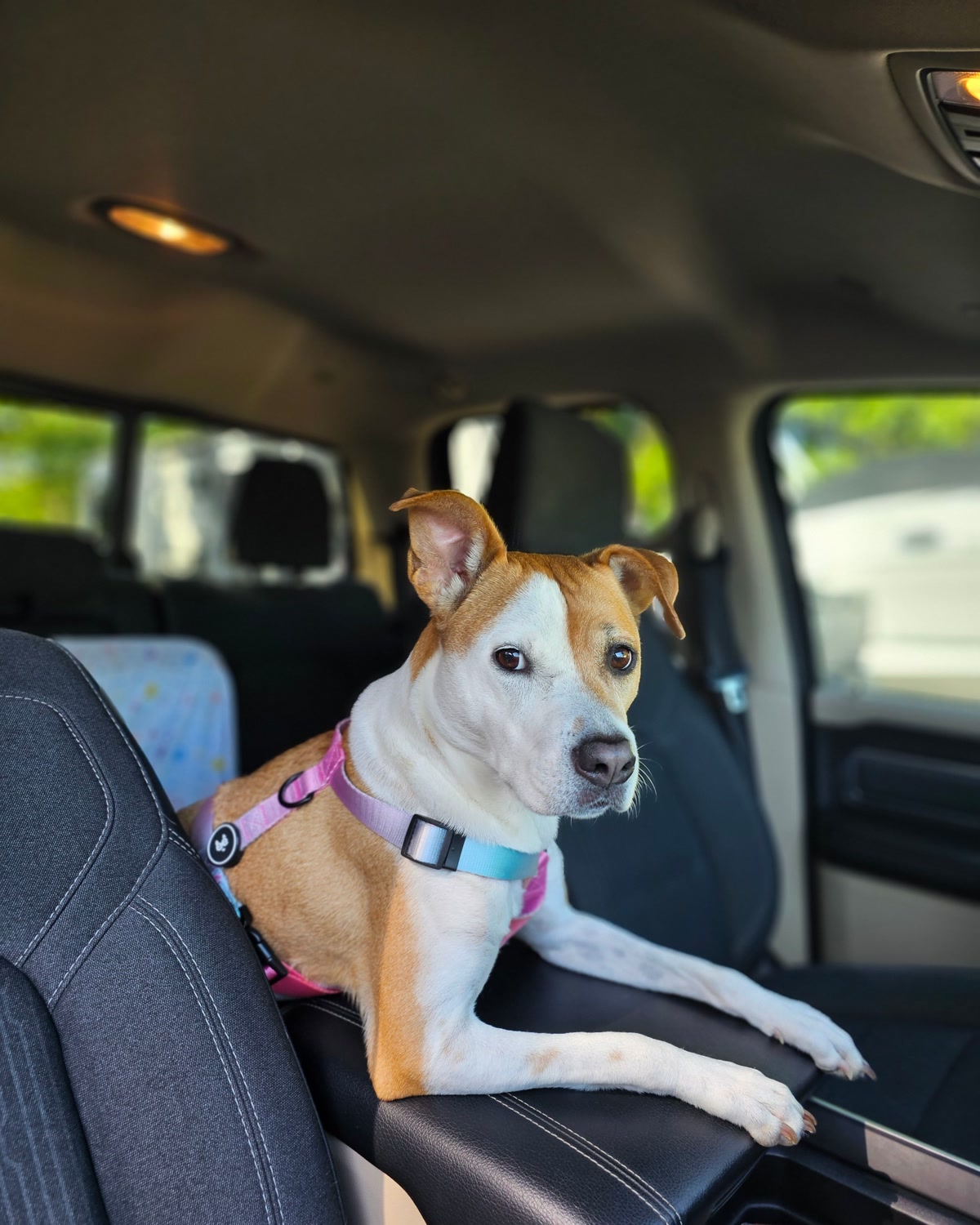
Why Unrestrained Dogs Are Dangerous in a Car
An unrestrained dog in a car is a projectile. In a 30 mph crash, a 50-pound dog hits the windshield — or you — with 1,500 pounds of force. That kills the dog, and it injures or kills whoever is in the front seat. Yet most dog owners drive with their dog loose in the back seat or, worse, in their lap. No one thinks it will happen to them until it does.
Car safety for dogs is not complicated, but it is misunderstood. A regular walking harness is not a car harness. A crate bungee-corded to the trunk is not a crash-tested crate. And a dog seatbelt from a gas station is not a safety device. Here is what actually works, what does not, and how to protect your dog on the drive to the trailhead.
The Three Safe Options for Car Travel
There are exactly three ways to safely transport a dog in a car. Everything else is gambling.
1. Crash-Tested Harness
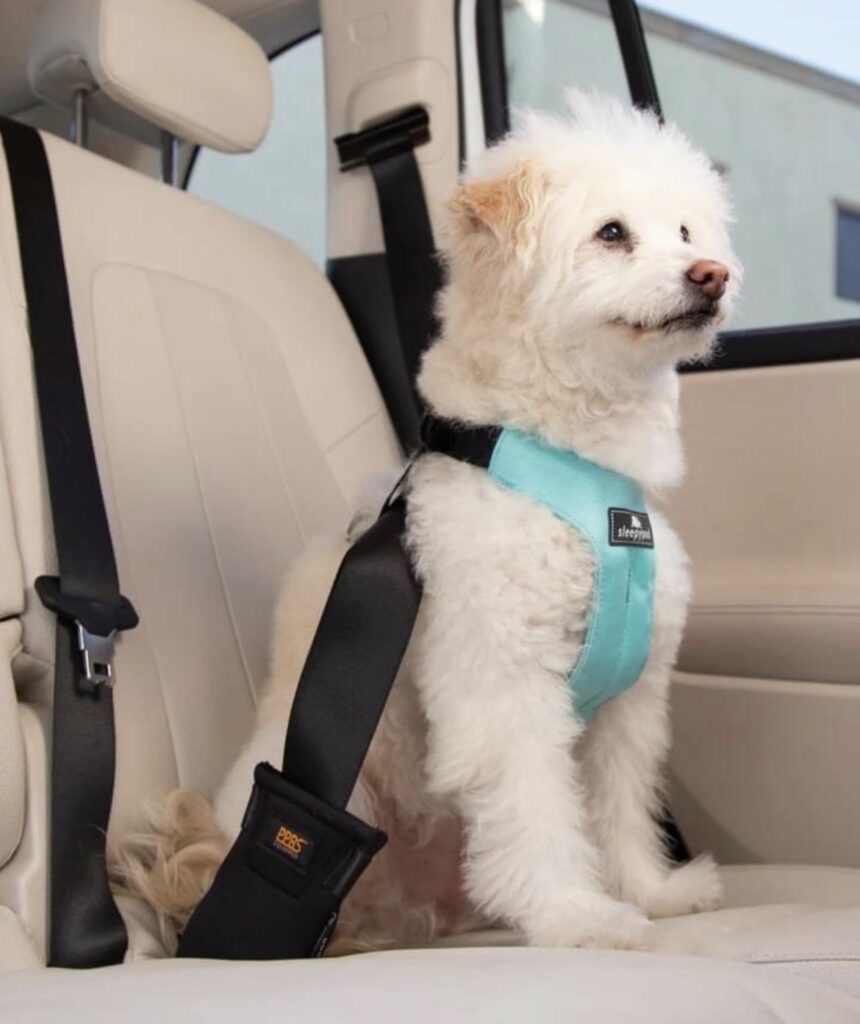
A crash-tested harness is a specialized harness that clips into your car’s seatbelt latch. It is designed to distribute crash forces across the dog’s chest — not their neck — and to keep them in the seat during a collision. Regular walking harnesses are not crash-tested and will break or cause internal injuries in an accident.
The Sleepypod Clickit Sport is the best crash-tested harness available. It has been independently tested by the Center for Pet Safety and passed their crash tests at 30 mph. The harness uses a three-point attachment system (like a human seatbelt) that prevents the dog from launching forward in a crash. It doubles as a walking harness, so you can use it from the car to the trail without switching.
The Ruffwear Load Up Harness is another crash-tested option, designed specifically for car travel. It is heavier than the Clickit Sport and does not double as a walking harness, but it is built to the same safety standard.
2. Crash-Tested Crate
A crash-tested crate is the safest option for dogs that cannot wear a harness (short-nosed breeds, dogs with injuries, or dogs who panic when restrained). The crate must be secured to the vehicle — an unsecured crate becomes a projectile in a crash and is worse than no crate at all.
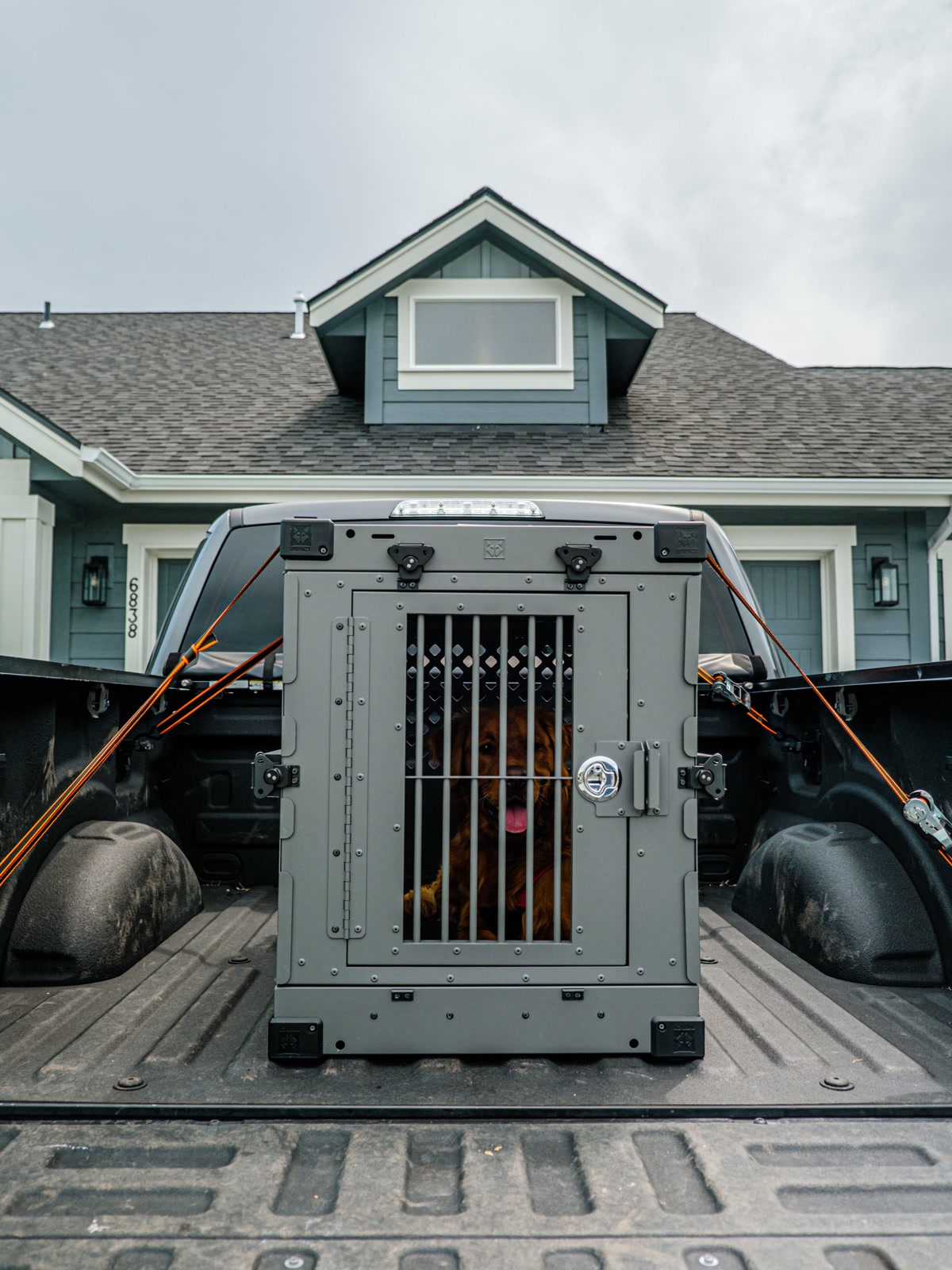
The Gunner G1 Kennel is the only crate that has passed independent crash testing. It is expensive (400 to 700 dollars depending on size), but it is built like a roll cage. It secures to your vehicle using integrated tie-down points and keeps the dog contained and protected in a rollover. If you drive to trails every weekend, this is the safest option money can buy.
3. Properly Secured Travel Crate
If a crash-tested crate is out of budget, a sturdy travel crate secured to the vehicle with ratchet straps (not bungee cords) is the next best option. The crate should be placed behind the rear seats or in the cargo area, and strapped down so it cannot shift more than 1 inch in any direction. This is not as safe as a crash-tested crate, but it is far better than an unrestrained dog.
Never put a crate on the front seat. Even with the airbag off, the crate can shift and crush the dog in a crash. Always place crates in the back seat or cargo area.
What Does Not Work
Regular walking harnesses: Not designed for crash forces. The stitching tears, the plastic buckles shatter, and the dog launches through the car. Only use harnesses specifically labeled as crash-tested.
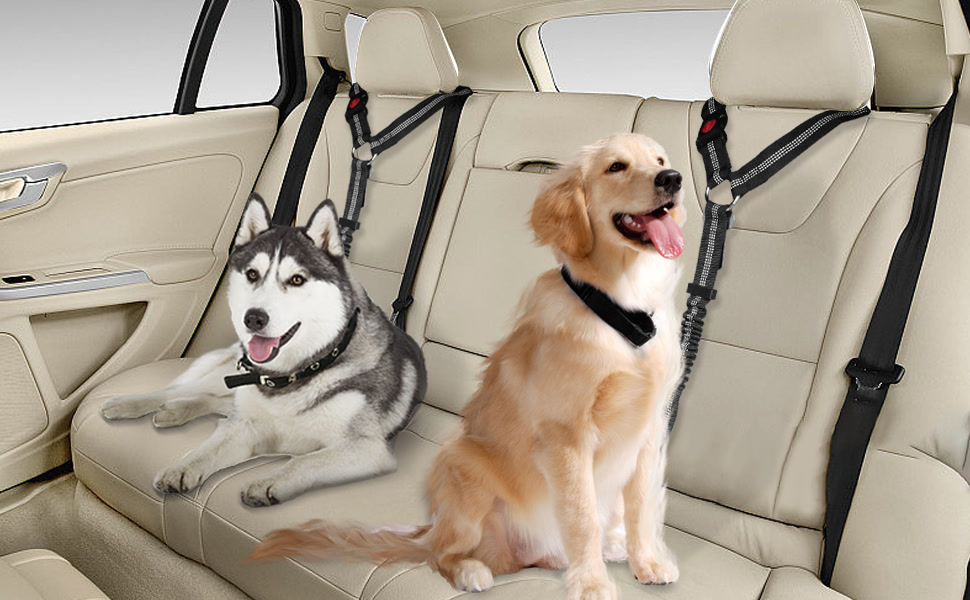
Seatbelt tethers that clip to a collar: These attach to the dog’s neck. In a crash, the force goes directly to the cervical spine. This can kill or paralyze a dog instantly.
Bungee cord crate straps: Bungee cords stretch under load and then snap back, turning the crate into a slingshot. Use ratchet straps with metal hooks.
Dog in your lap: In a crash, your dog becomes an airbag between you and the steering wheel. This is also illegal in many states.
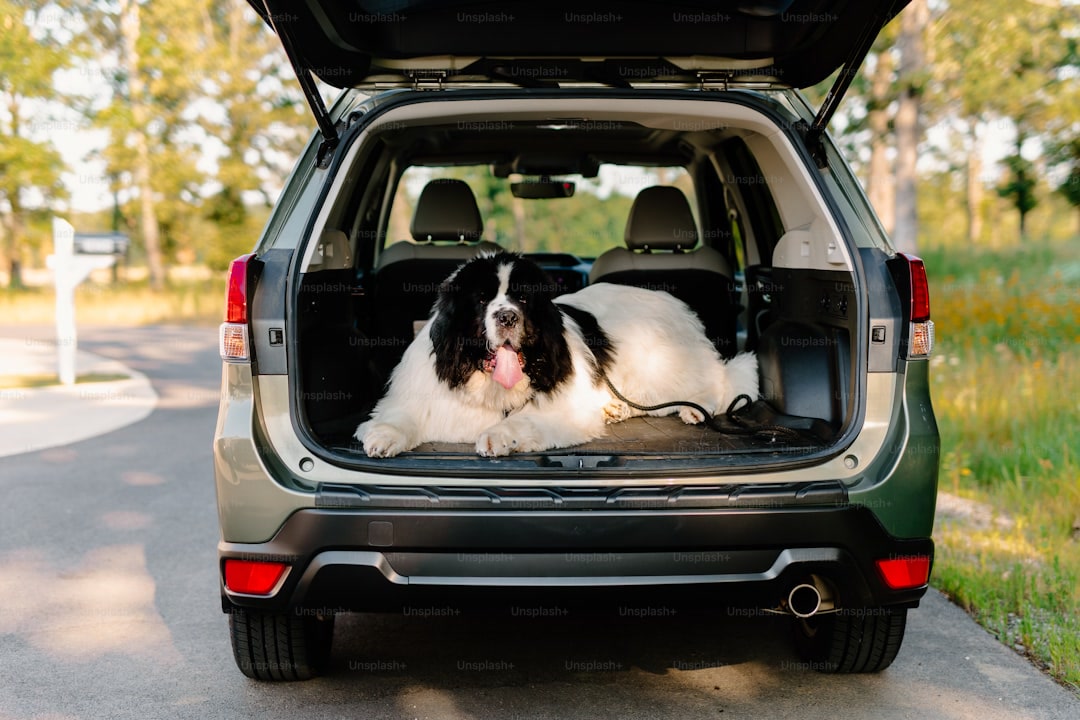
Unrestrained in the back seat: A dog lying peacefully in the back seat is one sudden stop away from hitting the front seats, the windshield, or the floor. The back seat is not a restraint.
How to Secure Your Dog for Every Trip
Short trips (under 10 minutes): Use a crash-tested harness clipped to the seatbelt. The harness goes on before the dog gets in the car, and the clip attaches to the seatbelt latch.
Long trips (over 1 hour): Use a crash-tested crate secured to the cargo area. The crate gives the dog room to shift position and prevents motion sickness better than a harness.
Truck trips: Never let a dog ride unrestrained in a truck bed. It is illegal in many states and one of the most common causes of severe dog injury. Use a secured crate in the truck bed with a tonneau cover for weather protection, or keep the dog in the cab.
The Bottom Line
An unrestrained dog is a projectile in a crash. Use a Sleepypod Clickit Sport or Ruffwear Load Up Harness for short trips. Use a crash-tested crate (Gunner G1) for long trips. Never clip a seatbelt to a collar. Never use bungee cords to secure a crate. Never let your dog ride in your lap. The drive to the trailhead is the most dangerous part of your hike — protect your dog like you protect yourself.
See also: Best Dog Hiking Harnesses 2026: 6 Harnesses Tested on Real Trails, Bear Safety for Dog Hikers: What You Need to Know Before You Go, Best Dog Car Harnesses 2026: Crash-Tested Safety for Every Trip.
GearHound is reader-supported. When you buy through links on this site, we may earn an affiliate commission at no extra cost to you.
⛺ Get Your Free Camping with Your Dog Checklist
Join our newsletter and get this free printable plus weekly tips.