
This article contains affiliate links. We may earn a commission from qualifying purchases.
Some content on this site is AI-assisted and reviewed by our editorial team.
Tick and Flea Prevention for Trail Dogs: A Trail-Tested Guide
July 2026 | By GearHound
Summer is peak tick season, and if you are hiking with your dog, that means peak risk. Ticks do not care how tough your dog is or how many miles you have logged together. They care about warm bodies moving through tall grass, brush, and leaf litter — which is exactly what your dog is doing on every hike. I have pulled ticks off my dogs on trails from the Appalachian foothills to the high desert, and I have learned the hard way that prevention is a lot easier than treatment. Lyme disease, anaplasmosis, ehrlichiosis — these are not abstract veterinary terms. They are real illnesses that can sideline your dog for weeks or worse. The good news is that with the right combination of preventatives, trail habits, and post-hike checks, you can keep your dog safe without wrapping them in bubble wrap.

Why Tick Prevention Matters More on the Trail
Backyard exposure is one thing. Trail exposure is another animal entirely. When you are hiking through tall grass, brushing against brush, or resting in leaf litter, you are walking through prime tick habitat. Dogs are low to the ground, they crash through vegetation, and they stick their noses into every crevice. That means they are picking up ticks at a rate far higher than you are.
Summer amplifies every factor. Warm temperatures mean ticks are actively questing — climbing blades of grass and extending their legs waiting for a host to brush past. Humidity keeps them alive and aggressive. And summer is when we hike the most, which means more exposure windows across more habitats. If you are camping with your dog this summer, tick prevention needs to be part of your trip planning just like water and food. Our dog camping essentials checklist covers the full gear list, but here is the short version on parasites: you need preventatives on the dog, removal tools in your pack, and a check protocol you actually follow.
Three tick-borne diseases every trail dog owner should know about:
Lyme Disease
Transmitted by blacklegged ticks (deer ticks), Lyme is the most common tick-borne disease in North America. In dogs, it can cause fever, lameness, swollen joints, lethargy, and kidney damage in severe cases. Some dogs test positive for Lyme antibodies without showing symptoms, but that does not mean you should ignore a positive test. Talk to your vet about the Lyme vaccine — it is available for dogs and recommended for dogs in high-risk regions who spend significant time outdoors.
Anaplasmosis
Also transmitted by blacklegged ticks, anaplasmosis causes fever, joint pain, lethargy, and sometimes bleeding disorders. It is less well-known than Lyme but increasingly common in the Northeast and upper Midwest. Symptoms can be vague, which makes it easy to miss. If your dog seems off after a heavy tick season, ask your vet to run a SNAP 4Dx test.
Ehrlichiosis
Transmitted by the brown dog tick and the lone star tick, ehrlichiosis can cause fever, weight loss, bleeding disorders, and in chronic cases, bone marrow suppression. It is more common in the southern and south-central United States but is spreading northward. Like anaplasmosis, it often goes undiagnosed because the symptoms are nonspecific.
The common thread: all three are easier to prevent than to treat. A layered prevention strategy is your best defense.
Prevention Methods: What Actually Works
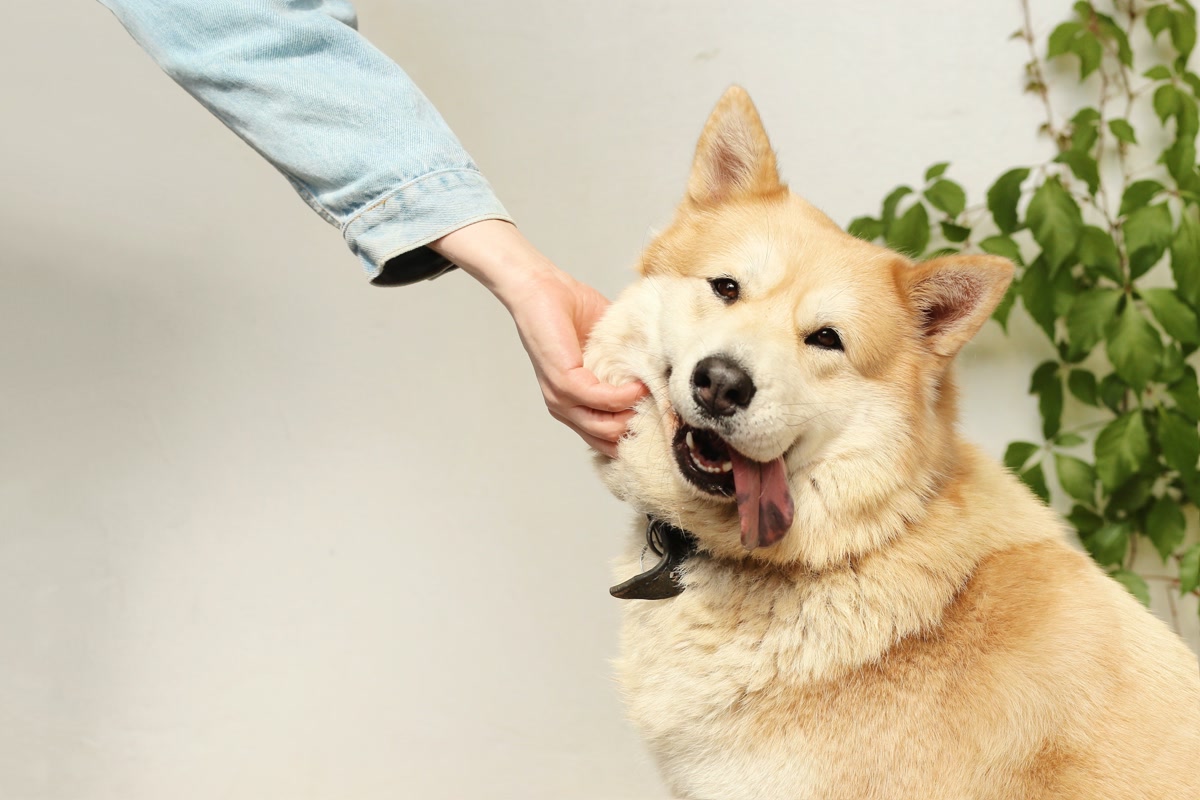
There is no single silver bullet for tick and flea prevention. The best approach is layered — a primary preventative plus backup measures. Here is how the main options stack up for trail dogs.
Topical Treatments
Topical spot-on treatments are applied between the shoulder blades once a month. They kill fleas and ticks on contact and are available over the counter, which is a plus if you do not have a vet appointment lined up. Frontline Plus for Large Dogs is the classic option — it has been around for decades because it works. It kills fleas, flea eggs, flea larvae, and ticks including deer ticks, brown dog ticks, and American dog ticks.
K9 Advantix II goes a step further by repelling mosquitoes in addition to killing fleas and ticks. For summer hiking in mosquito-heavy areas, that is a real advantage. It also kills lice and repels biting flies.
The downsides of topicals: they need 24 to 48 hours to fully distribute across the skin, and they can wash off with swimming or heavy rain. If your dog loves water — and mine certainly does — you need to reapply after heavy exposure or consider an oral option instead. Also, some dogs get skin irritation at the application site. Watch for redness or hair loss.
Tick Collars
The Seresto Flea and Tick Collar is the one I recommend most often for trail dogs. It provides up to 8 months of continuous protection, which means you put it on and forget about it. No monthly application, no pills to remember. The collar releases active ingredients slowly over time, killing fleas and ticks on contact before they can attach and feed.
For a hiker who is already juggling gear, route planning, and trail logistics, a set-and-forget collar is hard to beat. The main caution: some dogs develop skin reactions to the collar material. Check under the collar regularly for redness or hair loss, and remove it if your dog shows any irritation. Seresto makes two sizes — one for dogs over 18 pounds and one for smaller dogs — so make sure you get the right size for your breed.
Breed and Size Considerations
Not every preventative is right for every dog. Small breeds (under 18 pounds) need the small-dog version of any product — the dose is calibrated by weight, and overdosing a small dog is dangerous. Large breeds may need the extra-large formulation. Puppies under 8 weeks generally cannot use topical or oral preventatives — talk to your vet about when to start.
Dogs with sensitive skin or allergies may react to topicals. If your dog has had reactions in the past, the Seresto collar or an oral chewable may be a better fit. Double-coated breeds like huskies and German shepherds can make topical application trickier — you need to part the fur all the way to the skin, not just apply it to the outer coat. For these dogs, a collar or oral preventative is often more reliable.
Senior dogs and dogs with compromised immune systems are at higher risk from tick-borne disease and may need a more aggressive prevention protocol. this guide to post-hike recovery for dogs covers how to support older dogs after hard trail days, which is when their immune system is most vulnerable.
Which Layer Should You Use?
My recommendation for heavy trail use: a Seresto collar as your baseline, plus a topical like Frontline Plus or K9 Advantix II during peak tick season (June through September in most of the US). The collar provides continuous killing action; the topical adds a second layer during the months when tick pressure is highest. If your dog tolerates oral preventatives well, substitute NexGard or Bravecto for the topical — they are more effective but require a prescription.
Talk to your vet about what makes sense for your dog’s weight, age, health history, and the tick pressure in your area. Do not mix preventatives without veterinary guidance — doubling up on certain active ingredients can cause adverse reactions.
Tick Checks on the Trail
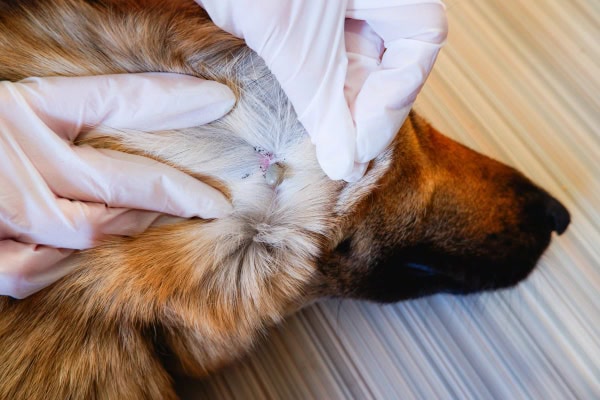
No preventative is 100 percent effective. Ticks can still get on your dog, and the ones that do need to be found and removed quickly. The CDC says a tick typically needs to be attached for 24 to 48 hours to transmit Lyme disease. That means if you are checking your dog regularly, you have a real window to prevent infection.
Here is my trail check routine, developed over thousands of miles:
At every rest stop: Run your hands over your dog’s chest, belly, and inner thighs. Ticks crawl upward, so pay special attention to the groin and armpit areas. Part the fur with your fingers and look for dark specks against the skin.
At the trailhead: Do a more thorough check. Ears, between toes, around the eyes, under the collar, and at the base of the tail. These are the spots ticks love most. A fine-tooth flea comb is invaluable here — it catches ticks that are still crawling through the fur before they have attached.
At home: Full body check with the comb, then a visual scan under good lighting. If your dog has a thick double coat, the comb is not optional. It is the only reliable way to find ticks in dense fur. This is also the time to check paw pads and between toes — ticks love the warm, protected spaces between toes, and they are easy to miss. For a full paw care routine, see this guide to dog paw care on the trail.
How to Remove a Tick Properly
If you find an embedded tick, do not panic. Do not grab it with your bare fingers. Do not twist it. Do not cover it in vaseline or try to burn it off. All of these methods can cause the tick to regurgitate into the bite wound, which increases disease transmission risk.
The correct method: use a dedicated tick removal tool like the Original TickKey 2-Pack. Slide the key under the tick, pull straight up with steady pressure, and the tick comes out whole — head and all. Keep one on your keychain and one in your pack. They weigh nothing and they work. I keep one on my dog’s leash clip so it is always there when I need it.
If you do not have a TickKey, use fine-tipped tweezers. Grasp the tick as close to the skin as possible, pull straight up with steady even pressure, and do not jerk or twist. Clean the bite site with antiseptic and wash your hands.
Save the tick in a ziplock bag or container if you want to have it tested. Some county health departments offer free tick testing, and it can tell you whether the tick was carrying Lyme or other pathogens. At minimum, note the date and location of the bite so you can tell your vet if your dog develops symptoms later.
Flea Prevention for Camping Dogs
Fleas are less dangerous than ticks in terms of disease transmission, but they are a bigger quality-of-life problem. A dog that picks up fleas on a camping trip will bring them into your tent, your car, and your home. Once fleas establish themselves in your house, getting rid of them is a months-long ordeal.
The same preventatives that handle ticks generally handle fleas. Frontline Plus, K9 Advantix II, and Seresto all cover both. But fleas have a longer life cycle than ticks, which means environmental control matters as much as on-dog prevention.
If you are camping in an area with heavy flea pressure — warm, humid climates are worst — treat your tent and sleeping gear with a permethrin spray before the trip. Treat your dog’s bedding too. And do a thorough comb-through with a flea comb before loading your dog back into the car at the end of a trip.
If you are already dealing with a flea outbreak at home, Vet’s Best Flea and Tick Home Spray is a plant-based option for treating carpets and bedding. It kills fleas, flea eggs, and ticks on contact without the chemical load of foggers. Pair it with thorough vacuuming and wash all dog bedding in hot water.
Summer Heat and Prevention Timing
Summer adds a complication beyond tick activity: heat. If you are hiking in high temperatures, your dog is at risk of heat stress, and a thick tick collar plus a topical treatment plus a heavy coat is a lot of layers. Make sure your dog has access to shade and water at every rest stop, and consider a cooling vest for high-temperature hikes. See our roundup of the best dog cooling vests for 2026 for options that work on the trail.
Timing matters for preventatives too. Apply topical treatments at least 48 hours before a hike so they have time to distribute fully. If you are using a Seresto collar, make sure it is not expired — the 8-month clock starts when you first put it on, and effectiveness drops off after that window. Mark the date on your calendar or set a phone reminder so you know when to replace it.
When to Call the Vet
Even with the best prevention protocol, things can go wrong. Call your vet if you notice any of the following after a hike:
- Lameness or stiff gait that appears 1 to 3 weeks after a hike, especially if it shifts between legs
- Fever — a warm, dry nose is not a reliable indicator; ask your vet how to take your dog’s temperature
- Lethargy or loss of appetite that lasts more than 24 hours after a hike
- Swollen joints or lymph nodes
- A bullseye rash at a tick bite site (rare in dogs but possible)
- Unexplained bleeding or bruising — a sign of platelet issues linked to anaplasmosis or ehrlichiosis
If you find a tick that has been embedded for more than 24 hours, call your vet even if your dog seems fine. They may recommend a prophylactic course of doxycycline or a follow-up blood test in 4 to 6 weeks to check for antibodies. Early treatment is dramatically more effective than waiting for symptoms to develop.
What I Recommend
Tick and flea prevention for trail dogs is not about fear — it is about confidence. When you have a solid prevention protocol in place, you can let your dog run through the brush, crash through the tall grass, and enjoy the trail without spending the whole hike worrying about what they are picking up. Use a primary preventative (collar or topical), carry a tick removal tool, do checks at every rest stop, and know the symptoms of tick-borne disease. That is the complete system.
If you take away one thing from this guide, let it be this: the TickKey on your keychain and the Seresto collar on your dog’s neck are the two cheapest insurance policies you will ever buy. The trail is supposed to be fun. Prep right, and it will be.
GearHound is reader-supported. When you buy through links on this site, we may earn an affiliate commission at no extra cost to you.
⛺ Get Your Free Camping with Your Dog Checklist
Join our newsletter and get this free printable plus weekly tips.