This article contains affiliate links. We may earn a commission from qualifying purchases.
Some content on this site is AI-assisted and reviewed by our editorial team.
At twenty degrees, the camp kitchen runs on hot water more than it runs on heat. Coffee at seven, oatmeal at eight, a rinse for the pot at noon, cocoa at dusk — every one of those is a stove run if you let it be. Most winter campers make three or four boils a day and burn half a canister doing it. One big vacuum bottle turns the morning boil into an all-day tap, and the difference between a good one and a bad one is not the brand on the side. It is the pour. Almost nobody tests pour behavior, which is why three of these four bottles are in my kit and one went home.
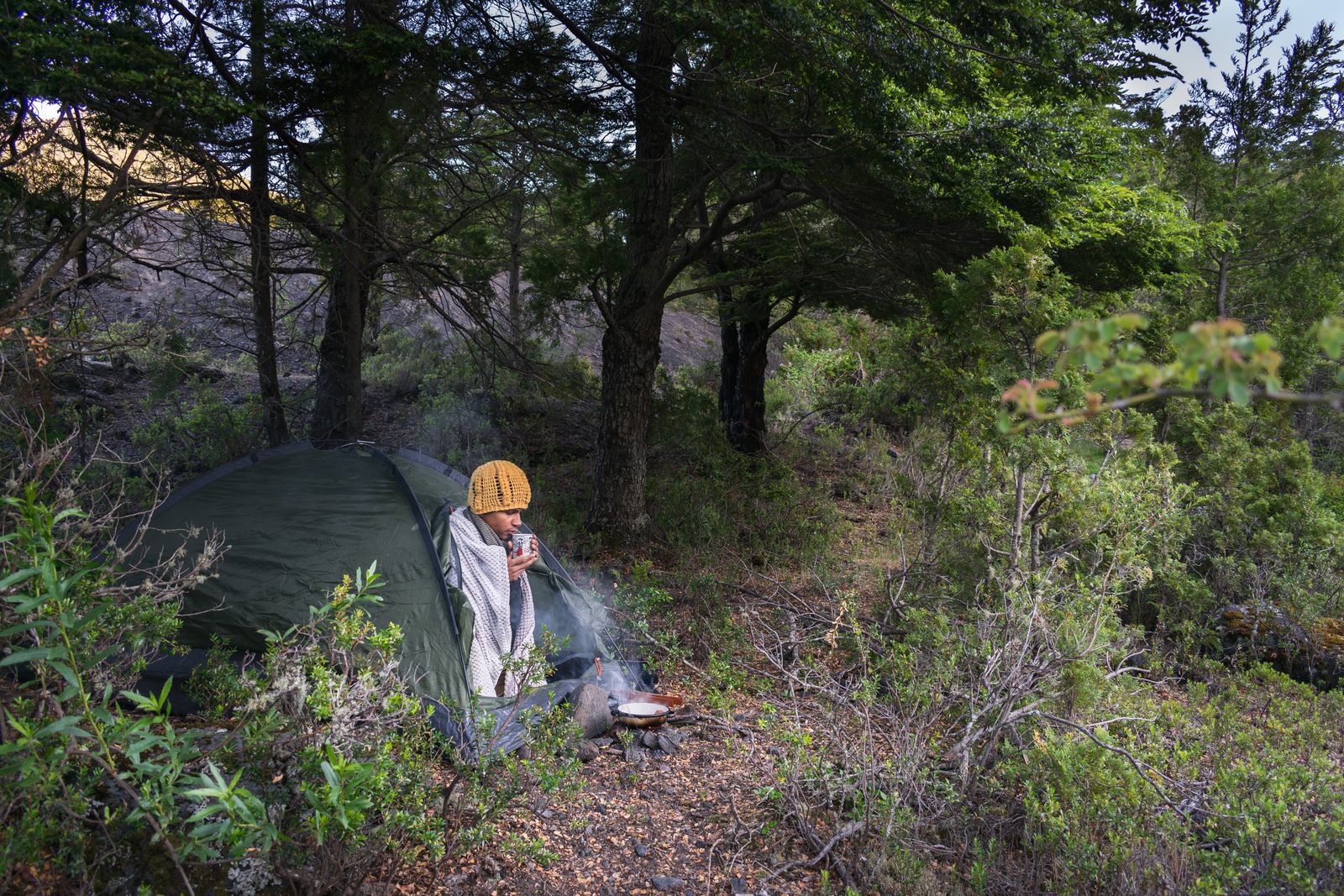
I ran the lineup the way a camp kitchen actually uses them: filled at a single morning boil, poured into cups all day, checked for dribble, then poured again after dark. Here is what held up.
STANLEY Classic Vacuum Bottle 1.1 QT — The Pour-Sweep Benchmark
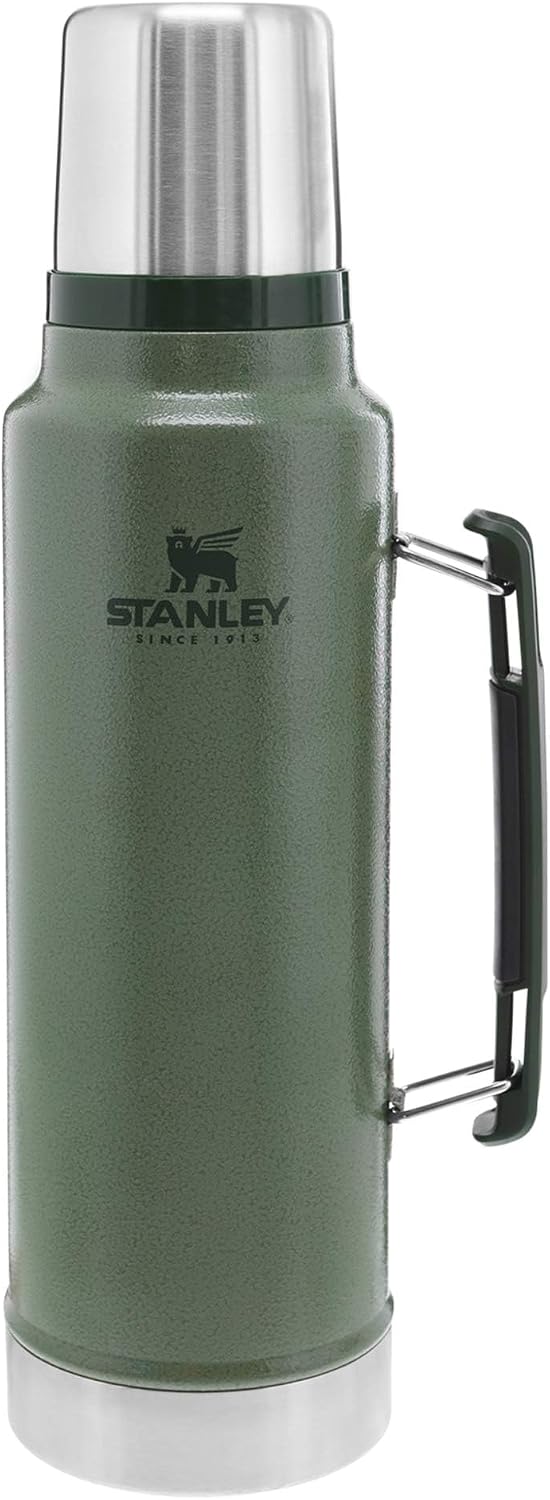
STANLEY Classic Vacuum Bottle, 1.1 qt (Hammertone Ash) — verified 27 dollars tonight, down from the 36-dollar October shelf. The stopper is the story: a quarter-turn and the bottle pours a clean, controllable stream into the cup-lid without a single dribble down the neck, which is exactly what you want when the cup is the only one you brought. The lid doubles as an eight-ounce cup, the handle folds flat, and this is the bottle design that survives decades of job sites and tailgates. The honest con is cosmetic: the hammertone paint chips off the steel if you treat it like gear instead of tableware. At 4.7 stars across nearly ten thousand ratings, it is the least expensive way into a genuinely good pour.
My take: The benchmark. If you only own one camp bottle, own the one that pours without a mess at hour twelve.
THERMOS Stainless King 40 Ounce — The Big-Batch Pour for Groups
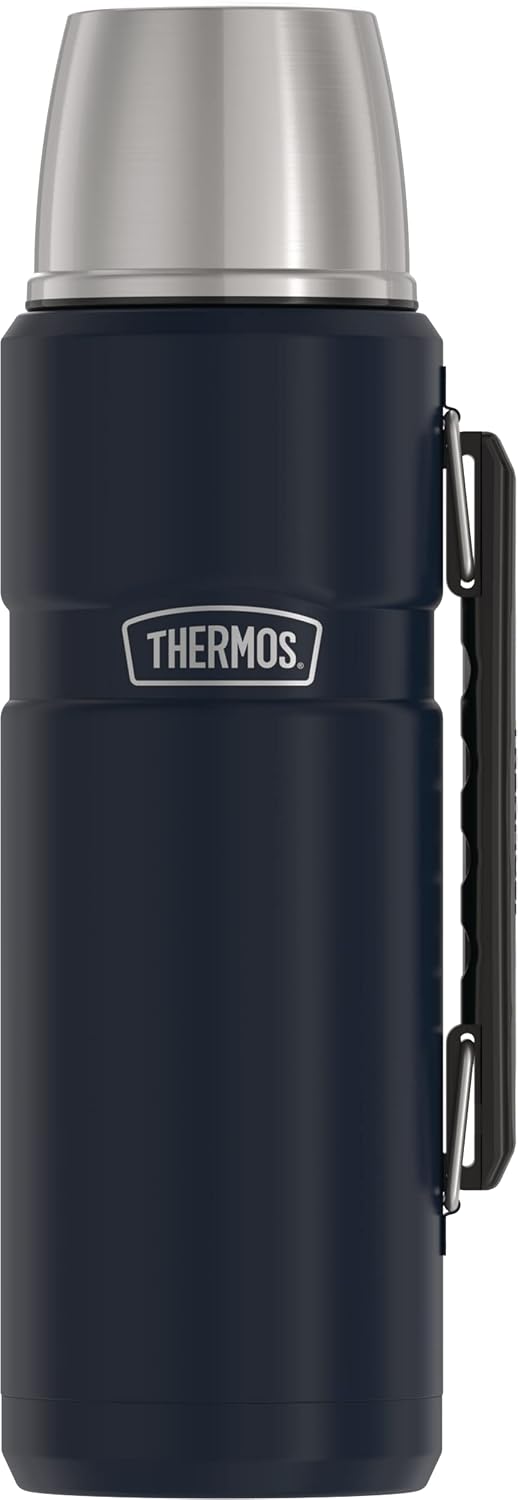
THERMOS Stainless King Vacuum-Insulated Beverage Bottle, 40 Ounce (Midnight Blue) — verified 39.99 dollars. Forty ounces is five full cups, which is two campers plus oatmeal water from one boil. The twist-and-pour stopper is the smartest pour in the lineup: crack it a half turn and you serve without ever removing the lid, and the outer cup doubles as a serving cup for whoever is closest to the fire. Thermos rates it 24 hours hot, and in practice an overnight bottle filled at the morning boil is still making lunchtime ramen possible. The honest cons: it is a two-hand pour when it is full, and the cup sits loose on top when you carry it — check the seal twice. The rating pool on this bottle family is enormous, 4.7 stars across tens of thousands of owners.
My take: The group bottle. If two or more people are eating from the same kitchen, the 40-ounce Stainless King is the one that ends the noon stove run.
Zojirushi SM-SA60 20-Ounce — The Sipping Upgrade for Personal Brews
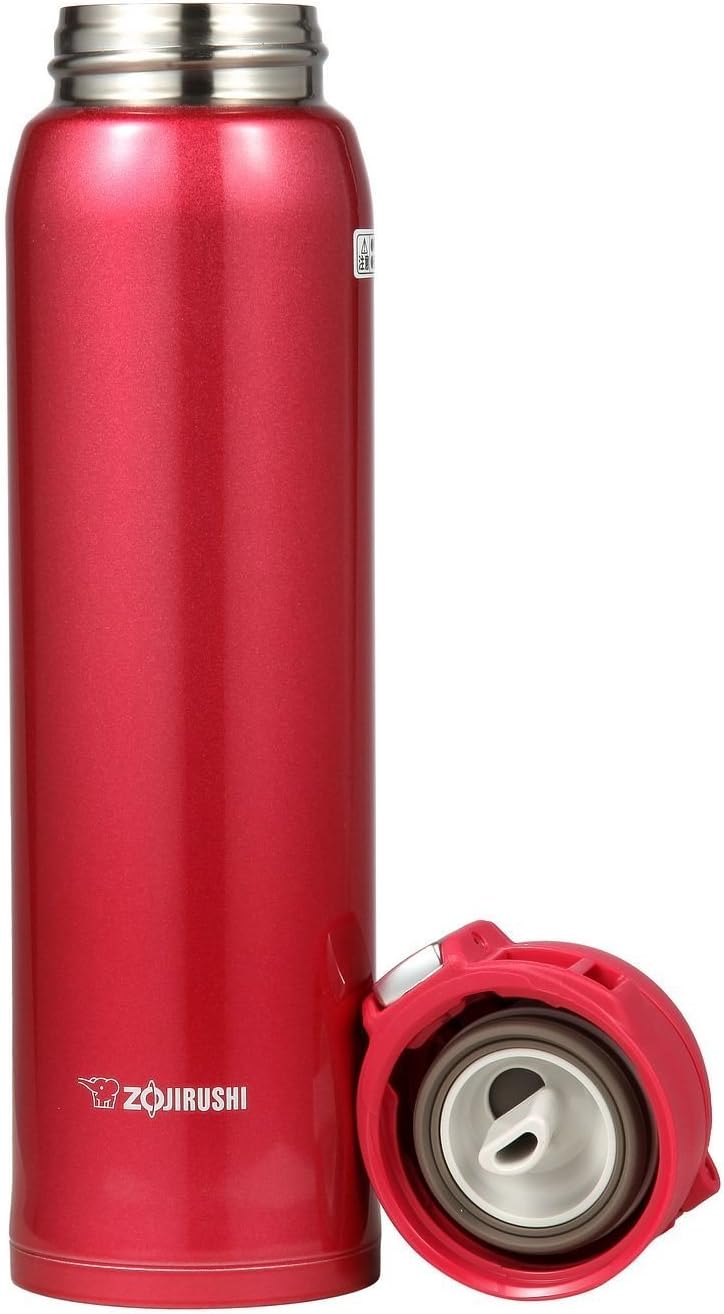
Zojirushi SM-SA60 Stainless Steel Mug, 20-Ounce — verified 32.98 dollars. Zojirushi’s heat retention is the class of the category: this mug out-holds bottles twice its size, and at about half the weight of the jugs it rides in a jacket pocket on the summit push. The flip-open lid means one-handed sipping on the move, and the interior has a non-stick coating that rinses clean when cocoa is involved. Two honest cons: the mouth is a mug mouth, not a pour mouth — you cannot serve the group from it — and it is priced like a premium mug, because it is one. The queue-legend of a 36-ounce Zojirushi mug does not exist; twenty ounces is as big as their mug line honestly goes.
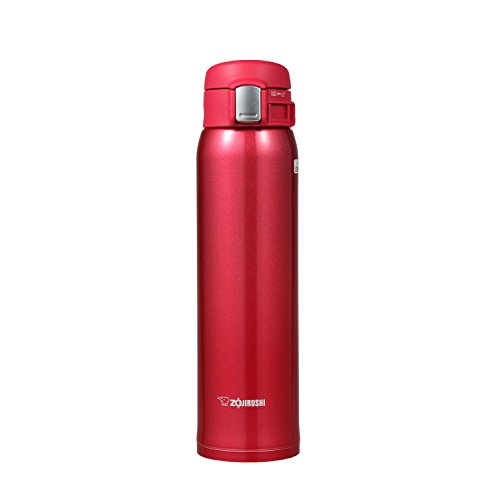
My take: The personal bottle. Buy it for the one brew you actually want hot at 3 p.m., not for the camp tap.
Hydro Flask Wide Mouth 32 Ounce — The Modular Lid Option
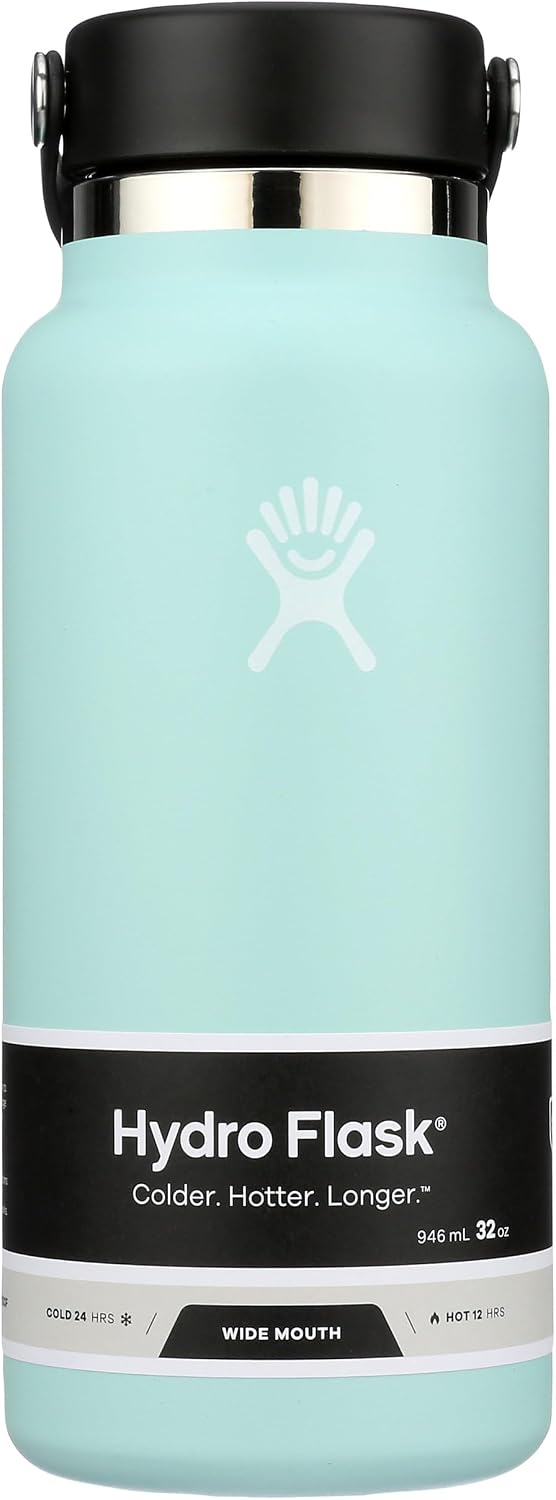
Hydro Flask 32 Oz Wide Mouth Bottle with Flex Cap (Dew) — verified 29.14 dollars tonight. The wide mouth is the whole argument: a dish brush actually fits, ice actually fits, and Hydro Flask’s whole cap ecosystem — flex, straw, chug — swaps onto the same bottle. For a camp kitchen that means one bottle can be the water bottle at lunch and the coffee bottle at dawn with a lid change. The honest con is the heat curve: 12 hours hot is the rating, not 24, and the powder coat holds heat slower than a bare-steel jug wall. It is also the tallest of the four when full — it will not ride in a cupholder or a jacket pocket.
My take: The systems bottle. Pick it when you want one vessel and several lids, not when you need the all-day pour.
What’s the best vacuum bottle for a camp kitchen?
Two or more people: the 40-ounce THERMOS Stainless King — five cups from one boil, 24 hours hot, and the twist-pour serves without spilling. Solo camps: the Stanley 1.1 qt at 27 dollars is the same all-day tap at two-thirds the price, with the cleanest pour of the four.
Features That Actually Matter (And Ones That Don’t)
The pour stopper. Twist-and-pour beats pull-and-pour every day of the week: fewer openings means less heat loss and no dribble across the picnic table. The Stanley and the Thermos both get this right.
The lid is your cup. Every bottle here except the Zojirushi doubles its lid as a drinking cup. That halves the dish load on a cold trip — one cup, one bottle, done.
Mouth width. A wide mouth takes a brush, takes ice, and takes soup without a funnel. A narrow mouth holds heat marginally better but turns cleaning into a chore. Pick your poison honestly.
The 12-versus-24-hour gap. Only the Thermos honestly claims 24 hours hot. Everything smaller or lighter gives up hours with every ounce it saves. Fill at the morning boil either way and it rarely matters.
What doesn’t matter: the color, the sticker collection, and the marketing language about “cold for 36 hours.” Nobody pours cold water at a winter camp.
The Fuel Math, One Bottle In
A 1.1-quart bottle holds about five and a half cups. That is two coffees, one oatmeal, and a pot rinse from a single boil. Boil once at 6 a.m. instead of three times before noon and the bottle pays for itself in canister fuel inside a long weekend — to say nothing of the part nobody prices: not standing over a stove in the dark while the camp sleeps.
- Budget lane: the Stanley 1.1 qt at 27 dollars does the whole job.
- Group lane: the Thermos 40 oz at 39.99 serves two or more for the day.
- Premium sipper: the Zojirushi at 32.98 for the brew that must be hot at hour nine.
- Lid-system lane: the Hydro Flask at 29.14 when one bottle, many lids, is the plan.
Keep reading
The rest of the cold-kitchen stack: winter stoves that still boil at zero, and for the coffee purist, hand-pump espresso makers that pull a real shot at the campsite.
GearHound is reader-supported. As an Amazon Associate, I earn from qualifying purchases. That means if you buy through one of the links above, I get a small commission at no extra cost to you. I only recommend gear I’d actually carry into the field.
⛺ Get Your Free Camping with Your Dog Checklist
Join our newsletter and get this free printable plus weekly tips.
Frequently Asked Questions
Do insulated bottles still pour after an overnight freeze?
Yes — the big jugs are rated to keep drinks hot for 24 hours, and a bottle filled with boiling water at the morning boil will still pour steaming at lunch. Expect the 12-hour class bottles like the Hydro Flask to fade sooner, and keep the lid closed between pours; every opening costs heat.
Is a 1-liter bottle enough for two campers all day?
Not quite. A 1.1-quart Stanley holds about five and a half cups — two mugs of coffee plus oatmeal water, then it is done. For two people across a full day, either plan one boil per meal or step up to the 40-ounce Thermos, which serves five cups and keeps a second mug's worth in reserve.
Can I put boiling water in a Stanley vacuum bottle?
Yes — every bottle in this lineup is built for boiling water, and that is exactly how a camp kitchen uses them. For the best heat retention, splash a little boiling water in first to preheat the wall, dump it, then fill and seal. Wash the seals by hand; dishwasher heat is what kills lids, not the bottle.
Do wide-mouth bottles lose heat faster than narrow ones?
Slightly, yes — a bigger mouth means a bigger opening and a bit more heat loss with each pour. But the wide mouth is what lets a dish brush and ice cubes in, which is why it wins for a camp kitchen where the bottle gets cleaned and refilled daily. The heat difference is hours, not the whole day.
Liked this guide? Get the next one in your inbox — the camp packing checklist is free too.
✓ You're in — check your inbox.
No spam. Unsubscribe anytime. We never share your email.
Price Check
Prices verified via our product tracker. Updated Nov 18.
As an Amazon Associate we earn from qualifying purchases.