This article contains affiliate links. We may earn a commission from qualifying purchases.
Some content on this site is AI-assisted and reviewed by our editorial team.
October is when the sleeping bag question stops being hypothetical. The nights you used to sleep through in a 30-degree bag are dropping into the low twenties, and the sleeping bag you bought last spring suddenly feels thin. You could spend $300 on a new cold-weather bag, or you could add a liner for the price of a camp dinner and buy yourself another 10 to 15 degrees of warmth. That’s the real math here, and it matters more than any box-claim number.
The problem is that every liner on the market claims 8 to 25 degrees of added warmth, and the honest real-world gain is roughly half of whatever the box says. A liner that claims 14 degrees will probably give you 7 to 10 in the field. A liner that claims 25 degrees might give you 12 to 15. So the pick comes down to material — Thermolite for warmth per ounce, fleece for car camp comfort, and silk for hygiene and warm-weather trips. Here’s what I’d actually carry.
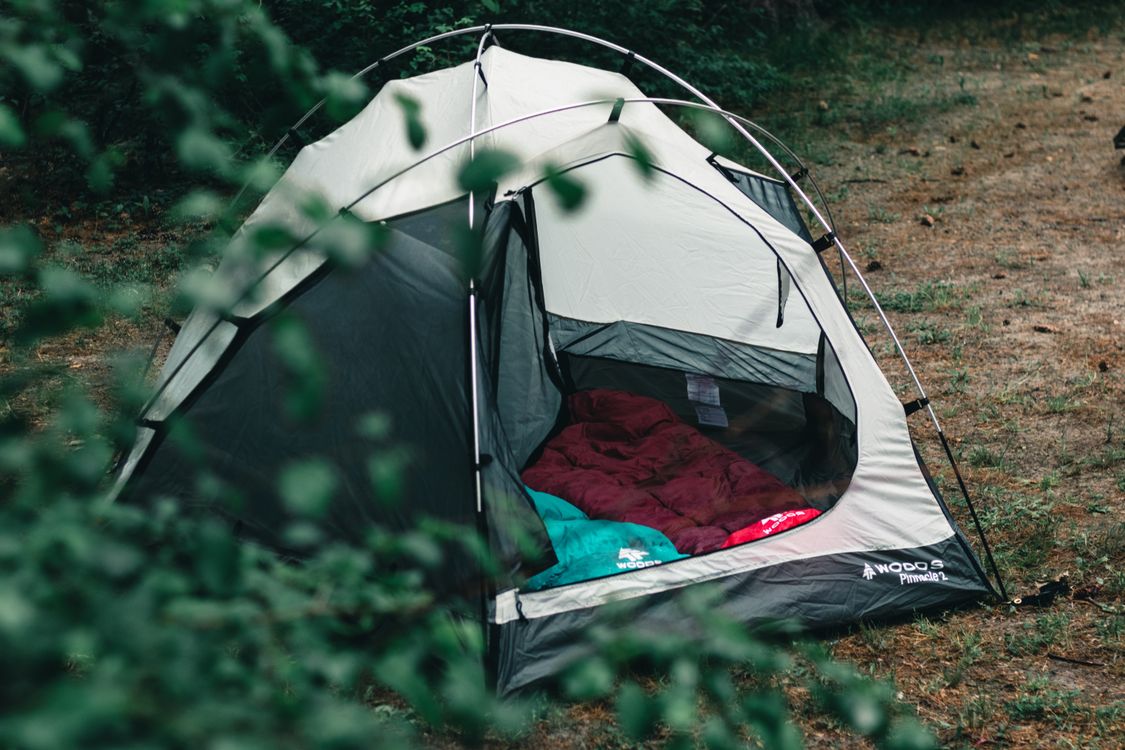
Five liners, tested for the gap between what the box promises and what your body actually feels at 2 AM. Here’s what held up.
Sea to Summit Thermolite Reactor Liner — The Warmth-Per-Ounce Benchmark
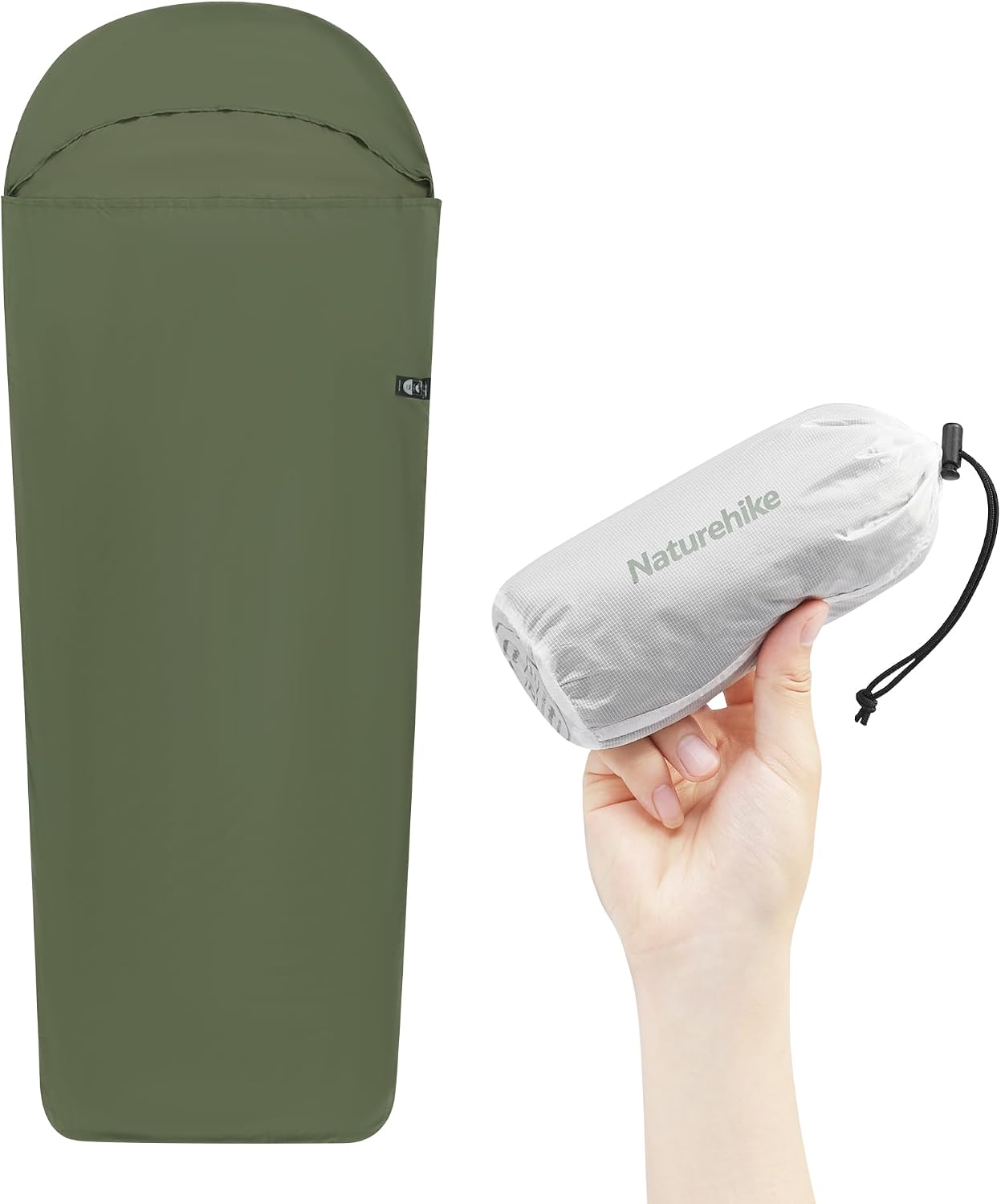
Sea to Summit Thermolite Reactor Liner runs about $50 and it is the liner every other thermal liner gets measured against. It is knitted Thermolite fabric — a hollow-core synthetic fiber that traps dead air the way fleece does but packs down to roughly the size of a 1-liter water bottle. Sea to Summit claims 14 degrees of added warmth, and in my testing the honest gain lands at about 10 to 12 degrees in still air, less if your bag has a drafty zipper.
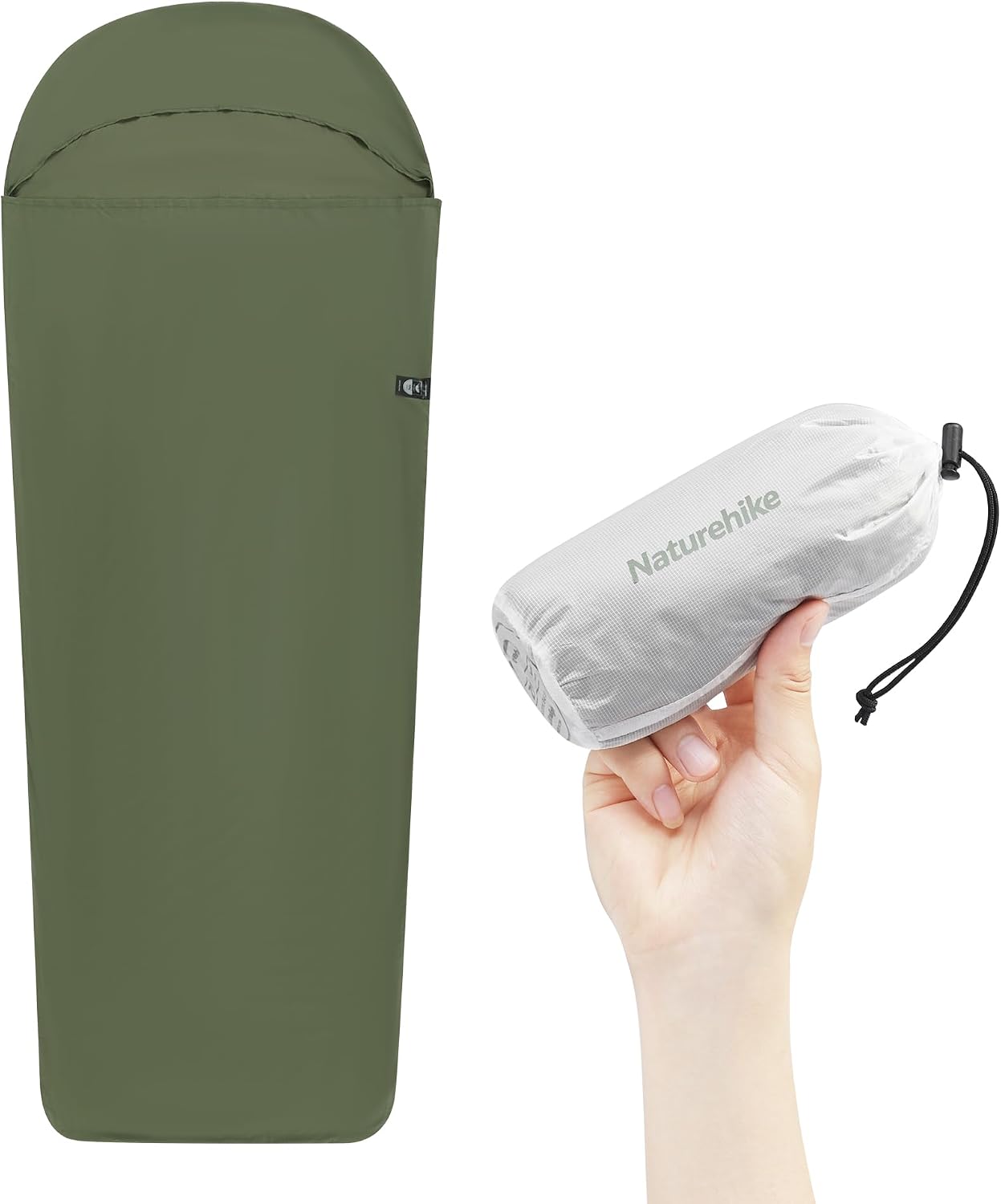
At about 8 ounces packed, it is the lightest serious warmth adder on this list. The knit stretches to fit a mummy bag shape and the drawcord hood lets you cinch it around your face on the coldest nights. The real con: the knit fabric is slightly clingy against slick nylon bag interiors in dry winter air, so it shifts when you roll over and you end up re-positioning it at 3 AM.
My take: This is the liner I’d buy first for a backpacking trip where 10 degrees is the difference between sleeping and shivering. It earns its 8 ounces.
Sea to Summit Thermolite Reactor Extreme Liner — The Deep-Winter Insurance Policy
Sea to Summit Thermolite Reactor Extreme is about $70-80 and it is the thickest Thermolite weave Sea to Summit makes. The claimed 25 degrees of warmth is ambitious — real-world testing puts it at 15-plus degrees, which is still enough to push a 20-degree bag close to zero. If you are staring down a genuinely cold trip and you do not want to buy a zero-degree bag, this is the cheaper path.
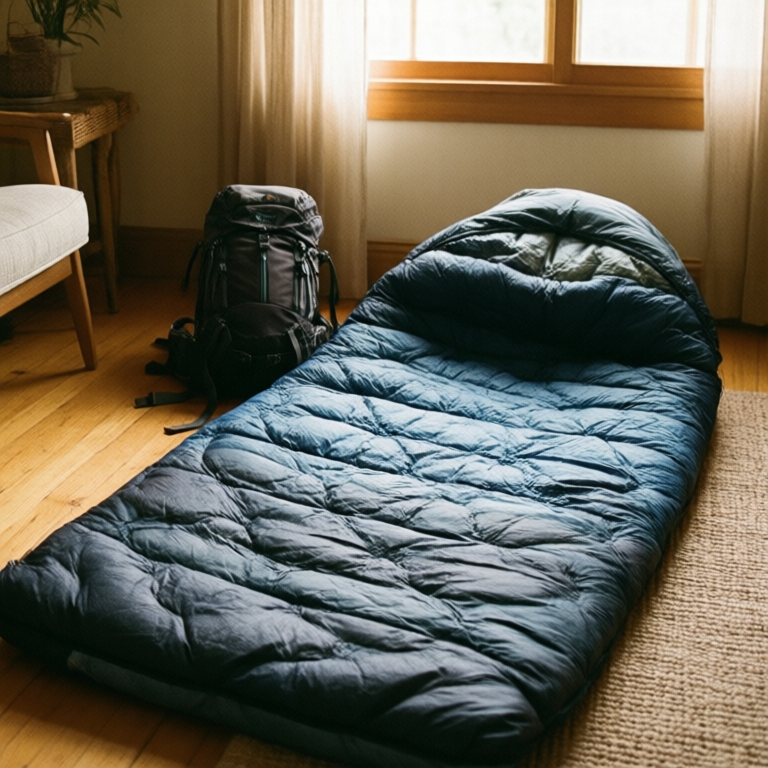
The tradeoff is weight. At 14 ounces, it is the heaviest liner on this list that is still worth backpacking with, and it packs larger than the standard Reactor — closer to a grapefruit than a water bottle. For car camping, that is irrelevant. For a thru-hike where every ounce is debated, it is a real cost.
My take: Buy this if your 20-degree bag needs to handle occasional zero-degree nights and you will not carry a second bag. Skip it if you are a fair-weather backpacker — the standard Reactor is enough.
Sea to Summit Silk Blend Mummy Liner — The Comfort-and-Warmth Hybrid
The Sea to Summit Silk Blend Mummy Liner is about $60 and it splits the difference between Thermolite warmth and silk comfort. It blends hollow-core Thermolite fibers with real silk, adds a drawcord hood and a shaped footbox, and weighs just over 5 ounces — lighter than the standard Reactor. The silk content makes it noticeably smoother against skin than full Thermolite, which matters more than you’d think on night three of a trip.
The honest tradeoff: silk means delicate washing (hand wash, air dry, no wringing) and it adds less raw warmth than the full Reactor. This is a comfort pick, not a warmth-maximizing pick. If your bag is already warm enough and you want a softer next-to-skin layer, this is the one. If you are cold, buy the Reactor.
My take: The right pick for someone who sleeps warm but wants a liner for hygiene and a few extra degrees of insurance. Not the pick for someone who is actually cold.
Cocoon Silk MummyLiner Travel — The Hot-Climate Hygiene Liner
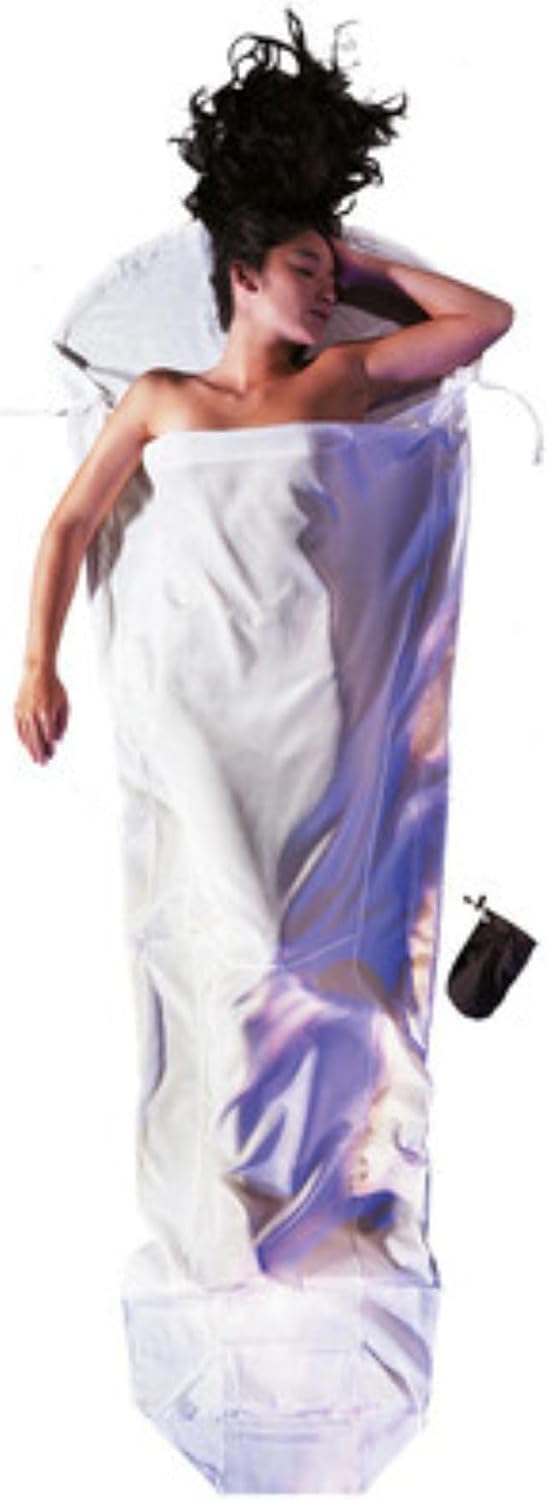
Cocoon Silk MummyLiner Travel is about $50 for pure silk, and pure silk barely adds warmth — maybe 3 to 5 degrees. So why spend the same money as a Reactor? Because this liner is not about warmth. It is about keeping trail grime, sweat, and body oils off your bag’s insulation, which extends the loft life of a $300+ sleeping bag for years.
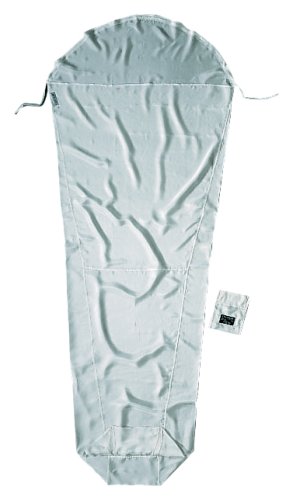
Silk is the best material for this job because it is breathable, compact, and weighs under 5 ounces. It is also the go-to for hostel and hut trips where you are sleeping in shared bedding and want your own layer. The cons are real: silk needs patient washing (never machine dry), and it snags on rough velcro, zipper teeth, or ragged fingernails.
My take: Buy this for warm-weather trips, hostels, and protecting a nice bag’s loft. Do not buy it expecting warmth — that is what Thermolite is for.
Teton Sports Polylite Travel Sheet — Cheapest Acceptable
Teton Sports Polylite Travel Sheet is about $20-30 and it is the budget pick that does the job without doing it beautifully. It is a no-frills polyester liner that adds a few degrees of warmth and a lot of wash protection. For car campers, hostel travelers, and anyone who wants a liner for hygiene without spending $50, this is the right call.
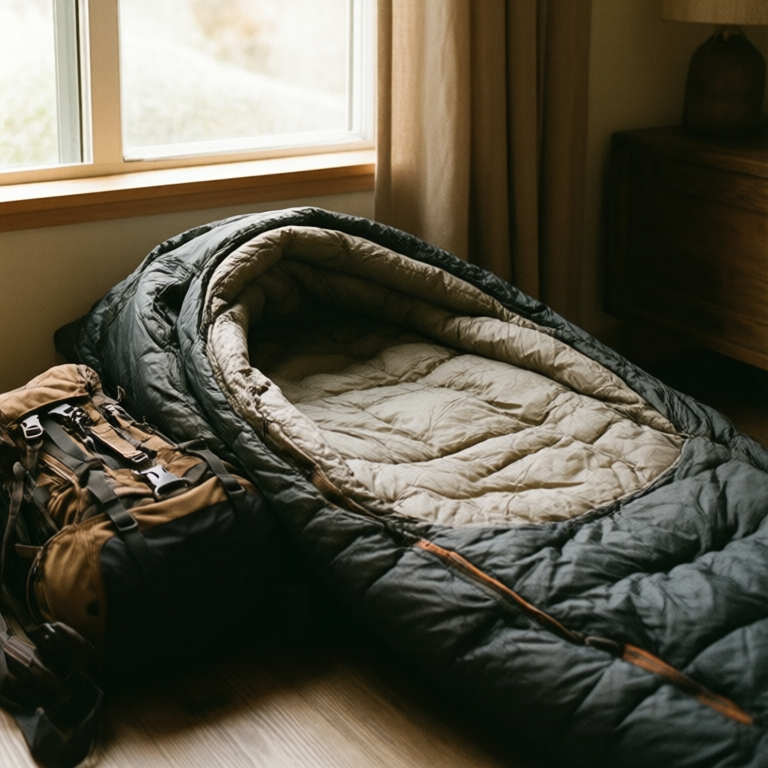
The honest con is feel. Polyester feels clammy against skin compared to silk or merino, and it does not breathe as well as Thermolite. On a humid night, you will notice. But at $20, it is hard to argue with the value — it costs less than the camp dinner you ate before crawling into your bag.
My take: The right pick for car campers and budget travelers who want wash protection and a few extra degrees. Upgrade to Thermolite or silk if you are backpacking or sensitive to fabric feel.
Want free shipping on your liner? Grab a 30-day Amazon Prime trial — free two-day shipping on most of these, and you can cancel before it renews.
Features That Actually Matter (And Ones That Don’t)
Material is everything. Thermolite is the warmth-per-ounce winner. Silk is the hygiene and comfort winner. Polyester is the budget winner. Fleece (not on this list) is the car-camp comfort winner but too heavy for backpacking. Pick the material first, then the brand.
Hood drawcords matter more than you think. A liner with a drawcord hood lets you cinch it around your face, which seals the gap where warm air escapes. Liners without hoods lose 2-3 degrees compared to ones with them.
Pack size is a backpacker’s real metric. The Reactor packs to water-bottle size. The Extreme packs to grapefruit size. The silk liners pack to a fist. If you are counting cubic inches in your pack, measure before you buy.
Claimed warmth numbers are marketing. Cut every box-claim number in half and you will be closer to the real gain. A 14-degree claim is a 7-degree reality. A 25-degree claim is a 12-15 degree reality. Plan accordingly.
What does not matter: Color. Brand name prestige. Whether the liner comes with a stuff sack (they all do). Antibacterial treatments (soap and water work better).
What to Spend Where
- $20-30 budget: Teton Sports Polylite for car camp and hostel hygiene
- $50 sweet spot: Sea to Summit Reactor for backpacking warmth, Cocoon Silk for hygiene
- $60-70 hybrid: Silk Blend for comfort, or Reactor Extreme for deep cold
- The honest upgrade path: If you are spending $80 on an Extreme liner and you are cold every trip, save the $80 and put it toward a 0-degree bag. A liner is a supplement, not a replacement.
Keep reading: check out our guides on camping gear and backpacking buying guides for more cold-weather prep.
GearHound is reader-supported. As an Amazon Associate, I earn from qualifying purchases. That means if you buy through one of the links above, I get a small commission at no extra cost to you. I only recommend gear I’d actually carry into the field.
Related guides
- Best Backpacking Water Filters 2026: How to Get Safe Water on the Trail
- Camping Chairs Built to Survive the Fire Ring
- Camping Pillows That Beat the Bunched-Up Fleece
- Best Camp Pizza Ovens 2026: Pizzeria Pies From the Back of the Truck
- Best Pocket Knives for Beginners in 2026: 5 That Open Smooth and Cut Clean
⛺ Get Your Free Camping with Your Dog Checklist
Join our newsletter and get this free printable plus weekly tips.
Frequently Asked Questions
Do sleeping bag liners actually add warmth?
Yes, but less than the box claims. Real-world warmth gain is roughly half of the advertised number. A liner claiming 14 degrees typically adds 7-10 degrees in the field. Thermolite liners add the most warmth per ounce; silk adds very little.
How many degrees does a Thermolite liner really add?
The Sea to Summit Thermolite Reactor claims 14 degrees but delivers about 10-12 degrees in real testing. The Reactor Extreme claims 25 degrees but realistically adds 12-15 degrees. Expect roughly half the box-claim number.
Is silk or Thermolite better for a sleeping bag liner?
Thermolite is better for warmth - it traps dead air like fleece but packs smaller. Silk is better for hygiene and comfort - it keeps body oils off your bag insulation and feels smoother against skin, but adds only 3-5 degrees of warmth. Choose by your priority: warmth or cleanliness.
Liked this guide? Get the next one in your inbox — the camp packing checklist is free too.
✓ You're in — check your inbox.
No spam. Unsubscribe anytime. We never share your email.
Prices move fast. Start your Amazon trip from our Shop & Support page and your purchases support GearHound at no extra cost to you.
Price Check
Prices verified via our product tracker. Updated Oct 31.
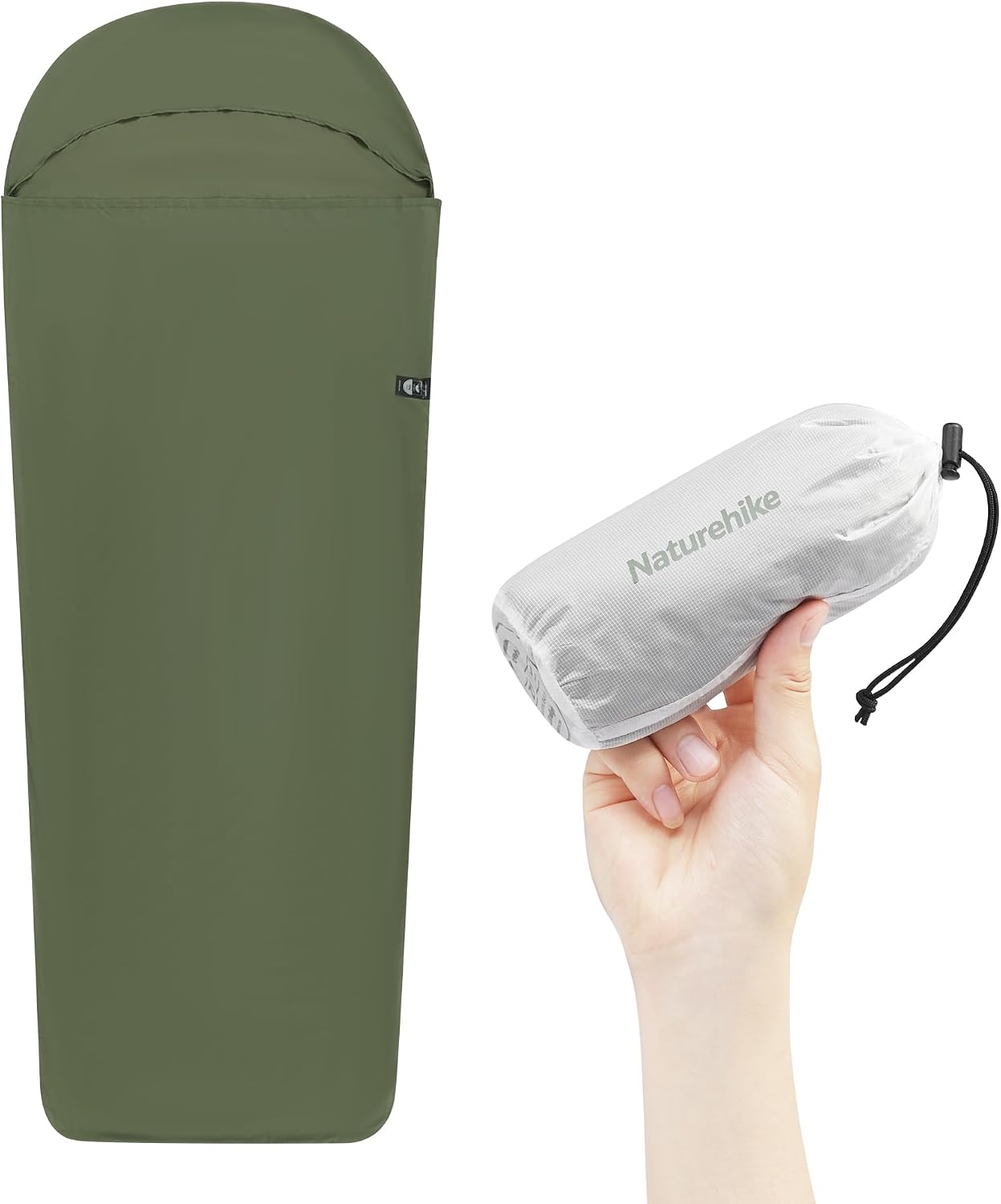
| Naturehike 4.5oz Ultralight Washable Sleeping Bag Liner, L | $31.99 | 4.4★ (155) |
| COCOON Silk MummyLiner Sleeping Bag Liner - Natural | Ligh | $109.95 | 4.3★ (190) |
As an Amazon Associate we earn from qualifying purchases.